Luxman PD-121: The Quiet Masterpiece of Japanese Turntable Craftsmanship
In the golden era of analog audio during the late 1970s, Japanese manufacturers like Denon, Technics, and Sony were pushing the boundaries of turntable engineering. Amid this wave of innovation, Luxman—renowned for its refined amplifiers and preamps—quietly introduced the PD-121, a belt-drive turntable that embodied the company’s philosophy of understated elegance, precision mechanics, and sonic purity. Though not as widely recognized as some of its contemporaries, the Luxman PD-121 has since earned a cult following among analog purists and vintage audio collectors who appreciate its meticulous build quality and musical transparency.
Introduction and Historical Context
Launched in 1979, the Luxman PD-121 arrived at a time when high-end turntables were transitioning from basic consumer models to sophisticated, audiophile-grade components. While direct-drive turntables like the Technics SL-1200 were gaining popularity—especially in the DJ world—many serious listeners still favored belt-drive designs for their superior isolation from motor noise and vibration.
Luxman, a company founded in 1925 and based in Kobe, Japan, had already established a reputation for building high-quality audio equipment with a focus on natural sound reproduction. The PD-121 was part of Luxman’s effort to expand its product line into the analog source component market with a design that prioritized stability, low resonance, and long-term reliability.
Unlike mass-market turntables of the era, the PD-121 was built in limited numbers and targeted at discerning listeners who valued craftsmanship over flashy features. It reflects Luxman’s conservative yet highly effective engineering approach—no gimmicks, just carefully considered materials and mechanical design.
Technical Specifications
| Specification | Detail |
| Model | Luxman PD-121 |
| Year of Release | 1979 |
| Turntable Type | Belt-drive, manual operation |
| Platter | 300 mm diameter, die-cast aluminum |
| Motor | Low-vibration synchronous AC motor |
| Drive System | Rubber belt, external pulley |
| Speeds | 33⅓ and 45 RPM (manual change) |
| Speed Accuracy | ±0.3% |
| Wow and Flutter | < 0.025% (weighted) |
| Tonearm | 9-inch straight tube, aluminum alloy |
| Effective Length | 232 mm |
| Overhang | 18 mm |
| Mounting Center | 214 mm |
| Tracking Force Range | 0–3 grams (adjustable) |
| Anti-Skate | Adjustable, manual |
| Plinth | Medium-density fiberboard (MDF) with wood veneer |
| Dimensions (W×H×D) | 450 × 145 × 360 mm |
| Weight | 9.5 kg |
| Power Supply | External AC adapter (12V) |
Sound Characteristics and Performance
The Luxman PD-121 is not a turntable that grabs attention with punchy dynamics or exaggerated bass. Instead, it delivers a refined, balanced, and highly detailed presentation that lets the music breathe. Its sonic signature is consistent with Luxman’s broader audio philosophy: natural tonality, smooth midrange, and excellent imaging.
Thanks to its heavy die-cast aluminum platter and low-resonance MDF plinth, the PD-121 provides excellent speed stability and superb isolation from external vibrations. The belt-drive system effectively decouples the motor from the platter, minimizing noise transmission and contributing to an exceptionally quiet background—ideal for revealing low-level detail in recordings.
The 9-inch straight aluminum tonearm, while not as advanced as some gimbal-bearing or unipivot designs of the era, is well-engineered with precision bearings and smooth azimuth adjustment. When paired with a high-quality MM or MC cartridge (such as the Shure M97xE, Ortofon 2M series, or vintage Denon DL-103), the PD-121 delivers a cohesive, musical performance with tight bass control, clear mids, and extended, non-fatiguing highs.
One of the most appreciated aspects of the PD-121 is its rhythmic coherence—it doesn’t rush or drag, but rather maintains a natural flow that makes extended listening sessions effortless. It excels with acoustic jazz, classical, and vocal recordings, where timbral accuracy and spatial cues are paramount.
Notable Features and Innovations
While the PD-121 may appear minimalist at first glance, several design choices reflect Luxman’s attention to detail:
- External Motor Pulley System: The motor is mounted off-center and drives the platter via a long belt and external stepped pulley. This reduces mechanical coupling and allows for fine speed tuning.
- Damped Platter Sub-Chassis: The platter sits on a suspended sub-chassis with rubber dampers, further isolating it from vibrations transmitted through the plinth.
- Precision-Machined Platter: The thick aluminum platter provides high inertia for stable rotation, reducing speed fluctuations during playback.
- Adjustable Feet: The three-point leveling system with rubber-capped feet allows for precise setup on uneven surfaces.
- Manual Speed Selection: Speed changes require physically moving the belt between pulley steps—a deliberate design choice that avoids electronic speed switching and potential interference.
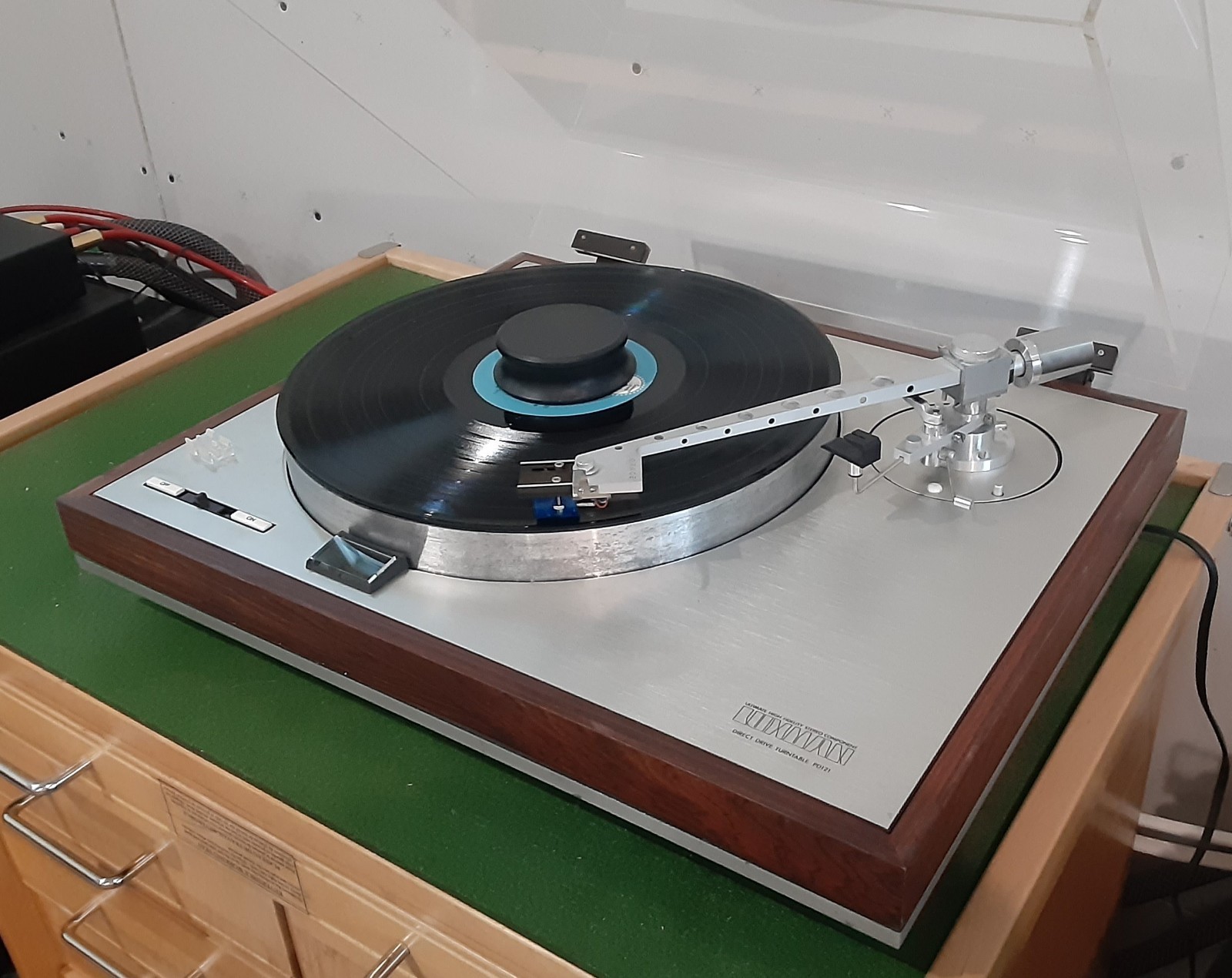
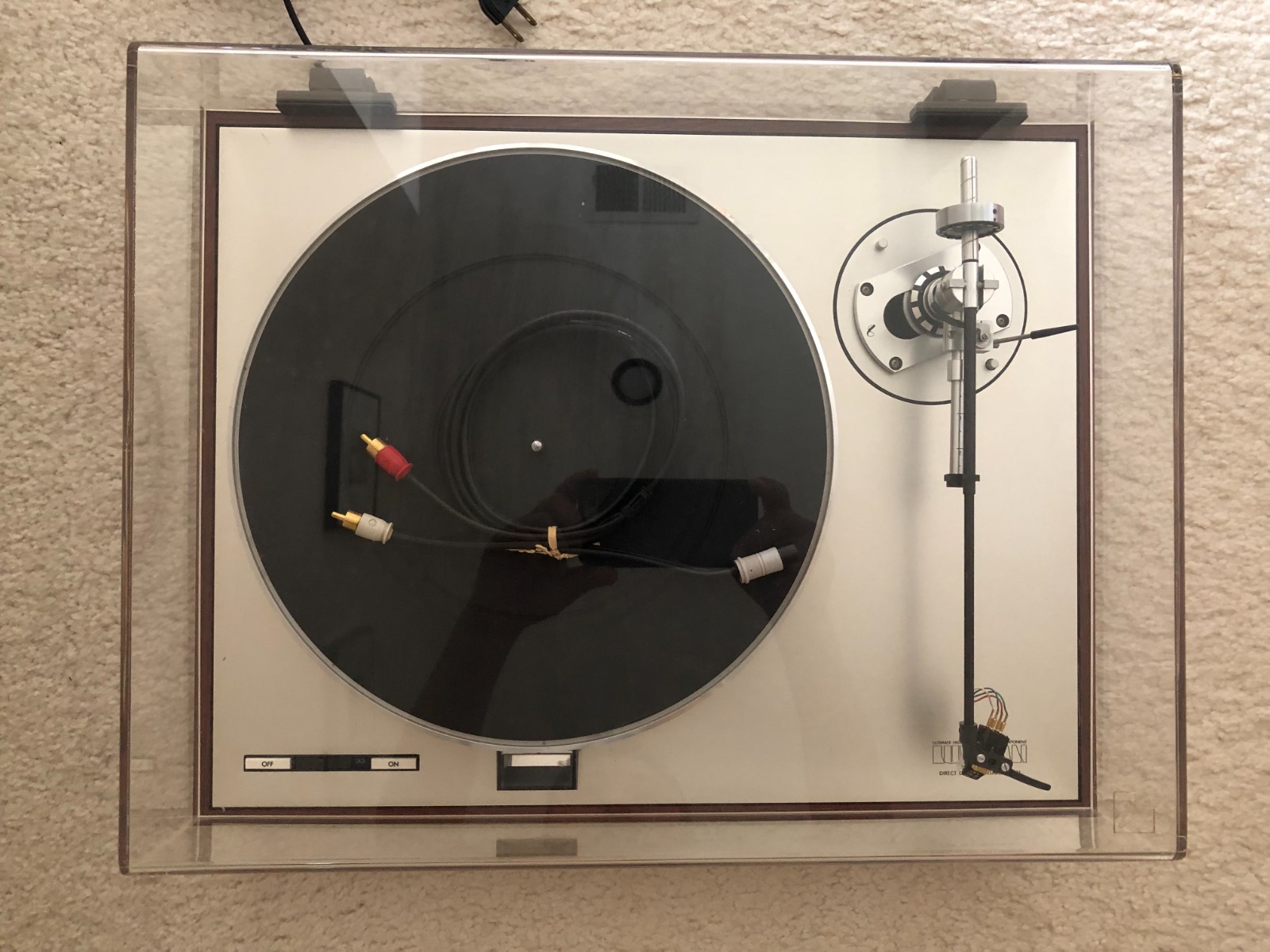
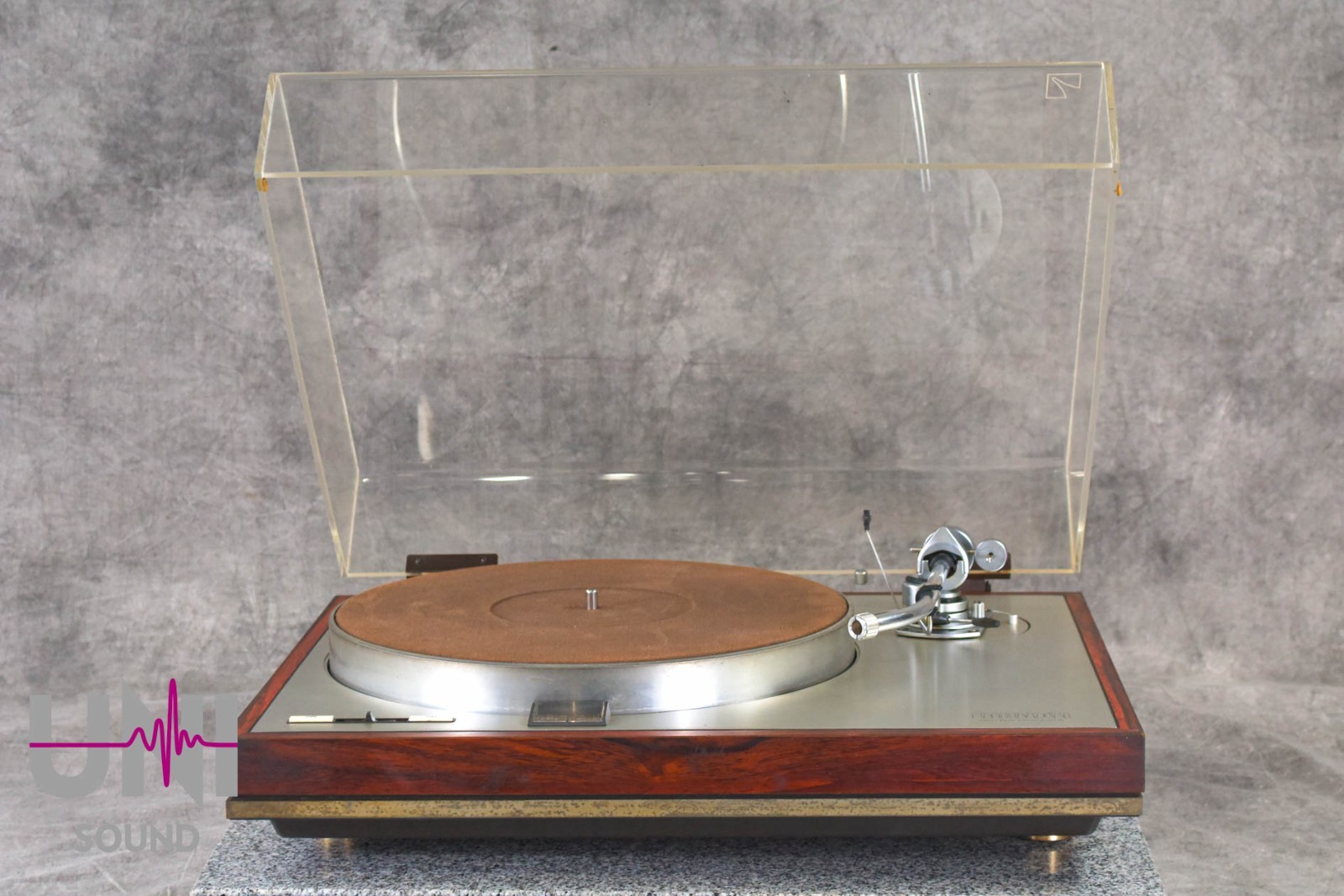
Luxman also paid close attention to aesthetics. The PD-121 features a sleek, understated design with a wood-veneer finish (typically walnut or black ash), brushed aluminum accents, and a minimalist control layout. It blends seamlessly into high-end audio racks and reflects the Japanese design ethos of shibui—simple, subtle, and unobtrusive beauty.
Common Issues and Maintenance
As with any vintage turntable, the Luxman PD-121 requires periodic maintenance to perform at its best:
- Belt Replacement: The rubber drive belt can dry out and crack over time. Replacement with a high-quality silicone belt (such as those from The Funk Firm or Mobile Fidelity) is recommended every 10–15 years.
- Bearing Lubrication: The main platter bearing should be inspected and relubricated if there’s any sign of stiffness or noise.
- Tonearm Wiring: Over decades, internal tonearm wiring can degrade. If channel imbalance or dropouts occur, re-wiring may be necessary.
- Motor Performance: The synchronous motor is generally reliable, but if speed instability appears, the motor or external power supply may need servicing.
Because parts for the PD-121 are not widely available, owners often rely on skilled technicians or adapt components from similar-era turntables. However, the mechanical simplicity of the design makes repairs more feasible than with highly integrated models.
Current Market Value and Collectibility
The Luxman PD-121 remains a sleeper classic in the vintage turntable market. While not as widely collected as Technics or Linn models, it is increasingly sought after by Luxman enthusiasts and analog aficionados who appreciate its understated quality.
In good working condition, the PD-121 typically sells for $400–$700 USD, depending on condition, included accessories (such as the original dust cover or headshell), and whether it has been professionally serviced. Fully restored examples with upgraded cartridges or modified power supplies can command higher prices, especially in Japan and Europe.
Its collectibility is enhanced by its relative rarity and association with Luxman’s golden era of analog design. As interest in high-quality vintage turntables continues to grow, the PD-121 is likely to appreciate in value—particularly among collectors focused on Japanese audio heritage.
Conclusion and Legacy
The Luxman PD-121 is not a flashy turntable. It doesn’t boast exotic materials or cutting-edge technology. But what it offers is something rarer: a harmonious balance of engineering, craftsmanship, and musicality. It represents a time when Japanese audio companies competed not just on specifications, but on the emotional truth of sound reproduction.
Today, the PD-121 stands as a testament to Luxman’s commitment to analog purity. It may not dominate headlines, but for those who take the time to set it up properly and listen deeply, it reveals itself as a quiet master—a turntable that doesn’t perform, but simply lets the music happen.
For vintage audio enthusiasts seeking a refined, reliable, and musically engaging turntable from Japan’s analog heyday, the Luxman PD-121 remains a compelling and underrated choice.
eBay Listings

As an eBay Partner, we earn from qualifying purchases. This helps support our independent vintage technology research.
Related Models
- Luxman PD-272 (1983)
- Luxman JPX-10000-R (1985)
- Luxman PD-131 (1978)
- Luxman PD-262 (1983)
- Luxman PD-270 (1984)
- Garrard 2025tc (1968)
- Onkyo CP-1010 (1976)
- Pioneer PL-15R (1975)
- Pioneer PL-250 (1979)
- Pioneer PL-40 (1977)