Linn Linn Basik: The Accessible Gateway to Linn's Legendary Sound
Introduction
For a decade starting in 1980, the Linn Basik served as the smart, no-nonsense entry point into the revered world of the LP12 turntable. While Linn’s Ittok arms dazzled with precision and price, the Basik cut through the noise—offering a direct line to the LP12’s magic without the premium tag. It wasn’t flashy, but it was honest: a well-engineered, no-frills tonearm that brought Linn’s philosophy of musical truth within reach of more listeners. Over its ten-year run, it became a favorite upgrade for owners stepping up from the stock Keel arm, delivering a tangible leap in clarity and rhythm. Built to last and designed to perform, the Basik wasn’t just a budget option—it was a statement that great sound shouldn’t be reserved for the few.
Technical Specifications
| Specification | Value |
| Model | Linn Basik |
| Category | Tonearm |
| Years Produced | 1980–1990 |
| Power Output | Not specified |
| Impedance | Not specified |
| Frequency Response | Not specified |
| Total Harmonic Distortion | Not specified |
| Signal-to-Noise Ratio | Not specified |
| Dimensions | 300 x 50 x 50 mm (L x W x H) |
| Weight | 450 g |
Design & Engineering
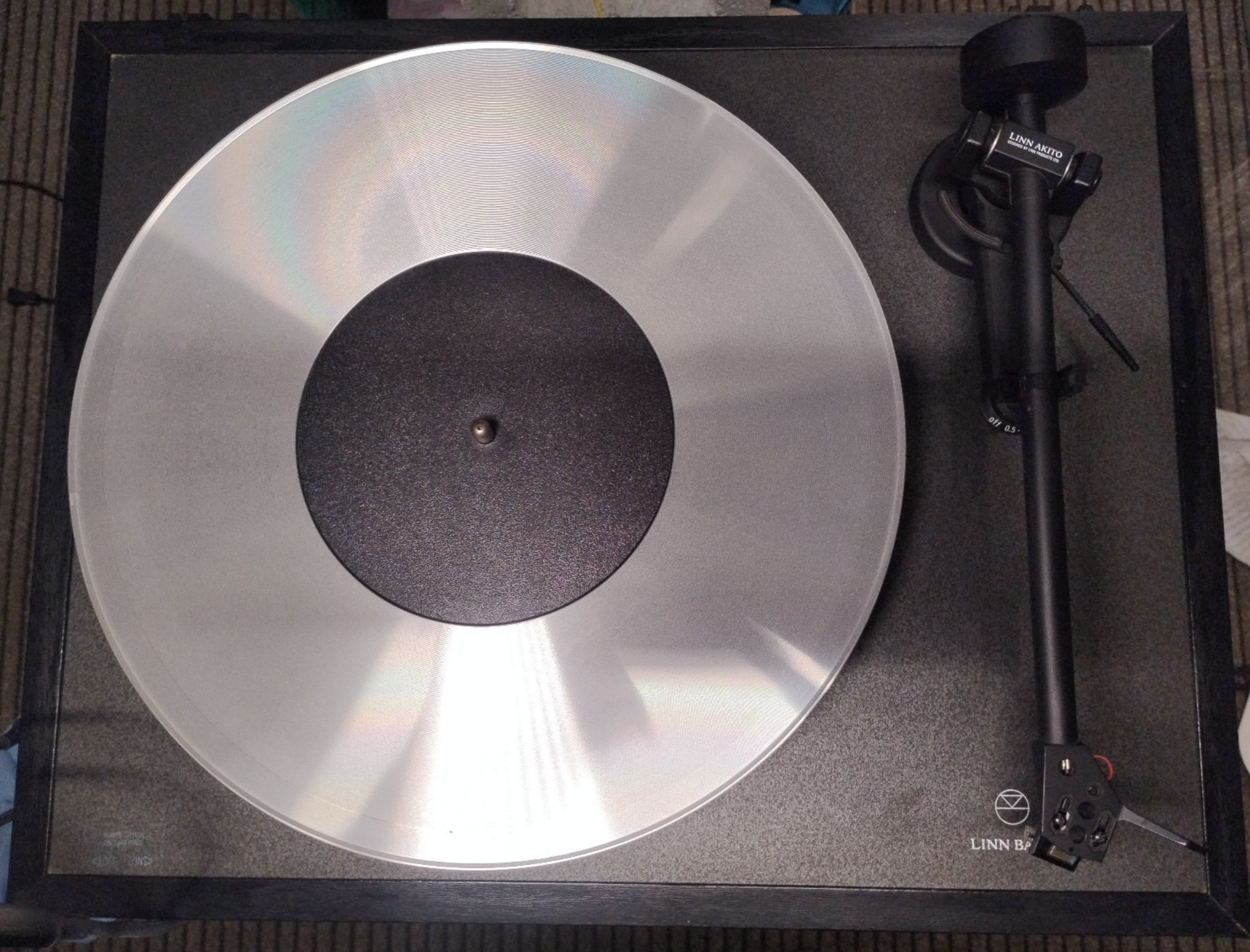
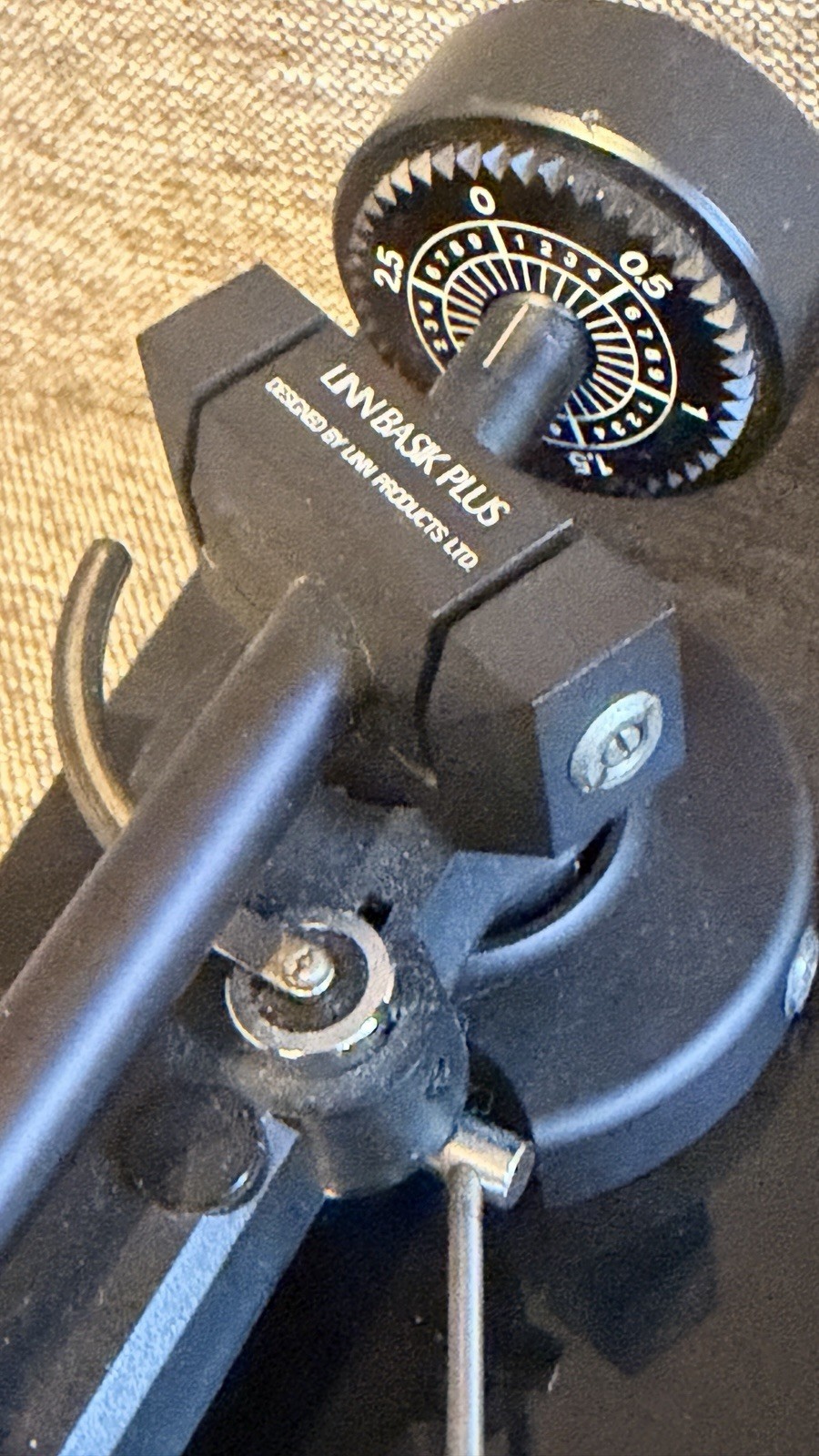
Stripped of excess, the Basik embodies Linn’s belief that form should follow function—especially when that function is extracting every nuance from a groove. Its 9-inch straight aluminum alloy tube balances lightness with rigidity, damping resonance while ensuring stable tracking. Movement is guided by a dual-bearing assembly that allows smooth horizontal and vertical adjustments—azimuth and VTA—though without the micro-tuning found on higher-end models. Instead, the Basik keeps it simple: a straightforward counterweight for setting tracking force and a slotted collar for azimuth alignment. No gimmicks, just reliable, repeatable setup.
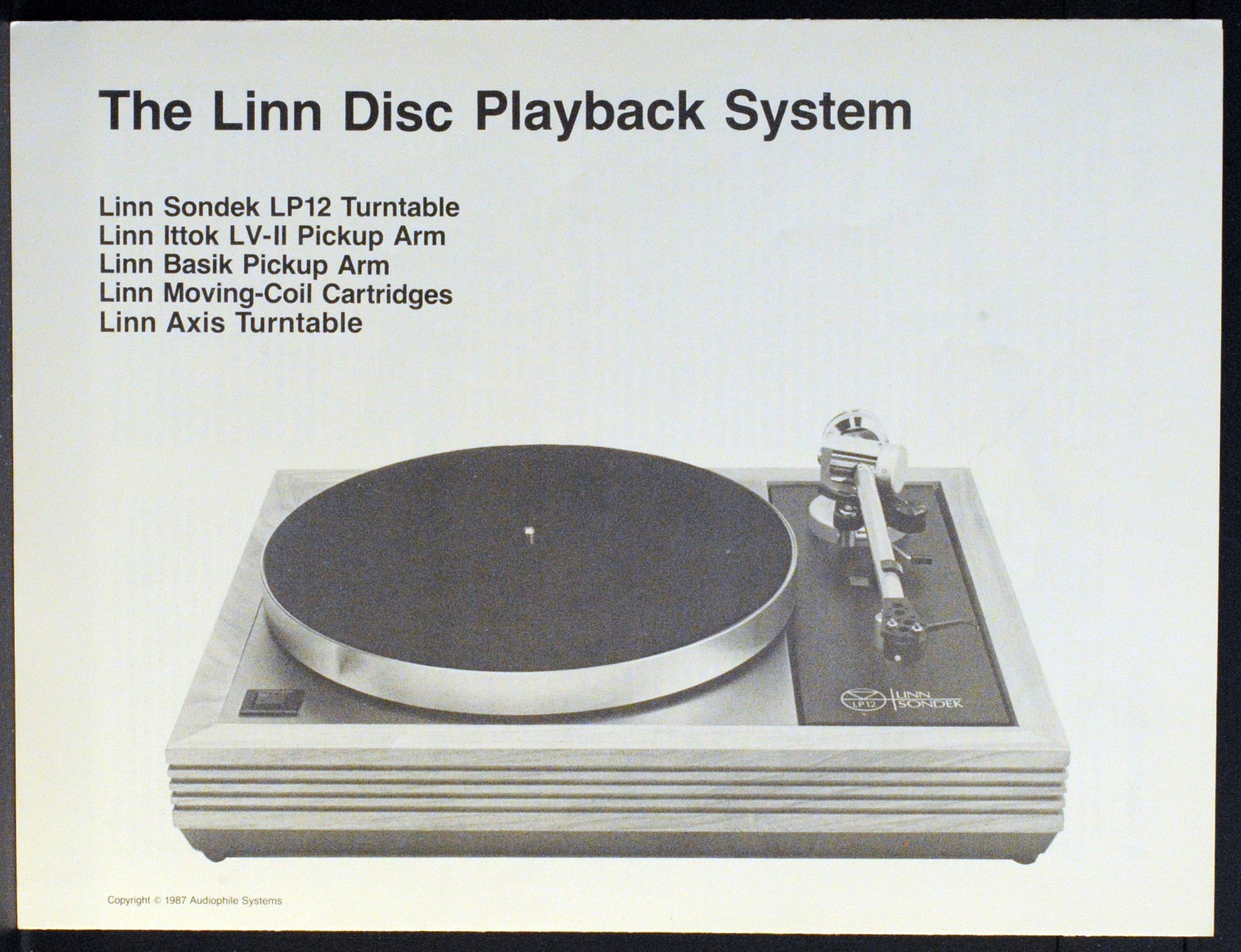
Engineered from the ground up for the LP12, the Basik mounts directly to the turntable’s subchassis via a dedicated arm board, ensuring mechanical integrity and perfect alignment. Internal wiring uses high-quality conductors to preserve signal purity, a quiet nod to Linn’s obsession with minimizing interference. It doesn’t boast the exotic anti-resonance tech of the Ittok or Akito, but its clean, efficient design still honors the brand’s core principle: let the music through, uncolored and unimpeded.
Compatibility was key. The SME-style headshell opens the door to a wide world of cartridges—from affordable moving magnet workhorses to refined moving coils. With a medium-effective mass, the Basik strikes a natural balance, pairing well with the most popular cartridges of its era. It’s a tonearm built not for show, but for real-world use—modular, dependable, and ready to play.
Sound Characteristics
Plug in the Basik, drop the needle, and you’re greeted with a sound that’s immediate, alive, and deeply musical. It’s a clear step beyond the stock Keel arm—tighter bass, cleaner mids, and a noticeable drop in distortion. The low end stays taut and articulate, anchored by the LP12’s suspension and the arm’s stable bearings. Vocals bloom with natural warmth; acoustic instruments feel present, almost within reach. Highs extend cleanly, never veering into harshness, though they lack the last word in refinement offered by the Ittok.
Where the Basik truly sings is in its rhythm. It captures the LP12’s legendary PRaT—pace, rhythm, and timing—with infectious energy. It doesn’t just play music; it makes you feel it. Micro-details and expansive soundstaging may be the domain of pricier arms, but the Basik delivers something more vital: emotional engagement. In a world of sterile precision, it chooses soul—and wins listeners over every time.
Market & Collectibility
Today, the Basik is more than just a vintage component—it’s a sought-after piece of LP12 history. While it doesn’t command the sky-high prices of an Ittok or Ekos, a well-kept Basik in full working order typically trades between $300 and $600. Complete sets—with original headshell, counterweight, and arm board—fetch top dollar. For collectors and restorers, originality matters.
When buying used, inspect the bearings closely: they should move smoothly, with no wobble or grit. Check the arm tube for dents and test for continuity in the internal wiring—older examples can suffer from degraded cables, which dull the sound. Many owners opt to rewire with modern high-purity conductors during restoration, a worthwhile upgrade. And don’t overlook compatibility: later LP12 models used revised mounting standards, so verify fit before purchase.
Some step up to the Basik II or add aftermarket counterweights and headshells, but purists prize the original for its authenticity. It’s not just a tonearm—it’s a time capsule of 1980s high-end audio, built to let the music speak.
eBay Listings

As an eBay Partner, we earn from qualifying purchases. This helps support our independent vintage technology research.
Related Models
- Linn Linn Ittok (1980-1990)
- Rega Rega RB300 (1983-1990)
- Roksan Artemiz (1987-1990)