Leak TL/12: The Pioneering British Phono Stage That Defined an Era
In the golden age of British hi-fi during the late 1950s and early 1960s, few names carried the prestige of Leak, a division of The Sinclair Radionics Group. Among their most celebrated contributions to high-fidelity audio was the Leak TL/12, a moving coil (MC) phono preamplifier introduced in 1959. Though modest in appearance and output, the TL/12 was a technological marvel of its time—a meticulously engineered solution to the complex challenge of accurate RIAA equalization and low-noise amplification for the delicate signals produced by early MC cartridges.
At a time when most domestic turntables used high-output moving magnet (MM) cartridges and rudimentary preamp stages, the TL/12 stood apart by embracing the superior but far more challenging moving coil design. It was one of the first commercially available phono stages specifically tailored for MC cartridges, making it a favorite among serious audiophiles and recording engineers who demanded the highest fidelity from their vinyl playback.
Technical Specifications
| Specification | Detail |
| Manufacturer | H. L. Leak & Co. Ltd. (Sinclair Radionics) |
| Model | TL/12 |
| Year Introduced | 1959 |
| Type | Moving Coil Phono Preamplifier |
| Gain | Approximately 60 dB |
| Equalization Standard | RIAA |
| Input Sensitivity | 0.3 mV nominal |
| Input Impedance | 200Ω (adjustable via internal links) |
| Output Level | ~150 mV for 5 cm/s at 1 kHz |
| Output Impedance | 10 kΩ |
| Frequency Response | 20 Hz – 20 kHz (±0.5 dB) |
| Total Harmonic Distortion | < 0.1% at 1 kHz |
| Vacuum Tubes | 2 × ECC82 (12AU7), 1 × EF86 |
| Power Supply | External HT (High Tension) unit (typically PA/12 or PA/13) |
| Dimensions (W×H×D) | 205 × 70 × 140 mm |
| Weight | ~2.5 kg (chassis only) |
| Finish | Brushed aluminum front panel, black painted steel chassis |
The TL/12 was designed as a two-stage amplifier: the first stage used an EF86 pentode in a low-noise configuration to provide high gain with minimal interference, while the second stage employed an ECC82 dual triode to handle active RIAA equalization. This discrete, valve-based topology allowed for precise control over the equalization curve—critical at a time when RIAA standardization was still being widely adopted.
Notably, the TL/12 required an external high-voltage power supply, such as the Leak PA/12 or PA/13, which delivered the necessary HT (typically 250V) and heater voltages. This modular design reduced electromagnetic interference in the sensitive audio circuitry and reflected Leak’s commitment to signal purity.
Sound Characteristics and Performance
The Leak TL/12 is often described in hushed, reverent tones by vintage audio enthusiasts. Its sound signature is warm, natural, and remarkably detailed, with a smooth high-frequency response and a rich midrange that brings analog recordings vividly to life. The use of the EF86 tube in the first stage contributes to a low-noise floor and a dynamic, engaging presentation—especially when paired with classic British cartridges like the B&O MMC-20 or EMT TSD 15.
One of the TL/12’s most praised qualities is its rhythmic coherence and tonal accuracy. It doesn’t add artificial "tube glow" but instead reveals the true character of the recording with a neutrality that was rare for its era. Vinyl records played through a well-maintained TL/12 exhibit a sense of space and timing that many modern preamps still struggle to match.
Despite its age, the TL/12’s RIAA accuracy is impressive—engineered to within ±0.5 dB across the audible spectrum. This precision, combined with its high gain and low distortion, made it a favorite not only in high-end home systems but also in semi-professional studio monitoring setups.
Notable Features and Innovations
The Leak TL/12 was ahead of its time in several key areas:
- True RIAA Equalization: While many preamps of the era used simplified approximations of the RIAA curve, the TL/12 employed a carefully calculated passive network combined with active feedback to achieve near-perfect alignment. This made it one of the most accurate phono stages of the late 1950s.
- Modular Design with External PSU: By separating the high-voltage power supply, Leak minimized hum and interference—critical for amplifying microvolt-level MC signals.
- Adjustable Input Impedance: Via internal link settings, users could fine-tune the input impedance to better match their cartridge, optimizing both frequency response and damping.
- High Build Quality: Built with point-to-point wiring, high-quality capacitors, and robust metal construction, the TL/12 was engineered for longevity. Many units still function flawlessly over 60 years later.
- Compact and Elegant Aesthetic: With its minimalist brushed aluminum faceplate and compact size, the TL/12 embodied the understated elegance of British industrial design.
Common Issues and Maintenance
While the TL/12 is known for its durability, age-related issues do arise:
- Capacitor Aging: The waxed paper and early electrolytic capacitors degrade over time, leading to increased noise, hum, or channel imbalance. A full recapping by a qualified technician is recommended for optimal performance.
- Tube Wear: The EF86 and ECC82 tubes should be tested or replaced if noisy. NOS (New Old Stock) tubes or high-quality modern equivalents can restore original performance.
- Oxidized Connectors and Switches: Internal and external jacks may develop oxidation. Cleaning with contact cleaner and gentle abrasion can restore connectivity.
- Power Supply Compatibility: The original PA/12 or PA/13 units are now rare. Some users have built modern regulated replacements, but care must be taken to match voltages and filtering to avoid damaging the sensitive circuitry.
Due to its low-voltage design and reliance on external power, the TL/12 is not user-serviceable without proper knowledge of tube electronics and high-voltage safety. Restoration should be entrusted to specialists in vintage audio equipment.
Current Market Value and Collectibility
The Leak TL/12 is a highly sought-after collector’s item, especially in working condition with its original power supply. Units in good cosmetic and electrical condition regularly fetch £800–£1,500 on the UK and European vintage audio markets, with exceptional examples commanding even higher prices.
Its collectibility stems not only from its historical significance but also from its enduring sonic performance. Unlike many vintage components that are valued more for nostalgia than sound, the TL/12 remains a viable, competitive phono stage when properly restored. It appeals to both purist audiophiles and vintage gear collectors who appreciate its engineering integrity and British heritage.
Conclusion and Legacy
The Leak TL/12 is more than a relic of the past—it is a milestone in phono preamplifier design. As one of the first commercially successful MC stages, it helped pave the way for the high-gain, low-noise preamps that define modern analog playback. Its combination of precision engineering, elegant simplicity, and musical transparency continues to inspire reverence among audiophiles.
In an era increasingly dominated by digital perfection, the TL/12 reminds us of the beauty of analog craftsmanship. It stands as a testament to a time when audio equipment was built not just to function, but to reveal the soul of the music. For those who cherish the warmth and authenticity of vinyl, the Leak TL/12 remains a true classic—one that still earns its place on the most discerning turntables today.
eBay Listings
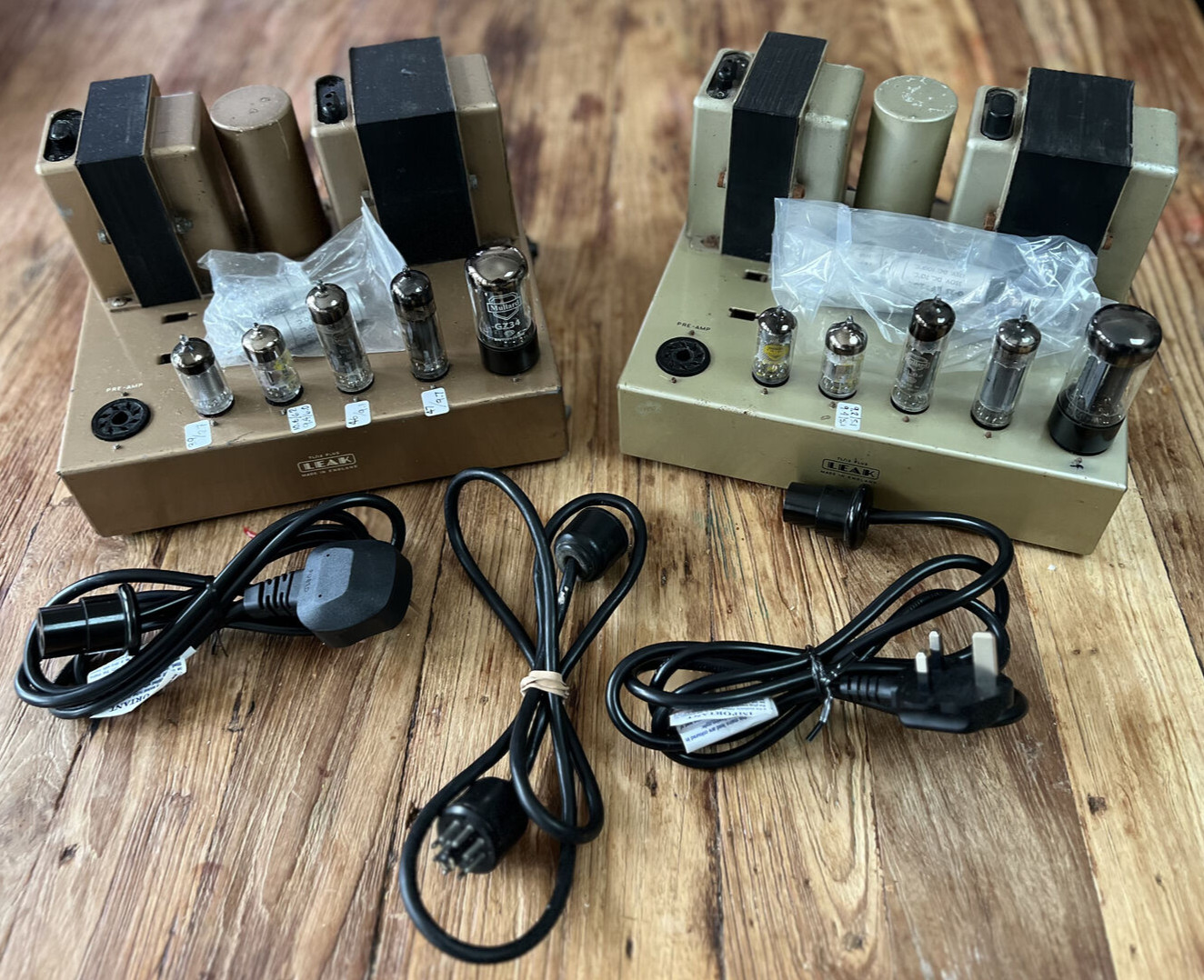

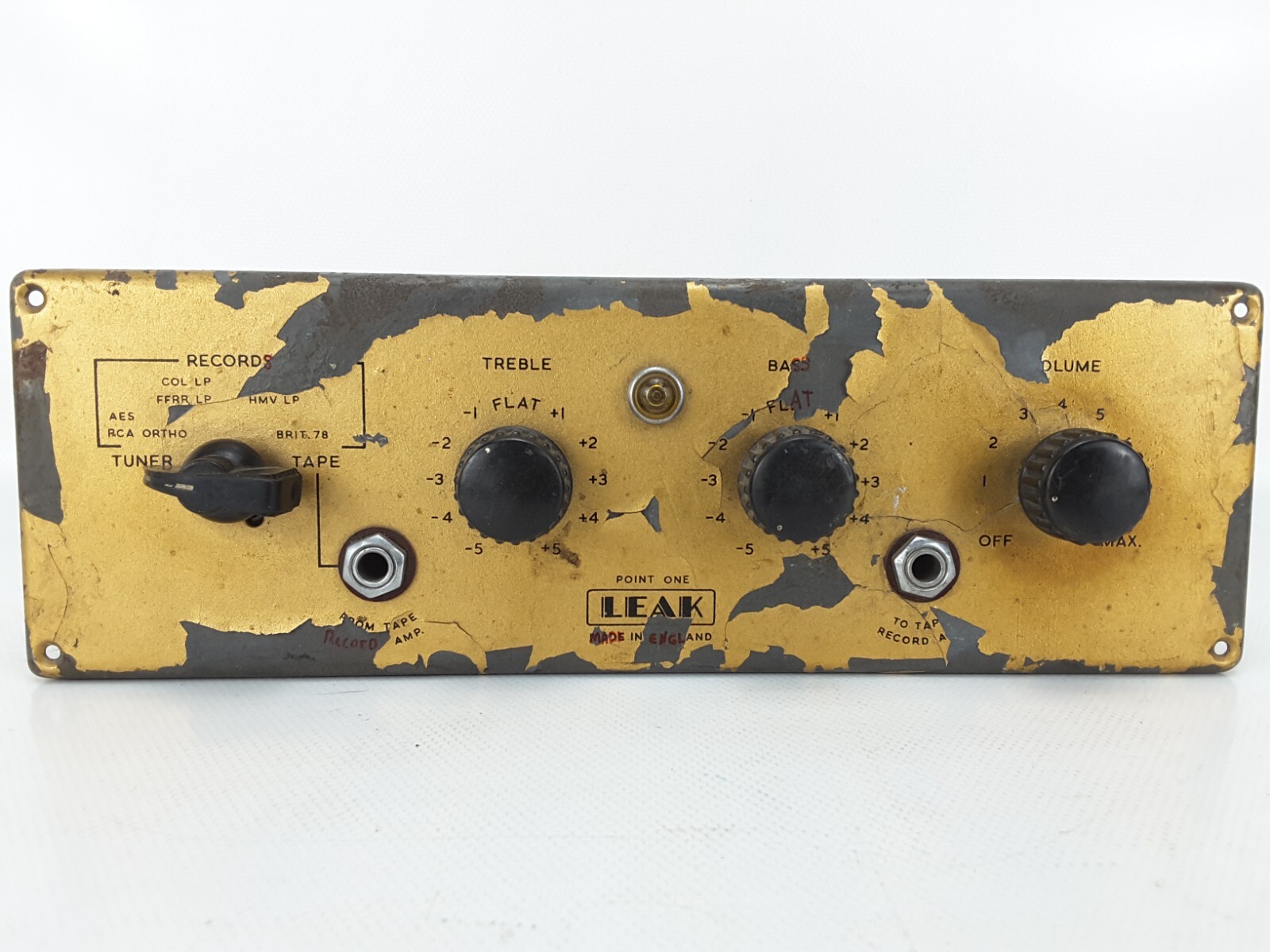
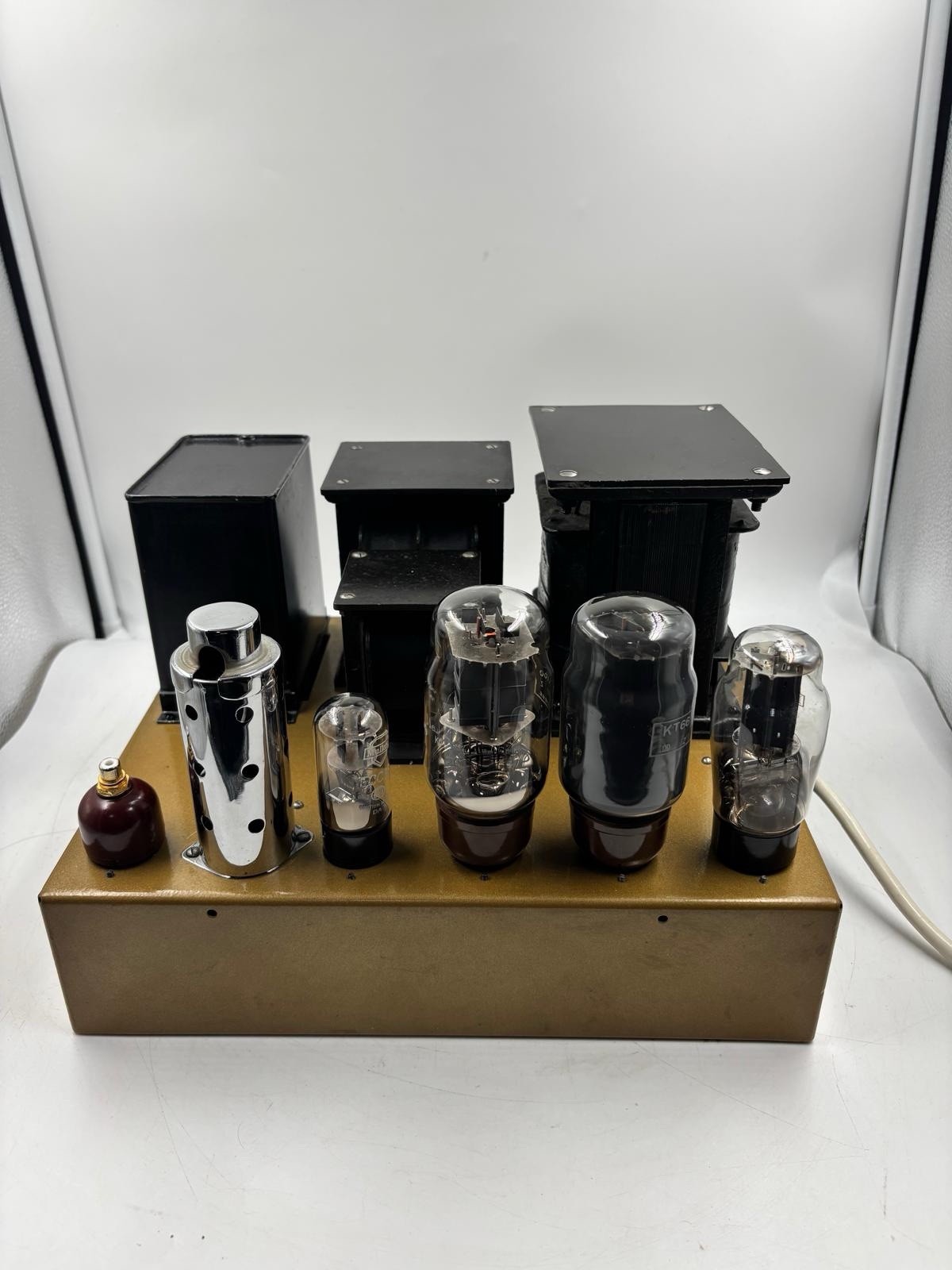
As an eBay Partner, we earn from qualifying purchases. This helps support our independent vintage technology research.
Related Models
- Leak TL/10 (1959)
- Leak 2060 (1958)
- Leak POINT-ONE-PLUS (1972)
- Leak POINT-ONE-STEREO (1957)
- Leak RC/PA (1952)
- Luxman L-530 (1975)
- Luxman R-404 (1975)
- Luxman RV-371 (1975)
- Luxman SQ-38U (1975)
- Luxman T-14 (1972)