Klipsch La Scala II: The Living Legend of High-Efficiency Horn Loudspeakers
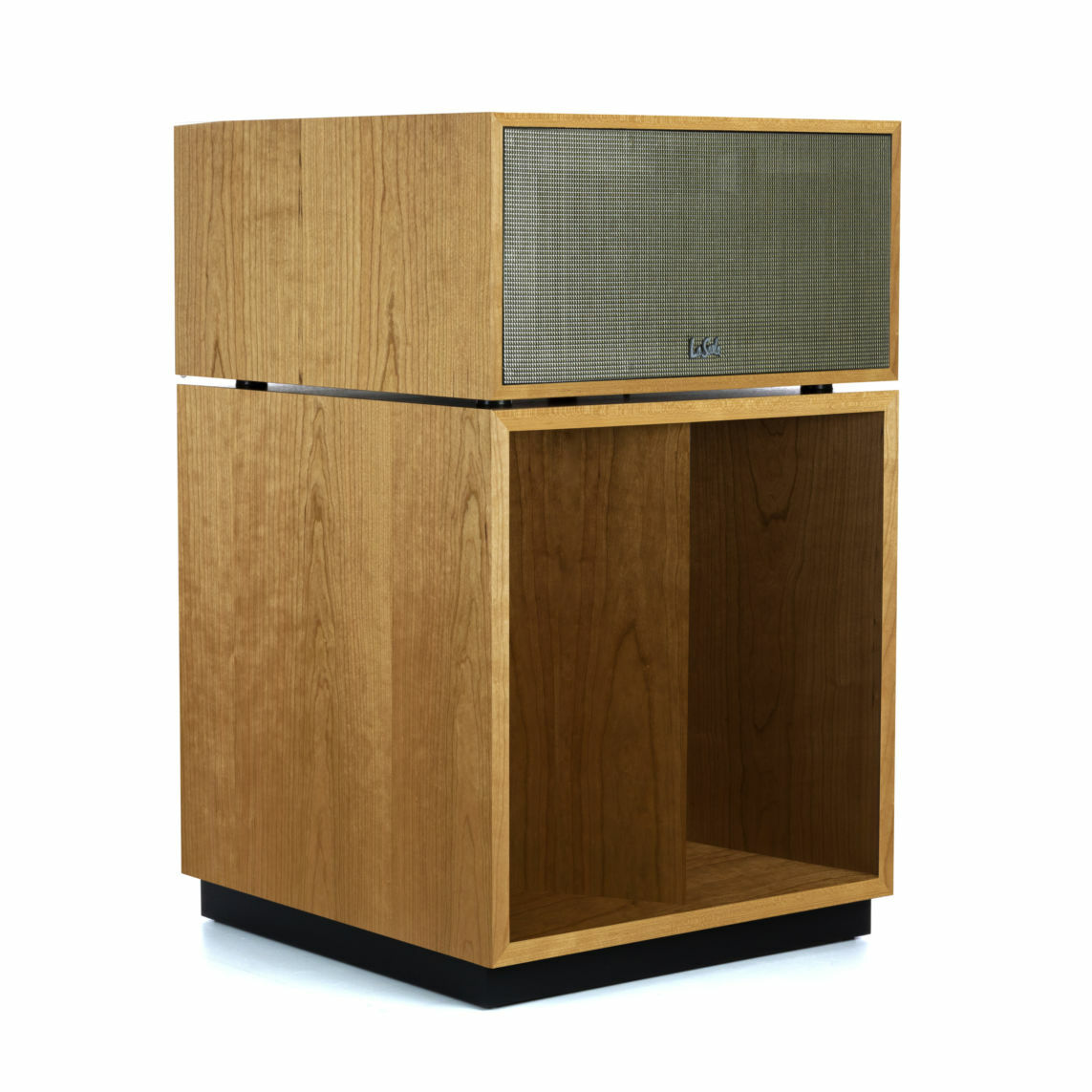
The Klipsch La Scala II is not merely a speaker—it’s a monument in the world of high-fidelity audio. Revered by audiophiles, musicians, and sound engineers alike, the La Scala II represents the pinnacle of Paul W. Klipsch’s lifelong pursuit of efficient, dynamic, and lifelike sound reproduction. Introduced in 1982 as an evolution of the original La Scala (released in 1959), the La Scala II embodies the golden era of American high-efficiency horn design, combining raw acoustic power with astonishing clarity and presence.
Historical Context and Legacy
Paul W. Klipsch, a visionary engineer and one of the founding fathers of modern loudspeaker design, launched the original Klipschorn in 1946. His philosophy centered on efficiency: using horn-loaded drivers to achieve high output with minimal amplifier power. The La Scala, named after the famed Milan opera house Teatro alla Scala, was introduced in 1959 as a portable (for its time) high-efficiency speaker for professional and home use. It combined a 15-inch woofer, a 12-inch midrange horn, and a 1-inch tweeter horn in a compact bass-reflex cabinet—unusual for the era.
The La Scala II, released in 1982, refined this formula. It featured updated drivers, improved crossover components, and a more robust cabinet construction while retaining the original’s sonic DNA. Unlike many vintage speakers that faded into obscurity, the La Scala II remained in production in various forms for decades. The modern La Scala III, introduced in 2005, pays direct homage to the II, cementing its legacy as one of the most enduring speaker designs in audio history.
Technical Specifications
| Specification | Detail |
| Model | Klipsch La Scala II |
| Type | 3-way, floor-standing, horn-loaded |
| Enclosure | Bass reflex with dual rear ports |
| Drivers | 15" woofer, 12" titanium midrange horn, 1" tweeter horn |
| Crossover Frequency | 1.4 kHz (midrange to tweeter), 500 Hz (woofer to midrange) |
| Sensitivity | 105 dB (1W/1m) |
| Impedance | 8 ohms nominal (compatible with most tube and solid-state amps) |
| Frequency Response | 52 Hz – 20 kHz |
| Recommended Power | 25 – 200 watts |
| Dimensions (H x W x D) | 40" x 15" x 17" (101.6 x 38.1 x 43.2 cm) |
| Weight | 110 lbs (49.9 kg) per speaker |
| Finish Options | Blond maple, dark walnut, black ash |
Sound Quality Characteristics
The La Scala II’s 105 dB sensitivity is nothing short of extraordinary. This means even low-powered amplifiers—such as vintage tube amps in the 10–30 watt range—can drive them to concert-hall volume levels with ease. The result is a speaker that feels alive, with explosive dynamics, razor-sharp transients, and an almost holographic soundstage.
The Tractrix horn-loaded tweeter delivers crisp, detailed highs without harshness, thanks to its controlled dispersion and smooth roll-off. The 12-inch titanium midrange driver, housed in the distinctive “Manta Ray” horn, is the heart of the La Scala II’s magic. It produces midrange clarity that is often described as “you are there” realism—vocals, in particular, are rendered with uncanny presence and texture.
The 15-inch K-33 fiber cone woofer provides deep, articulate bass that, while not subsonic, integrates seamlessly with the midrange. The bass reflex design enhances low-end output, allowing the La Scala II to deliver surprising authority in medium to large rooms. However, due to the horn design’s emphasis on efficiency and speed, the bass is tight and fast rather than boomy—ideal for jazz, rock, and acoustic recordings.
Critically, the La Scala II excels in reproducing live recordings. Its ability to convey the scale, energy, and spatial cues of a performance makes it a favorite among those who value realism over euphonic coloration.
Notable Features and Innovations
- Horn-Loaded Design: The use of horns for midrange and high frequencies maximizes efficiency and minimizes distortion.
- Manta Ray Horn: A patented Klipsch design that improves midrange dispersion and reduces diffraction.
- Tractrix Horn Tweeter: Provides time-aligned wavefronts and smooth high-frequency response.
- Dual Rear Ports: Enhance bass response and reduce port noise.
- Point Source Array: The drivers are vertically aligned and time-coherent, creating a focused and stable stereo image.
Market Value and Collectibility
The Klipsch La Scala II is highly collectible, especially in good condition with original grilles and finish. As of 2024, used pairs typically sell for $2,500 to $4,500, depending on condition, finish, and provenance. Blond maple models are particularly sought after for their vintage aesthetic.
Collectibility is driven by several factors:
- Historical Significance: As a direct descendant of Klipsch’s original designs.
- Durability: Built with high-quality materials and overbuilt cabinets.
- Compatibility with Tube Amps: A favorite among tube enthusiasts.
- Cultural Status: Used in recording studios, by artists like Neil Young, and featured in countless audiophile reviews.
Well-maintained pairs with original drivers command premium prices. Refurbished units with reconed woofers and updated crossovers are also desirable, especially if done by reputable technicians.
Common Issues and Maintenance
Despite their rugged build, La Scala IIs require periodic maintenance:
- Woofer Surrounds: The original foam surrounds on the 15-inch K-33 woofer degrade over time (typically after 30+ years). Re-coning or surround replacement is common and recommended.
- Crossover Components: Capacitors and inductors may drift in value or fail. Upgrading to modern, high-quality parts can improve reliability and sound.
- Grilles and Finish: Original fabric grilles may be torn or faded. Replacement kits are available. Wood finishes may need refinishing if scratched or dull.
- Tweeter Diaphragms: Rarely fail, but the titanium midrange diaphragm should be inspected for tears or warping.
Regular cleaning and placement away from humidity and direct sunlight will extend their lifespan. Due to their high efficiency, they should be paired with clean, well-maintained amplifiers to avoid damage from clipping.
Comparison to Similar Models
| Model | Sensitivity | Design | Bass Extension | Notes |
| Klipsch La Scala II | 105 dB | 3-way horn | 52 Hz | Benchmark for live sound realism |
| JBL L100 Classic | 91 dB | 3-way, non-horn | 45 Hz | Warmer, more colored sound; less efficient |
| Altec 604E | 100 dB | 2-way coaxial horn | 60 Hz | Studio standard; slightly less bass |
| Klipschorn AK-6 | 105 dB | 3-way folded horn | 35 Hz | More bass and room integration; larger |
| Tannoy Westminster | 96 dB | Dual concentric | 40 Hz | Smooth, coherent midrange; lower sensitivity |
While the JBL L100 offers a more forgiving, “vintage” tone, the La Scala II is faster, more dynamic, and better suited to high-resolution source material. Compared to the Altec 604, the La Scala II has superior bass and a more modern crossover. Against the modern Klipschorn, the La Scala II is more compact and easier to place, though it sacrifices some deep bass.
Final Thoughts
The Klipsch La Scala II is more than a speaker—it’s a statement. A declaration that efficiency, dynamics, and realism can coexist in a single design. For those who crave the thrill of live music in their living room, who appreciate the craftsmanship of American audio engineering, or who simply want to hear their favorite records with breathtaking clarity, the La Scala II remains a top-tier choice.
Whether you're a collector, a tube amp enthusiast, or a music lover seeking an emotional connection to your recordings, the La Scala II delivers. It’s not just vintage—it’s timeless.
eBay Listings


As an eBay Partner, we earn from qualifying purchases. This helps support our independent vintage technology research.
Related Models
- Klipsch Forte III
- Klipsch KLF-20
- Klipsch KG-2 (1990-1995)
- Klipsch Belle (1985)
- Klipsch Cornwall (1959) (1959)
- Akai AM-2850 (1975)
- Akai AP-206 (1975)
- Nakamichi BX-1 (1985)
- Acoustic Research research-ar-17 (1978)
- Acoustic Research AR-19 (1994)