Klipsch KG-5: The High-Efficiency Legend of American Hi-Fi
The Klipsch KG-5 stands as a towering figure—both literally and figuratively—in the pantheon of vintage loudspeakers. Introduced in 1982 and produced until 1988, the KG-5 was part of Klipsch’s esteemed "Klipschorn Generation" (KG) series, a line designed to honor the legacy of company founder Paul W. Klipsch while delivering modernized, high-efficiency performance. As a floor-standing, three-way, bass-reflex loudspeaker, the KG-5 was engineered for audiophiles who demanded dynamic range, clarity, and the signature "Klipsch punch" that defined American high-fidelity during the golden era of analog audio.
Historical Context: A Legacy in Wood and Horn
Paul W. Klipsch, an audio visionary and engineer, founded Klipsch & Associates in 1946. His revolutionary Klipschorn (launched in 1946) was one of the first high-efficiency corner-horn speakers, capable of delivering lifelike sound with minimal amplifier power. Decades later, in the early 1980s, Klipsch sought to bring that same philosophy into a more conventional floor-standing format. The KG series—comprising the KG-3, KG-4, and flagship KG-5—was the result.
The KG-5 was positioned as the largest and most powerful speaker in the KG lineup. Unlike the legendary Klipschorn, which required placement in a room corner to function as a fourth-order horn, the KG-5 was designed for free-space placement, making it more practical for modern living rooms while retaining the brand’s hallmark horn-loaded efficiency. The "KG" in the name pays homage to Klipsch’s legacy, with "5" indicating its status as the top-tier model.
Built in Hope, Arkansas—the company’s long-time home—the KG-5 featured hand-crafted American walnut veneer cabinets, solid construction, and meticulous attention to detail. These speakers were not just audio components; they were furniture-grade statements of audiophile pride.
Technical Specifications
| Specification | Detail |
| Type | 3-way, bass-reflex, floor-standing |
| Drivers | 12" woofer, 4" midrange, 1.75" titanium compression driver |
| Horn Design | Tractrix horn (90° x 90°) |
| Sensitivity | 98 dB (1W/1m) |
| Nominal Impedance | 8 ohms (compatible with tube and solid-state amps) |
| Frequency Response | 45 Hz – 20 kHz (±3 dB) |
| Crossover Frequencies | 500 Hz (woofer/midrange), 1.4 kHz (midrange/tweeter) |
| Recommended Amp Power | 20–200 watts |
| Enclosure Material | MDF with real walnut veneer |
| Dimensions (H×W×D) | 32" × 14.5" × 15.5" (81.3 × 36.8 × 39.4 cm) |
| Weight | 65 lbs (29.5 kg) per speaker |
| Finish | American walnut veneer |
Sound Quality: Power, Clarity, and Dynamic Impact
The KG-5’s 98 dB sensitivity is its defining sonic trait. This high efficiency means the speakers can produce high volume levels with remarkably little amplifier power—making them ideal for use with low-wattage tube amplifiers, a favorite among vintage audio enthusiasts. Even a 20-watt tube amp can drive the KG-5 to concert-like levels in a medium-sized room.
The Tractrix horn-loaded tweeter delivers crisp, detailed highs with exceptional dispersion and low distortion. The horn design ensures that high frequencies are projected with authority, preserving transients and micro-dynamics in a way that many modern dome tweeters struggle to match. The titanium diaphragm adds brightness and speed, though some listeners may find the top end slightly aggressive if not properly room-mated.
The 12-inch woofer provides deep, controlled bass down to 45 Hz, supported by a front-firing bass reflex port. While not as deep as modern subwoofers, the KG-5’s bass is tight and punchy, with excellent integration into the midrange. The 4-inch midrange driver, housed in its own sealed chamber, delivers natural vocal reproduction and instrumental timbre, avoiding the "cupped hands" coloration sometimes associated with horn-loaded designs.
Overall, the KG-5 presents a forward, dynamic sound signature—ideal for rock, jazz, and acoustic recordings. It excels in rhythm and pace, making it a favorite for those who value musical engagement over clinical neutrality.
Notable Features and Innovations
- Tractrix Horn Technology: A Klipsch hallmark, the Tractrix horn minimizes internal reflections and improves high-frequency clarity. The 90° x 90° dispersion pattern ensures wide and even sound coverage.
- High Efficiency: At 98 dB, the KG-5 can be driven by low-power amplifiers, including vintage tube gear like McIntosh, Marantz, and Fisher.
- Modular Driver Design: The compression driver and midrange are mounted on removable plates, simplifying servicing and upgrades.
- Handcrafted Cabinet: Built with thick MDF and real wood veneer, the cabinet is both acoustically inert and visually striking.
- Dual Binding Posts: Allow for bi-wiring or bi-amping, offering flexibility in system setup.
Common Issues and Maintenance
Despite their robust build, vintage KG-5s require attention after decades of use:
- Tweeter Diaphragm Fatigue: The titanium compression driver can suffer from fatigue or oxidation over time, leading to harshness or distortion. Re-coning or replacement with modern equivalents (e.g., JBL 2405-style drivers) is common.
- Woofer Surround Deterioration: The foam surrounds on the 12" woofer often degrade after 30+ years, causing flapping or loss of bass. Foam replacement kits are available from specialty restoration shops.
- Crossover Component Aging: Capacitors and inductors in the passive crossover can drift in value, affecting tonal balance. Upgrading to modern audiophile-grade components can restore performance.
- Finish Wear: The walnut veneer may show scratches or fading. Gentle cleaning with wood polish and avoidance of direct sunlight help preserve appearance.
Regular inspection and preventive maintenance—especially of the foam and crossover—can extend the life of a KG-5 indefinitely.
Market Value and Collectibility
Today, the Klipsch KG-5 is a sought-after vintage speaker, particularly among tube amp enthusiasts and collectors of American-made hi-fi. Well-maintained pairs in good cosmetic and working condition typically sell for $800 to $1,500 on the secondary market (as of 2024), depending on condition, provenance, and location.
Fully restored models—especially those with upgraded drivers or modern crossovers—can command higher prices. Original, unmodified pairs with paperwork and original packaging are rare and highly collectible.
While not as legendary as the Klipschorn, the KG-5 holds a special place as a bridge between vintage horn efficiency and modern speaker design. Its combination of power, craftsmanship, and sonic excitement ensures enduring appeal.
Comparison to Similar Models
| Model | Sensitivity | Bass Extension | Horn-Loaded? | Notes |
| Klipschorn (KH/K-400) | 105 dB | 31 Hz | Yes (corner-horn) | More efficient, deeper bass, but requires corner placement |
| JBL L100 Classic | 91 dB | 45 Hz | No | Warmer, smoother sound; less dynamic than KG-5 |
| AR-7 | 86 dB | 48 Hz | No | Detailed but less efficient; needs powerful amp |
| Altec 604E | 99 dB | 50 Hz | Yes | Studio monitor sound; more neutral, less bass |
The KG-5 stands out for its rare combination of high efficiency, strong bass, and horn-loaded clarity—offering a compelling alternative to both vintage studio monitors and modern high-end speakers.
Final Thoughts
The Klipsch KG-5 is more than a speaker—it’s a statement. Born in the early 1980s, it carries forward Paul Klipsch’s lifelong mission: to deliver the thrill of live music with maximum efficiency and minimal distortion. With its commanding presence, horn-driven dynamics, and handcrafted build, the KG-5 remains a crown jewel of vintage American audio.
For the collector, restorer, or audiophile seeking a speaker that can roar with rock, whisper with vocals, and sing with jazz, the KG-5 delivers an experience few vintage speakers can match. If you find a well-preserved pair, consider it not just a purchase—but a reunion with hi-fi history.
eBay Listings
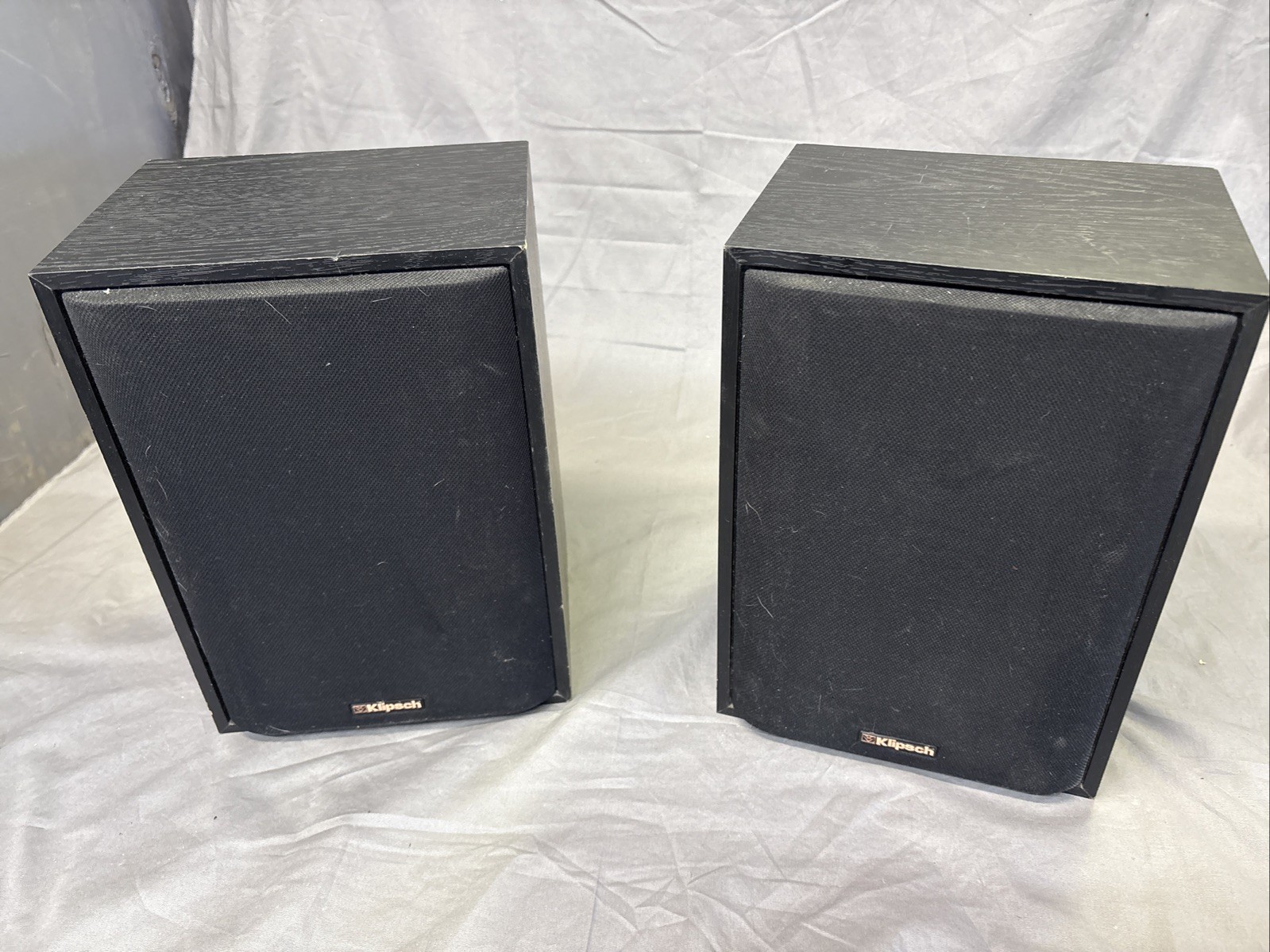

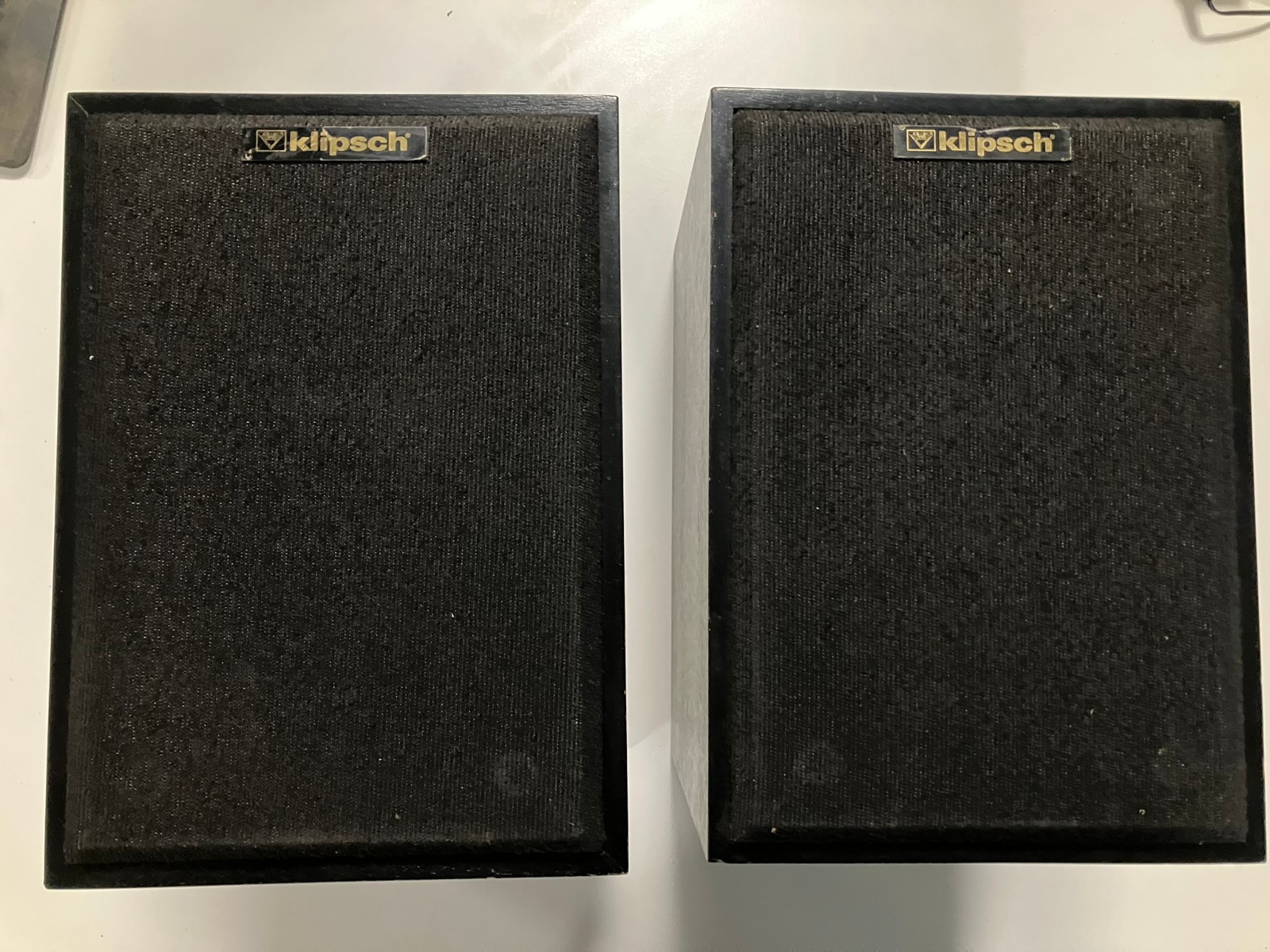

As an eBay Partner, we earn from qualifying purchases. This helps support our independent vintage technology research.
Related Models
- Klipsch Forte III
- Klipsch KLF-20
- Klipsch KG-2 (1990-1995)
- Klipsch Belle (1985)
- Klipsch Cornwall (1959) (1959)
- Akai AM-2850 (1975)
- Akai AP-206 (1975)
- Nakamichi BX-1 (1985)
- Acoustic Research research-ar-17 (1978)
- Acoustic Research AR-19 (1994)