Klipsch KG-3: The Flagship of American High-Efficiency Heritage
The Klipsch KG-3 stands as a towering achievement in the evolution of American high-efficiency loudspeaker design, representing the pinnacle of Paul W. Klipsch’s lifelong pursuit of dynamic, lifelike sound reproduction. Introduced in 1983 and produced until 1991, the KG-3 was the flagship floor-standing speaker in Klipsch’s legendary KG (Klipschorn Grand) series, a lineage that paid homage to the company’s groundbreaking corner-horn heritage while embracing modern materials and engineering. Revered for its explosive dynamics, clarity, and effortless volume handling, the KG-3 remains a sought-after classic among vintage audio enthusiasts and horn speaker aficionados.
Historical Context and Design Philosophy
The KG-3 was developed during a transitional period in high-fidelity audio. While many manufacturers were moving toward sealed-box or ported direct-radiator designs, Klipsch remained steadfast in its commitment to horn-loaded technology—a philosophy rooted in the company’s 1946 Klipschorn (LaK), one of the first high-efficiency speakers capable of full-range reproduction in domestic settings. The KG series, launched in the early 1980s, aimed to bring horn-loaded performance to freestanding floor-standing formats suitable for modern living rooms.
Named in honor of Paul W. Klipsch ("Killer" among friends, hence "KG"), the KG-3 was the largest and most advanced of the series, positioned above the KG-2 and KG-4. It combined Klipsch’s signature horn-loaded highs and mids with powerful, reflex-loaded bass, delivering a rare blend of efficiency, bandwidth, and output capability. The speaker was hand-built in Hope, Arkansas, using premium materials and meticulous craftsmanship, reflecting Klipsch’s reputation for durability and sonic excellence.
Technical Specifications
| Feature | Specification |
| Type | 3-way, floor-standing, bass-reflex |
| Sensitivity | 98 dB (1W/1m) |
| Nominal Impedance | 8 ohms |
| Frequency Response | 45 Hz – 20 kHz |
| Crossover Frequencies | 500 Hz (woofer/midrange), 3.5 kHz (midrange/tweeter) |
| Tweeter | 1" titanium diaphragm compression driver, Tractrix horn (90° x 90°) |
| Midrange | 5.25" fiberglass cone, hybrid horn-loaded (front and rear chambers) |
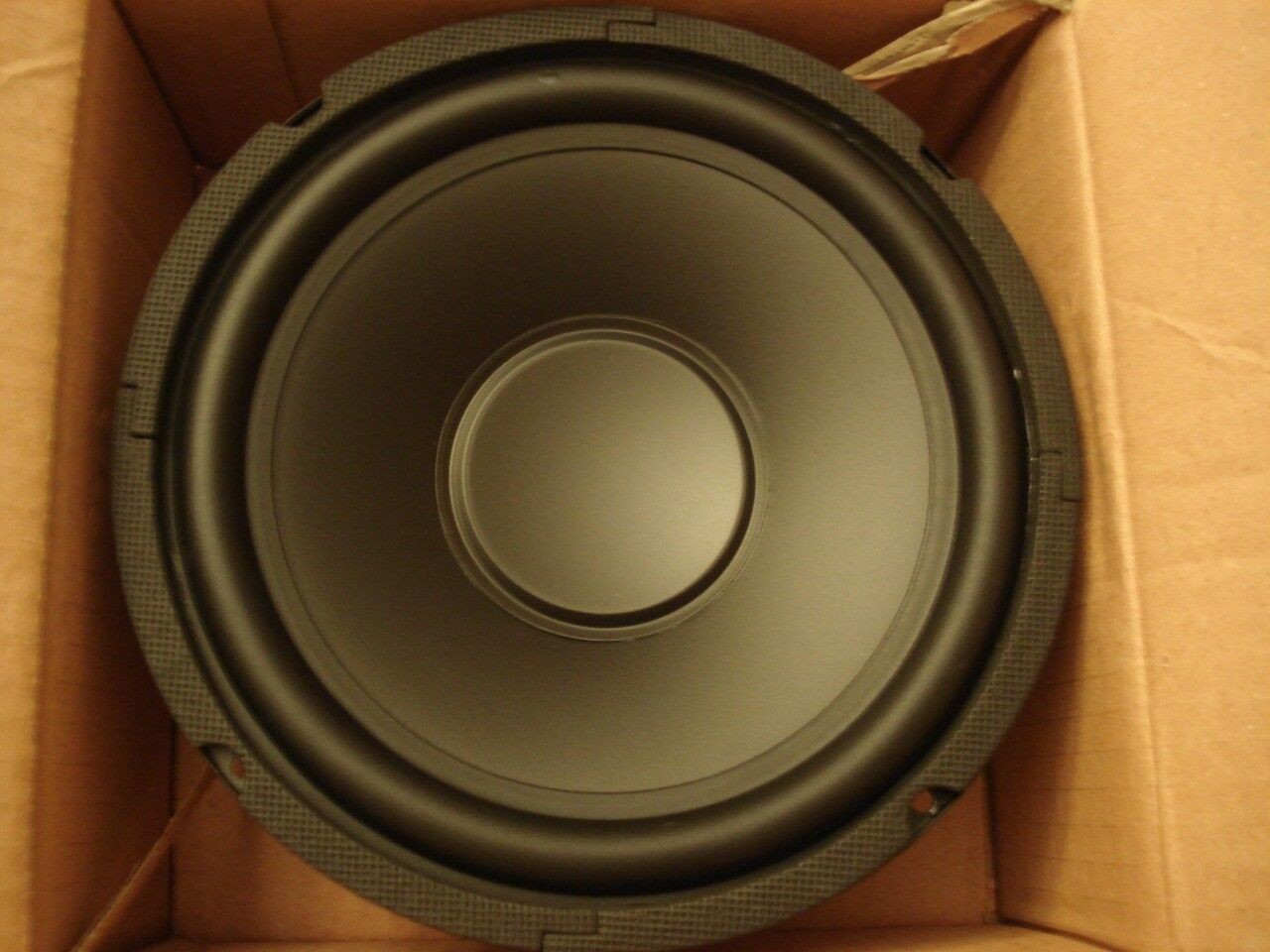
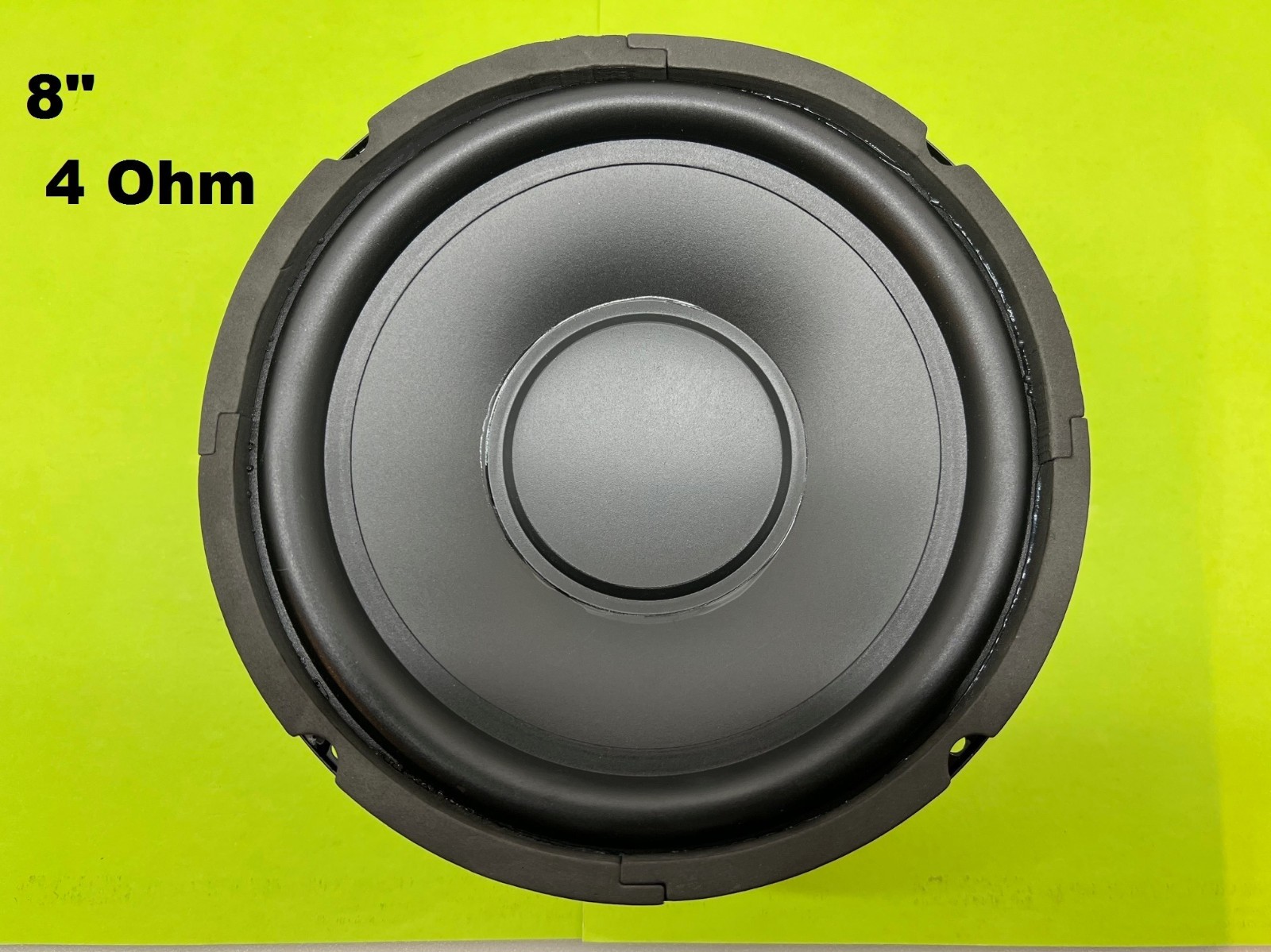
| Woofers | Dual 8" spun-copper cone, long-throw, vented pole pieces |
| Enclosure | Dual rear-firing bass reflex ports |
| Crossover | Passive, 12 dB/octave (electrostatic-grade capacitors, air-core inductors) |
| Dimensions (H x W x D) | 44" x 13" x 18" (111.8 x 33 x 45.7 cm) |
| Weight | 75 lbs (34 kg) per speaker |
| Finish Options | Walnut, rosewood, or black ash real wood veneer |
Sound Quality Characteristics
The KG-3’s 98 dB sensitivity is its defining trait—this speaker plays loud with minimal power, making it ideal for use with low-wattage tube amplifiers (e.g., 15–30W) as well as high-powered solid-state gear. Its horn-loaded titanium tweeter delivers exceptional clarity and detail, with a fast transient response and extended highs that remain smooth and non-fatiguing. The Tractrix horn design minimizes reflections and improves time alignment, contributing to a precise, three-dimensional soundstage.
The 5.25" midrange driver, housed in a unique hybrid horn enclosure, produces rich, articulate vocals and instrumental textures. Unlike conventional midranges, it benefits from both front and rear horn loading, enhancing efficiency and reducing distortion. This results in a midband that is dynamic, transparent, and remarkably present—ideal for jazz, classical, and vocal recordings.
Bass performance is handled by dual 8" spun-copper woofers in a tuned bass-reflex cabinet. While not extending as deep as modern subwoofers, the KG-3 reaches down to 45 Hz with authority and speed. The bass is tight, punchy, and well-integrated, avoiding the bloat sometimes associated with large ported cabinets. When properly placed and room-matched, the KG-3 delivers a full-range experience that belies its era.
Overall, the KG-3 presents a lively, engaging sound signature—forward in the midrange, detailed in the highs, and rhythmically precise. It excels with acoustic music, rock, and live recordings, where its dynamic contrast and spatial realism shine.
Notable Features and Innovations
- Tractrix Horn Tweeter: One of the earliest uses of the Tractrix profile in a production speaker, later refined in modern Klipsch models. This horn shape provides smoother high-frequency dispersion and reduced diffraction.
- Hybrid Midrange Loading: A rare design where the midrange driver is horn-loaded from both front and rear, improving efficiency and reducing cabinet resonance.
- Spun-Copper Woofers: Lightweight yet rigid cones offering excellent transient response and reduced breakup.
- Point-to-Point Wiring and High-Grade Crossover: Internal wiring is hand-soldered with oxygen-free copper; crossover components include polypropylene capacitors and air-core inductors, minimizing signal loss.
- Real Wood Veneer Cabinets: Each pair was hand-finished in walnut, rosewood, or black ash, with real wood baffles and extensive bracing for rigidity.
Market Value and Collectibility
Today, the Klipsch KG-3 is a highly collectible vintage speaker, especially in good condition with original grilles and finish. As of 2024, working pairs typically sell for $1,200 to $2,500, depending on condition, finish rarity (rosewood is most desirable), and provenance. Fully restored units with reconed woofers or upgraded tweeter diaphragms may command higher prices.
Collectibility is driven by several factors:
- The KG-3 represents the last of Klipsch’s hand-built, American-made flagship designs before the company shifted toward mass production.
- Its high efficiency appeals to the growing tube amplifier and low-power SET (Single-Ended Triode) community.
- Original Tractrix horn technology is now a hallmark of Klipsch’s modern Reference and Heritage lines, increasing interest in the roots of the design.
Common Issues and Maintenance
Despite their robust construction, KG-3s require attention after decades of use:
- Tweeter Diaphragm Fatigue: The original titanium diaphragms can suffer from age-related fatigue or oxidation. Replacement with modern aftermarket titanium or beryllium domes (e.g., from HSS or OEM suppliers) is common.
- Midrange Foam Surrounds: Though more durable than typical foam, the midrange may need refoaming after 30+ years.
- Woofer Re-coning: The 8" woofers are prone to spider degradation and surround delamination. Re-coning services from specialists like The Speaker Exchange or AV Re-cone can restore performance.
- Crossover Component Aging: Capacitors may dry out; replacing them with modern equivalents improves reliability and sound.
- Veneer and Grille Wear: Original grilles often have torn fabric; replacement is available from vintage audio suppliers. Veneer can be refinished professionally.
Regular cleaning, proper placement (away from walls to manage bass response), and use of protective grilles help preserve value.
Comparison to Similar Models
| Model | Sensitivity | Bass Extension | Horn Loading | Notes |
| Klipsch KG-2 | 97 dB | 50 Hz | Tweeter only | Smaller, less bass, less expensive |
| Klipschorn (LaK) | 105 dB | 31 Hz | Full-range | Corner-loaded, larger, more placement-sensitive |
| JBL L100 Classic | 91 dB | 45 Hz | None | Warmer, softer highs, less efficient |
| Altec 604E | 99 dB | 55 Hz | Full-range | Studio monitor, needs external crossover |
| KEF LS3/5A | 85 dB | 75 Hz | None | Detailed but low sensitivity, needs powerful amp |
The KG-3 strikes a rare balance: the efficiency of a horn speaker with the full-range capability of a modern floorstander. While the Klipschorn offers greater sensitivity and bass extension, it demands corner placement. The KG-3, by contrast, offers greater placement flexibility and a more modern aesthetic.
Final Thoughts
The Klipsch KG-3 is more than a vintage speaker—it’s a statement of engineering philosophy. In an era increasingly dominated by digital processing and compact systems, the KG-3 reminds us of the visceral thrill of high-efficiency, dynamic, and transparent analog sound. For those seeking a powerful, engaging, and historically significant speaker that performs superbly with both vintage and modern electronics, the KG-3 remains a compelling and rewarding choice. A true American classic, it continues to command respect on audiophile shelves and listening rooms worldwide.
eBay Listings


As an eBay Partner, we earn from qualifying purchases. This helps support our independent vintage technology research.
Related Models
- Klipsch Forte III
- Klipsch KLF-20
- Klipsch KG-2 (1990-1995)
- Klipsch Belle (1985)
- Klipsch Cornwall (1959) (1959)
- Akai AM-2850 (1975)
- Akai AP-206 (1975)
- Nakamichi BX-1 (1985)
- Acoustic Research research-ar-17 (1978)
- Acoustic Research AR-19 (1994)