Klipsch Belle Klipsch: The Elegant Voice of High-Efficiency Heritage
The Klipsch Belle Klipsch, introduced in 1985 and produced until 1992, stands as a refined chapter in Paul W. Klipsch’s legendary pursuit of high-fidelity sound through horn-loaded efficiency. While not as widely recognized as the iconic Klipschorn or Heresy, the Belle Klipsch was designed to bridge the gap between domestic elegance and audiophile performance—offering the sonic benefits of Klipsch’s horn technology in a more compact, furniture-grade enclosure suitable for living rooms and dedicated listening spaces alike. It represents a transitional moment in Klipsch history, when the company began balancing its engineering-first roots with aesthetic refinement for broader consumer appeal.
Historical Context and Design Philosophy
Born during a period of resurgence for high-efficiency speakers, the Belle Klipsch emerged when audiophiles were rediscovering the dynamic impact and low-power compatibility of horn designs. Paul Klipsch, ever the purist, approved the project as a “compact Klipschorn” concept—though it was not a true corner-horn like its ancestor. Instead, the Belle utilized front-firing Tractrix horn technology, a design Klipsch had been refining since the late 1970s. The goal was clear: deliver the brand’s signature efficiency and dynamic range in a freestanding, visually refined cabinet that wouldn’t dominate a room.
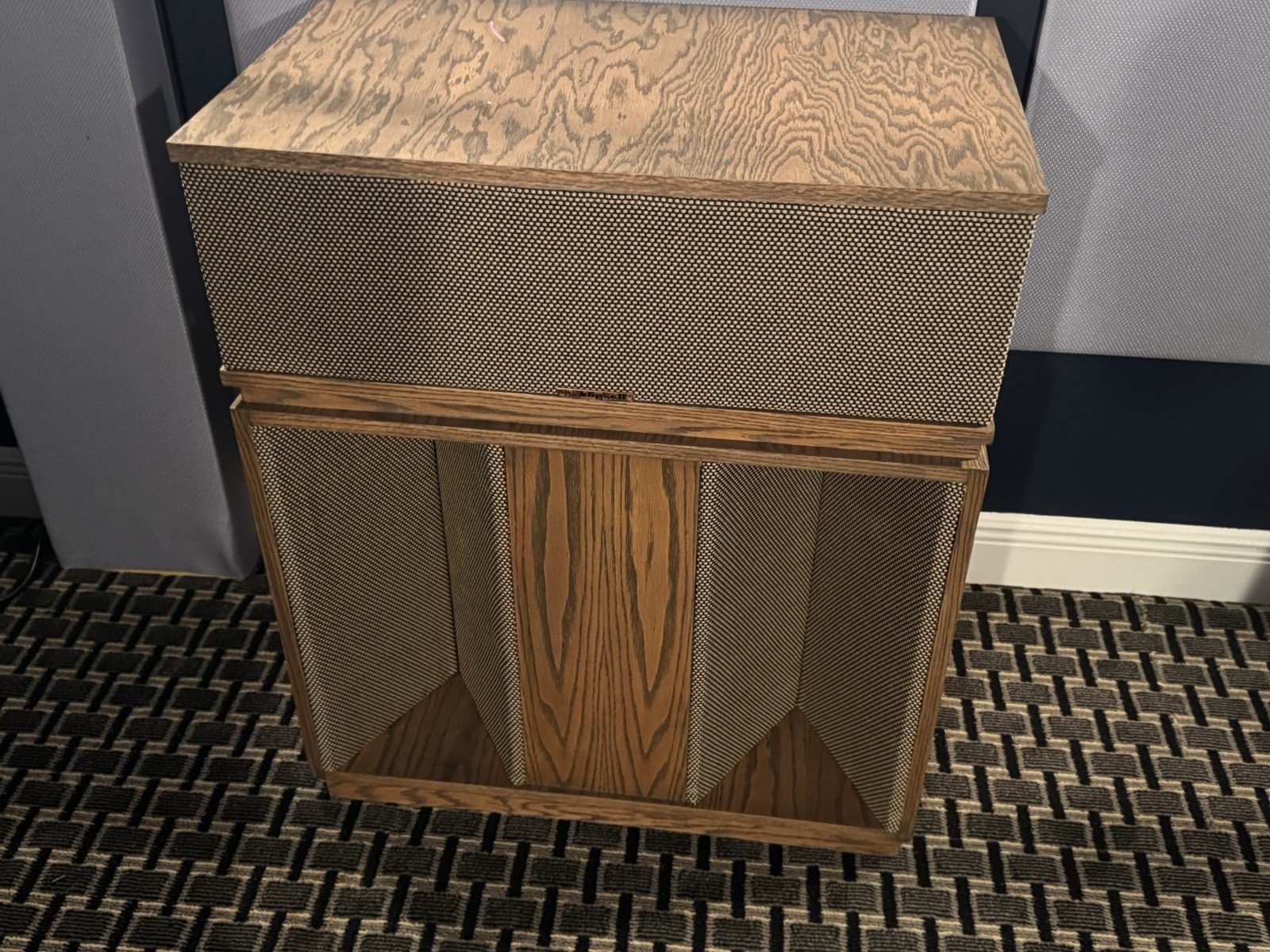
The name “Belle Klipsch” (French for “beautiful Klipsch”) was no accident. It signaled a deliberate move toward aesthetic sophistication. Each speaker was hand-finished in premium wood veneers—American walnut, black ash, or rare rosewood—featuring dovetailed cabinetry and a gently curved baffle. This attention to visual detail was unusual for Klipsch at the time, whose earlier models prioritized function over form. The Belle was marketed as much to interior-conscious buyers as to audio enthusiasts, a strategy that foreshadowed the company’s later lifestyle-oriented lines.
Technical Specifications
| Specification | Detail |
| Type | 2-way, bass-reflex |
| Drivers | 10" woofer, 1" titanium compression driver |
| Horn Design | 90° x 90° Tractrix horn (tweeter) |
| Sensitivity | 98 dB (1W/1m) |
| Nominal Impedance | 8 ohms (compatible with low-power tube amps) |
| Frequency Response | 45 Hz - 20 kHz (±3 dB) |
| Crossover Frequency | 1.4 kHz |
| Crossover Type | 12 dB/octave |
| Enclosure | MDF with real wood veneer, rear port |
| Dimensions (H x W x D) | 24" x 12" x 13.5" |
| Weight | 42 lbs per speaker |
| Recommended Amp Power | 20–200 watts |
| Finish Options | American walnut, black ash, rosewood |
Sound Quality Characteristics
The Belle Klipsch is renowned for its lively, dynamic, and highly transparent sound signature—hallmarks of Klipsch’s horn philosophy. With a sensitivity of 98 dB, these speakers come alive even with modest amplification, making them ideal partners for vintage tube amplifiers like the McIntosh MC240 or Marantz 2270. The 10-inch IMG (injection-molded graphite) woofer with copper cap and Kevlar reinforcement delivers tight, articulate bass with surprising extension for a cabinet of its size.
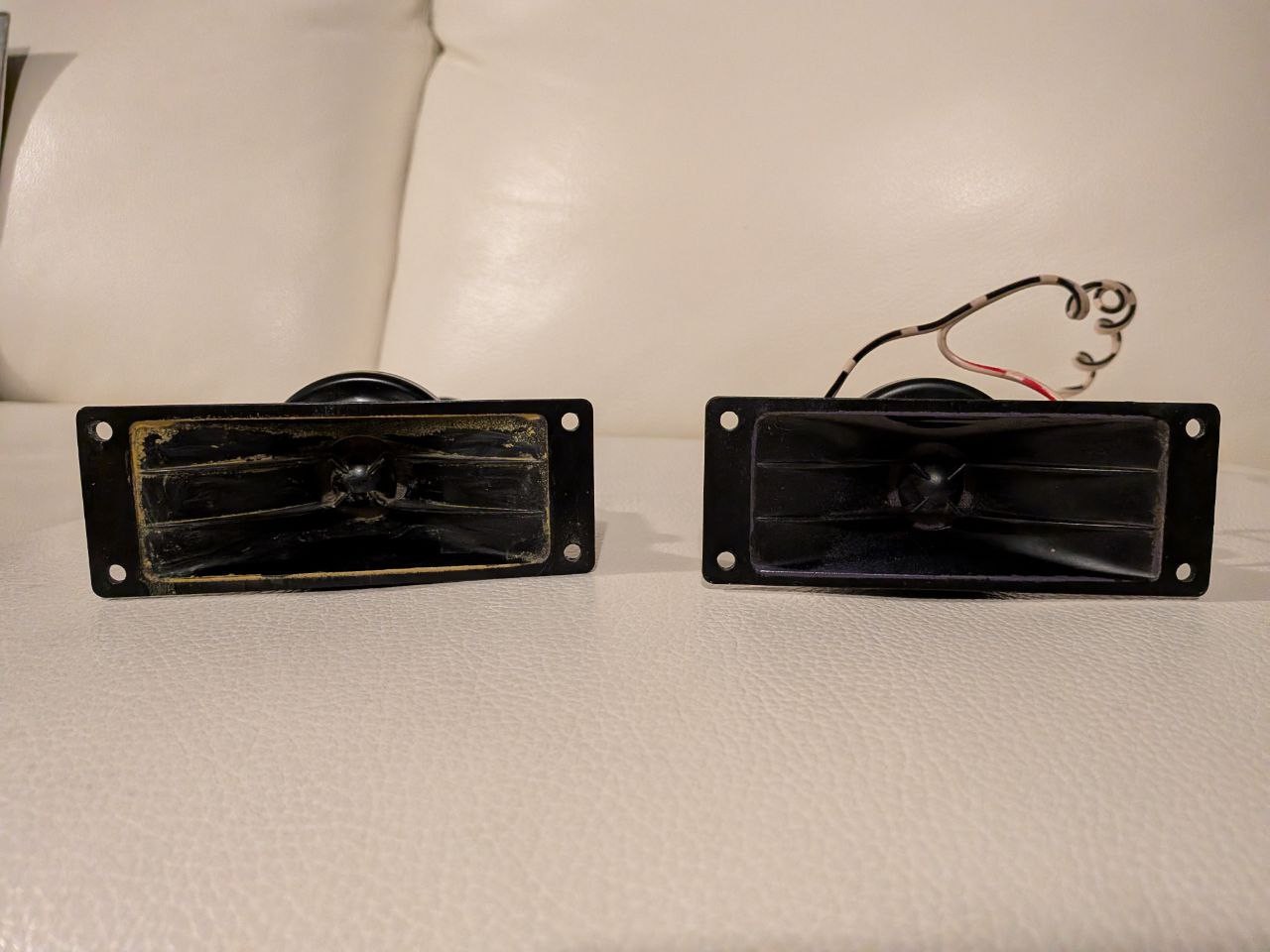
The star of the show is the 1-inch titanium diaphragm compression driver mated to a square Tractrix horn. This design provides exceptional clarity and detail in the midrange and treble, with a fast transient response that brings vocals and acoustic instruments to life. The horn loading ensures low distortion and high output capability—perfect for dynamic classical passages or punchy jazz recordings.
However, the sound is not without character. Like all horn speakers, the Belle Klipsch has a forward midrange presence, which some describe as “in your room” rather than “on a stage.” This can be thrilling for solo vocals and small ensemble recordings but may require careful room placement to avoid brightness. The rear-firing port demands space from the wall—typically 12 to 18 inches—to prevent bass bloat and ensure proper loading.
Notable Features and Innovations
- Tractrix Horn Technology: One of the earliest consumer speakers to feature Klipsch’s proprietary Tractrix horn, which minimizes reflections and improves high-frequency dispersion.
- High Efficiency: At 98 dB, the Belle Klipsch can achieve concert-level volumes with just a few watts, a rarity in non-horn speakers.
- Premium Cabinet Construction: Unlike many Klipsch models of the era, the Belle used real wood veneers and furniture-grade craftsmanship, elevating its visual appeal.
- Kevlar-Reinforced Woofer: A nod to durability and linearity, helping control cone breakup and improve transient response.
Market Value and Collectibility
Today, the Klipsch Belle Klipsch is a sought-after vintage speaker, particularly among tube amplifier enthusiasts and fans of high-efficiency designs. Units in excellent condition with original grilles and rare finishes (especially rosewood) command premium prices. As of 2024, working pairs typically sell for $800–$1,500, with exceptional examples reaching $1,800 or more at auction.
Collectibility is moderate to high. While not as iconic as the Klipschorn, the Belle Klipsch is appreciated for its blend of performance, beauty, and historical significance. Its limited production run (approximately 7 years) and hand-built nature add to its appeal. Original documentation, manuals, or factory packaging can significantly increase value.
Common Issues and Maintenance
- Tweeter Diaphragm Fatigue: The titanium diaphragm in the compression driver can degrade over decades, leading to a “crackling” sound at high volumes. Re-coning or replacement with a modern equivalent (e.g., from Parts Express) is possible.
- Port Blockage: The rear-firing port is prone to dust and pet hair accumulation. Regular vacuuming with a brush attachment is recommended.
- Grille Fabric Deterioration: Original cloth grilles often fade or tear. Replacement kits are available from specialty vendors like The Speaker Exchange.
- Binding Post Corrosion: The original five-way binding posts can oxidize. Cleaning with contact cleaner or upgrading to modern posts improves connectivity.
- Crossover Capacitors: Electrolytic capacitors in the crossover may dry out over time. A recapping by a qualified technician can restore clarity and balance.
Comparison to Similar Models
| Model | Sensitivity | Woofer | Horn? | Notes |
| Klipsch Heresy III | 96 dB | 12" | Yes | Louder bass, more aggressive sound; less refined cabinet |
| Klipsch Cornwall | 101 dB | 15" | Yes | Larger, deeper bass; more expensive and rare |
| JBL L100 Classic | 91 dB | 12" | No | Warmer, smoother sound; lower efficiency |
| AR-3a | 86 dB | 12" | No | Detailed but less dynamic; needs powerful amp |
The Belle Klipsch strikes a unique balance: more refined than the Heresy, more compact than the Cornwall, and more dynamic than vintage cone speakers like the AR or JBL classics. It’s a “best of both worlds” speaker for those who want horn efficiency without the imposing size or extreme directivity of full-range horns.
Final Thoughts
The Klipsch Belle Klipsch is more than just a vintage speaker—it’s a statement of audio philosophy. It embodies Paul Klipsch’s belief that efficiency, dynamics, and clarity should never be sacrificed for aesthetics. Yet, in this model, beauty was not ignored. For collectors and listeners alike, the Belle Klipsch offers a rare fusion: a high-performance horn speaker dressed in the elegance of fine furniture. Whether driven by a 10-watt SET tube amp or a robust solid-state receiver, it continues to deliver a thrilling, lifelike sound that few speakers of any era can match. If you find a well-maintained pair, consider it not just an audio upgrade—but a piece of American hi-fi history.
eBay Listings


As an eBay Partner, we earn from qualifying purchases. This helps support our independent vintage technology research.
Related Models
- Klipsch Forte III
- Klipsch KLF-20
- Klipsch KG-2 (1990-1995)
- Klipsch Cornwall (1959) (1959)
- Klipsch Cornwall II (1984)
- Akai AM-2850 (1975)
- Akai AP-206 (1975)
- Nakamichi BX-1 (1985)
- Acoustic Research research-ar-17 (1978)
- Acoustic Research AR-19 (1994)