Kenwood KA 300B (1970-1971)
Kenwood KA 300B (1971-1973)
Specifications
| Year of Production | 1971-1973 |
| Power Output | 20W per channel into 8Ω (both channels driven) |
| Total Harmonic Distortion | 0.5% |
| Frequency Response | 20Hz - 30kHz |
| Input Sensitivity (Phono MM) | 2.5mV |
| Input Sensitivity (Aux/Tape) | 150mV |
| Speaker Impedance | 4-16Ω |
| Semiconductors | 18 transistors, 11 diodes |
| Key Features | Solid-state design, dual power supply, front panel headphone jack, tape monitor, tone controls (bass/treble), loudness switch, speaker selector |
Historical Significance
This little guy is a time capsule from the great transistor takeover. The KA 300B was part of Kenwood's push to prove solid-state could be serious hi-fi, not just a cheap alternative to tubes. It arrived right in the thick of it (1971-1973), offering a taste of that modern, reliable transistor tech without completely emptying your wallet. It's not the flashiest model, but it represents a crucial moment when brands like Kenwood were convincing a generation of listeners to make the switch. Think of it as the reliable, slightly nerdy friend in a lineup that also included the flashier KA-3500 and KA-4500. It was the bedrock, the starter amp for countless first-time hi-fi buyers. Honestly, finding one today feels like shaking hands with a very earnest, very competent engineer from 1972.
Sound Signature
Let's be real: you're not buying this for earth-shaking power. What you get is a surprisingly clean, honest, and detailed sound for its class. The 20 watts per channel is modest, so it pairs best with efficient bookshelf speakers—it makes those sing with a neutral, uncolored character that's frankly a relief after some of the muddy, bass-heavy receivers of the era. The phono stage is decent for a budget amp, pulling good detail from your records without adding grit. The loudness switch is a godsend for late-night listening at low volumes. It won't blow your hair back, but it will make you appreciate a well-recorded track. It’s the sound of competence, not fireworks. Plug in a pair of vintage Advents or KLHs and prepare for a wonderfully unfussy, engaging listen that gets out of the music's way.
Maintenance and Restoration Tips
If you find one today, it's almost certainly sleepy. The electrolytic capacitors are past their prime and should be replaced to restore clarity and stability—this is job one. The pots and switches will crackle like a campfire; a good cleaning with DeoxIT works wonders. While generally robust, the output transistors (2SD315/2SB515 pairs) can fail if the amp was abused, but they're not impossible to find. Always, and I mean always, check for DC offset at the speaker terminals before hooking up your prized speakers—a quick multimeter check saves heartache. It's a straightforward, logically laid-out amp to work on, making it a fantastic first restoration project for any budding enthusiast. You’ll learn a ton and end up with a killer little amp. Just don't be surprised if you fall for its simple, honest charm along the way.
Collectibility and Market Value
This isn't a "holy grail" collectible; it's an honest workhorse. You'll find them tucked away in attics or at flea markets, often dusty but intact. Prices are refreshingly sane, typically between $100 and $250, entirely dependent on cosmetic condition. A pristine example with a clean faceplate and its original wood case commands the top end. It's collectible as a perfect, affordable entry point into 1970s solid-state, or as a reliable secondary system amp. It gets a solid 5/10 for collectibility—not rare, but deeply respectable and increasingly appreciated for what it is: a no-nonsense piece of history that still gets the job done with a quiet charm. In a world of hyped-up vintage gear, the humble KA 300B is a breath of fresh, honest air.
eBay Listings


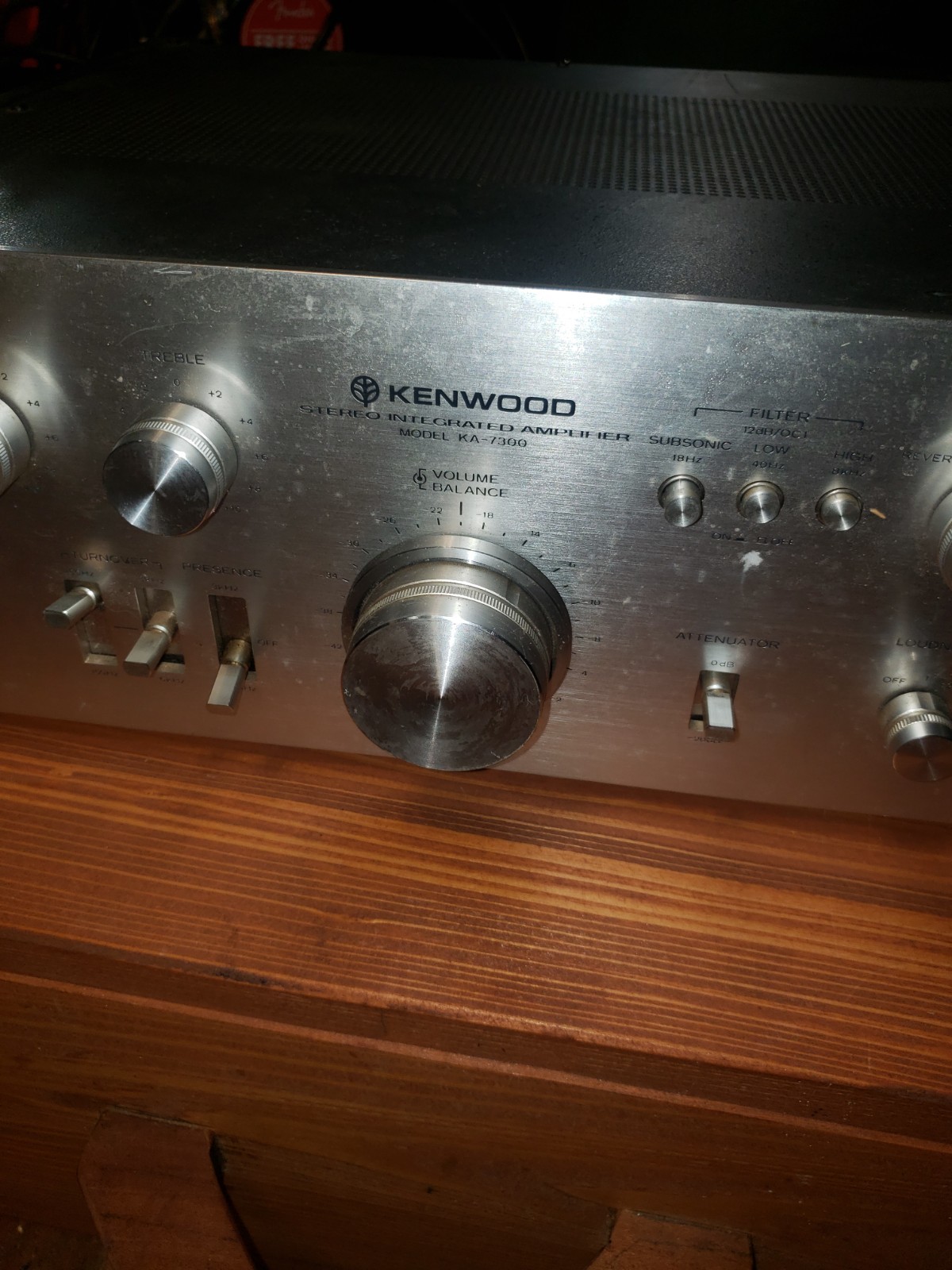

As an eBay Partner, we earn from qualifying purchases. This helps support our independent vintage technology research.
Related Models
- Kenwood KA 990EX (1980-1981)
- Kenwood KA 400 (1970-1972)
- Kenwood KR 7020 (1977-1979)
- Kenwood kx-1010 (1982-1984)
- Kenwood kx-630 (1980-1982)
- Akai AM-2850 (1975)
- Akai AP-206 (1975)
- Nakamichi BX-1 (1985)
- Acoustic Research research-ar-17 (1978)
- Acoustic Research AR-19 (1994)