JBL S105: The Iconic Floorstanding Speaker That Defined an Era
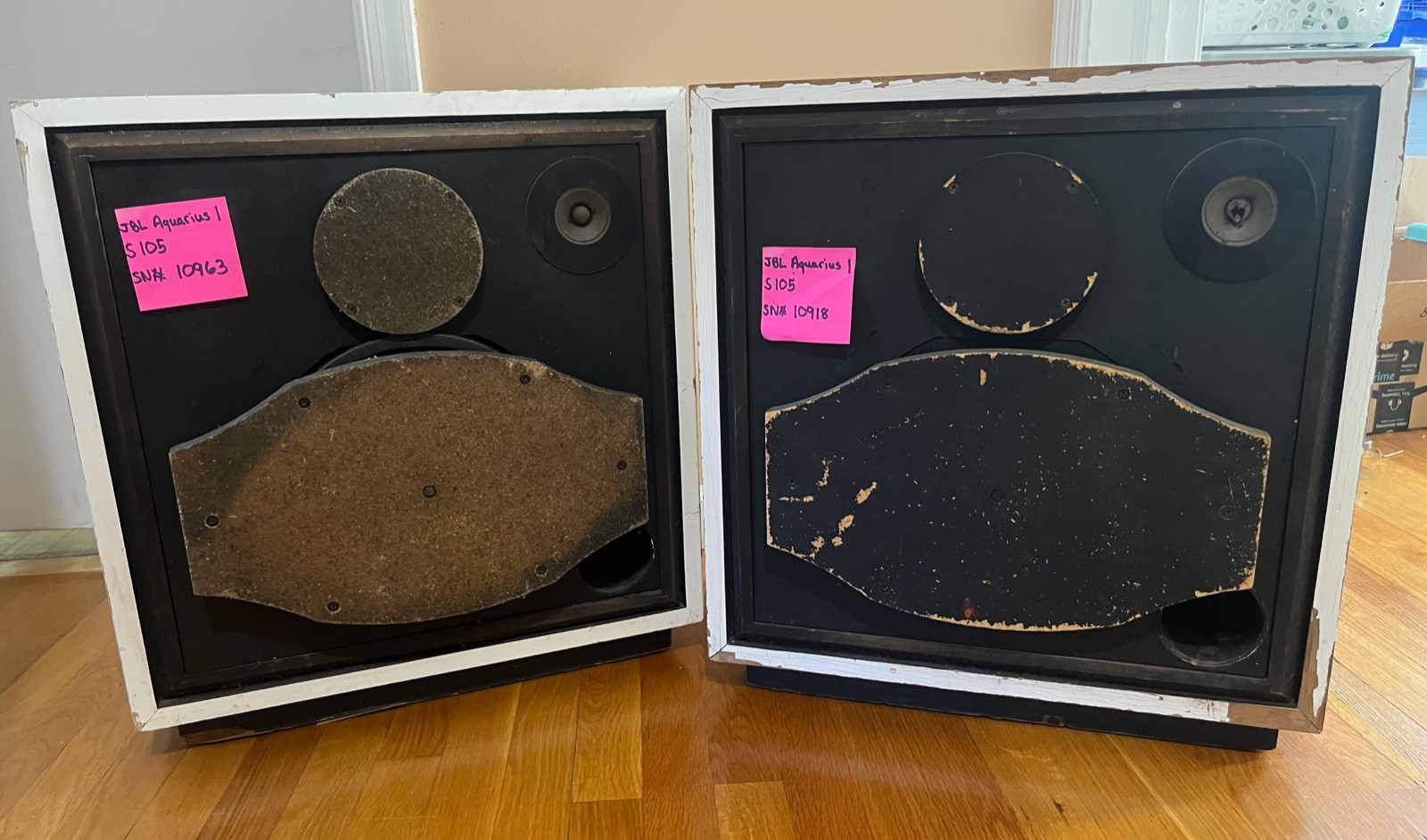
The JBL S105 is more than just a vintage speaker—it’s a landmark in American audio engineering and a beloved classic among hi-fi enthusiasts. Introduced in 1972 by the legendary Los Angeles-based company JBL (originally James B. Lansing Designs), the S105 was part of JBL’s ambitious “S” series, which aimed to bring professional-grade sound quality into the home. At a time when stereo systems were becoming central to home entertainment, the S105 stood out for its bold design, powerful output, and studio-monitor lineage. Today, it remains a sought-after collector’s item and a favorite among vintage audio aficionados who appreciate its dynamic, punchy sound and timeless aesthetic.
Historical Context and Release Background
The early 1970s marked a golden age for high-fidelity audio. With the rise of stereo LPs and the growing popularity of home listening rooms, manufacturers competed to deliver speakers that could reproduce music with accuracy and impact. JBL, already renowned for its professional loudspeakers used in recording studios and concert venues, leveraged its expertise to create a line of consumer speakers that bridged the gap between domestic use and studio performance.
The S105 was positioned as a flagship floorstanding model in the S-series, which also included the S100, S102, and S104. It was designed to deliver full-range sound with deep bass extension—rare for home speakers of the era—without requiring a separate subwoofer. Its release coincided with the peak of quadraphonic sound experimentation, and many S105s were used in early surround setups. The speaker remained in production until 1978, when JBL restructured its lineup and introduced the L-series, including the iconic L100.
Technical Specifications
| Feature | Specification |
| Model | JBL S105 |
| Type | 2-way, bass reflex floorstanding speaker |
| Drivers | 1 × 12-inch JBL M22F2000 woofer, 1 × 1.5-inch JBL 075 soft-dome tweeter |
| Crossover Frequency | 1.5 kHz |
| Frequency Response | 45 Hz – 20 kHz (±3 dB) |
| Nominal Impedance | 8 ohms |
| Sensitivity | 88 dB (1 watt @ 1 meter) |
| Recommended Amplifier Power | 20–150 watts |
| Enclosure Type | Vented (bass reflex with rear port) |
| Dimensions (H×W×D) | 24.5 × 14.5 × 12.5 inches |
| Weight | 45 lbs per speaker |
| Finish Options | Walnut veneer, black ash |
| Terminal Type | Single binding posts (accepts bare wire, spades, or pins) |
The S105’s driver complement was carefully selected for balance and durability. The large 12-inch woofer, with its high-excursion capability and doped paper cone, provided strong bass and excellent midrange clarity. The 1.5-inch soft-dome tweeter, a relatively advanced design at the time, offered smooth high-frequency response without the harshness sometimes associated with early metal domes. The crossover network used high-quality capacitors and inductors, typical of JBL’s attention to component quality in the 1970s.
Sound Quality Characteristics
The JBL S105 is celebrated for its dynamic, forward sound signature—lively, engaging, and well-suited to rock, jazz, and orchestral music. Its large cabinet and powerful woofer deliver surprising bass depth for a speaker of its era, reaching down to 45 Hz with authority. The midrange is clear and present, making vocals and instruments stand out with natural timbre. The tweeter contributes a smooth but detailed top end, avoiding sibilance while preserving air and sparkle.
One of the S105’s defining traits is its ability to play loud without strain. Thanks to its high sensitivity (88 dB) and robust drivers, it pairs exceptionally well with tube amplifiers and lower-powered solid-state receivers, making it a favorite among vintage gear enthusiasts. However, it benefits from being driven with at least 50 watts to fully exploit its dynamic range.
While not as neutral or analytical as modern reference monitors, the S105 offers a “musical” sound that many find emotionally engaging. Its slight mid-bass emphasis gives it a warm, full-bodied character, ideal for analog sources like vinyl.
Notable Features and Innovations
The S105 introduced several design elements that set it apart:
- Studio Heritage: Derived from JBL’s professional monitors, the S105 brought pro-audio performance to the home.
- Bass Reflex Design: The rear-firing port enhanced low-frequency output and efficiency, a feature still widely used today.
- Modular Cabinet Construction: The thick MDF cabinet (uncommon at the time) reduced resonance and improved clarity.
- Iconic Aesthetic: The trapezoidal shape, flared front baffle, and wood veneer finish gave the S105 a distinctive, modern look that remains stylish.
Market Value and Collectibility
Today, the JBL S105 is a highly collectible vintage speaker. Well-maintained pairs in walnut veneer typically sell for $600–$1,200, depending on condition, originality, and driver integrity. Units with replaced or damaged woofers or tweeters may sell for less, while fully restored models with period-correct components can command premium prices.
Collectibility is driven by several factors:
- Nostalgia: The S105 evokes the 1970s hi-fi era and the rise of home audio culture.
- JBL Brand Legacy: JBL’s reputation for durability and performance enhances desirability.
- Vinyl Resurgence: As more listeners return to analog, vintage speakers like the S105 are prized for their synergy with turntables and tube amps.
Common Issues and Maintenance Tips
Like all vintage speakers, the S105 requires care to maintain optimal performance:
- Aging Foam Surrounds: The most common issue is deteriorated foam on the woofer. Over time, the foam disintegrates, causing distortion or complete failure. Solution: Re-foam kits are widely available and can restore performance for $50–$100 per speaker.
- Tweeter Degradation: The soft-dome tweeter may lose clarity or develop a “crackling” sound. While less common, replacement or reconing is possible.
- Crossover Components: Electrolytic capacitors in the crossover may dry out. Replacing them with modern equivalents improves reliability and sound quality.
- Cosmetic Wear: Scratches, fading, or lifted veneer can affect value. Gentle cleaning and professional refinishing can restore appearance.
Regular inspection and preventive maintenance—such as checking connections and avoiding overdriving—can extend the life of an S105 indefinitely.
Comparison to Similar Models
| Model | Key Differences |
| JBL S100 | Smaller bookshelf version; uses 10-inch woofer; less bass extension; lighter build. |
| JBL L100 (1978) | Successor model; more refined crossover; improved tweeter; iconic “beaver tail” design; slightly warmer sound. |
| AR-7 | Acoustic Research; sealed enclosure; tighter bass; lower sensitivity (84 dB); less dynamic. |
| KLH Model Eleven | Compact floorstander; 8-inch woofer; excellent imaging; less bass output; lower volume capability. |
| Infinity SS-1 | More neutral tonal balance; complex horn-loaded design; higher price; less “punchy” than S105. |
While the L100 eventually surpassed the S105 in popularity, many purists argue the S105 has a more immediate, energetic character. Its 12-inch woofer gives it an edge in bass authority, and its simpler crossover can make restoration easier.
Final Thoughts
The JBL S105 is a true classic—a speaker that embodies the spirit of 1970s high-fidelity audio. With its powerful sound, striking design, and enduring build quality, it continues to deliver thrilling listening experiences decades after its introduction. Whether you’re a collector, a vintage audio enthusiast, or simply someone who loves music with impact and soul, the S105 deserves a place in your listening room. With proper care, it’s not just a relic of the past—it’s a living piece of audio history that still has plenty to say.
eBay Listings


As an eBay Partner, we earn from qualifying purchases. This helps support our independent vintage technology research.
Related Models
- JBL 4310 (1970)
- JBL 4315 Control Monitor (1977)
- JBL L110A (1975)
- JBL 4311B (1975)
- JBL 4408 (1975)
- Akai AM-2850 (1975)
- Akai AP-206 (1975)
- Nakamichi BX-1 (1985)
- Acoustic Research research-ar-17 (1978)
- Acoustic Research AR-19 (1994)