JBL L88-1: The Studio Monitor That Defined an Era
The JBL L88-1 is more than just a vintage loudspeaker—it’s a monument to the golden age of high-fidelity audio. Introduced in 1975 and produced until 1980, the L88-1 was designed as a commercial-grade studio monitor but quickly found favor among audiophiles and recording engineers alike. With its commanding presence, robust build, and JBL’s signature dynamic sound, the L88-1 remains a sought-after classic in the world of vintage audio.
Historical Context and Release Background
Born during the mid-1970s, a period when professional studios and home audiophiles began to converge in their pursuit of accurate sound reproduction, the JBL L88-1 was developed as a successor to the legendary L100 Century Series. While the L100 was aimed at the consumer market, the L88-1 was engineered for professional environments—broadcast studios, mastering rooms, and live sound reinforcement—where reliability and clarity were paramount.
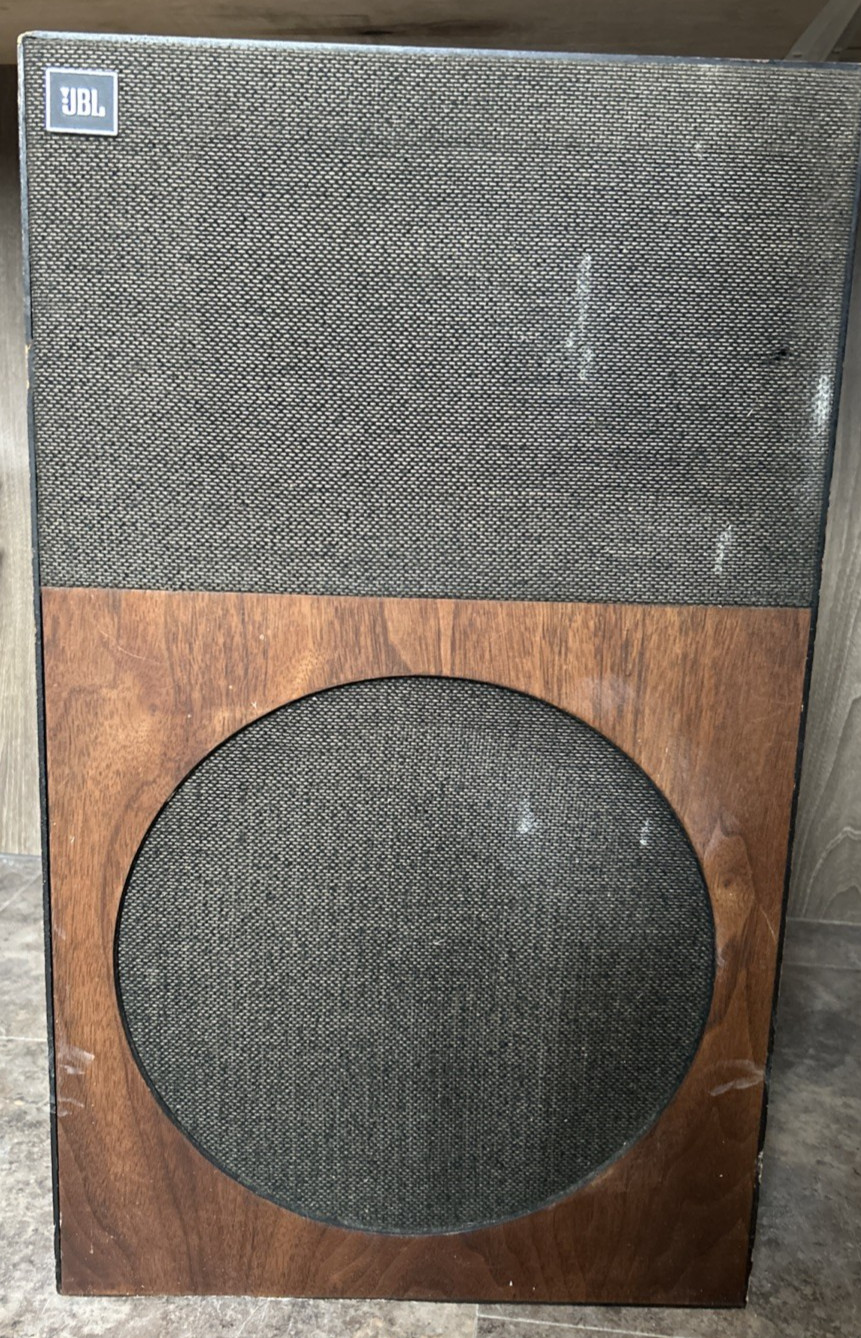
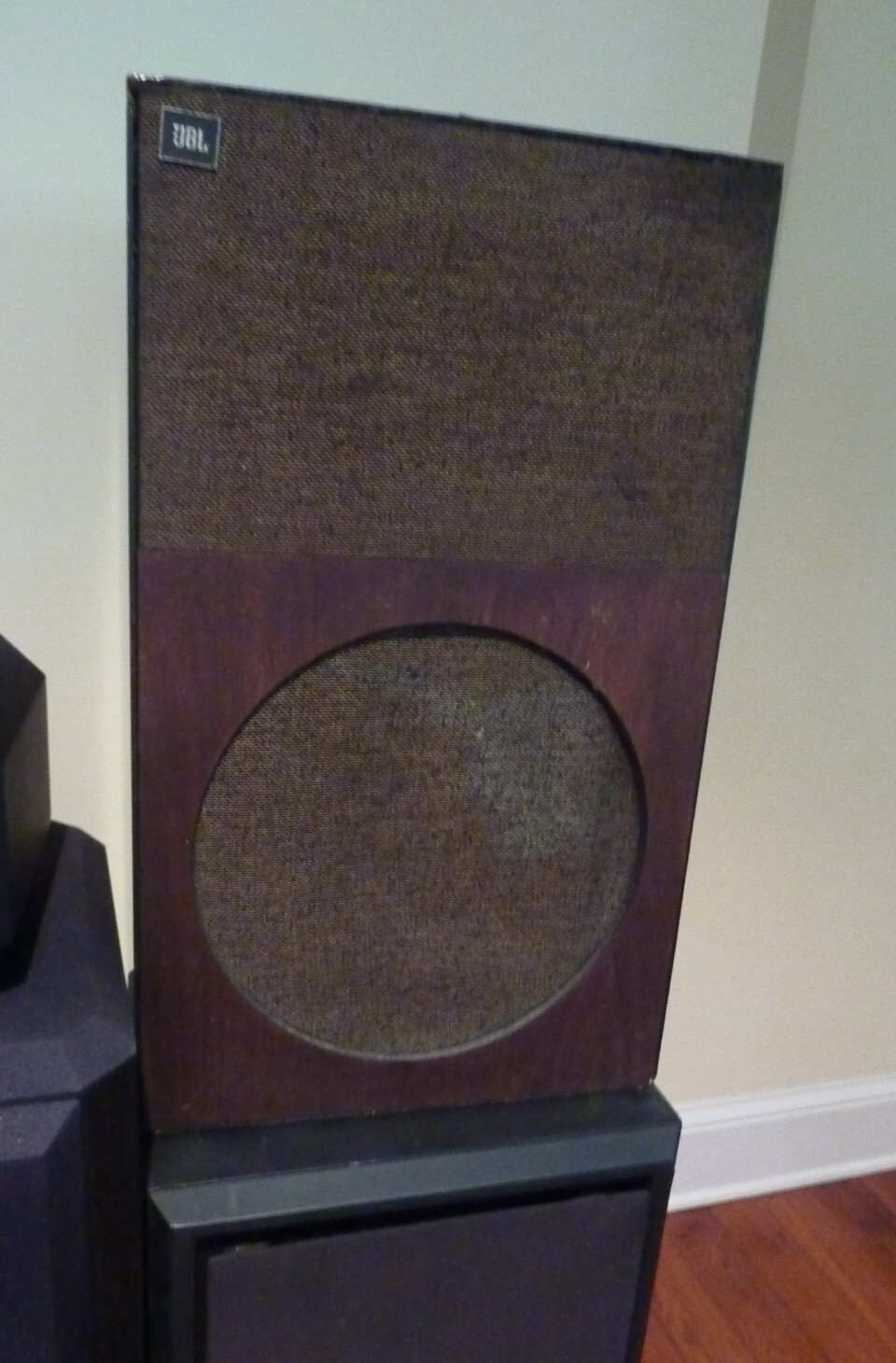
Despite its professional roots, the L88-1’s excellent performance and striking aesthetics (featuring a vertically stacked driver array and classic JBL styling) made it a favorite in high-end home systems. Its design reflected JBL’s commitment to leveraging materials and technologies tested in cinema and studio applications, bringing pro-level fidelity to discerning listeners.
The L88-1 was part of JBL’s “Large Monitor” series and shared driver technology with other professional models like the 4310 and 4311, but with a larger cabinet and extended low-frequency response. It was discontinued in 1980 as JBL shifted focus toward more compact designs and updated crossover technologies.
Technical Specifications
| Specification | Detail |
| Type | 3-way, bass reflex floor-standing |
| Drivers | 12" woofer (E120), 5" midrange (M130), 0.75" soft dome tweeter (2406) |
| Crossover Frequencies | 500 Hz (woofer/mid), 3.5 kHz (mid/tweeter) |
| Frequency Response | 40 Hz – 20 kHz (±3 dB) |
| Sensitivity | 94 dB (1W/1m) |
| Nominal Impedance | 8 ohms |
| Recommended Amplifier Power | 20–200 watts |
| Enclosure Type | Vented (ported) with rear-facing port |
| Dimensions (H×W×D) | 42" × 12" × 18" (106.7 × 30.5 × 45.7 cm) |
| Weight | 62 lbs (28.1 kg) each |
| Finish Options | Walnut veneer (most common), black ash, rare rosewood |
The L88-1 used JBL’s proprietary E120 12-inch woofer with a doped paper cone and large magnet structure, delivering tight, punchy bass with excellent transient response. The M130 midrange driver offered smooth vocal reproduction, while the 2406 soft dome tweeter—unusual for JBL at the time—provided extended highs without the harshness sometimes associated with metal domes.
Sound Quality Characteristics
The L88-1 is renowned for its dynamic, forward, and highly detailed sound signature. With a sensitivity of 94 dB, these speakers are easy to drive and respond well even to modest amplification, though they truly shine when powered by high-current solid-state or tube amplifiers in the 100W+ range.
Bass response is deep and authoritative for a speaker of its era, reaching down to 40 Hz with authority thanks to the large cabinet and bass-reflex tuning. The midrange is clear and articulate, making vocals and acoustic instruments sound lifelike and present. The soft dome tweeter delivers smooth, non-fatiguing highs—unusual for JBL, which typically used horn-loaded or metal dome tweeters—giving the L88-1 a more refined top end than many of its contemporaries.
Soundstage is wide and well-defined, with excellent imaging and separation. However, due to the vertical driver alignment, optimal listening height is critical—ideally, the tweeter should be at ear level when seated. The L88-1 benefits from being placed away from walls to manage bass reinforcement, though the rear port requires careful positioning to avoid boomy response.
Notable Features and Innovations
- Studio-Grade Build: Designed for professional use, the L88-1 features a heavily braced MDF cabinet with durable vinyl wrap or real wood veneer finishes.
- Soft Dome Tweeter: The JBL 2406 tweeter was a departure from JBL’s usual horn designs, offering smoother high-frequency response—ideal for critical listening.
- High Sensitivity: At 94 dB, the L88-1 can play loudly with minimal power, making it compatible with vintage tube amps.
- Modular Driver Design: All drivers are field-replaceable, a hallmark of JBL’s pro-audio heritage.
- Industrial Aesthetic: The clean, vertical driver stack and minimalist grille give the L88-1 a timeless, functional look.
Market Value and Collectibility
Today, the JBL L88-1 is considered a collectible vintage speaker, particularly among JBL enthusiasts and studio monitor collectors. Well-maintained pairs in walnut finish typically sell for $800–$1,500, with rosewood versions commanding premiums up to $2,000 or more due to their rarity.
Factors affecting value include:
- Original condition (grilles, finish, binding posts)
- Driver integrity (especially foam surrounds on the woofer and midrange)
- Provenance (studio use, original packaging)
- Upgrades (e.g., reconed drivers, modern crossover components)
While not as iconic as the L100, the L88-1 is respected for its accuracy and durability, making it a smart acquisition for both users and collectors.
Common Issues and Maintenance
Like all vintage speakers, the L88-1 is prone to age-related wear. The most common issues include:
- Degraded Foam Surrounds: The original foam on the woofer and midrange drivers often disintegrates after 40+ years. Re-coning or foam replacement is highly recommended.
- Crossover Component Aging: Electrolytic capacitors in the crossover can dry out, leading to dull sound or tweeter failure. Replacing with modern polypropylene capacitors improves reliability and clarity.
- Tweeter Diaphragm Fatigue: Though durable, the 2406 tweeter can suffer from diaphragm sag if exposed to high humidity or physical shock.
- Cabinet Wear: Scratches, dents, and veneer lifting are common. Refinishing or professional restoration can significantly increase value.
Maintenance tips:
- Inspect drivers for torn surrounds or voice coil rub.
- Clean terminals and ensure solid connections.
- Consider professional re-foaming and crossover servicing.
- Use spike feet or isolation pads to improve bass control and reduce floor resonance.
Comparison to Similar Models
| Model | Key Differences |
| JBL L100 | Smaller cabinet, 12" woofer in sealed enclosure, lower sensitivity (91 dB), more bass punch but less extension. L100 is more common and collectible due to its consumer appeal. |
| JBL 4310 | Compact nearfield monitor, 12" bass reflex, but smaller overall. Shares E120 woofer but with different crossover. More common in studio use. |
| AR-9 | Acoustic Research’s 3-way rival. Warmer, more laid-back sound with sealed cabinet. Less dynamic than L88-1 but praised for natural midrange. |
| KLH Model Eleven | Similar size and price point. More neutral tonality but lower sensitivity (87 dB), requiring more power. Less dynamic than JBL. |
The L88-1 stands out for its combination of professional pedigree, high sensitivity, and dynamic range. While not as refined as some electrostatics or planars of the era, it delivers a thrilling, engaging sound that remains compelling today.
Final Thoughts
The JBL L88-1 is a bridge between the worlds of professional audio and high-end home listening. Its robust construction, articulate sound, and timeless design make it a standout in any vintage audio collection. Whether used as a daily driver or preserved as a museum piece, the L88-1 embodies JBL’s engineering excellence during one of the most innovative periods in audio history.
For those seeking a speaker that delivers both sonic authority and historical significance, the L88-1 remains a compelling choice—over four decades after its debut.
eBay Listings


As an eBay Partner, we earn from qualifying purchases. This helps support our independent vintage technology research.
Related Models
- JBL 4310 (1970)
- JBL 4315 Control Monitor (1977)
- JBL L110A (1975)
- JBL 4311B (1975)
- JBL 4408 (1975)
- Akai AM-2850 (1975)
- Akai AP-206 (1975)
- Nakamichi BX-1 (1985)
- Acoustic Research research-ar-17 (1978)
- Acoustic Research AR-19 (1994)