JBL L65B: The Compact Legend of Studio-Inspired Sound
In the golden era of high-fidelity audio during the 1970s, JBL (James B. Lansing Design) stood at the forefront of speaker innovation, blending professional studio monitor engineering with consumer audio design. Among its most revered models from this period is the JBL L65B, a compact three-way floor-standing speaker that defied its size to deliver a bold, dynamic sound signature reminiscent of the company’s famed studio monitors. Released in 1973 as an evolution of the earlier L65, the L65B became a favorite among audiophiles seeking accurate sound reproduction with the punch and clarity needed for both music and early home theater applications.
Historical Context and Development
The L65B emerged during a transformative period for JBL. Under the leadership of audio engineer Richard C. Small and influenced by the acoustic research of A.N. Thiele, JBL began refining its speaker designs with a focus on controlled dispersion and extended frequency response. The L65 series was part of JBL’s “Les Paul” line—a nickname given by enthusiasts due to the distinctive contoured cabinet shape resembling the iconic guitar. While not officially branded as such by JBL, the L65B’s sculpted baffle and elegant wood veneer finishes (walnut and rosewood) made it a standout in living rooms across America.
The “B” revision, introduced in 1973, improved upon the original L65 with updated crossover components, enhanced driver integration, and better cabinet bracing. It was designed to bring near-field studio monitor performance into the home, leveraging JBL’s experience in crafting speakers for recording studios like those used at Motown and Capitol Records.
Technical Specifications
| Specification | Detail |
| Model | JBL L65B |
| Type | 3-way, bass-reflex floor-standing speaker |
| Drivers | 12" woofer (M120G), 3" midrange (M43), 1" dome tweeter (2405) |
| Crossover Frequency | 1.8 kHz (woofer/midrange to tweeter) |
| Frequency Response | 50 Hz – 20 kHz (±3 dB) |
| Sensitivity | 92 dB (1 watt @ 1 meter) |
| Nominal Impedance | 8 ohms (compatible with most tube and solid-state amps) |
| Recommended Amplifier Power | 20 – 150 watts per channel |
| Enclosure Type | Vented (bass reflex with rear-firing port) |
| Dimensions (H x W x D) | 24" x 13.5" x 12.5" |
| Weight | 48 lbs per speaker |
| Finish Options | Walnut veneer, rosewood veneer |
| Production Years | 1973 – 1978 (approximate) |
Sound Quality Characteristics
The JBL L65B is celebrated for its lively, forward sound with a strong emphasis on clarity and dynamic range. Its 12-inch M120G woofer delivers tight, punchy bass that belies the cabinet’s modest size, especially when placed near room boundaries. The 3-inch M43 midrange driver—a hallmark of JBL’s mid-tier studio designs—provides articulate vocal reproduction with minimal coloration, making the L65B ideal for rock, jazz, and vocal-centric recordings.
The 1-inch 2405 high-frequency driver, a smaller cousin to the legendary 2406, offers crisp, detailed treble without harshness when properly broken in. The horn-loaded tweeter design ensures high efficiency and excellent dispersion, contributing to a wide soundstage and strong imaging.
However, the L65B’s sound is not neutral in the modern sense. It leans toward a slightly bright tonal balance, a trait inherited from JBL’s studio monitor lineage where clarity and presence were prioritized over warmth. This makes them less ideal for sibilant recordings or bright source components, but absolutely thrilling with well-recorded classic rock, blues, and acoustic sets.
Notable Features and Innovations
- Three-Way Design in a Compact Cabinet: At just 24 inches tall, the L65B packs a full three-way driver array, a rarity in its size class.
- Horn-Loaded Tweeter: The 2405 driver uses JBL’s Bi-Radial™ horn technology for controlled dispersion and high output.
- Studio-Grade Components: Derived from JBL’s professional monitor line, including the M120 and M43 drivers.
- Sculpted Baffle: Reduces diffraction and enhances driver time alignment.
- High Sensitivity: At 92 dB, the L65B works beautifully with low-powered tube amplifiers, including vintage McIntosh, Marantz, and Fisher gear.
Market Value and Collectibility
Today, the JBL L65B is considered a cult classic among vintage speaker collectors. Well-maintained pairs in original finish with intact grilles and functional drivers typically sell between $400 and $800 on the secondary market, depending on condition and provenance. Rosewood versions often command a slight premium due to their visual warmth and relative scarcity.
While not as rare or valuable as the flagship L100 or L150, the L65B holds a special place for its balance of performance, size, and affordability. It’s particularly sought after by:
- Vintage audio enthusiasts with smaller listening rooms
- Fans of 1970s rock and analog recordings
- Audiophiles pairing vintage speakers with tube amplifiers
Its collectibility is enhanced by its association with JBL’s “golden age” and its appearance in classic hi-fi advertisements and audio magazines of the era.
Common Issues and Maintenance
Like all vintage speakers, the L65B requires attention to aging components:
1. Surround Rot: The foam or cloth surrounds on the woofer and midrange drivers often degrade after 40+ years. Symptoms include distorted bass, buzzing, or complete loss of output. Reconing or surround replacement by a specialist (e.g., Speaker Hospital, Simply Speakers) is highly recommended.
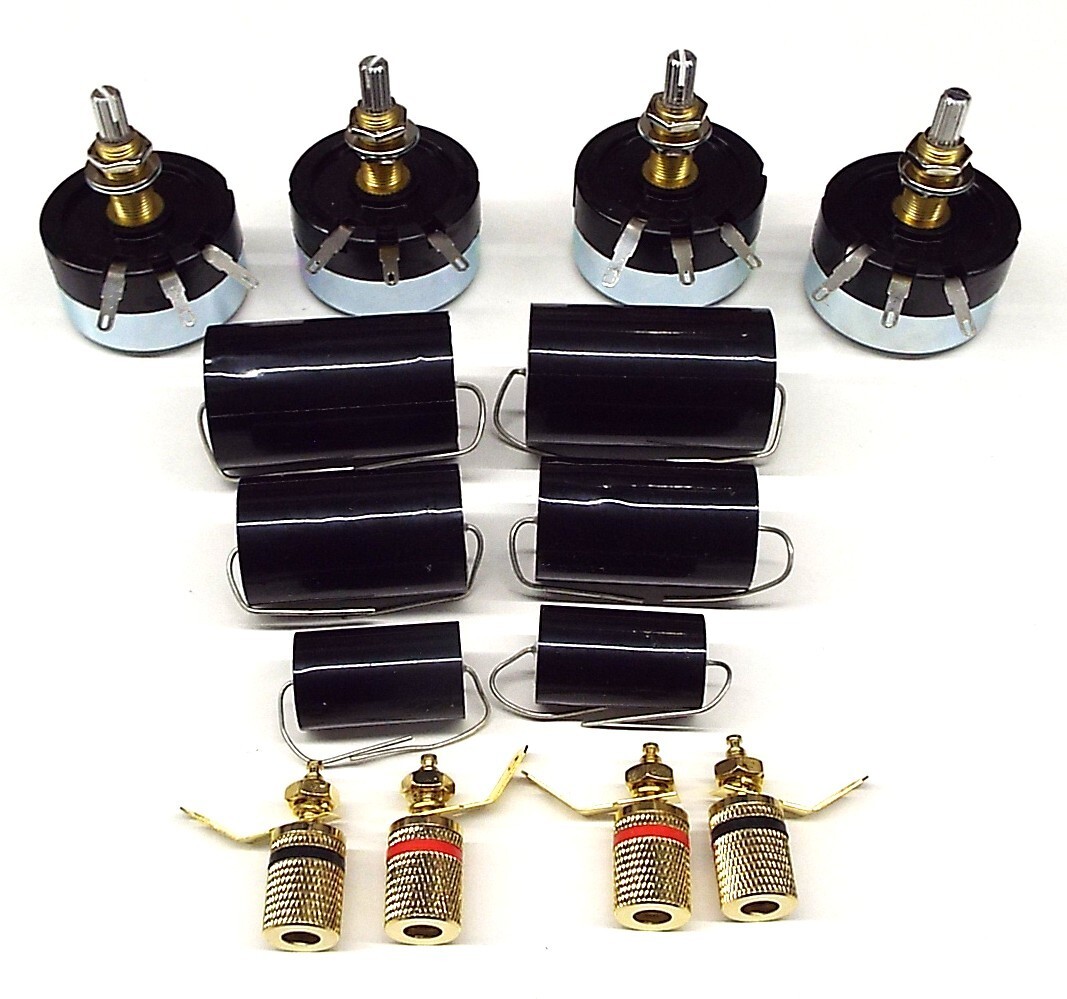
2. Capacitor Aging: The crossover capacitors, especially electrolytic types, can dry out or drift in value, leading to dull highs or imbalanced sound. A crossover refurbishment with modern metal-film and polypropylene capacitors can restore clarity and reliability.
3. Grille Fabric Deterioration: Original grilles often have torn or faded fabric. Replacement grille kits are available from vintage audio suppliers.
4. Cabinet Finish: While durable, veneers can scratch or dull. Light polishing with furniture wax can revive luster, but avoid silicone-based products.
Regular cleaning, proper placement (away from moisture and direct sunlight), and use with stable amplifiers will extend the life of these speakers significantly.
Comparison to Similar Models
| Model | Key Differences vs. L65B |
| JBL L100 | Larger cabinet, more bass, iconic Quadrex shape; louder and more imposing, but less compact. Higher market value ($1,000+). |
| AR-3a | More neutral, “hi-fi” sound with acoustic suspension; smoother midrange but less dynamic punch. Higher sensitivity (91 dB). |
| KLH Model Eleven | Compact floorstander with 10" woofer; warmer, more laid-back sound. Less detailed in the highs. |
| Infinity SS-1 | Later design (1970s) with complex crossover; more bass extension but less reliability. More expensive to restore. |
| JBL L60 | Two-way version with 12" woofer and tweeter; simpler crossover, less midrange clarity. Often found at lower prices. |
Final Thoughts
The JBL L65B is more than just a vintage speaker—it’s a piece of audio history that bridges the gap between professional studio monitoring and home listening. Its combination of compact size, high efficiency, and dynamic sound makes it a compelling choice for modern audiophiles who appreciate the character and craftsmanship of 1970s American hi-fi.
Whether you're building a period-correct stereo system or simply want a pair of speakers with personality and punch, the L65B delivers an engaging, energetic sound that continues to win fans nearly five decades after its debut. With proper restoration and care, these speakers can provide another lifetime of musical enjoyment—proof that great design never truly goes out of style.
eBay Listings



As an eBay Partner, we earn from qualifying purchases. This helps support our independent vintage technology research.
Related Models
- JBL 4310 (1970)
- JBL 4315 Control Monitor (1977)
- JBL L110A (1975)
- JBL 4311B (1975)
- JBL 4408 (1975)
- Akai AM-2850 (1975)
- Akai AP-206 (1975)
- Nakamichi BX-1 (1985)
- Acoustic Research research-ar-17 (1978)
- Acoustic Research AR-19 (1994)