JBL L65A: The Iconic Floorstanding Statement of 1970s High-Fidelity
The JBL L65A stands as one of the most revered floorstanding loudspeakers of the 1970s, embodying the golden era of American high-fidelity audio. Introduced in 1972 by the James B. Lansing Design company—better known as JBL—the L65A was positioned as a high-performance, full-range speaker for the serious audiophile and music lover. It combined JBL’s legendary expertise in professional sound reinforcement with the growing consumer demand for accurate, dynamic home audio reproduction. With its bold aesthetic, powerful drivers, and distinctive horn-loaded midrange and tweeter, the L65A became a staple in both critical listening rooms and high-end stereo setups throughout the decade.
Historical Context and Release
The early 1970s marked a turning point in home audio. As stereo systems became more mainstream, manufacturers like JBL, KLH, and AR pushed the boundaries of speaker design. JBL, already renowned for its studio monitors and cinema speakers, leveraged its professional audio heritage to create consumer products that delivered concert-hall dynamics. The L65A was part of JBL’s "L" series, which included models like the L100 and L150, but the L65A was unique in its three-way, floorstanding configuration with a dedicated midrange horn.
Originally introduced as the L65 in 1972, the “A” revision (L65A) arrived around 1975 with minor improvements to the crossover network and driver materials. It remained in production until 1980, when JBL streamlined its lineup in response to shifting market trends and the rise of compact bookshelf speakers. Despite its relatively short production run, the L65A gained a cult following for its powerful sound and striking appearance—tall, angular cabinets with a distinctive baffle design that housed the horn assembly prominently.
Technical Specifications
| Specification | Detail |
| Type | 3-way, bass-reflex floorstanding speaker |
| Drivers | 12" woofer (M120K), 5" midrange (M60), 1" titanium diaphragm compression driver (2405) with 18" constant directivity horn |
| Crossover Frequency | 1.6 kHz (woofer to midrange/tweeter) |
| Impedance | 8 ohms (nominal) |
| Sensitivity | 88 dB (2.83V/1m) |
| Frequency Response | 45 Hz – 20 kHz (±3 dB) |
| Recommended Amplifier Power | 10–100 watts per channel |
| Enclosure Type | Vented (bass reflex) with rear-firing port |
| Dimensions (H x W x D) | 26" x 13" x 13" (66 x 33 x 33 cm) |
| Weight | 55 lbs (25 kg) per speaker |
| Finish Options | Walnut or rosewood veneer |
Sound Quality Characteristics
The JBL L65A is celebrated for its dynamic, punchy, and highly detailed sound signature—a hallmark of JBL’s engineering philosophy. The use of a horn-loaded midrange and tweeter (the famous 2405 driver with the Tractrix horn) provides exceptional efficiency and clarity, particularly in the vocal and upper-midrange regions. This makes the L65A exceptionally good at reproducing live instruments, rock, jazz, and vocal performances with startling realism.
The 12-inch M120K woofer delivers deep, tight bass for its era, extending down to 45 Hz with authority, though it benefits from room placement and possibly a dedicated subwoofer for modern expectations of low-end extension. The bass reflex design enhances low-frequency output, but requires careful positioning to avoid boominess.
One of the L65A’s standout traits is its high sensitivity (88 dB), allowing it to perform well even with lower-powered tube amplifiers. However, it truly shines when driven by robust solid-state receivers or separates capable of delivering clean power—ideally 50 watts or more.
Critics and owners alike praise the L65A’s soundstage width and imaging precision, though the large horn can create a “hot spot” effect—optimal listening is often limited to a narrower sweet spot compared to modern point-source designs. Nevertheless, for those within the ideal listening position, the L65A delivers a thrilling, lifelike presentation.
Notable Features and Innovations
The L65A was ahead of its time in several key areas:
- Horn-Loaded Mid/High-Frequency Reproduction: The inclusion of the 5" M60 midrange and 1" 2405 compression driver with a large Tractrix horn was rare in consumer speakers. This design, borrowed from JBL’s professional PA systems, ensured high efficiency and low distortion.
- Modular Driver Design: JBL’s use of interchangeable, field-replaceable drivers allowed for easier servicing and upgrades—a feature appreciated by technicians and DIY enthusiasts.
- Robust Cabinet Construction: The thick MDF baffle and well-braced cabinet minimized resonance, contributing to a clean, uncolored sound.
- Aesthetic Boldness: With its trapezoidal front baffle and prominent horn, the L65A made a visual statement as much as an acoustic one, reflecting the bold design trends of the 1970s.
Market Value and Collectibility
Today, the JBL L65A is considered a collectible vintage speaker, especially in good condition with original grilles and finish. Well-maintained pairs typically sell between $600 and $1,200, depending on condition, originality, and geographic market. Fully restored units with reconed woofers and updated crossovers may command higher prices, particularly among vintage audio enthusiasts.
Collectibility is strong due to the L65A’s association with JBL’s golden era, its unique three-way horn design, and its reputation for durability. It appeals to both audiophiles seeking a vintage “live” sound and collectors of 1970s audio memorabilia. The walnut finish tends to be more sought after than rosewood, though both are valued.
Common Issues and Maintenance
Like all vintage speakers, the L65A requires attention to aging components:
- Woofer Surrounds: The original foam surrounds on the 12" M120K woofer often deteriorate after 40+ years. Re-coning or replacing with modern rubber surrounds is common and highly recommended.
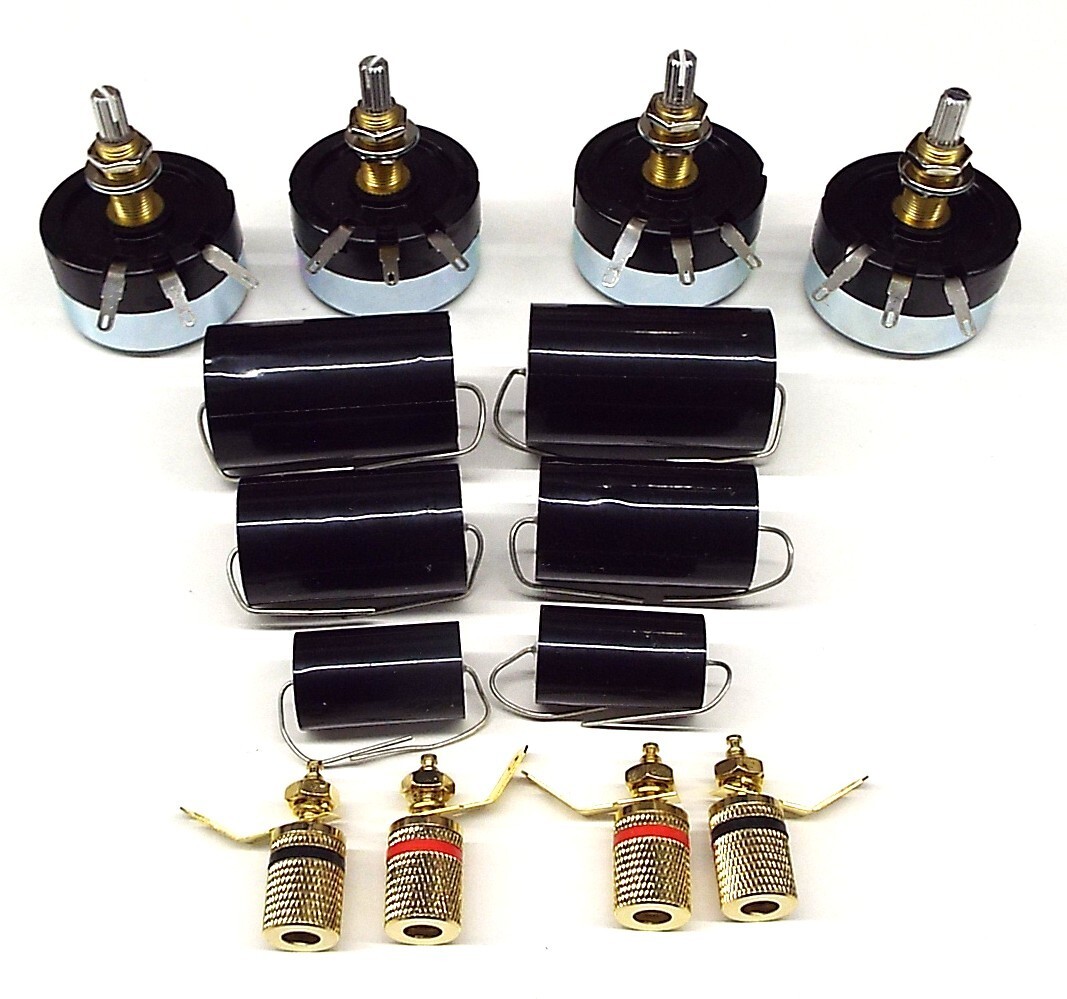
- Capacitors in Crossover: The electrolytic and paper capacitors in the passive crossover can dry out or fail. Upgrading to modern metal-film or polypropylene capacitors improves reliability and sound quality.
- Horn Driver Diaphragms: The titanium diaphragm in the 2405 compression driver is durable, but the phase plug or surround can degrade. Inspection and cleaning are advised.
- Grilles and Finish: Original fabric grilles may be torn or faded. Replacement foam and grille cloth are available from specialty vendors. The veneer finish should be cleaned gently with wood-safe products to avoid damage.
Regular inspection and proactive maintenance can extend the life of an L65A indefinitely. Many owners report that with proper care, these speakers still outperform modern equivalents in dynamics and clarity.
Comparison to Similar Models
| Model | Key Differences |
| JBL L100 | More compact; uses same 2405 tweeter but with a 12" woofer and no dedicated midrange horn. Less bass extension and midrange clarity than L65A. |
| AR-7 | Acoustic suspension design; smoother, more neutral sound but less dynamic impact. Lower sensitivity (86 dB). |
| KLH Model Eleven | Bookshelf speaker with horn tweeter; excellent highs but lacks the L65A’s bass and scale. |
| Altec 604-8H | Professional studio monitor; similar horn design but less refined for home use. Harsher tonal balance. |
The L65A stands apart for combining studio-monitor accuracy with home-audio refinement. While not as compact or neutral as some contemporaries, it offers a more immersive, dynamic experience that remains compelling today.
Final Thoughts
The JBL L65A is more than a vintage speaker—it’s a piece of audio history. Its bold design, professional-grade components, and thrilling sound make it a favorite among collectors and listeners who appreciate the power and presence of 1970s high-fidelity. While it demands care and attention due to its age, a well-restored L65A can deliver a listening experience that rivals modern speakers at several times the price. For those seeking a true classic with character, dynamics, and engineering excellence, the JBL L65A remains a towering achievement in loudspeaker design.
eBay Listings



As an eBay Partner, we earn from qualifying purchases. This helps support our independent vintage technology research.
Related Models
- JBL 4310 (1970)
- JBL 4315 Control Monitor (1977)
- JBL L110A (1975)
- JBL 4311B (1975)
- JBL 4408 (1975)
- Akai AM-2850 (1975)
- Akai AP-206 (1975)
- Nakamichi BX-1 (1985)
- Acoustic Research research-ar-17 (1978)
- Acoustic Research AR-19 (1994)