JBL L55A: The Compact Flagship of JBL’s Golden Era
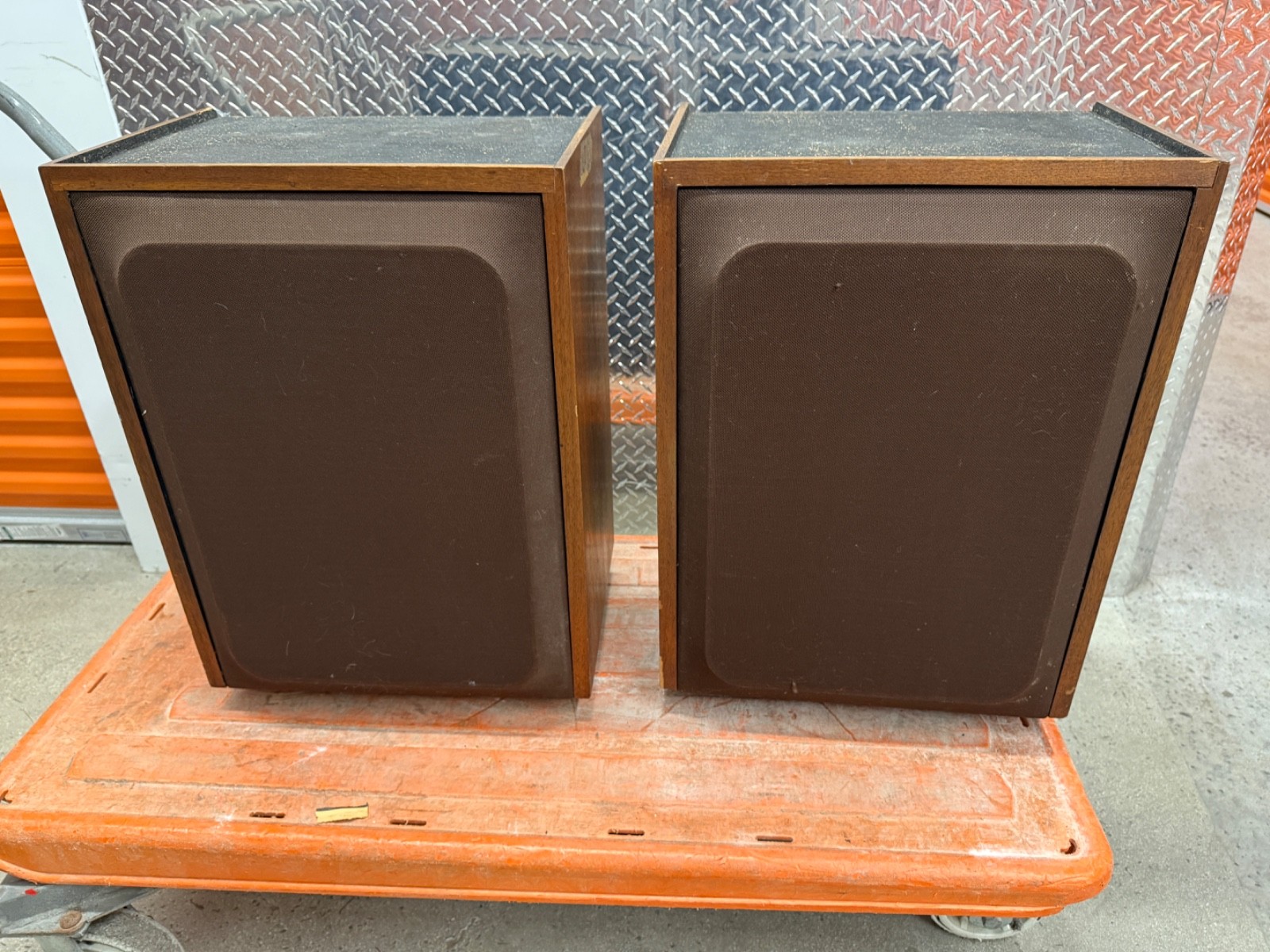
The JBL L55A is a classic bookshelf speaker that holds a revered place in the pantheon of vintage audio equipment. Introduced in 1974 as part of JBL’s premium L-series lineup, the L55A was designed to deliver near-full-range performance in a compact enclosure—making it a favorite among audiophiles with space constraints who refused to compromise on sound quality. Though technically a “compact” speaker, the L55A is anything but small, standing over two feet tall and housing a powerful 12-inch woofer, a rarity in bookshelf designs. Its blend of studio-monitor DNA and high-fidelity refinement made it a staple in both professional and domestic listening environments during the 1970s and early 1980s.
Historical Context and Release Background
The L55A emerged during a golden era for JBL, a period when the company was at the forefront of both professional sound reinforcement and high-end consumer audio. The 1970s saw JBL refining its transducer technology, leveraging decades of experience in cinema and studio monitor design. The L55A was part of the L100-inspired family of speakers, sharing many of the same engineering philosophies as the legendary L100 Century, including the use of JBL’s signature LeCroy-designed crossover networks and high-efficiency drivers.
While the L100 was the flagship floor-standing model, the L55A served as a more compact alternative—ideal for smaller rooms or secondary systems—without sacrificing the sonic signature that made JBL famous: dynamic punch, wide dispersion, and a lively, engaging presentation. The L55A was marketed as a high-performance two-way speaker, though its deep bass extension and robust power handling made it a quasi-three-way in practice.
Technical Specifications
| Specification | Detail |
| Model | JBL L55A |
| Type | 2-way, bass-reflex (vented) bookshelf |
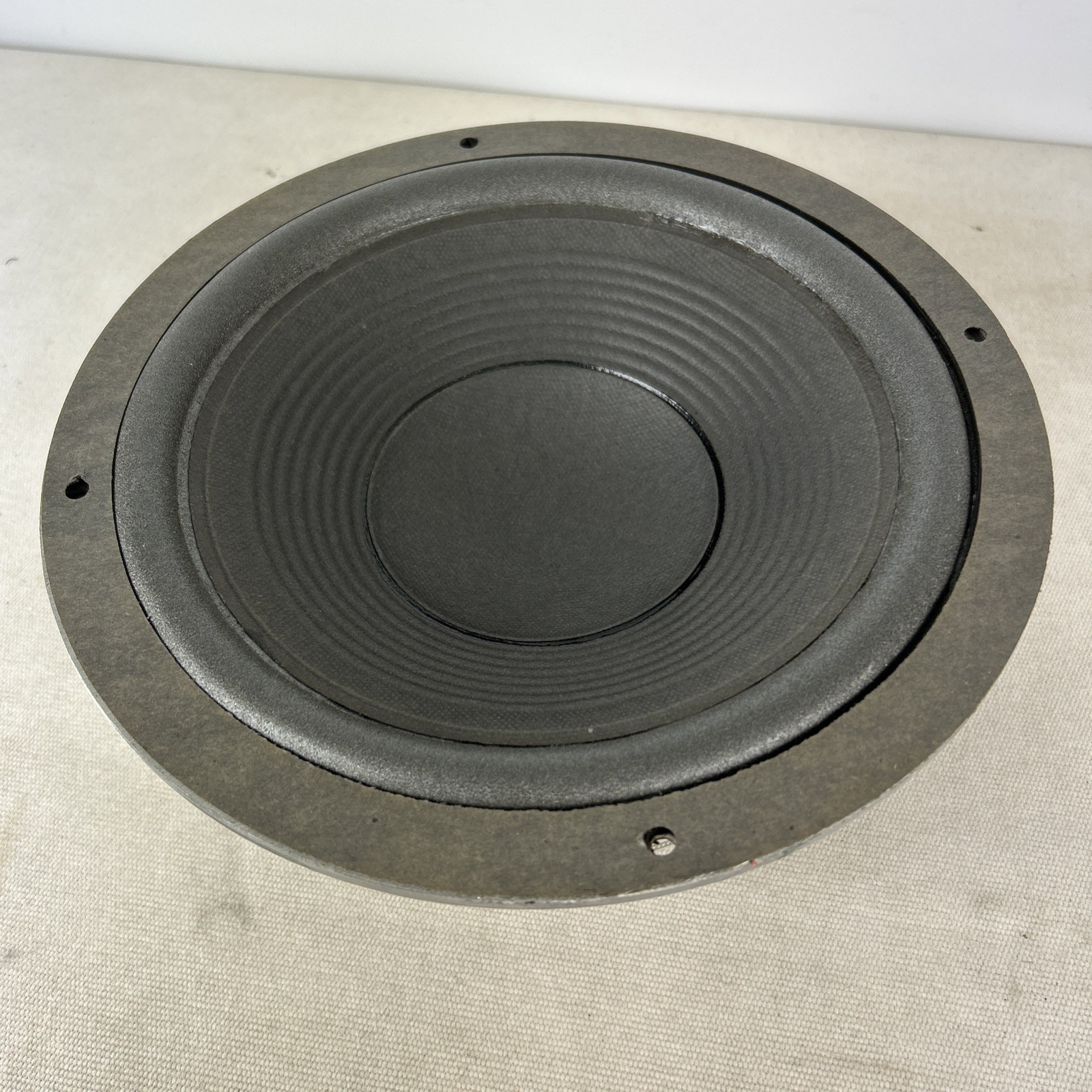
| Drivers | 12" (305 mm) dished white-cone woofer, 1" (25 mm) titanium dome tweeter |
| Crossover Frequency | 1.8 kHz |
| Impedance | 8 ohms (nominal) |
| Sensitivity | 90 dB (1W/1m) |
| Frequency Response | 45 Hz – 20 kHz (±3 dB) |
| Power Handling | 150 watts (peak), 75 watts (continuous) |
| Enclosure | Vented (bass reflex) with rear-firing port |
| Dimensions (H x W x D) | 25" x 12" x 13.5" (635 x 305 x 343 mm) |
| Weight | 48 lbs (21.8 kg) per speaker |
| Recommended Amplifier Power | 20 – 150 watts |
| Finish Options | Walnut veneer, black ash, rare rosewood |
Sound Quality Characteristics
The JBL L55A is renowned for its bold, dynamic, and rhythmically engaging sound. Its 12-inch woofer provides exceptional bass extension for a speaker of its class—reaching down to 45 Hz with authority—making it capable of handling orchestral music, rock, and jazz with equal aplomb. The bass is tight and punchy rather than bloated, thanks to the well-tuned bass-reflex port and the stiffness of the dished white polypropylene cone.
The titanium dome tweeter, a hallmark of JBL’s high-end models of the era, delivers crisp, detailed highs with excellent dispersion. While some listeners find the treble slightly forward or “bright” compared to softer dome tweeters (like those from KEF or AR), this characteristic contributes to the L55A’s lively, “you-are-there” presentation. The crossover, designed by Arnold LeCroy, is a second-order network that ensures smooth integration between drivers, though it demands a capable amplifier to fully control the woofer’s motor.
Overall, the L55A excels with dynamic music—live recordings, big band, rock, and acoustic ensembles—where its ability to render transients and spatial cues shines. It’s less forgiving of poor recordings or weak amplification, but in a well-matched system, it delivers a thrilling, immersive experience.
Notable Features and Innovations
- 12-inch Woofer in a Bookshelf Cabinet: Extremely rare for the era, this gave the L55A near-floorstander bass performance.
- Dished White Polypropylene Cone: Introduced by JBL in the 1970s, this cone material offered superior stiffness and damping compared to paper, reducing distortion.
- Titanium Dome Tweeter: Known for high efficiency and extended high-frequency response, though later models would temper its brightness.
- LeCroy Crossover Network: Precision-designed for time alignment and phase coherence, contributing to the speaker’s coherent soundstage.
- Modular Grille Design: Magnetic grilles with a clean, modern aesthetic that complemented the wood veneer finishes.
Market Value and Collectibility
Today, the JBL L55A is a sought-after vintage speaker among collectors and audiophiles. Well-maintained pairs in walnut or black ash typically sell for $600–$1,200, with rare rosewood finishes commanding premiums up to $1,800. Condition is paramount—original grilles, undamaged veneer, and functional drivers significantly affect value.
The L55A’s collectibility stems from its historical significance, unique size-to-performance ratio, and association with JBL’s golden age. While not as iconic as the L100, it is often considered a “sleeper” classic—offering 90% of the L100’s performance in a more manageable footprint.
Common Issues and Maintenance
Like all vintage speakers, the L55A requires attention to aging components:
- Surround Rot: The foam or rubber surrounds on the woofer can degrade over time, leading to buzzing or loss of bass. Replacement kits (often with butyl rubber surrounds) are available from specialty vendors.
- Tweeter Fatigue: The titanium dome tweeters are generally robust, but old capacitors in the crossover can cause harshness or failure. Replacing the crossover capacitors (a process known as “recapping”) is a common upgrade.
- Crossover Components: Original electrolytic capacitors may dry out. Recapping with modern metalized polypropylene capacitors improves clarity and reliability.
- Grille Magnets: The magnetic grilles can lose strength over decades; re-magnetizing or replacing the magnets restores secure fit.
Regular inspection and preventive maintenance can extend the life of an L55A indefinitely. Many owners report excellent performance after restoration, often surpassing their original condition.
Comparison to Similar Models
| Model | Key Differences |
| JBL L100 | Larger cabinet, three-way design, more bass depth and scale; less compact. |
| JBL P100 | Smaller 10" woofer, lower bass extension (55 Hz), less powerful; more common. |
| AR-3a | More neutral, “hi-fi” sound; softer bass and tweeter; less dynamic than L55A. |
| KLH Model Eleven | Similar size, but uses a 12" paper cone and horn-loaded tweeter; warmer, less detailed. |
| Infinity SS-1 | More modern design; horn-loaded tweeter and servo-controlled woofer; different sonic signature. |
The L55A stands out for its rare combination of size, driver quality, and efficiency. It offers a more visceral, dynamic experience than the smoother AR or KLH models, making it ideal for listeners who prioritize energy and rhythm over absolute neutrality.
Final Thoughts
The JBL L55A is a testament to JBL’s engineering prowess during the 1970s. It bridges the gap between studio monitor accuracy and home audio warmth, delivering a sound that is both powerful and refined. While it demands care and potentially some restoration, a well-maintained pair remains a compelling choice for vintage audio enthusiasts. Whether used as a primary system or a nostalgic second setup, the L55A continues to impress with its bold dynamics, deep bass, and unmistakable JBL character. For those seeking a compact speaker with full-range ambition, the L55A remains a timeless classic.
eBay Listings


As an eBay Partner, we earn from qualifying purchases. This helps support our independent vintage technology research.
Related Models
- JBL 4310 (1970)
- JBL 4315 Control Monitor (1977)
- JBL L110A (1975)
- JBL 4311B (1975)
- JBL 4408 (1975)
- Akai AM-2850 (1975)
- Akai AP-206 (1975)
- Nakamichi BX-1 (1985)
- Acoustic Research research-ar-17 (1978)
- Acoustic Research AR-19 (1994)