JBL L50: The Iconic Studio Monitor That Shaped Hi-Fi History
The JBL L50 stands as one of the most revered bookshelf speakers in the history of high-fidelity audio. Introduced in 1972 by the legendary American audio company JBL (James B. Lansing Designs), the L50 was not merely a consumer product—it was a direct descendant of professional studio monitors used in recording studios across the United States. Its design philosophy, rooted in accuracy, durability, and sonic transparency, made it a favorite among audiophiles, broadcasters, and music producers alike. Even today, decades after its discontinuation in 1984, the JBL L50 remains a sought-after classic, celebrated for its robust build, warm-yet-detailed sound, and timeless mid-century aesthetic.
Historical Context and Release
The early 1970s marked a golden era for high-fidelity audio. As stereo systems became mainstream and music lovers sought greater realism in playback, speaker manufacturers responded with innovative designs. JBL, already renowned for its professional loudspeakers used in studios and cinemas, leveraged its engineering expertise to create a line of consumer speakers that brought studio-monitor performance into the home.
The L50 was part of JBL’s "L" series, which included larger floor-standing models like the L100 and L150. The L50, however, was unique—it was compact enough to fit on shelves or stands yet powerful enough to deliver full-range sound. It was based on the design of the 4310, a studio monitor introduced in 1967 that became an industry standard. The L50 adapted that professional DNA for domestic use, featuring a three-way driver configuration and a flared port for reduced turbulence.
Originally marketed as a “compact monitor,” the L50 found its way into radio stations, home studios, and audiophile living rooms. Its production spanned over a decade (1972–1984), during which time minor revisions occurred, including changes to the crossover components and grille design. Early models featured a distinctive “panda” or “zebra” foam grille with vertical stripes, while later versions used solid foam or fabric grilles.
Technical Specifications
| Specification | Detail |
| Model | JBL L50 |
| Type | 3-way, bass reflex |
| Drivers | 12" woofer, 5" midrange, 1" soft dome tweeter |
| Impedance | 8 ohms (nominal) |
| Sensitivity | 88 dB (2.83V/1m) |
| Frequency Response | 45 Hz – 20 kHz |
| Crossover Frequencies | 700 Hz (woofer/mid), 3.2 kHz (mid/tweet) |
| Recommended Power | 20–150 watts per channel |
| Enclosure | Sealed midrange chamber, ported woofer |
| Dimensions (H×W×D) | 25" × 13.5" × 12" |
| Weight | 55 lbs per speaker |
| Finish Options | Walnut, black ash, rosewood (early runs) |
Sound Quality Characteristics
The JBL L50 is celebrated for its balanced, dynamic, and engaging sound signature. Unlike many modern speakers that emphasize bass or brightness, the L50 delivers a natural midrange presence that brings vocals and acoustic instruments to life. The 12-inch woofer provides surprising low-end extension for a speaker of its size, reaching down to 45 Hz with authority, though it benefits from room gain or a subwoofer for deep bass.
The 5-inch midrange driver, housed in a separate sealed chamber, ensures clarity and minimizes coloration. This design choice—borrowed from studio monitors—allows the midrange to operate without interference from the bass driver, resulting in exceptional vocal reproduction. The 1-inch soft dome tweeter (a departure from JBL’s usual titanium domes) offers smooth, non-fatiguing highs, avoiding the “harshness” sometimes associated with vintage JBL tweeters.
Overall, the L50 presents a slightly warm tonal balance with excellent imaging and soundstage depth. It pairs particularly well with tube amplifiers, which complement its smooth character, but also performs admirably with solid-state gear when properly matched.
Notable Features and Innovations
The L50 introduced several features that were advanced for its time:
- Studio-Derived Design: Based on the 4310, it brought professional monitor accuracy to home audio.
- Three-Way Crossover: Allowed each driver to operate in its optimal frequency range, improving clarity.
- Dual-Chamber Enclosure: The midrange was isolated in a sealed box, reducing intermodulation distortion.
- Flared Bass Port: Reduced port noise and chuffing, even at high volumes.
- Durable Construction: Thick MDF cabinets with real wood veneers ensured longevity and reduced resonance.
These features made the L50 not just a speaker, but a reference-grade tool for critical listening.
Market Value and Collectibility
Today, the JBL L50 enjoys strong collectibility among vintage audio enthusiasts. Well-maintained pairs in original condition—especially those with rare finishes like rosewood or the iconic striped grille—can command prices between $600 and $1,200 on the secondary market. Factors influencing value include:
- Originality: Speakers with unmodified crossovers and original drivers are worth more.
- Cosmetic Condition: Intact veneer, undamaged grilles, and clean binding posts increase value.
- Provenance: Units from broadcast studios or recording facilities may fetch premiums.
While not as rare as some boutique vintage speakers, the L50’s reputation and performance ensure steady demand. Reissues like the JBL 305P MkII have renewed interest in the original, further boosting its legacy.
Common Issues and Maintenance
Like all vintage electronics, the L50 requires attention to remain in top condition:
- Foam Surrounds: The original foam on the woofer and midrange drivers deteriorates over time, leading to flaking and loss of bass. Re-foaming by a specialist is a common and worthwhile repair (typically $100–$150 per speaker).
- Capacitor Aging: Crossover capacitors can dry out, altering tonal balance. Replacing them with modern equivalents restores clarity and dynamics.
- Tweeter Protection: The soft dome is delicate; avoid high-frequency distortion or amplifier clipping.
- Binding Posts: Older models may have corroded or loose terminals; upgrading to modern posts improves connectivity.
Regular cleaning with a wood-safe polish and gentle dusting helps preserve the cabinet’s appearance. For long-term storage, keep them in a dry, temperature-stable environment.
Comparison to Similar Models
| Model | Key Differences vs. L50 |
| JBL L100 | Larger cabinet, more bass, same drivers—better for big rooms |
| AR-3a | More neutral, less bass; smoother but less dynamic |
| KLH Model Eleven | Compact, sealed design; tighter bass but less volume |
| Altec 604E | Horn-loaded; more efficient but brighter, less natural mids |
| Bozak B-300 | Ribbon tweeter; airy highs but less punchy bass |
The L50 strikes a rare balance: it’s compact yet powerful, detailed yet musical. While the L100 offers greater scale, the L50’s size makes it more versatile for smaller rooms. Compared to the often-revered AR-3a, the L50 is more dynamic and bass-rich, though slightly less neutral.
Final Thoughts
The JBL L50 is more than a vintage speaker—it’s a piece of audio history. Its blend of studio-monitor engineering, elegant design, and engaging sound has earned it a permanent place in the pantheon of classic loudspeakers. Whether you're a collector, a restorer, or simply a music lover seeking a warm, authentic analog experience, the L50 delivers with charm and authority.
Finding a good pair today requires patience and discernment, but the reward is a speaker that doesn’t just play music—it connects you to the golden age of hi-fi. With proper care and restoration, a pair of JBL L50s can continue to inspire for decades to come.
eBay Listings
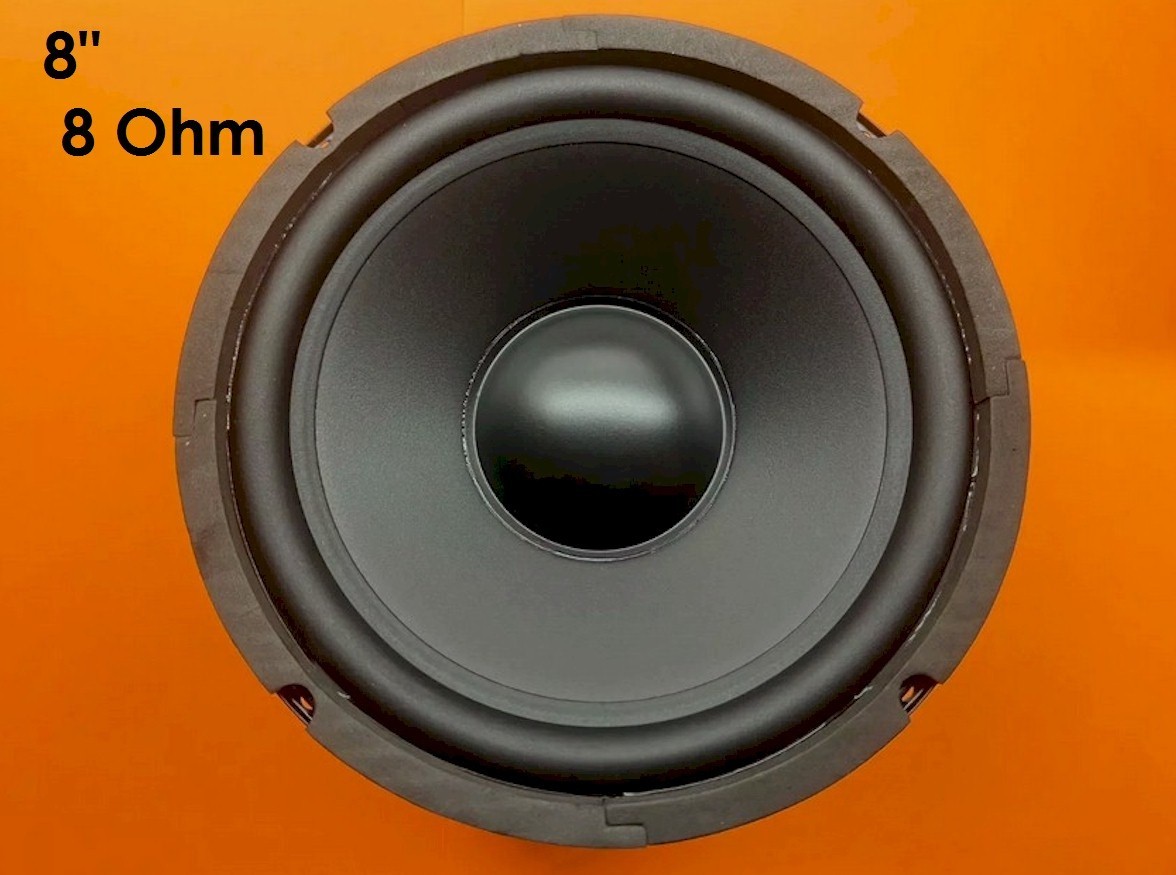


As an eBay Partner, we earn from qualifying purchases. This helps support our independent vintage technology research.
Related Models
- JBL 4310 (1970)
- JBL 4315 Control Monitor (1977)
- JBL L110A (1975)
- JBL 4311B (1975)
- JBL 4408 (1975)
- Akai AM-2850 (1975)
- Akai AP-206 (1975)
- Nakamichi BX-1 (1985)
- Acoustic Research research-ar-17 (1978)
- Acoustic Research AR-19 (1994)