JBL L222 Disco: The Iconic Speaker That Brought Studio Sound to the Dance Floor
In the late 1970s, as disco culture exploded across the globe and home audio systems evolved into statement pieces, JBL—a brand already renowned for its professional studio monitors—launched a speaker that would become a cultural and sonic landmark: the JBL L222 Disco. More than just a product of its time, the L222 Disco bridged the gap between professional-grade sound reproduction and the flamboyant aesthetics of the era, earning a lasting reputation among vintage audio enthusiasts, collectors, and retro dance aficionados.
Historical Context and Release Background
Introduced in 1977 and produced until 1982, the JBL L222 Disco was a direct response to the booming demand for high-impact sound in home environments tuned for music, parties, and cinematic experiences. Unlike JBL’s more conservative studio monitors like the 4310 or 4311, the L222 Disco was designed with flair—literally. Its bold, angular cabinet, often finished in rich walnut or dramatic black ash, and accented with a distinctive chrome-plated JBL logo and flared port tubes, made it a centerpiece in any room. The name “Disco” wasn’t just marketing; it reflected JBL’s intent to dominate the high-energy playback market where bass response, clarity, and durability were paramount.
The L222 Disco shared DNA with JBL’s legendary D130F 12-inch woofer, a staple in professional PA systems and guitar cabinets since the 1950s. By integrating this proven driver into a consumer-grade, three-way design, JBL offered audiophiles and party hosts alike a taste of studio-monitor accuracy with the punch needed for disco, funk, and rock.
Technical Specifications
| Feature | Specification |
| Model | JBL L222 Disco |
| Type | 3-way, bass reflex |
| Drivers | 1 × 12" woofer (D130F), 2 × 5" midrange (M19D), 1 × 1-inch tweeter (2406) |
| Impedance | 8 ohms nominal |
| Sensitivity | 92 dB (1W/1m) |
| Frequency Response | 55 Hz – 20 kHz |
| Crossover Points | 700 Hz (woofer to midrange), 3.5 kHz (midrange to tweeter) |
| Recommended Power | 20–150 watts |
| Enclosure | Dual-ported bass reflex |
| Dimensions (H×W×D) | 28.5" × 14.5" × 14" (72.4 × 36.8 × 35.6 cm) |
| Weight | 65 lbs (29.5 kg) each |
| Finish Options | Walnut, black ash, rosewood veneer |
Sound Quality Characteristics
The JBL L222 Disco delivers a sound signature that is both powerful and articulate—hallmarks of JBL’s engineering philosophy. The 12-inch D130F woofer provides deep, tight bass with exceptional cone control, capable of reproducing kick drums and synth lines with authority. Unlike many bass-heavy disco-era speakers that sacrificed clarity for volume, the L222 maintains definition even at high SPLs.
The dual 5-inch M19D midrange drivers are a standout feature. Arranged vertically on either side of the tweeter, they offer a wide dispersion pattern and rich vocal reproduction. This configuration minimizes phase issues and creates a broad, immersive soundstage—ideal for filling large rooms with music.
The 1-inch 2406 compression driver tweeter, mounted in a horn-like waveguide, delivers crisp, detailed highs without harshness. It’s capable of handling the sibilance in vocals and the shimmer of cymbals with precision, a trait inherited from JBL’s professional monitor lineage.
Overall, the L222 Disco presents a forward, dynamic sound—slightly bright by modern standards, but incredibly engaging. It excels with genres like disco, soul, rock, and jazz, where rhythm and presence are key. While not as neutral as modern reference monitors, its sonic character is often described as “lively,” “energetic,” and “fun.”
Notable Features and Innovations
- Dual Port Design: The bass reflex cabinet uses two flared ports on the front baffle, reducing port noise and enhancing low-frequency extension—crucial for dance music.
- Studio-Grade Drivers: The use of the D130F and 2406—both staples in JBL’s pro audio lineup—was rare in consumer speakers at the time.
- Vertical Midrange Array: The dual M19D drivers improve midrange clarity and stereo imaging, a design choice that prefigured modern multi-driver center channels.
- Durable Construction: Thick MDF cabinets with real wood veneers not only looked luxurious but also minimized cabinet resonance.
Market Value and Collectibility
Today, the JBL L222 Disco is a sought-after collector’s item, particularly among vintage audio enthusiasts and retro interior designers. Well-maintained pairs in walnut or rosewood finishes can command $800–$1,500, with prices rising for units with original grilles, minimal cabinet wear, and fully functional drivers.
Factors that increase value:
- Original JBL foam grilles (often missing or deteriorated)
- Intact chrome badges and nameplates
- Fully operational drivers (especially the 2406 tweeter, which can fail due to diaphragm fatigue)
- Matching serial numbers and original finish
While not as rare as some limited-run Japanese receivers, the L222 Disco’s iconic status and strong performance ensure steady demand. It’s frequently featured in vintage audio auctions, retro hi-fi builds, and even music videos aiming for a 1970s aesthetic.
Common Issues and Maintenance Tips
Like all vintage speakers, the L222 Disco requires care to maintain performance:
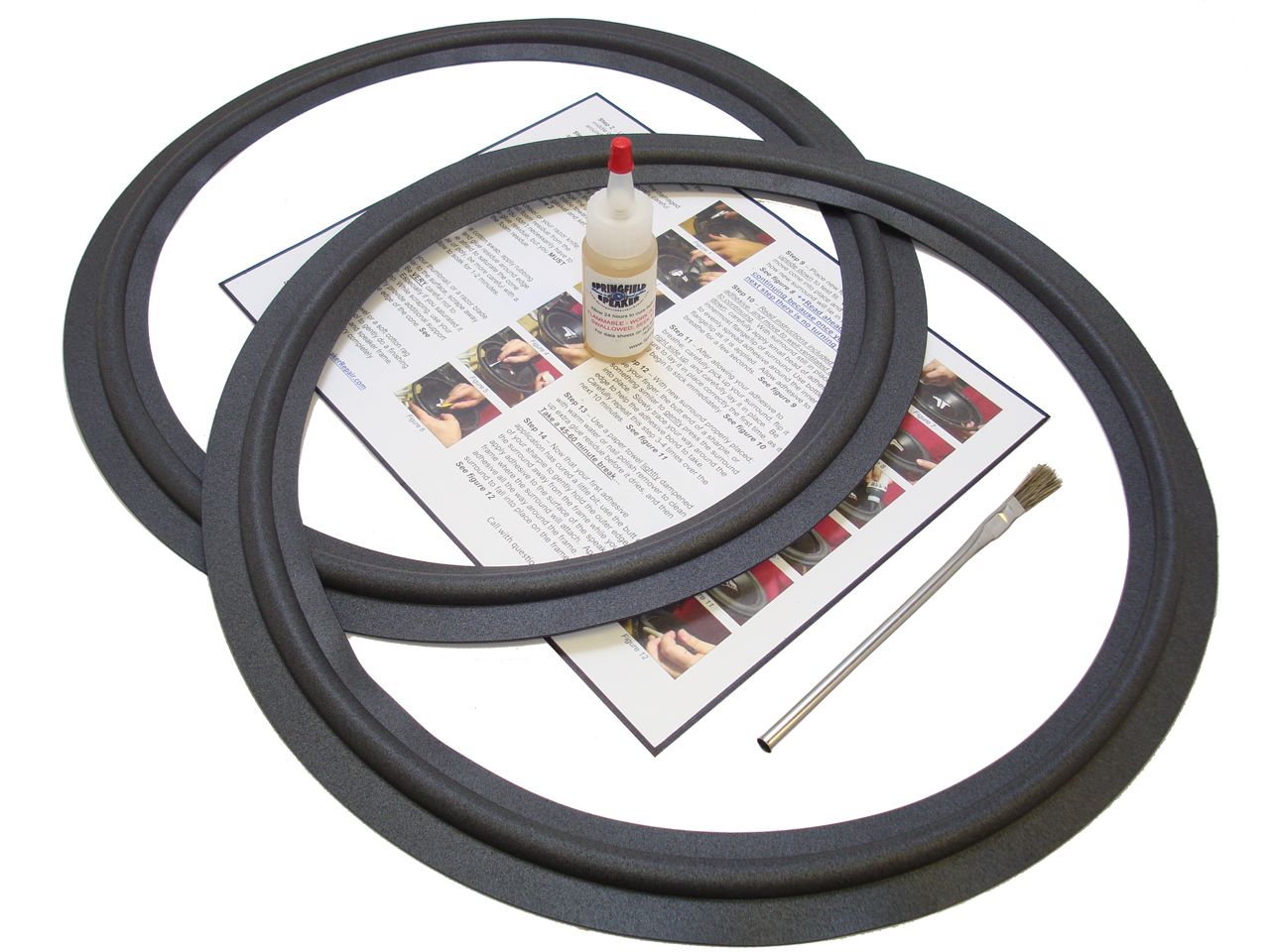
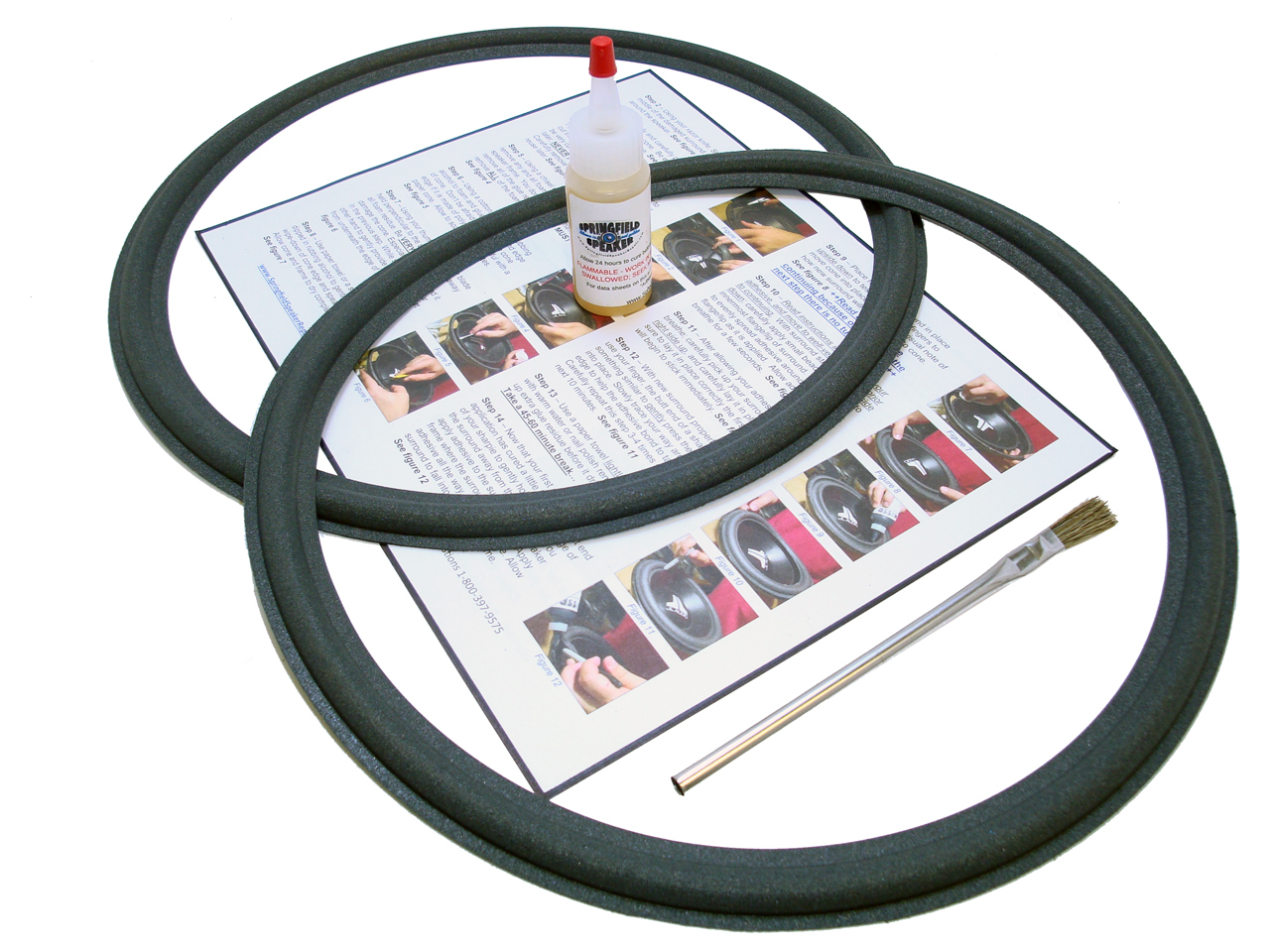
- Foam Surround Degradation: The original foam surrounds on the D130F woofer often dry out and crumble after 40+ years. Refoaming by a specialist is highly recommended and can restore bass response.
- Tweeter Diaphragm Fatigue: The 2406’s aluminum diaphragm can develop micro-cracks, leading to distortion or failure. Replacement or reconing is possible but costly.
- Crossover Component Aging: Electrolytic capacitors in the crossover network may leak or lose capacitance. A capacitor rebuild improves clarity and protects drivers.
- Grille Fabric Deterioration: The original acoustically transparent grille cloth often tears. Replacement with period-correct or modern equivalents is advised.
- Cabinet Scratches and Veneer Lifting: Use wood-safe cleaners and avoid direct sunlight to preserve finish.
Regular inspection and professional servicing can extend the life of an L222 Disco indefinitely. Many owners report that with proper restoration, these speakers outperform modern bookshelf models in dynamics and realism.
Comparison to Similar Models
| Model | Key Differences | Pros | Cons |
| JBL L100 Classic | Smaller (10" woofer), more compact, tri-laminate design | More affordable, iconic look | Less bass depth, lower sensitivity |
| KLH Model Eleven | Sealed enclosure, 12" woofer, smoother response | Tighter bass, neutral tone | Less dynamic, lower efficiency |
| AR-7 | Acoustic suspension, 10" woofer | Accurate midrange, detailed | Requires high power, less bass impact |
| Infinity PS-16 | Horn-loaded tweeter, complex crossover | Extremely dynamic, high sensitivity | Prone to component failure, harder to service |
The L222 Disco stands out for its combination of size, power, and studio DNA. While the L100 is more iconic in pop culture, the L222 offers superior bass and higher output—making it better suited for music lovers who value impact and presence.
Final Thoughts
The JBL L222 Disco is more than a relic of the 1970s—it’s a testament to a time when audio equipment was built to last, designed to impress, and engineered to perform. Whether you’re a collector, a vintage hi-fi enthusiast, or simply someone who appreciates bold design and powerful sound, the L222 Disco delivers on every front. With proper care, it remains a compelling alternative to modern speakers, offering a sonic experience that’s both nostalgic and thrillingly alive. In the world of vintage audio, few speakers say “disco era” quite like the JBL L222—where studio rigor met Saturday Night Fever.
eBay Listings


As an eBay Partner, we earn from qualifying purchases. This helps support our independent vintage technology research.
Related Models
- JBL 4310 (1970)
- JBL 4315 Control Monitor (1977)
- JBL L110A (1975)
- JBL 4311B (1975)
- JBL 4408 (1975)
- Akai AM-2850 (1975)
- Akai AP-206 (1975)
- Nakamichi BX-1 (1985)
- Acoustic Research research-ar-17 (1978)
- Acoustic Research AR-19 (1994)