JBL L200A: The Iconic Studio Monitor That Defined an Era
The JBL L200A is more than just a vintage loudspeaker—it’s a sonic landmark in the history of high-fidelity audio. Introduced in 1974 by the American audio giant JBL (James B. Lansing Designs), the L200A was part of the revered L-series, a line of professional and consumer speakers that brought studio-monitor accuracy into the living room. Revered for its powerful, dynamic sound and striking aesthetic, the L200A became a favorite among audiophiles, recording engineers, and music lovers during the golden age of analog audio.
Historical Context and Release
The mid-1970s marked a turning point in home audio. As stereo systems became mainstream and music formats like vinyl LPs reached artistic and technical maturity, consumers demanded speakers that could faithfully reproduce the full emotional range of recorded music. JBL, already respected for its professional studio monitors used in recording studios and broadcast facilities, leveraged its expertise to create a line of consumer speakers that combined studio-grade performance with domestic appeal.
The L200A was the flagship of this effort. It evolved from the earlier L100 (released in 1970), incorporating refined components and a more sophisticated crossover design. The "A" revision, introduced in 1974, featured upgraded drivers and improved time alignment, setting a new benchmark for affordable high-end speakers. The L200A remained in production until 1980, when it was succeeded by the L200II. During its six-year run, it became one of the best-selling high-performance speakers of its time.
Technical Specifications
The L200A is a three-way, bass-reflex floor-standing speaker with a meticulously engineered driver array and crossover network. Its design prioritized efficiency, power handling, and clarity—hallmarks of JBL’s engineering philosophy.
| Type | 3-way, bass reflex |
| Drivers | 12" woofer, 5" midrange, 1" tweeter |
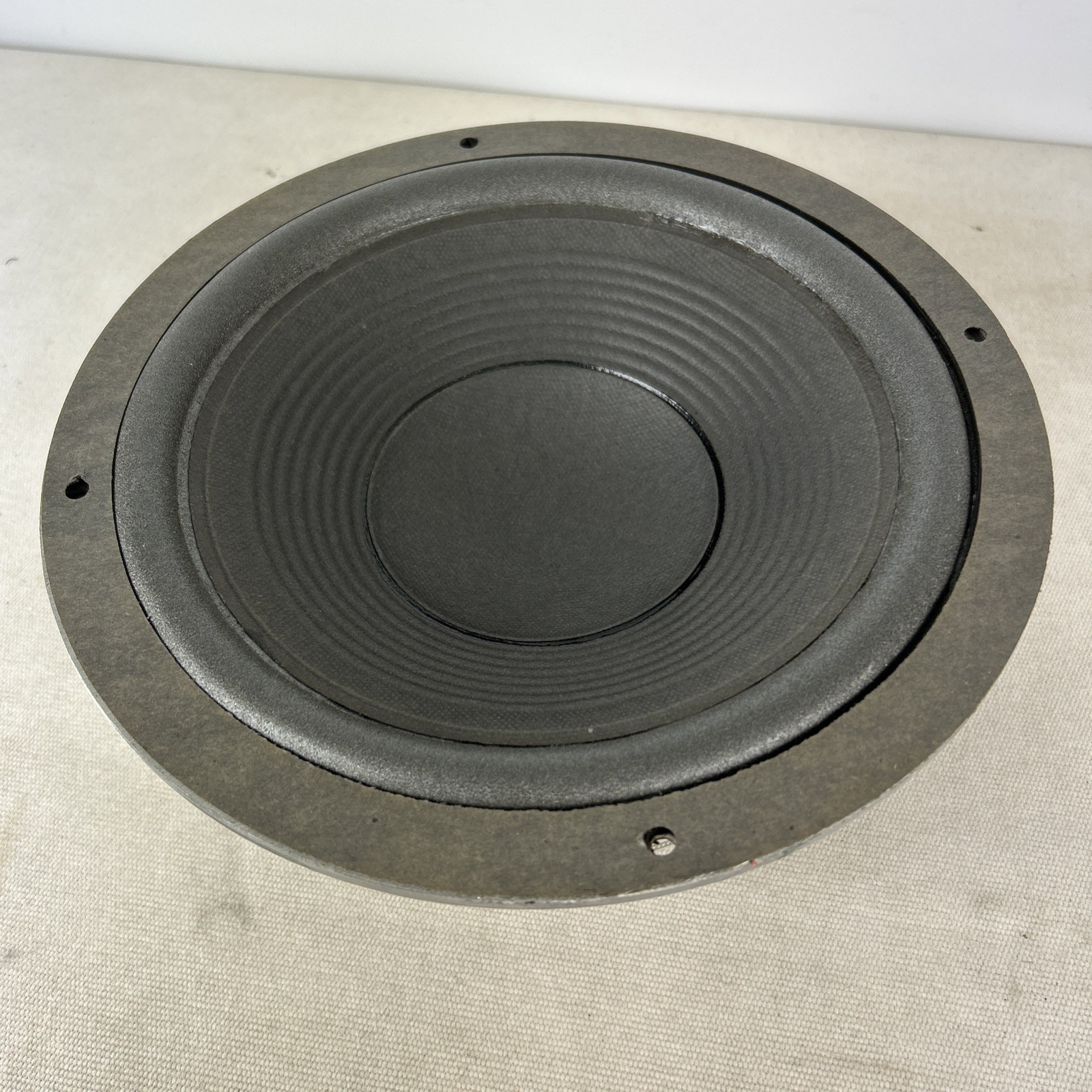
| Woofer | JBL D130F (12-inch, paper cone) |
| Midrange | JBL LE5-2 (5-inch, aluminum voice coil) |
| Tweeter | JBL 2405 (1-inch compression driver with "bullet" horn) |
| Crossover Frequencies | 700 Hz (woofer/mid), 3.5 kHz (mid/tweet) |
| Impedance | 8 ohms (nominal) |
| Sensitivity | 92 dB (1W/1m) |
| Frequency Response | 45 Hz – 20 kHz |
| Recommended Power | 20–200 watts |
| Enclosure | Vented (ported) |
| Dimensions (each) | 27.5" H × 13.5" W × 13.5" D |
| Weight | 65 lbs |
| Finish Options | Walnut, black ash, rosewood veneer |
The standout feature is the JBL 2405 "bullet" tweeter, a high-frequency compression driver mounted on a distinctive horn with a bullet-shaped phase plug. This design improved dispersion and reduced distortion, delivering crisp, detailed highs with exceptional clarity. The 12-inch D130F woofer provided deep, authoritative bass, while the 5-inch LE5-2 midrange ensured smooth vocal and instrumental reproduction.
Sound Quality Characteristics
The JBL L200A is celebrated for its dynamic, punchy, and lively sound signature. With a sensitivity of 92 dB, it’s highly efficient and works beautifully with low-powered tube amplifiers as well as high-current solid-state gear. Its tonal balance leans slightly toward the bright side, especially in the upper mids and treble, which gives instruments and vocals a sense of presence and immediacy.
Bass response is tight and impactful, extending down to 45 Hz—remarkable for a speaker of its era. The bass reflex design enhances low-end output without sacrificing speed, making the L200A particularly adept at reproducing rock, jazz, and orchestral music with authority.
The midrange is where the L200A truly shines. The LE5-2 driver delivers rich, natural vocals with excellent texture and clarity. Whether it’s the rasp of a blues singer or the breath of a saxophone, the L200A captures nuance with startling realism.
The "bullet" tweeter is both a blessing and a point of contention. It provides exceptional detail and airiness, but some listeners find it slightly aggressive, especially with bright recordings or poor room acoustics. However, when properly positioned and paired with warm electronics, the L200A offers a thrilling, engaging listening experience that few vintage speakers can match.
Notable Features and Innovations
You can't talk about the L200A without gushing about its studio heritage. This thing is basically a slightly domesticated version of the monitors JBL was selling to recording studios, and that pedigree shows. It brought near-field studio accuracy right into your living room, which was a big deal back then. The time-aligned crossover wasn't just marketing fluff; by physically staggering the drivers, JBL improved phase coherence and imaging, making the soundstage more precise.
That 92 dB sensitivity is a godsend for vintage gear lovers. It means you can pair these beasts with a sweet little 30-watt tube amp from McIntosh or Marantz and they'll sing, not just whisper. And let's be honest, the distinctive aesthetic is half the appeal. The trapezoidal cabinet with that gorgeous radial wood veneer and the serious black grille cloth gives the L200A a bold, almost futuristic look that still commands attention. Plus, JBL’s modular, serviceable driver design means these things are built to last and, thankfully, easy to repair when they need some love.
Market Value and Collectibility
Today, the JBL L200A is a sought-after vintage speaker, prized by collectors and audiophiles alike. Well-maintained pairs in walnut or rosewood veneer typically sell for $800 to $1,500 per pair, depending on condition, originality, and driver configuration. Units with the coveted "black stripe" or "California" badges (indicating later production) may command higher prices.
The L200A’s collectibility stems from its iconic status, historical significance, and enduring sound quality. It frequently appears on “best vintage speakers of all time” lists and is a favorite at audio shows and vintage gear auctions. Its popularity has also led to a robust aftermarket for reconed drivers and replacement parts.
Common Issues and Maintenance
Like all vintage speakers, the L200A requires care to maintain peak performance. The number one issue is surround rot. The foam surrounds on the D130F woofer almost always turn to dust after 40+ years. Re-foaming is a common and necessary repair—thankfully, high-quality kits are readily available. Next up are the crossover capacitors. They dry out with age, leading to dull, lifeless highs or an imbalanced sound. Swapping them out for modern metal-film or polypropylene caps is like giving the speaker a hearing aid; the clarity comes rushing back.
Don't forget the tweeter. The 2405’s delicate diaphragm can fatigue or tear over time, causing distortion. It's worth checking, but replacement diaphragms are out there. The original black cloth grilles often look tired and discolored, but reproduction fabrics are easy to find. Finally, give the cabinet a once-over for veneer lifting or wood warping, especially on the more delicate rosewood models. The good news? JBL’s sensible design and a passionate vintage audio community make restoration a totally achievable project.
Comparison to Similar Models
So how does the L200A stack up against the competition? Compared to the legendary JBL L100, the L200A feels like the more grown-up, sophisticated sibling. It offers better imaging and more controlled dynamics, though it lacks the L100's ultimate wall-of-sound punch. The later JBL L200II is smoother and more refined, especially in the treble, but some of us miss the raw, punchy excitement of the original L200A.
Against brands like Acoustic Research or KLH, the difference is stark. An AR-7 is warmer and more laid-back with its sealed cabinet, but it can't touch the JBL's dynamic slam and live-energy feel. The KLH Model Eleven is similarly neutral and smooth, but frankly, less thrilling. The L200A stands out for its combination of power, clarity, and vintage charisma. It’s not the most neutral speaker on the block, but it delivers a more engaging, “you-are-there” sound that many of us find completely irresistible.
Final Thoughts
The JBL L200A is a true classic—a speaker that bridges the gap between professional monitoring and home audio enjoyment. Its bold design, studio-bred engineering, and thrilling sound have earned it a permanent place in the pantheon of great vintage loudspeakers. Whether you're building a retro stereo system or restoring a piece of audio history, the L200A remains a compelling choice. With proper care, it can deliver decades more of musical enjoyment, proving that great sound never goes out of style.
eBay Listings


As an eBay Partner, we earn from qualifying purchases. This helps support our independent vintage technology research.
Related Models
- JBL 4310 (1970)
- JBL 4315 Control Monitor (1977)
- JBL L110A (1975)
- JBL 4311B (1975)
- JBL 4408 (1975)
- Akai AM-2850 (1975)
- Akai AP-206 (1975)
- Nakamichi BX-1 (1985)
- Acoustic Research research-ar-17 (1978)
- Acoustic Research AR-19 (1994)