JBL L19: The Forgotten Flagship of the Quadraphonic Era
In the pantheon of vintage loudspeakers, few models embody the bold experimentation and sonic ambition of the 1970s quite like the JBL L19. Released in 1975 at the height of the quadraphonic and high-fidelity boom, the L19 was JBL’s answer to the demand for a high-performance, three-way floorstanding speaker that could deliver both authority and refinement. Though often overshadowed by its more famous siblings like the L100 Century or the monstrous L200, the L19 carved out a loyal following among audiophiles and studio engineers who prized its balanced tonality, robust build, and versatile performance.
Historical Context and Release Years
The mid-1970s were a golden era for speaker design. With the rise of quadraphonic sound, the growing popularity of home audio systems, and increasing consumer demand for higher fidelity, manufacturers like JBL, AR, Klipsch, and Advent were pushing the boundaries of what was possible in domestic audio. JBL, already renowned for its professional studio monitors and cinema speakers, sought to bring that same engineering rigor to the home market.
The L19 was introduced in 1975 as a premium three-way design, positioned between the entry-level L10 and the flagship L100. It was part of JBL’s “L-series,” a lineup that emphasized both aesthetic elegance and acoustic performance. Unlike the spherical L100, the L19 featured a tall, rectangular cabinet with a distinctive vertical midrange/tweeter array, giving it a more traditional high-end look. Production continued until 1980, when it was quietly discontinued in favor of newer models incorporating updated drivers and crossovers.
Notably, the L19 was one of the few JBL speakers of the era designed specifically for stereo and quadraphonic use in living-room environments, with a sensitivity and impedance that made it compatible with the tube and solid-state receivers of the time.
Technical Specifications
| Specification | Detail |
| Model | JBL L19 |
| Type | 3-way, bass-reflex floorstanding |
| Drivers | 12" woofer (M21F), 3" midrange (M61), 1" tweeter (075) |
| Crossover Frequency | 1500 Hz (woofer/midrange to tweeter) |
| Frequency Response | 45 Hz – 20 kHz (±3 dB) |
| Sensitivity | 88 dB (2.83V/1m) |
| Nominal Impedance | 8 ohms |
| Recommended Amplifier Power | 20 – 150 watts |
| Enclosure Type | Vented (ported) |
| Port Location | Rear-firing |
| Dimensions (H x W x D) | 26.5" x 12" x 12.5" |
| Weight | 62 lbs per speaker |
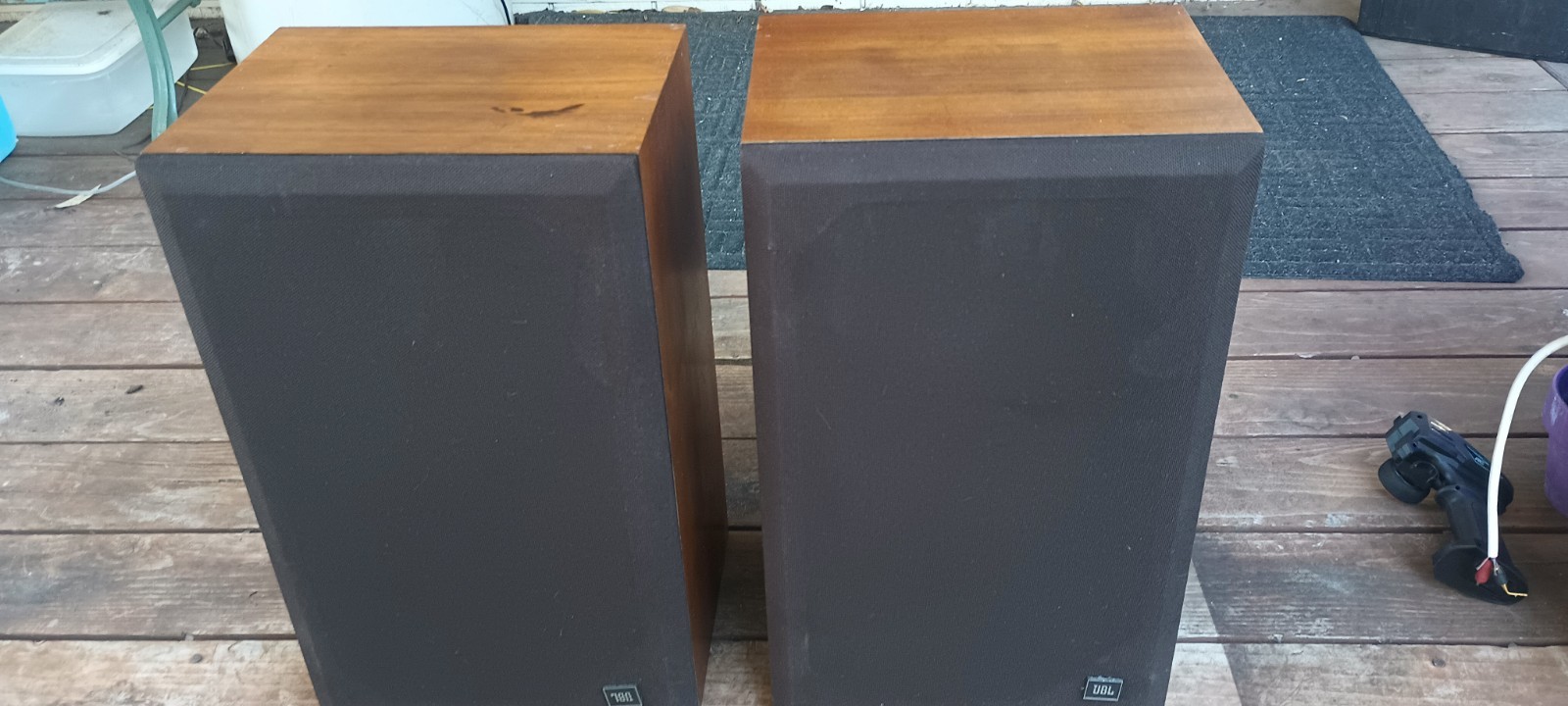
| Finish Options | Walnut or rosewood real wood veneer |
| Grille | Black fabric, removable |
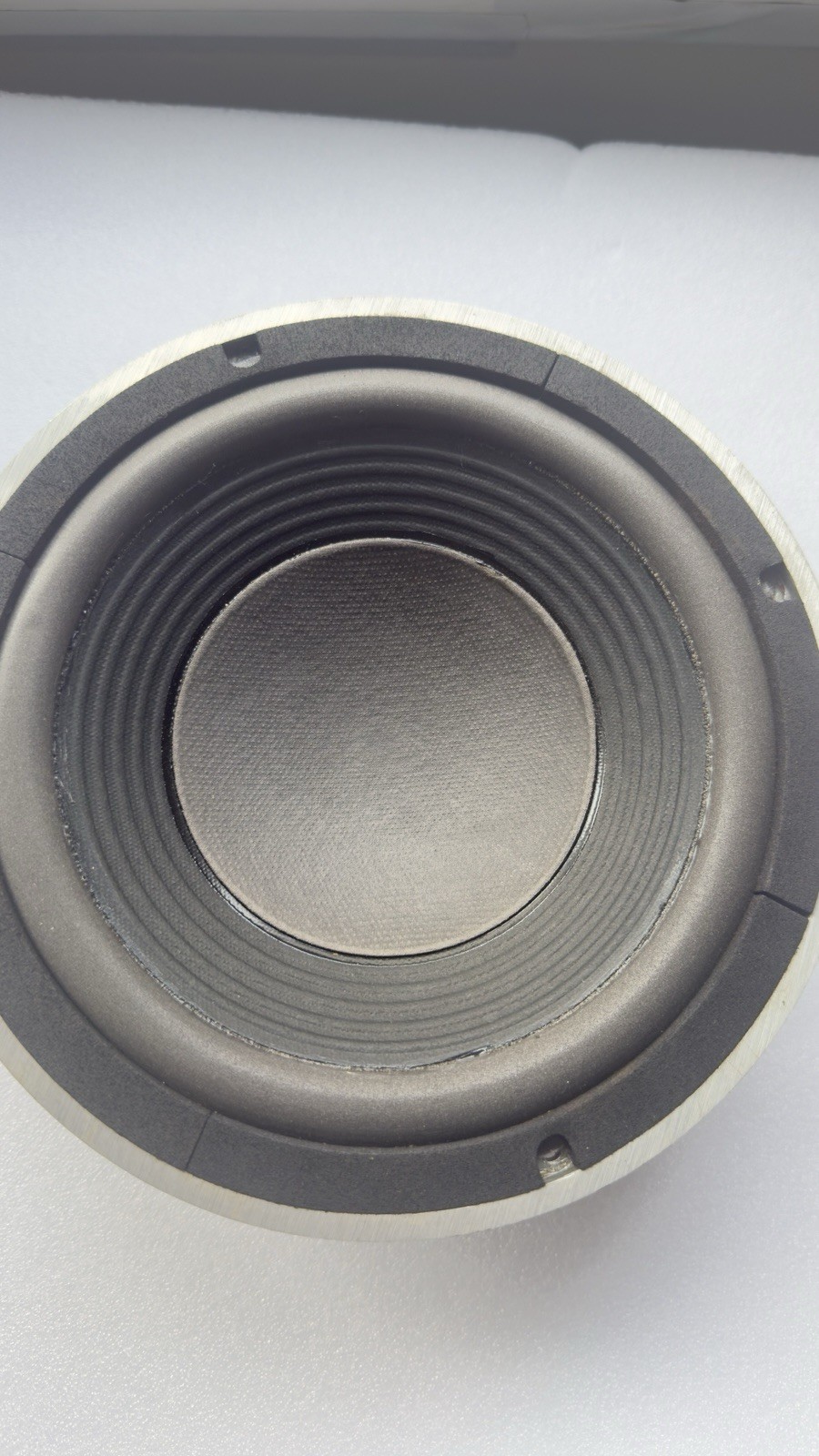
The L19’s driver complement is a hallmark of JBL’s engineering philosophy at the time: robust, efficient, and built to last. The 12-inch M21F woofer features a doped paper cone and a large magnet structure for strong bass output. The M61 3-inch midrange is a rare and highly regarded unit, known for its clarity and low distortion. The 075 1-inch soft-dome tweeter (a departure from JBL’s usual titanium domes) provides a smoother, more relaxed high end—ideal for extended listening.
Sound Quality Characteristics
The JBL L19 delivers a sound that is both dynamic and balanced—unusual for a speaker of its era, which often leaned toward brightness or excessive bass. Thanks to its three-way design, the L19 avoids the crossover strain common in two-way systems, resulting in a clean, articulate midrange and seamless integration between drivers.
- Bass: Deep and punchy for its size, with the ported cabinet extending response down to 45 Hz. Not as visceral as the L100, but tighter and better controlled.
- Midrange: The standout feature. The M61 midrange driver offers exceptional clarity, making vocals and acoustic instruments sound lifelike and present.
- Treble: Smooth and detailed, without the harshness sometimes associated with vintage JBL tweeters. The soft dome helps tame sibilance, making the L19 forgiving with lower-quality recordings.
- Soundstage: Wide and well-defined, with precise imaging. In a well-set-up room, the L19 can create a convincing three-dimensional listening experience.
The L19 works particularly well with tube amplifiers, whose warmth complements the speaker’s natural balance. However, it also performs admirably with clean solid-state gear, revealing its versatility.
Notable Features and Innovations
- Vertical MTM Array: The midrange and tweeter are mounted in a vertical mid-tweeter-mid (MTM) configuration, improving dispersion and off-axis response.
- Real Wood Veneer: Unlike many contemporaries that used vinyl wrap, the L19 came in high-quality walnut or rosewood veneer, giving it a premium look.
- Professional-Grade Components: The crossover uses metal-film resistors and polypropylene capacitors—uncommon in consumer speakers of the time.
- Modular Design: The drivers are easily replaceable, a boon for restorers and DIY enthusiasts.
Market Value and Collectibility
While not as iconic as the L100, the JBL L19 has seen a steady rise in collectibility over the past decade. Well-maintained pairs in original finish, especially with working original drivers, typically sell for $600–$1,200 on the vintage market. Rosewood versions are rarer and often command a 20–30% premium.
The L19 appeals to a niche but passionate audience: audiophiles who appreciate its refined sound, vintage gear collectors, and JBL enthusiasts seeking something less common than the ubiquitous L100. Its value is further supported by the durability of its components and the availability of replacement parts through specialty vendors.
Common Issues and Maintenance
Like all vintage speakers, the L19 requires attention to age-related wear:
- Surround Rot: The foam surrounds on the woofer and midrange can degrade after 40+ years. Re-foaming or reconing is often necessary.
- Capacitor Aging: The crossover capacitors may dry out, leading to dull sound or tweeter damage. Replacing them with modern equivalents is highly recommended.
- Grille Fabric: Original grilles may be torn or faded. Replacement fabric is available from specialty suppliers.
- Binding Posts: Original posts can corrode. Upgrading to modern 5-way posts improves connectivity and appearance.
Restoration is straightforward for experienced DIYers. Many online communities, including the JBL Speakers Forum and Audiokarma, offer detailed guides and parts sourcing.
Comparison to Similar Models
| Model | Bass Response | Midrange Clarity | Treble Character | Market Value |
| JBL L19 | 45 Hz | Excellent (M61) | Smooth (soft dome) | $600–$1,200 |
| JBL L100 | 40 Hz | Good | Bright (titanium) | $800–$1,800 |
| AR-7 | 50 Hz | Warm, lush | Soft | $400–$700 |
| KLH Model Eleven | 42 Hz | Clear | Neutral | $500–$900 |
| Infinity SS-1 | 38 Hz | Very detailed | Bright | $1,000+ |
The L19 strikes a sweet spot between the L100’s boldness and the AR-7’s warmth, offering a more neutral, accurate presentation than either. Its soft-dome tweeter makes it more listenable over long sessions than the sometimes-fatiguing L100.
Final Thoughts
The JBL L19 may not have the cult status of the L100, but it represents one of JBL’s most refined and balanced designs of the 1970s. With its excellent midrange, solid bass, and smooth highs, it remains a compelling choice for audiophiles seeking vintage performance without the sonic extremes of its peers. For those willing to invest in a restoration, the L19 offers a window into a golden age of speaker design—where engineering excellence met elegant craftsmanship.
Whether you're building a classic quadraphonic setup or simply want a pair of speakers with character and soul, the JBL L19 deserves a second look. It’s not just a relic—it’s a revelation.
eBay Listings


As an eBay Partner, we earn from qualifying purchases. This helps support our independent vintage technology research.
Related Models
- JBL 4310 (1970)
- JBL 4315 Control Monitor (1977)
- JBL L110A (1975)
- JBL 4311B (1975)
- JBL 4408 (1975)
- Akai AM-2850 (1975)
- Akai AP-206 (1975)
- Nakamichi BX-1 (1985)
- Acoustic Research research-ar-17 (1978)
- Acoustic Research AR-19 (1994)