JBL L150A: The Iconic Studio Monitor That Defined an Era
The JBL L150A stands as one of the most celebrated and influential loudspeakers of the 1970s, representing the golden age of American hi-fi design. Introduced in 1974 by the legendary engineering team at JBL (James B. Lansing Designs), the L150A was not merely a consumer product—it was a direct descendant of professional studio monitors used in recording studios across the United States. With its bold aesthetics, high sensitivity, and powerful sound, the L150A quickly became a staple in audiophile living rooms and a symbol of sonic authority during the stereo boom of the 1970s.
Historical Context and Release Background
The L150A emerged during a transformative period in audio history. The 1970s saw a surge in demand for high-fidelity home audio systems, driven by the popularity of stereo LPs and the growing sophistication of amplifier technology. JBL, already renowned for its professional loudspeakers used in concert halls and studios, sought to bring that same performance to the domestic market. The L150A was part of JBL’s premium “L-series,” which included models like the L100 and L200. These speakers featured the company’s signature horn-loaded tweeter and dual-woofer configurations, delivering high efficiency and dynamic range ideal for both music and home theater (in its early forms).
The L150A was notable for being a slightly upgraded version of the original L100, featuring revised crossover components, improved cabinet bracing, and a more refined midrange driver. It was marketed as a “bookshelf” speaker, though its imposing size—over two feet tall and weighing 65 pounds—made it more of a floor-standing statement piece. The striking walnut or rosewood veneer cabinets, often paired with a bold, color-matched foam grille (a hallmark of the era), gave the L150A a distinctive, almost theatrical presence.
Technical Specifications
| Specification | Detail |
| Model | JBL L150A |
| Type | 3-way, bass reflex |
| Drivers | 12" woofer, 5" midrange, 1" titanium diaphragm compression tweeter |
| Crossover Frequency | 1.5 kHz (woofer/mid to tweeter) |
| Impedance | 8 ohms (nominal) |
| Sensitivity | 94 dB (1W/1m) |
| Frequency Response | 45 Hz - 20 kHz |
| Recommended Amplifier Power | 20 - 200 watts per channel |
| Cabinet Type | Vented (bass reflex) with internal bracing |
| Dimensions (H x W x D) | 26" x 13.5" x 13.5" |
| Weight | 65 lbs per speaker |
| Finish Options | Walnut, rosewood, black ash veneer |
| Grille | Color-coded foam (often orange, brown, or gold) |
Sound Quality Characteristics
The L150A is renowned for its dynamic, punchy, and highly detailed sound. Its 94 dB sensitivity allows it to play loudly with even modest tube amplifiers, making it a favorite among vintage amp enthusiasts. The horn-loaded tweeter delivers exceptional clarity and projection, particularly in the upper mids and highs, giving vocals and brass instruments a lifelike presence. The 12-inch woofer provides deep, articulate bass—rare for a speaker of its era—though it benefits from placement away from walls to avoid bass bloat.
The midrange, handled by the 5-inch driver, is forward and expressive, contributing to the speaker’s “in-your-room” soundstage. While not as neutral as some modern monitors, the L150A’s tonal balance leans toward excitement and engagement, making it ideal for rock, jazz, and live recordings. It excels with dynamic music—think Led Zeppelin, Miles Davis, or James Brown—where its ability to handle transients and high SPLs (sound pressure levels) truly shines.
Notable Features and Innovations
The L150A incorporated several advanced features for its time:
- Horn-Loaded Tweeter: The 2440 high-frequency driver with a titanium diaphragm and 0.75" throat was derived from JBL’s professional line, offering high efficiency and low distortion.
- Dual Concentric Mid-Bass Design: Though not a true concentric driver, the coaxial alignment of the midrange and woofer improved time coherence.
- High-Sensitivity Design: At 94 dB, the L150A could be driven effectively by low-power amplifiers, including vintage tube gear.
- Vented Cabinet with Flared Port: This design enhanced bass extension and reduced port noise.
- Heavy-Duty Construction: The multi-layered MDF cabinet with internal bracing minimized resonance, a rarity in consumer speakers of the 1970s.
Market Value and Collectibility
Today, the JBL L150A is a sought-after vintage speaker, particularly among collectors of classic American audio gear. Well-maintained pairs in original condition—especially with rare finishes like rosewood or black ash—can fetch between $600 and $1,200 on the secondary market. Fully restored units with reconed drivers and new foam surrounds may command even higher prices, particularly if paired with original grilles and documentation.
The L150A’s collectibility is bolstered by its cultural significance. It was used in numerous professional settings and even appeared in films and music videos of the era. Its bold design also appeals to fans of retro aesthetics, making it a popular choice for “vintage audio with style.”
Common Issues and Maintenance
Like all vintage speakers, the L150A requires attention to age-related wear:
- Degraded Foam Surrounds: The most common issue. The foam edges on the woofer and midrange dry out and crumble over time. Replacement foam kits are widely available and relatively easy to install.
- Tweeter Diaphragm Fatigue: The titanium dome can develop micro-cracks, leading to distortion or failure. Rebuilding or replacing the 2440 tweeter is recommended for critical listening.
- Crossover Component Aging: Capacitors and inductors in the crossover can drift in value. Upgrading to modern, high-quality components can improve clarity and reliability.
- Grille Foam Disintegration: The iconic colored foam grilles often deteriorate. While replacements exist, original intact grilles significantly increase value.
Regular cleaning of the cabinet with a wood-safe polish and keeping the speakers away from direct sunlight will help preserve their appearance.
Comparison to Similar Models
| Model | Key Differences | Verdict |
| JBL L100 | Smaller 10" woofer, slightly lower sensitivity (92 dB), less bass extension | L150A offers more power and bass; L100 is more compact |
| AR-9 | Acoustic Research’s sealed-box design, smoother bass, less dynamic punch | AR-9 is more neutral; L150A is more exciting and louder |
| KLH Model Eleven | Compact design, planar midrange, lower sensitivity | More detailed midrange but lacks L150A’s bass and volume capability |
| Infinity SS-1 | Horn-loaded like JBL, but with passive radiator | Similar dynamics; SS-1 has tighter bass but less midrange presence |
Final Thoughts
The JBL L150A is more than just a vintage speaker—it’s a cultural artifact of 1970s audio engineering at its most ambitious. With its studio-grade components, bold design, and thrilling sound, it remains a favorite among audiophiles who appreciate both performance and nostalgia. While it demands maintenance, the rewards are substantial: a powerful, expressive, and deeply musical listening experience that few modern speakers can replicate in character.
For those seeking a window into the golden age of hi-fi, the JBL L150A is not just a speaker—it’s a statement.
eBay Listings


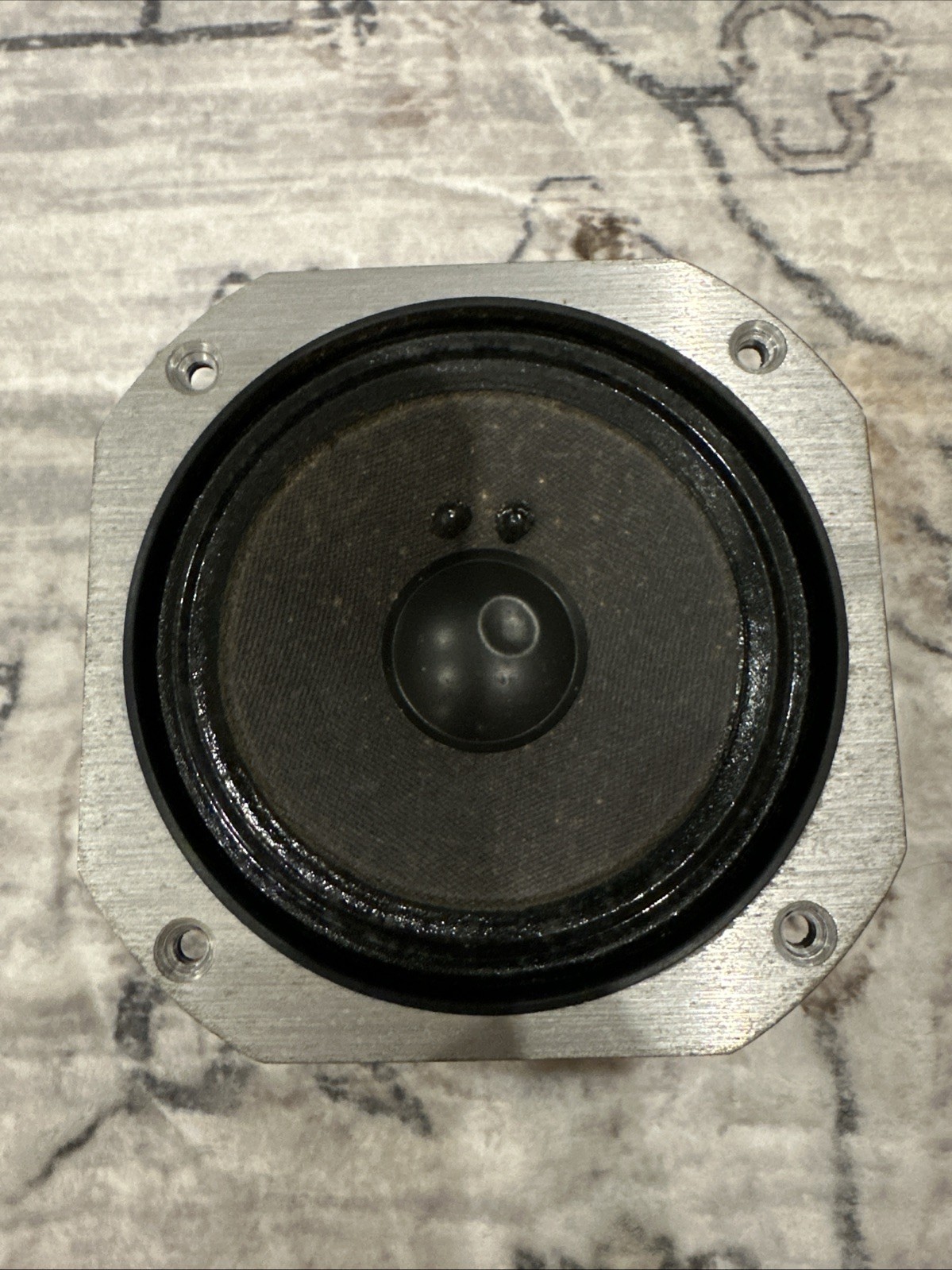
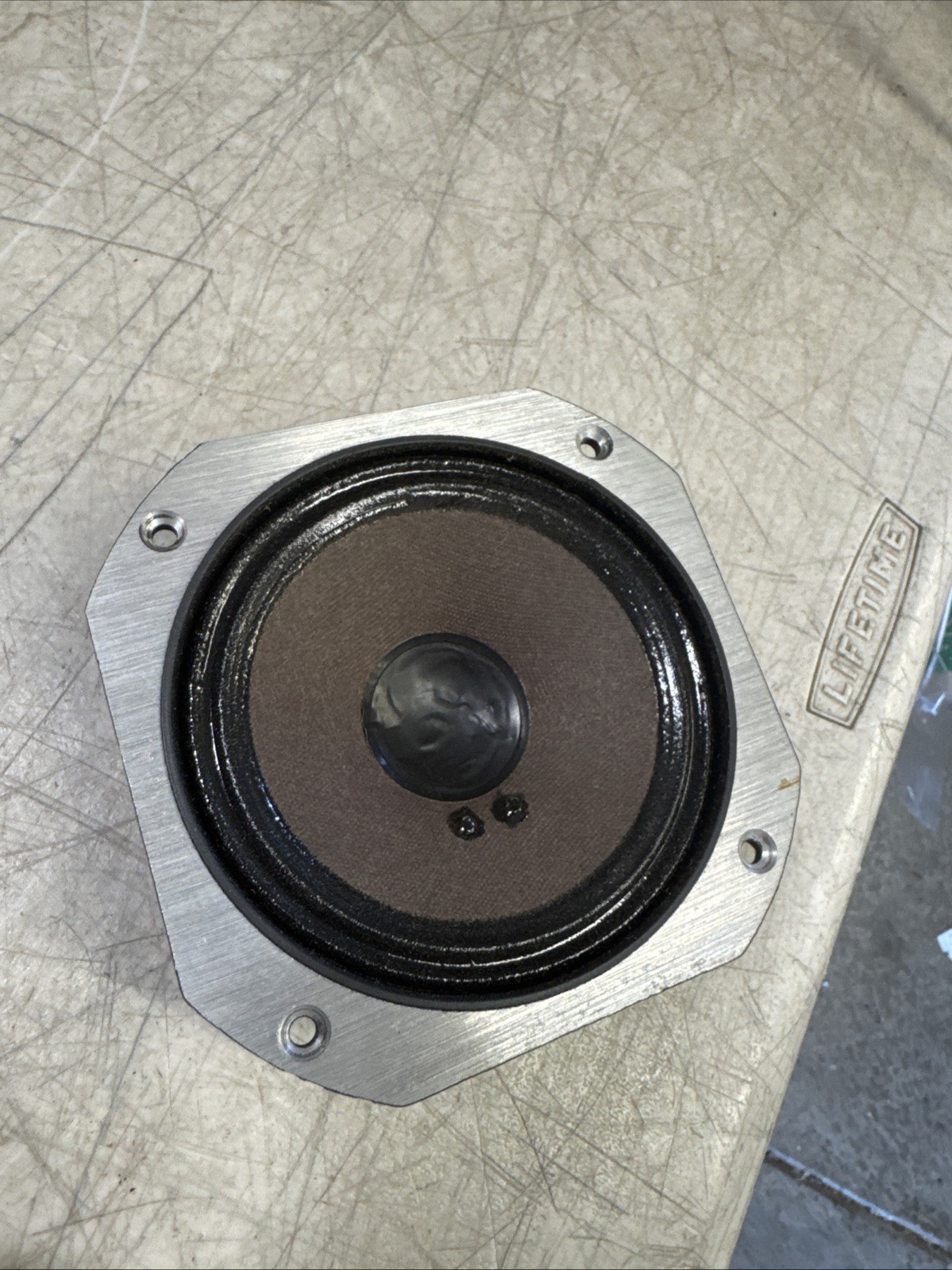
As an eBay Partner, we earn from qualifying purchases. This helps support our independent vintage technology research.
Related Models
- JBL 4310 (1970)
- JBL 4315 Control Monitor (1977)
- JBL L110A (1975)
- JBL 4311B (1975)
- JBL 4408 (1975)
- Akai AM-2850 (1975)
- Akai AP-206 (1975)
- Nakamichi BX-1 (1985)
- Acoustic Research research-ar-17 (1978)
- Acoustic Research AR-19 (1994)