JBL L15: The Legendary Studio Monitor That Shaped Hi-Fi History
The JBL L15 stands as a towering figure in the pantheon of vintage loudspeakers—a bold fusion of professional studio monitoring heritage and high-fidelity home audio ambition. Introduced in 1973 by the iconic American audio company JBL (James B. Lansing Designs), the L15 was part of JBL’s ambitious “Century” series, a lineup designed to bring the sonic accuracy and robust build quality of studio monitors into the discerning audiophile’s living room. With its striking dual-concentric driver design and no-compromise engineering, the L15 quickly earned a reputation for transparency, dynamic punch, and studio-grade neutrality.
Historical Context and Release
The early 1970s marked a golden era for high-end audio. As stereo systems became mainstream and music lovers sought greater realism, speaker manufacturers responded with increasingly sophisticated designs. JBL, already renowned for its professional loudspeakers used in recording studios and concert venues, leveraged its expertise to create the Century series—named to commemorate JBL’s 50th anniversary (founded in 1927, the “century” was symbolic). The L15 was positioned as a premium two-way floorstanding speaker, sitting below the flagship L100 but offering much of the same sonic DNA in a more compact form.
The L15 was produced from 1973 to 1979 and became a favorite among both audiophiles and recording engineers. Its design was influenced by the legendary JBL 4310 studio monitor, but with a larger 12-inch woofer and a more refined crossover, making it better suited for full-range home listening. The L15’s striking appearance—featuring a large, flared horn and concentric tweeter—was as much a statement of audio philosophy as it was of industrial design.
Technical Specifications
| Specification | Detail |
| Model | JBL L15 |
| Type | Two-way, floorstanding, acoustic suspension |
| Driver Configuration | 1x 12" woofer, 1x 1" tweeter (concentric) |
| Woofer | JBL D130F (305 mm) |
| Tweeter | JBL 075 (25 mm) in 2420 dual concentric horn |
| Crossover Frequency | 1.5 kHz |
| Impedance | 8 ohms (nominal) |
| Sensitivity | 92 dB (1W/1m) |
| Frequency Response | 45 Hz – 20 kHz |
| Recommended Amplifier Power | 20–100 watts |
| Enclosure Type | Sealed (acoustic suspension) |
| Dimensions (H×W×D) | 25.5" × 12.5" × 12.5" (64.8 × 31.8 × 31.8 cm) |
| Weight | 48 lbs (21.8 kg) each |
| Finish Options | Walnut, black ash, rare rosewood |
Sound Quality Characteristics
The JBL L15 delivers a sound that is both powerful and precise. Thanks to the dual-concentric 2420 horn design—where the tweeter is mounted at the apex of the horn—the L15 achieves exceptional time alignment and phase coherence between drivers. This results in a remarkably focused soundstage, with pinpoint imaging and excellent transient response.
The D130F 12-inch woofer provides deep, tight bass for a sealed enclosure, reaching down to 45 Hz with authority. While not as extended as ported designs, the bass is fast and articulate, avoiding the bloat sometimes associated with larger speakers of the era. The midrange is clear and neutral, with a slight forwardness that enhances vocal presence—ideal for rock, jazz, and acoustic recordings.
The high frequencies are detailed without being harsh, a testament to the smooth dispersion of the 2420 horn. Early versions used a soft dome tweeter, but later models featured the more robust 075 titanium diaphragm, which improved longevity and high-frequency extension. Overall, the L15 strikes a balance between studio monitor accuracy and home audio warmth, making it versatile across genres.
Notable Features and Innovations
The JBL L15’s most striking innovation is its dual-concentric driver system. Unlike conventional coaxial designs, the 2420 horn integrates the tweeter into the throat of the woofer’s horn, ensuring that both drivers emanate sound from a single point. This eliminates time and phase discrepancies, resulting in coherent wavefronts and superior imaging.
Other notable features include:
- Acoustic suspension design: The sealed cabinet provides tight, controlled bass and eliminates port noise, though at the expense of ultimate efficiency and deep bass extension.
- High sensitivity (92 dB): Makes the L15 compatible with lower-powered tube amplifiers, a boon for vintage audio enthusiasts.
- Robust construction: The thick MDF cabinet and durable grille reflect JBL’s commitment to durability and acoustic integrity.
Market Value and Collectibility
Today, the JBL L15 is a sought-after vintage speaker, particularly among collectors of classic American hi-fi gear. Well-maintained pairs in walnut finish typically sell for $600 to $1,200, depending on condition, originality, and market demand. Rosewood versions—rare and highly coveted—can fetch upwards of $1,800.
Collectibility is strong due to the L15’s association with the legendary Century series and its use in professional environments. Its distinctive look and proven sonic performance further enhance its appeal. Original grilles, undamaged horns, and non-repaired cabinets significantly increase value.
Common Issues and Maintenance
Like all vintage speakers, the JBL L15 requires careful inspection and potential restoration:
- Surround degradation: The foam or rubber surrounds on the D130F woofer often deteriorate after 40+ years. Re-foaming or reconing is a common and worthwhile repair.
- Tweeter failure: Early soft-dome tweeters are prone to fatigue. The 075 titanium tweeters are more durable but can still suffer from oxidation or diaphragm damage.
- Crossover components: Electrolytic capacitors in the crossover may dry out over time, leading to tonal imbalances. Replacing them with modern film capacitors can restore clarity and reliability.
- Cabinet damage: Check for veneer lifting, especially on edges, and ensure the sealed enclosure remains airtight.
Maintenance tips:
- Store in a dry, temperature-stable environment.
- Avoid direct sunlight to prevent grille cloth fading and veneer warping.
- Use a soft brush to clean the horn and grille; avoid harsh chemicals.
- Consider professional servicing for driver and crossover work.
Comparison to Similar Models
| Model | Key Differences |
| JBL L100 | Larger cabinet, 12" woofer with bass reflex port, wider frequency response (40 Hz), more bass output. More iconic "beaver tail" shape. Slightly warmer sound. |
| JBL 4311 | Professional studio monitor; smaller 10" woofer, lower sensitivity (86 dB), requires more power. More neutral, less bass. Designed for near-field use. |
| AR-3a | Acoustic suspension, but uses a folded horn and midrange driver. Warmer, more "romantic" sound. Less dynamic punch than the L15. |
| KLH Model Eleven | Similar size and sealed design, but uses a direct-radiator tweeter. Softer, more diffuse soundstage compared to the L15’s precision. |
While the L100 is more famous, the L15 offers a compelling alternative with its cleaner lines, excellent imaging, and slightly more compact footprint—ideal for smaller rooms.
Final Thoughts
The JBL L15 is more than a vintage speaker—it’s a piece of audio history. Born from JBL’s studio monitor legacy, it delivers a rare combination of accuracy, dynamics, and presence that continues to impress audiophiles decades later. Whether you're building a classic hi-fi system or restoring a piece of sonic heritage, the L15 remains a worthy centerpiece. With proper care and restoration, it can deliver decades more of thrilling, lifelike sound—proving that true excellence never goes out of style.
eBay Listings
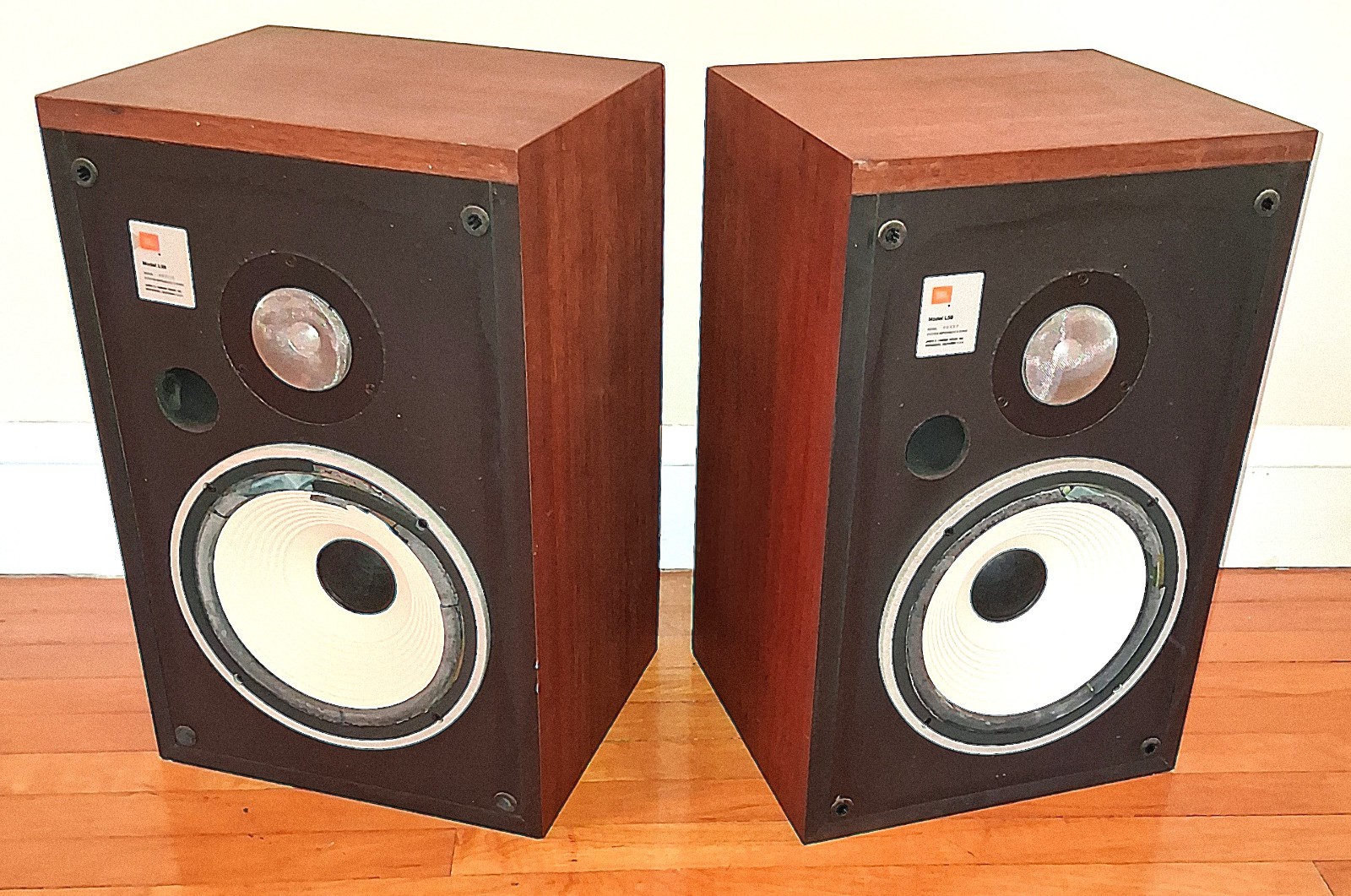
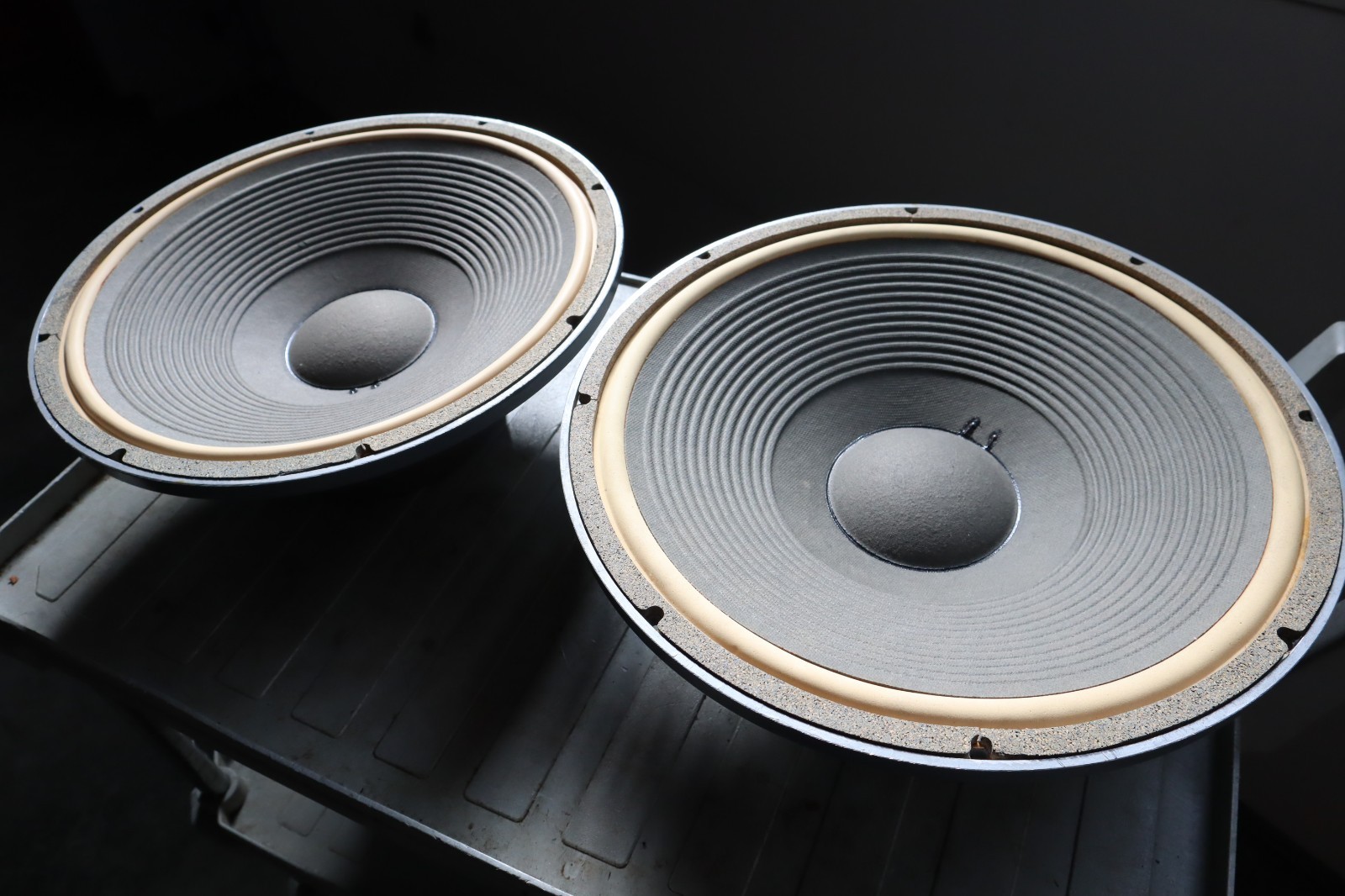
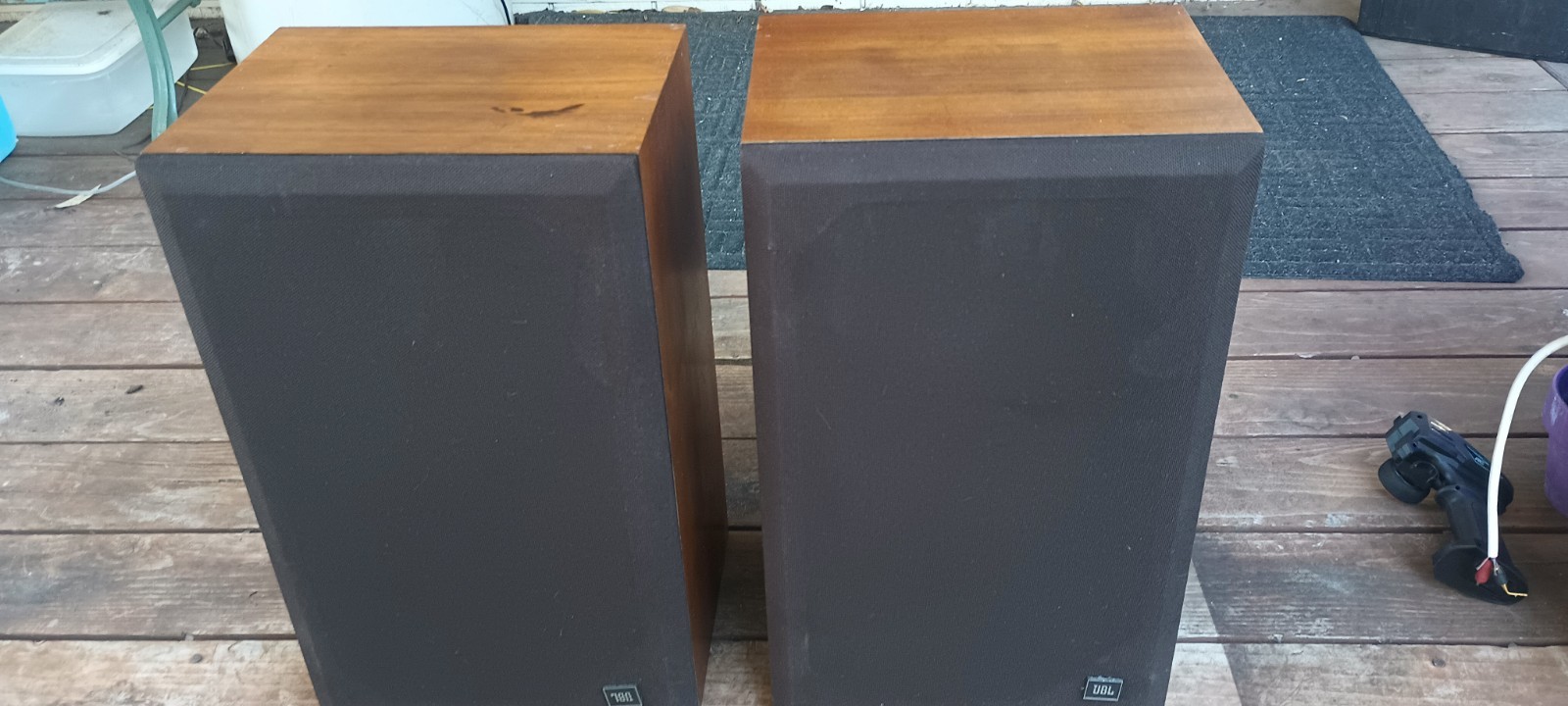

As an eBay Partner, we earn from qualifying purchases. This helps support our independent vintage technology research.
Related Models
- JBL 4310 (1970)
- JBL 4315 Control Monitor (1977)
- JBL L110A (1975)
- JBL 4311B (1975)
- JBL 4408 (1975)
- Akai AM-2850 (1975)
- Akai AP-206 (1975)
- Nakamichi BX-1 (1985)
- Acoustic Research research-ar-17 (1978)
- Acoustic Research AR-19 (1994)