JBL L55A Lancer
Overview
The JBL L55A Lancer emerged in the mid-1970s as the refined evolution of the original L55 platform, incorporating the lessons learned from four years of market experience and JBL's continuous transducer development. While maintaining the distinctive smoked glass top and mid-size floorstanding form factor that had made the Lancer a design icon, the L55A introduced subtle but meaningful improvements to driver technology, crossover design, and cabinet construction. This was a speaker for the enthusiast who appreciated the original Lancer concept but demanded the latest in audio engineering.
Preserved Heritage, Enhanced Performance
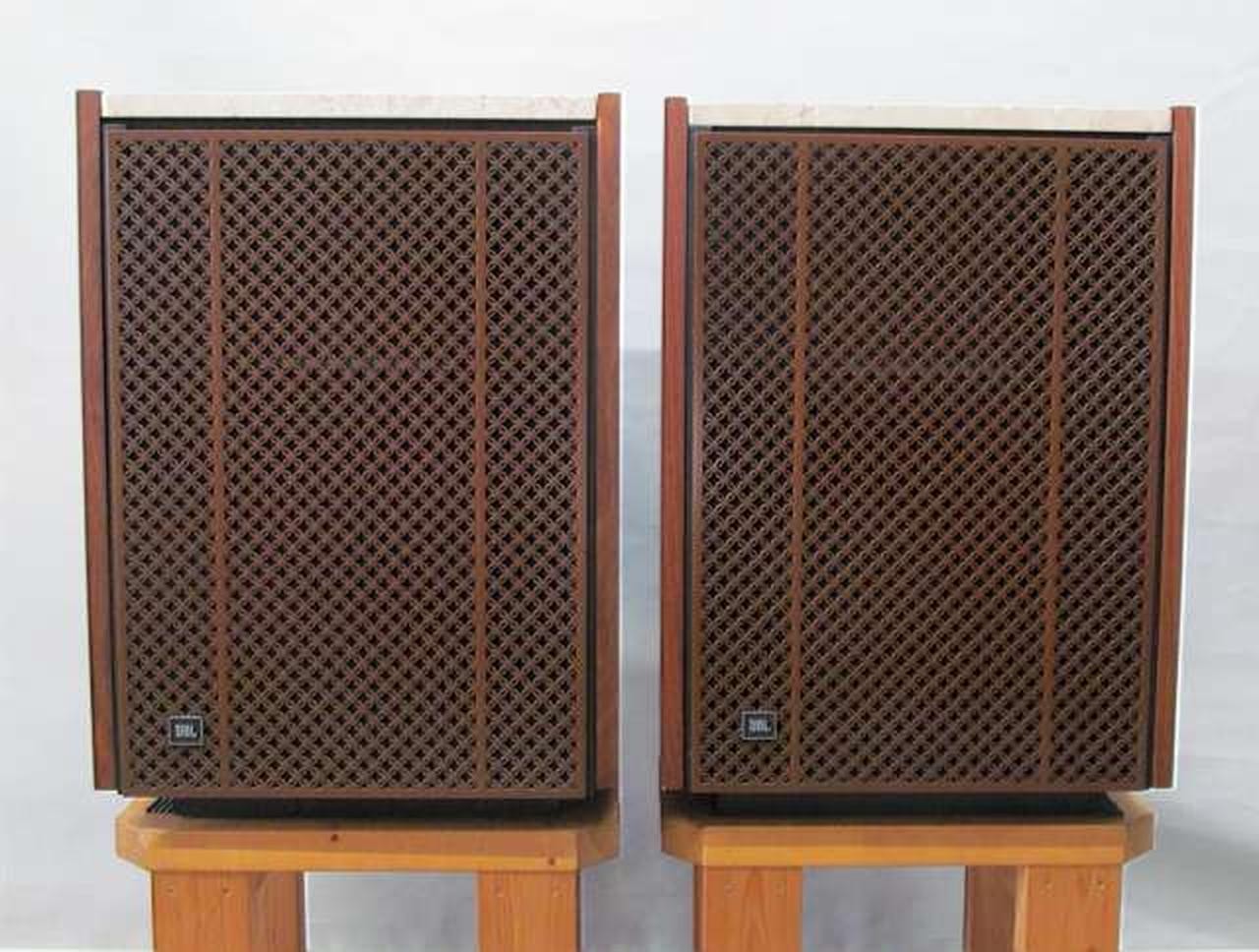
The L55A retained the proportions and visual identity that had established the Lancer line—440mm wide by 620mm high by 330mm deep, topped with the signature smoked glass surface that caught light and created visual sophistication. The weight remained approximately 29kg, maintaining the substantial, inert feel that distinguished premium speakers from lightweight competitors. However, beneath the familiar exterior, meaningful improvements elevated performance.
The LE14A woofer, carried over from the original L55, remained the low-frequency foundation—this 36cm cone driver with its 10cm voice coil had proven itself in both domestic and professional applications. However, the L55A benefited from improved quality control and manufacturing consistency that JBL had implemented across its transducer lines, ensuring tighter tolerances and better driver matching.
Refined High-Frequency Reproduction
The most significant evolution in the L55A was the enhancement of the high-frequency section. While the original LE20-1 tweeter provided the characteristic JBL immediacy, the L55A incorporated improved dome or soft-dome tweeter options that extended frequency response and reduced distortion. These updated tweeters offered smoother response in the critical upper midrange and treble regions, reducing listener fatigue during extended sessions while preserving the transient accuracy that made JBL systems engaging.
The crossover network received attention as well, with refined component values and improved slope characteristics that enhanced driver integration. The 2kHz crossover point was maintained, but phase alignment and impedance compensation circuits were optimized for flatter frequency response and more consistent amplifier loading.
Cabinet Refinements
The L55A's enclosure construction incorporated lessons from JBL's professional monitor development. Improved internal bracing patterns reduced panel resonance, while enhanced damping materials minimized standing waves within the cabinet. These behind-the-scenes improvements translated to cleaner midrange reproduction and tighter bass response—subtle but noticeable enhancements for critical listeners.
The smoked glass top surface, a Lancer signature, was retained with improved mounting hardware and edge treatment that enhanced durability. The wood-grain vinyl finishes were updated to reflect evolving interior design trends, offering options that harmonized with both the lingering mid-century modern influence and the emerging contemporary aesthetics of the mid-1970s.
Domestic Versatility
The L55A maintained the original Lancer's domestic appeal—efficient enough to work well with modest amplification, substantial enough to fill typical living spaces with satisfying sound. The 35-50 watt power handling accommodated the growing power outputs of contemporary solid-state amplifiers while remaining compatible with the tube equipment still cherished by many enthusiasts.
The three grille color options evolved with the times, reflecting the era's shifting palette preferences. Whether positioned flanking a console stereo, integrated into wall-unit entertainment centers, or standing as independent audio sculptures, the L55A adapted to diverse interior configurations.
Musical Engagement
In the context of mid-1970s music, the L55A addressed the expanding dynamic range and frequency extremes of contemporary recordings. The improved tweeter extended response captured the air and detail of emerging digital recordings and high-quality analog pressings, while the substantial woofer foundation handled the bass demands of rock, funk, and orchestral music with authority.
The L55A's presentation maintained the engaging, present character that distinguished JBL systems—music sounded immediate and alive rather than distant or analytical. This made the speakers equally suitable for social listening and focused critical evaluation.
Specifications
| Feature | Specification |
| Type | 2-way, 2-speaker, bass reflex, floor type |
| Woofer | 36cm cone type (LE14A) with 10cm voice coil |
| Tweeter | 5cm cone/dome type (improved LE20 series) |
| Crossover Frequency | 2 kHz |
| Impedance | 8 Ω |
| Power Handling | 35-50W continuous program |
| Dimensions (W×H×D) | 440 × 620 × 330 mm |
| Weight | 29 kg |
| Grille Colors | Updated contemporary options |
The L55A Lancer represents the iterative refinement that characterized JBL's approach to product development—preserving successful concepts while incorporating meaningful improvements that rewarded discerning listeners without abandoning the familiar.
eBay Listings


As an eBay Partner, we earn from qualifying purchases. This helps support our independent vintage technology research.
Related Models
- JBL 4310 (1970)
- JBL 4315 Control Monitor (1977)
- JBL L110A (1975)
- JBL 4311B (1975)
- JBL 4408 (1975)
- Akai AM-2850 (1975)
- Akai AP-206 (1975)
- Nakamichi BX-1 (1985)
- Acoustic Research research-ar-17 (1978)
- Acoustic Research AR-19 (1994)