JBL 240TI: The Titanium Icon of 1970s High-Fidelity
The JBL 240TI stands as a landmark speaker in the evolution of high-fidelity audio, representing a bold fusion of studio-monitor engineering and consumer audio design. Introduced in 1977, the 240TI was part of JBL’s premium “Century” series, a line developed to bring professional-grade sound reproduction into the living room. With its striking titanium dome tweeter and powerful 12-inch woofer, the 240TI quickly earned a reputation for dynamic, detailed sound and rugged reliability—qualities that continue to make it a favorite among vintage audio collectors and audiophiles today.
Historical Context and Release
JBL, founded in 1946 by engineer James B. Lansing, had already built a formidable reputation in professional audio by the 1970s. The company’s studio monitors, like the legendary 4310 and 4311, were staples in recording studios worldwide. The Century series, launched in the mid-1970s, aimed to translate that studio precision into home audio. The 240TI, released in 1977, was positioned as a high-performance floor-standing speaker for discerning listeners who demanded both power and clarity.
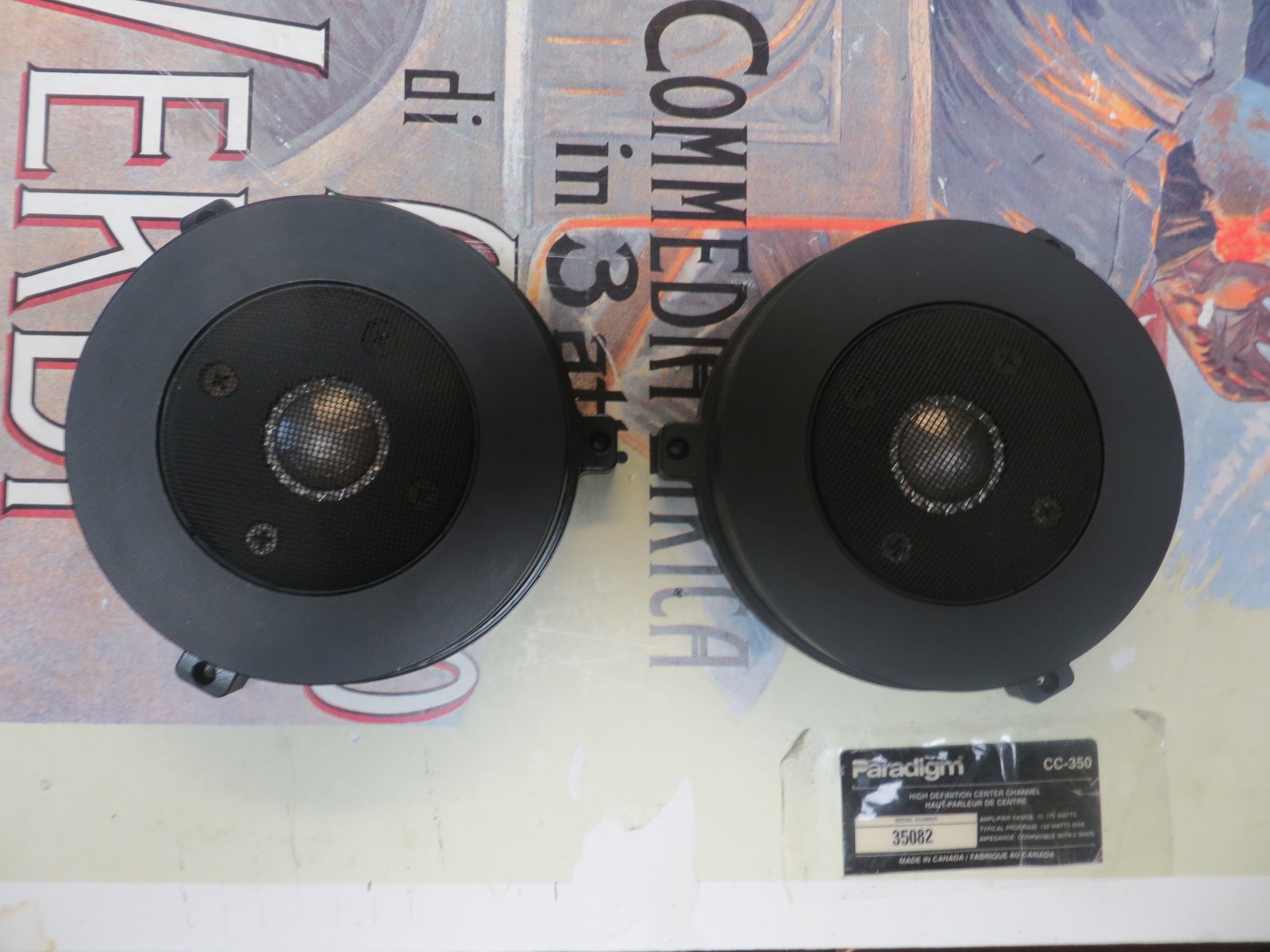
The “TI” in 240TI stands for titanium, a nod to its most revolutionary feature: a 1-inch titanium dome compression driver mounted on a Bi-Radial® horn. This was a significant departure from the soft dome tweeters common in consumer speakers at the time. JBL leveraged its expertise in professional horn-loaded designs to deliver exceptional high-frequency extension and dynamic headroom.
Produced until 1983, the 240TI was succeeded by the 240TiII, which featured minor cosmetic and crossover refinements. During its production run, the 240TI was available in elegant wood veneers—walnut, black ash, and early rosewood—reflecting the premium aesthetic of high-end audio gear in the late 1970s.
Technical Specifications
| Specification | Detail |
| Model | JBL 240TI |
| Type | 2-way, bass-reflex floorstander |
| Drivers | 12" dual-layer woofer, 1" titanium dome tweeter with Bi-Radial horn |
| Crossover Frequency | 1.8 kHz |
| Impedance | 8 ohms (nominal) |
| Sensitivity | 91 dB (1W/1m) |
| Frequency Response | 45 Hz – 20 kHz |
| Recommended Amplifier Power | 15 – 150 watts |
| Enclosure Type | Vented (bass reflex) with rear port |
| Dimensions (H x W x D) | 24" x 14" x 13" (61 x 35.5 x 33 cm) |
| Weight | 44 lbs (20 kg) per speaker |
| Finish Options | Walnut, black ash, rosewood (early models) |
| Original Price (1978) | $399 per pair |
Sound Quality Characteristics
The JBL 240TI delivers a sound signature that is dynamic, energetic, and highly detailed—hallmarks of JBL’s studio-monitor heritage. The titanium dome tweeter provides exceptional clarity and extension, with a crisp, airy top end that reveals fine nuances in cymbals, strings, and vocal sibilance. Unlike some early metal domes that could sound harsh, the 240TI’s Bi-Radial horn design helps control dispersion and reduce beaming, resulting in a more balanced and immersive high-frequency response.
The 12-inch woofer, featuring a dual-layer paper cone, delivers tight, punchy bass with excellent transient response. While the nominal low-end extension is rated at 45 Hz, the bass reflex design enhances low-frequency output, giving the speaker a full, room-filling presence. The 240TI excels with rock, jazz, and orchestral music, where its ability to handle high sound pressure levels without distortion is particularly evident.
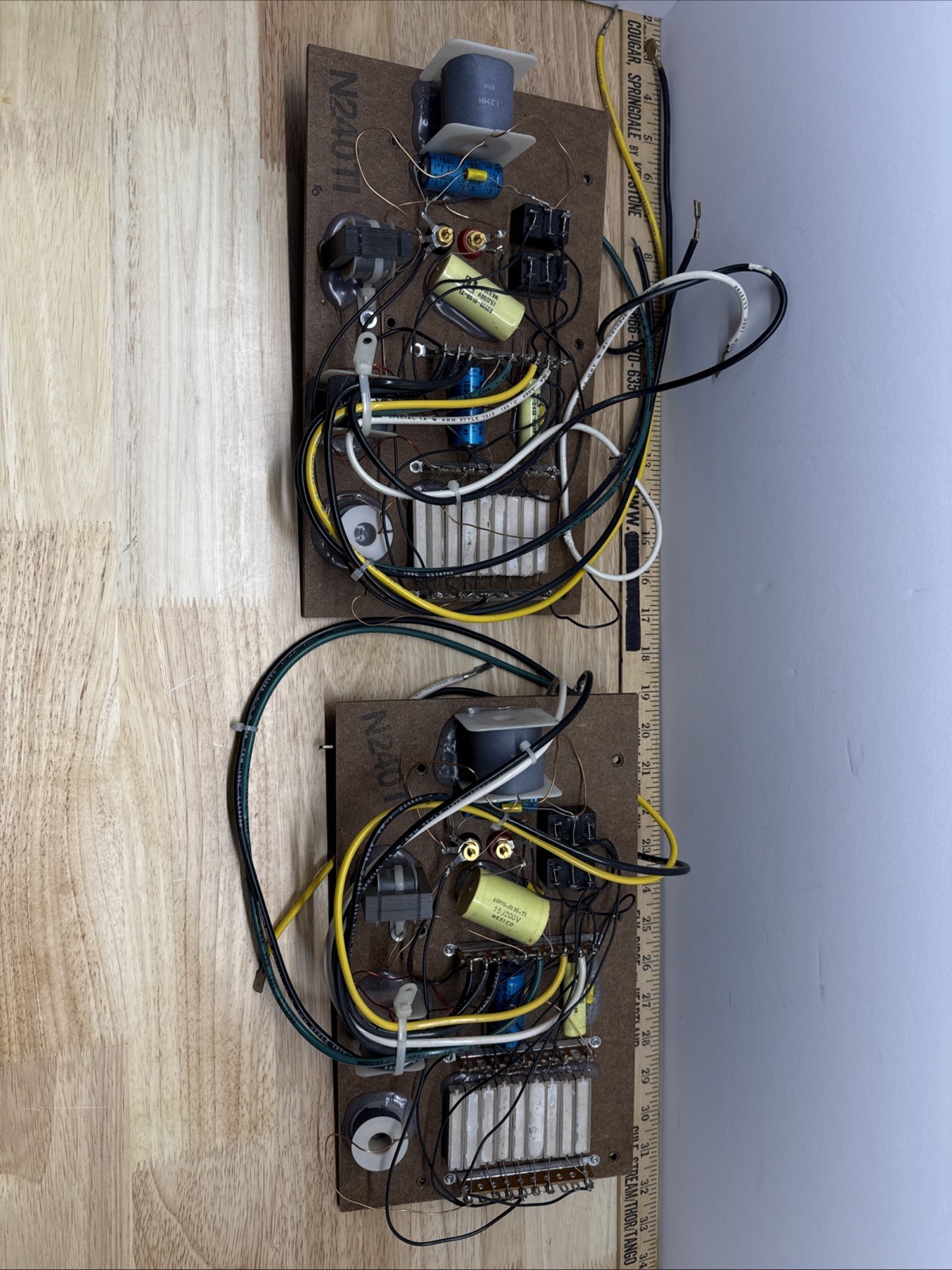
The crossover, designed with robust components for the era, integrates the drivers smoothly, though some listeners note a slight forwardness in the upper midrange—a characteristic that can enhance vocal presence but may require careful system matching.
Notable Features and Innovations
The 240TI was groundbreaking for its time, introducing several innovations to the consumer market:
- Titanium Dome Tweeter: One of the first consumer speakers to use a titanium compression driver, offering superior durability and high-frequency performance.
- Bi-Radial Horn: A JBL-patented horn design that provides wide, controlled dispersion for improved imaging and reduced distortion.
- Dual-Layer Woofer Cone: Enhanced rigidity and reduced breakup modes for cleaner bass.
- Industrial Design: The trapezoidal cabinet, with its flared front baffle and minimalist grille, projected a modern, high-tech aesthetic that stood out in 1970s living rooms.
Market Value and Collectibility
Today, the JBL 240TI is highly collectible, especially in good condition with original finishes and undamaged grilles. Pairs in excellent cosmetic and functional condition typically sell for $400–$700, with rare rosewood versions or mint NOS (new old stock) units commanding higher prices.
Collectibility is driven by JBL’s enduring reputation, the 240TI’s unique titanium tweeter, and its association with the golden era of American hi-fi. Enthusiasts appreciate its ability to pair well with vintage tube amplifiers as well as modern solid-state gear.
Common Issues and Maintenance
Like all vintage speakers, the 240TI requires attention to aging components:
- Foam Surround Disintegration: The original foam surrounds on the woofer often degrade after 30–40 years, leading to flaking and loss of bass response. Re-foaming or reconing is a common and worthwhile restoration.
- Tweeter Oxidation: The titanium dome can oxidize over time, especially in humid environments. While this doesn’t always affect performance, severe oxidation may require tweeter replacement or professional cleaning.
- Crossover Components: Capacitors and inductors may drift in value. Upgrading with modern polypropylene capacitors can improve clarity and reliability.
- Grille Fabric: Original grille cloth may be torn or faded. Replacement kits are available from specialty audio restoration suppliers.
Regular inspection and preventive maintenance can extend the life of a 240TI indefinitely. Many owners report that with proper care, these speakers still perform exceptionally well.
Comparison to Similar Models
| Model | Key Differences |
| JBL 4311 | Smaller bookshelf monitor; similar tweeter but less bass extension. The 4311 is more studio-focused, while the 240TI offers fuller-range home listening. |
| AR9 | Acoustic Research’s 3-way bass reflex design with audibility-matched drivers. Smoother, more neutral tonality vs. the 240TI’s dynamic, forward sound. |
| KLH Model Eleven | Similar size and price point; uses a soft dome tweeter and paper cone woofer. More laid-back presentation compared to the 240TI’s energetic delivery. |
| JBL L100 | Iconic "beaver tail" design; uses a soft dome tweeter. Less detailed highs but cult status for its looks and midrange warmth. |
Final Thoughts
The JBL 240TI remains a compelling choice for vintage audio enthusiasts seeking a speaker that combines innovation, performance, and historical significance. Its titanium tweeter was ahead of its time, and its robust build ensures that well-maintained pairs still deliver thrilling sound decades later. Whether used as part of a classic hi-fi stack or integrated into a modern system, the 240TI stands as a testament to JBL’s engineering prowess and the enduring appeal of 1970s high-fidelity design.
For collectors and listeners alike, the 240TI isn’t just a speaker—it’s a piece of audio history that still speaks with authority.
eBay Listings


As an eBay Partner, we earn from qualifying purchases. This helps support our independent vintage technology research.
Related Models
- JBL 4310 (1970)
- JBL 4315 Control Monitor (1977)
- JBL L110A (1975)
- JBL 4311B (1975)
- JBL 4408 (1975)
- Akai AM-2850 (1975)
- Akai AP-206 (1975)
- Nakamichi BX-1 (1985)
- Acoustic Research research-ar-17 (1978)
- Acoustic Research AR-19 (1994)