Infinity SM-112 (1975)
A floor-standing 3-way speaker built for volume and durability, bringing Infinity’s polypropylene drivers to the mass market—efficient, mod-friendly, and divisive.
Overview
The Infinity SM-112 Studio Monitor wasn’t designed to win blind listening tests among purists, but it was built to survive dorm rooms, house parties, and decades of abuse—then still play loud. Marketed as a “high output” speaker during the late 1980s, when 100-watt receivers became common and affordable, the SM-112 was part of Infinity’s push to bring their name to mainstream buyers. These weren’t IRS flagships, but they carried the brand’s engineering DNA into chain stores and home setups that couldn’t justify high-end pricing.
It’s a 3-way floor-standing loudspeaker system, a detail that matters because early descriptions sometimes mislabeled it as a 2-way. With a 10-inch woofer, 4.5-inch midrange, and 1-inch polycell tweeter, the SM-112 splits the audio spectrum across three dedicated drivers, crossing over at 900Hz and 5.5kHz. That design aimed to deliver clarity under pressure—especially in the mids and highs—while handling the kind of volume that made them a party favorite. Owners report they “crank” when pushed, with one noting they “supplied the music for numerous parties early in their life.”
But let’s be clear: this isn’t a neutral monitor. The SM series brought Infinity’s polypropylene cone technology to budget-conscious buyers, offering durability and decent damping. Still, reception has been split. Some praise their efficiency and imaging; others call them “boomy with muddy mids,” especially in untreated rooms. They’re not refined like the Kappa or RS series, but they’ve got energy—raw, unfiltered, and sometimes overwhelming.
Specifications
| Manufacturer | Infinity |
| Model | SM-112 |
| Type | 3-Way Floor Standing Stereo Speakers |
| Woofer | 10" polypropylene coated |
| Midrange Driver | 4.5" polypropylene coated |
| Tweeter | 1" polycell "high-output" |
| Frequency Response | 39Hz - 22kHz (+/-3dB) |
| Crossover Frequencies | 900Hz, 5.5kHz |
| Sensitivity | 100dB (1 watt/1 meter) |
| Power Rating | 10 - 200 watts |
| Nominal Impedance | 8 ohms |
Key Features
Three-Way Driver Layout: Separation for Clarity
The SM-112 uses a vertical three-driver configuration—tweeter on top, midrange in the center, woofer at the bottom—designed to improve tonal separation and imaging. Each driver handles a distinct band: the 10-inch polypropylene-coated woofer takes the lows, the 4.5-inch midrange covers vocals and instruments, and the 1-inch polycell “high-output” tweeter delivers the highs. This division allows each driver to operate within its optimal range, reducing distortion at higher volumes. While not as refined as Infinity’s high-end lines, the layout reflects a serious effort to deliver balanced performance in a mid-tier package.
Internal Bracing: Factory-Stiffened Cabinet
Unlike many budget speakers of the era, the SM-112 includes internal bracing—gussets from the back panel to the side walls—added at the factory to reduce cabinet resonance. This structural reinforcement helps minimize coloration and improves transient response. Owners who’ve opened the cabinets note this as a sign of better-than-expected build quality for a mass-market model. That said, some still recommend adding extra damping material or bracing for improved clarity, especially if used in high-volume environments.
Polypropylene Drivers: Durable but Aging
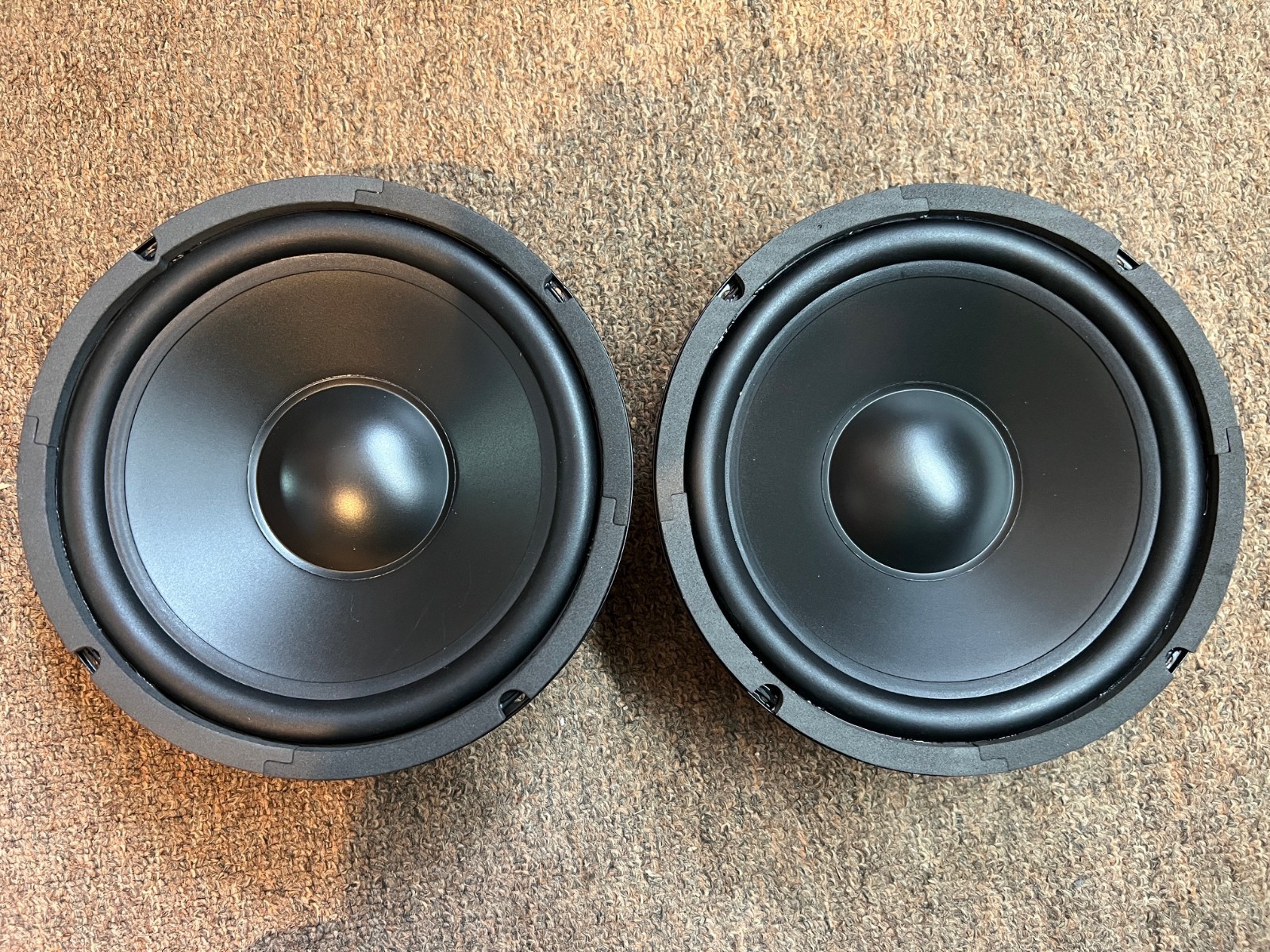
The SM series was known for using polypropylene cone materials across its drivers, a choice that offered good damping and resistance to environmental wear. The 10-inch woofer and 4.5-inch midrange both use coated polypropylene, contributing to the speaker’s reputation for durability. However, like all foam-surround speakers from this era, the SM-112 is prone to surround degradation over time. Foam rot is the most common failure mode, leading to flapping, distortion, or complete driver failure. Replacement kits are available, but long-term performance depends on proper maintenance.
Historical Context
The SM-112 emerged in the late 1980s as part of a wave of “high output” speakers designed to match the rising power of consumer amplifiers. With 100-watt receivers becoming more accessible, Infinity positioned the SM series as robust, efficient speakers that could handle the load. The concept for the SM line is attributed to Dr. Sydney Harmon, aiming to bring Infinity’s engineering to broader audiences. While the SM-112 landed at the lower end of the lineup, it shared core technologies—like polypropylene drivers and factory bracing—with its more respected siblings.
Sold at Highland Super stores, the SM-112 reached buyers through mainstream retail channels rather than specialty audio shops. Within the Infinity hierarchy, the SM line sits at the low end compared to legendary series like the Kappa, RS, or classic IRS models. It competed in spirit with other high-efficiency, high-volume designs of the era, including Klipsch speakers, which shared a similar philosophy of loud, dynamic delivery over clinical neutrality.
Collectibility & Value
The SM-112 isn’t a blue-chip collectible, but it has a niche following among vintage audio tinkerers and fans of high-efficiency designs. A refoamed pair recently sold for ~$250 USD, reflecting a modest increase from earlier lows—around $30–$60 per pair as recently as 2009. That jump likely reflects both nostalgia and the rising cost of vintage speaker restoration. The original MSRP was $650 per pair, though some owners recall prices exceeding $1,000 new—a discrepancy that may reflect dealer markups or confusion with higher-end models.
Refoaming is the most common repair, and foam rot remains the dominant failure mode. While no official data confirms widespread electronic or crossover failures, the age of these units means capacitors and connections may degrade. Owners who’ve restored them report “fantastic” results, though one cautionary note warns: “Do not put any off brand drivers in them. they sound ever worse.”
Modifications are common. Some users have upgraded the crossover or added extensive internal bracing, with one claiming that “if you are willing to redesign the crossover, and brace the hell out of the cabinets, I have seen some very respectable sound.” Others have gone further—replacing the woofer with an Infinity Kappa Perfect 12 car sub or integrating a Cerwin Vega crossover and cabinet. These aren’t stock experiences, but they speak to the SM-112’s modularity and cult appeal.
eBay Listings


As an eBay Partner, we earn from qualifying purchases. This helps support our independent vintage technology research.
Related Models
- Infinity RS-1B (1975)
- Infinity SM-102 (1979)
- Infinity SM-125 (1975)
- Infinity RS-6 (1976)
- Infinity 1500 (1972)
- Akai AM-2850 (1975)
- Akai AP-206 (1975)
- Nakamichi BX-1 (1985)
- Acoustic Research research-ar-17 (1978)
- Acoustic Research AR-19 (1994)