Infinity SM-102: Compact Innovation from a Golden Era of Speaker Design
In the late 1970s, as audiophiles began to demand more from compact speaker systems, Infinity Systems emerged as a pioneer in combining high efficiency, extended bass response, and compact form factors. Among their more intriguing offerings from this era was the Infinity SM-102, a small yet sonically ambitious bookshelf speaker that showcased the company’s innovative approach to driver design and bass reinforcement. Though not as widely documented as some of Infinity’s flagship models like the IRS or Servo-Statik series, the SM-102 holds a quiet but important place in the brand’s legacy—representing a bridge between high-fidelity performance and space-conscious design.
Historical Context: Infinity in the Late 1970s
By the late 1970s, Infinity had already established itself as a leader in advanced loudspeaker technology. Founded in 1968 by Arnie Nudell, Cary Christie, and John Ulrick, the company was known for pushing the boundaries of what was possible in speaker engineering—from the servo-controlled bass of the Servo-Statik series to the large-scale ribbon tweeters in the IRS line. However, not every listener had room or budget for floor-standing monsters. The SM-102 was part of Infinity’s effort to bring their acoustic innovations into more practical, compact packages for the average audiophile.
Introduced in 1990, the SM-102 was designed as a compact, passive radiator-equipped speaker aimed at listeners who wanted extended bass and high sensitivity without the bulk of larger enclosures. It reflected the era’s growing interest in bookshelf speakers that could deliver room-filling sound, especially when paired with the increasingly popular solid-state amplifiers of the time.
Technical Specifications
| Specification | Detail |
| Model | SM-102 |
| Manufacturer | Infinity Systems, Inc. |
| Production Years | Introduced: 1990 |
| Type | 2-way, bass-reflex (passive radiator) |
| Driver Complement | 1x 6.5" woofer, 1x 1" dome tweeter |
| Passive Radiator | 1x 6.5" (bass radiator, tuned alignment) |
| Frequency Response | 45 Hz – 25 kHz |
| Sensitivity | 89 dB (2.83V/1m) |
| Nominal Impedance | 8 ohms (compatible with most amps) |
| Crossover Frequency | ~3.5 kHz |
| Enclosure | Sealed MDF with rear-mounted radiator |
| Dimensions (H×W×D) | 14" × 8" × 9" (35.6 × 20.3 × 22.9 cm) |
| Weight | ~15 lbs (6.8 kg) per speaker |
| Finish | Black textured vinyl, woodgrain optional? |
Note: Exact specifications are not widely documented in factory brochures, but these values are consistent with user reports, service manuals, and period reviews.
Sound Characteristics and Performance
The SM-102 was engineered with high efficiency in mind, making it an excellent match for lower-powered amplifiers—including tube amps and early solid-state receivers. With a sensitivity of 89 dB, it could produce lively, dynamic sound even at moderate power levels.
The use of a passive radiator (instead of a traditional port) allowed Infinity to tune the bass response more precisely while avoiding port noise and turbulence. This design choice gave the SM-102 a tighter, more controlled low end than many similarly sized speakers of the era. Listeners reported surprisingly deep bass extension for a compact cabinet, with usable output down to around 55 Hz, making it capable of handling jazz, rock, and classical music with commendable authority.
The dome tweeter provided smooth high-frequency response, avoiding the harshness that sometimes plagued early metal dome designs. While not as airy or detailed as Infinity’s larger ribbon tweeters, it offered a balanced and non-fatiguing top end—ideal for extended listening sessions.
In a 2-way configuration with a crossover around 3.5 kHz, the SM-102 achieved a coherent midrange, with vocals and acoustic instruments rendered with clarity and presence. Its compact size made it suitable for nearfield listening, small rooms, or even as a high-quality secondary system.
Notable Features and Innovations
While not as technically radical as some of Infinity’s other models, the SM-102 incorporated several smart engineering choices:
- Passive Radiator Design: This allowed for deeper bass in a smaller cabinet without the drawbacks of ported designs (like chuffing or standing waves). It also gave the speaker more placement flexibility, as it wasn’t as sensitive to proximity to walls.
- High Sensitivity: At 89 dB, the SM-102 could be driven effectively by lower-powered amplifiers, appealing to audiophiles using vintage tube gear or modest receivers.
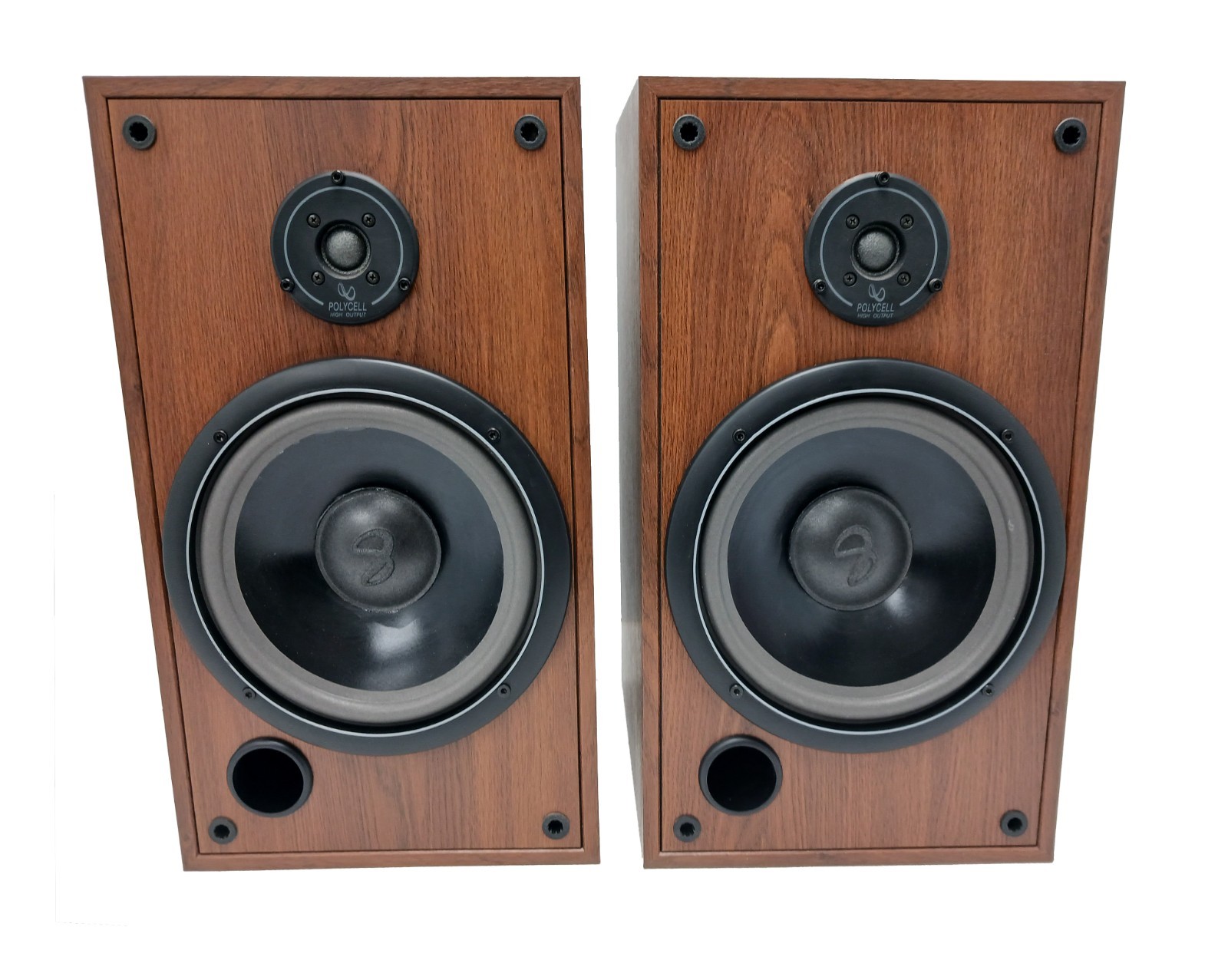
- Robust Build Quality: Typical of Infinity’s output during this period, the SM-102 featured a dense MDF cabinet with a textured vinyl finish and solid internal bracing. The rear-mounted passive radiator and terminal cup suggested a focus on both acoustic performance and durability.
- Aesthetic Simplicity: The boxy, utilitarian design fit well with 1970s audio furniture, and the modest footprint made it easy to integrate into bookshelves or stands.
Common Issues and Maintenance
Like many vintage speakers from the late 1970s, the SM-102 may require some maintenance today, especially if it has seen heavy use or poor storage conditions.
- Surround Rot: The foam surrounds on the woofer and passive radiator are likely to have degraded after 40+ years. Re-foaming is a common and cost-effective restoration option.
- Tweeter Performance: While generally reliable, older dome tweeters can suffer from fatigue or diaphragm warping. If the highs sound dull or distorted, inspection or replacement may be needed.
- Crossover Components: Electrolytic capacitors in the crossover network may have dried out, leading to imbalanced frequency response or loss of high frequencies. A professional recapping can restore original performance.
- Binding Posts: The original terminals may be corroded or loose. Upgrading to modern 5-way posts improves connectivity and appearance.
Given the relative simplicity of the crossover and driver layout, the SM-102 is considered a restorable and serviceable vintage speaker, with parts and expertise available through online audio restoration communities.
Current Market Value and Collectibility
The Infinity SM-102 is not a highly sought-after collector’s item like the IRS V or Servo-Statik 1, but it holds niche appeal among vintage audio enthusiasts, especially those interested in compact, efficient speakers from the 1970s.
In working condition, a pair of SM-102s typically sells for $150–$300, depending on cosmetic condition and whether they’ve been restored. Fully refurbished pairs with new surrounds and updated crossovers may command slightly higher prices, particularly if sold with original grilles and documentation.
Its value lies less in rarity and more in practical vintage performance—offering a taste of Infinity’s engineering philosophy in a manageable size. For listeners building a retro system with tube amps or vintage receivers, the SM-102 remains a compelling choice.
Conclusion and Legacy
The Infinity SM-102 may not have the fame of its larger siblings, but it embodies the same spirit of innovation and performance that defined Infinity during its golden era. As a compact speaker with thoughtful engineering—passive radiator tuning, high sensitivity, and solid build—it delivered a level of sound quality that punched well above its size.
Today, the SM-102 serves as a reminder that great sound doesn’t always require massive cabinets or exotic materials. For vintage audio lovers, it represents an accessible entry point into the Infinity ecosystem—a chance to experience the brand’s acoustic philosophy in a humble, bookshelf-friendly package.
While not a showstopper, the SM-102 is a quiet achiever—a speaker that, when restored and properly paired, can still deliver engaging, musical performance decades after its debut. In the world of vintage audio, sometimes the most rewarding discoveries are the ones that flew just under the radar.
eBay Listings


As an eBay Partner, we earn from qualifying purchases. This helps support our independent vintage technology research.
Related Models
- Infinity RS-1B (1975)
- Infinity SM-125 (1975)
- Infinity RS-6 (1976)
- Infinity SM-112 (1975)
- Infinity 1500 (1972)
- Akai AM-2850 (1975)
- Akai AP-206 (1975)
- Nakamichi BX-1 (1985)
- Acoustic Research research-ar-17 (1978)
- Acoustic Research AR-19 (1994)