Infinity SL-50: The Compact Classic with Big Sound
In the late 1970s and early 1980s, Infinity Systems—founded by Arnie Nudell and Cary Christie—emerged as a pioneering force in loudspeaker design, pushing the boundaries of accuracy, efficiency, and engineering innovation. While the company earned legendary status with flagships like the IRS V and the Beta series, it was also deeply committed to bringing high-performance sound to more compact and accessible formats. Among these was the Infinity SL-50, a compact bookshelf speaker that stood out in its era for its refined sonic character, advanced driver technology, and elegant design.
Though not as widely documented as some of Infinity’s larger floor-standing models, the SL-50 carved out a loyal following among audiophiles who appreciated its balanced sound, smooth high-frequency extension, and remarkable imaging for its size. Positioned within Infinity’s SL (Standard Line) series, the SL-50 was designed to deliver a taste of the brand’s renowned accuracy and dynamic capability in a more space-conscious package—ideal for smaller listening rooms, desktop setups, or as part of a secondary system.
Technical Specifications
The SL-50 was a two-way bookshelf speaker that combined thoughtful engineering with the sonic hallmarks of Infinity’s design philosophy. While detailed factory specifications are scarce today, surviving units and owner reports confirm the following:
| Specification | Detail |
| Type | 2-way bookshelf loudspeaker |
| Driver Complement | 1" soft dome tweeter, 6.5" woven fiberglass woofer |
| Frequency Response | 55 Hz – 20 kHz (±3 dB) |
| Crossover Frequency | ~2.8 kHz |
| Nominal Impedance | 8 ohms |
| Sensitivity | 88 dB (1W/1m) |
| Recommended Power | 20–100 watts per channel |
| Enclosure Type | Sealed (acoustic suspension) |
| Dimensions (H×W×D) | 13.5" × 8" × 9.5" (34.3 × 20.3 × 24.1 cm) |
| Weight | 16 lbs (7.3 kg) per speaker |
| Finish Options | Black ash vinyl, simulated walnut veneer |
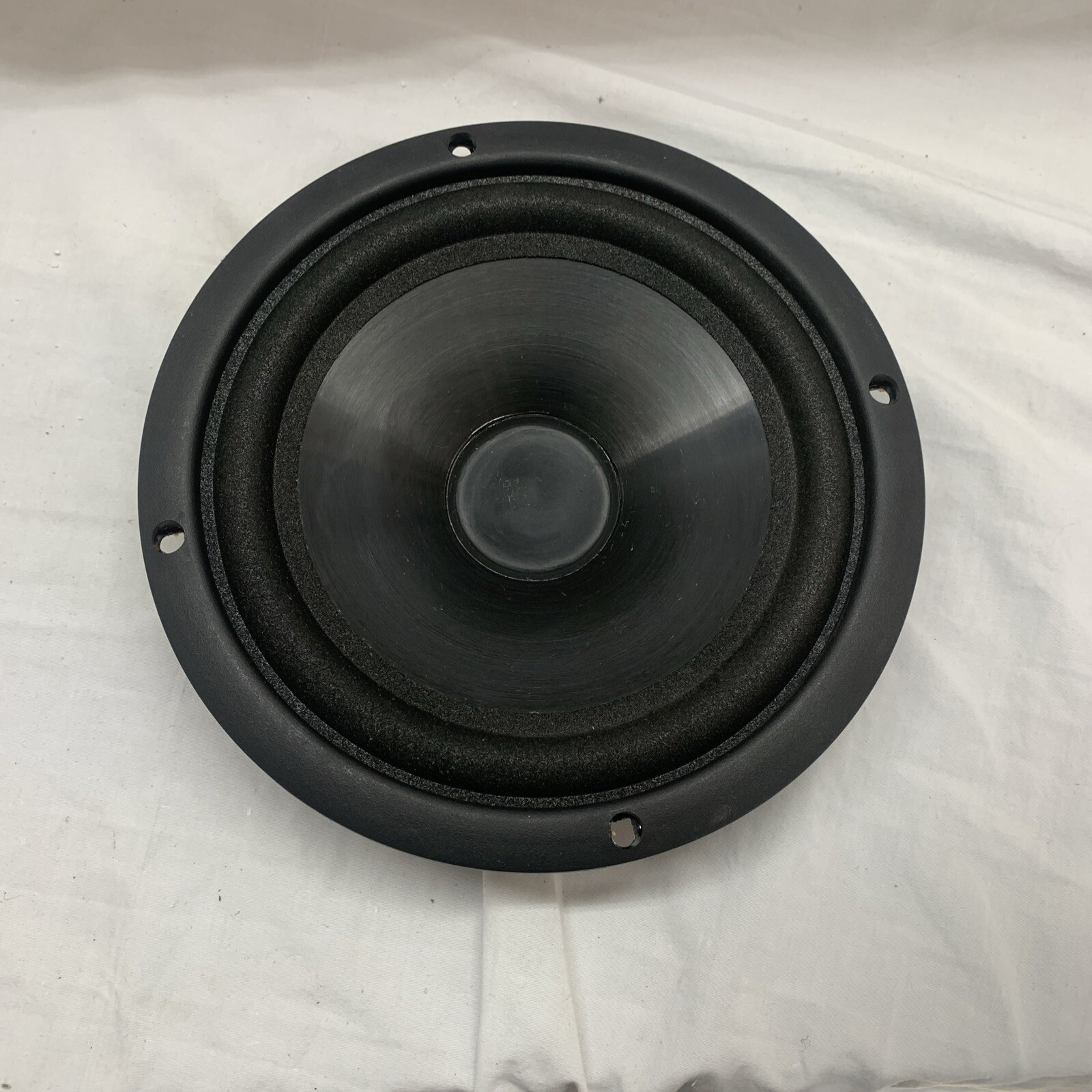
The SL-50’s driver array was one of its most notable features. The 6.5-inch mid-bass driver used a woven fiberglass cone—a material chosen for its rigidity and low resonance, helping to reduce coloration and improve transient response. Paired with a generously sized magnet structure, this woofer delivered surprising bass extension for a compact sealed enclosure, with tight, controlled low-end performance.
The 1-inch soft dome tweeter provided a smooth, non-fatiguing high-frequency response. Unlike some of Infinity’s earlier horn-loaded or ribbon-based designs (such as those in the EM or Beta lines), the SL-50 used a more conventional but well-executed dome tweeter, likely sourced from a reputable OEM supplier. This contributed to a refined top end that avoided the harshness sometimes associated with early dome tweeters.
The crossover network, while not fully documented, appears to use a second-order (12 dB/octave) design for both drivers, with attention paid to time alignment and phase coherence. The sealed cabinet design ensures a gradual roll-off in the bass, offering tighter low-frequency control at the expense of ultimate extension—making the SL-50 best suited for nearfield or moderate-volume listening.
Sound Characteristics and Performance
The Infinity SL-50 is best described as a speaker with a balanced, slightly warm tonal balance and excellent midrange clarity. Its sealed enclosure design results in a tight, articulate bass response that starts to taper below 60 Hz—typical for a speaker of its size—but remains well-integrated with the midrange.
The midrange is where the SL-50 truly shines. Vocals and acoustic instruments are rendered with natural timbre and good spatial placement. The woven fiberglass woofer contributes to a clean, uncolored delivery that avoids the “boxy” sound sometimes found in budget speakers of the era.
The soft dome tweeter provides a smooth and extended high end, with a slight roll-off in the upper treble that makes the SL-50 forgiving of bright or harsh source material. While it may not have the airiness or sparkle of some contemporary metal-dome tweeters, it excels in long listening sessions without fatigue—ideal for jazz, classical, or vocal-centric genres.
Stereo imaging is impressive for a speaker of its size and era. The SL-50 creates a stable soundstage with well-defined instrument placement, especially when properly positioned away from walls and on sturdy stands. While not a high-sensitivity speaker, its 88 dB rating means it pairs well with most tube or solid-state amplifiers of the period, including vintage receivers from Marantz, Sansui, or Yamaha.
Notable Features and Innovations
While the SL-50 wasn’t a technology showcase like Infinity’s flagship models, it benefited from the company’s broader engineering expertise. Key features include:
- Woven fiberglass woofer: A material choice that was advanced for a mid-tier speaker in the early 1980s, offering stiffness and damping advantages over paper or polypropylene.
- Refined crossover design: Thoughtful filtering to ensure smooth integration between drivers and minimize phase anomalies.
- Attractive, understated cabinet: The SL-50’s compact, rectangular cabinet was finished in high-quality vinyl wrap with a gently curved baffle, reducing diffraction and lending a timeless aesthetic.
- Magnetic shielding: Some versions of the SL-50 were magnetically shielded, making them suitable for placement near CRT televisions—a practical consideration in the pre-digital era.
Common Issues and Maintenance
As with any vintage speaker, the Infinity SL-50 may require maintenance after decades of use. The most common issues include:
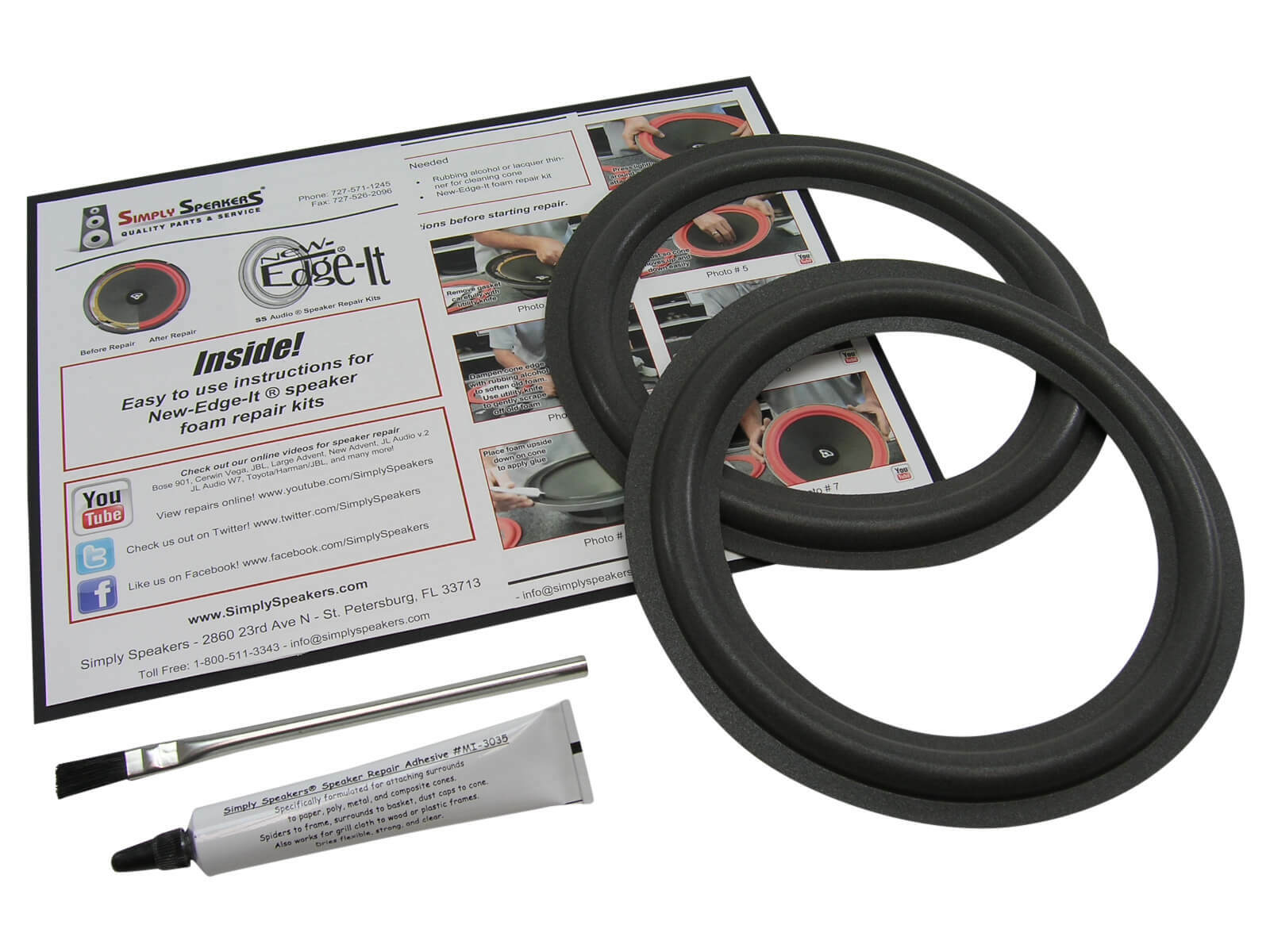
- Aging foam surround degradation: The original foam surrounds on the woofer can dry out, crack, or disintegrate over time, leading to distorted bass or complete failure. Re-foaming is a common and cost-effective restoration.
- Tweeter deterioration: While soft domes are generally more durable than foam surrounds, the diaphragm or surround can degrade, especially if exposed to humidity or direct sunlight.
- Crossover component aging: Electrolytic capacitors in the crossover may dry out, altering tonal balance or causing dropouts. A full inspection and recapping are recommended for long-term reliability.
Replacement parts and re-foaming kits are available through specialty audio restoration suppliers, and many vintage audio technicians are familiar with Infinity’s driver designs.
Current Market Value and Collectibility
The SL-50 is not a highly sought-after collector’s item like the Infinity Beta or IRS models, but it holds steady appeal among vintage audio enthusiasts looking for a compact, well-engineered speaker with authentic 1980s sound.
In good condition, a pair of SL-50s typically sells for $150–$300, depending on cosmetic condition, originality, and whether they’ve been restored. Fully refurbished pairs with new surrounds and recapped crossovers may command slightly higher prices, especially when paired with matching stands or original packaging.
While not a rare find, the SL-50 is appreciated for its musicality, build quality, and the prestige of the Infinity name. It’s an excellent choice for those building a vintage desktop system or seeking a secondary speaker for casual listening.
Conclusion and Legacy
The Infinity SL-50 may not have the star power of its larger siblings, but it represents the best of what a mid-tier 1980s bookshelf speaker could be: well-engineered, sonically balanced, and built to last. It reflects Infinity’s commitment to bringing high-fidelity sound to a broader audience without sacrificing core performance principles.
Today, the SL-50 stands as a quiet classic—a speaker that delivers more than its modest size and price suggest. For vintage audio lovers, it’s a rewarding find that bridges the gap between affordability and authenticity, offering a genuine taste of Infinity’s golden era in a compact, elegant package.
eBay Listings


As an eBay Partner, we earn from qualifying purchases. This helps support our independent vintage technology research.
Related Models
- Infinity RS-1B (1975)
- Infinity SM-102 (1979)
- Infinity SM-125 (1975)
- Infinity RS-6 (1976)
- Infinity SM-112 (1975)
- Akai AM-2850 (1975)
- Akai AP-206 (1975)
- Nakamichi BX-1 (1985)
- Acoustic Research research-ar-17 (1978)
- Acoustic Research AR-19 (1994)