Infinity RSE: A Forgotten Chapter in High-End Audio Design
In the ever-evolving world of high-fidelity audio, certain names stand out not only for their sonic achievements but also for their bold design philosophies. Infinity Systems, best known for its pioneering work in servo-controlled subwoofers and planar magnetic drivers, ventured into a more niche and visually striking territory with the RSE series in the mid-1980s. While not as widely documented or celebrated as the company’s IRS or Beta lines, the Infinity RSE (Reference Series Elite) remains a fascinating artifact of an era when audio components were as much about statement-making design as they were about sound quality.
Historical Context: Infinity in the 1980s
By the early 1980s, Infinity had firmly established itself as a leader in innovative loudspeaker technology. Founded in 1968 by Cary Christie and Arnold Nudell, the company gained fame with the Servo-Statik series and later the IRS (Infinity Reference Standard), a towering electrostatic hybrid that became a symbol of audiophile excess and ambition. As the decade progressed, Infinity sought to expand its reach beyond the ultra-high-end market with more accessible yet still performance-oriented products.
The RSE series, introduced around 1985, was positioned as a premium but more compact alternative to the IRS behemoths. It was marketed toward discerning listeners who wanted reference-grade sound without the footprint or price tag of a full-range electrostatic array. Though not as technically radical as some of Infinity’s other offerings, the RSE series reflected the company’s commitment to advanced materials, precision engineering, and a sleek, modern aesthetic.
Design and Build: Form Meets Function
The Infinity RSE series included both bookshelf monitors and floor-standing models, all characterized by their distinctive cabinet design. Unlike the utilitarian boxes common in the era, RSE speakers featured tapered, wedge-shaped enclosures with a forward-tilted front baffle. This design was not merely cosmetic—it was intended to improve time alignment between drivers and reduce diffraction effects, enhancing imaging and soundstage coherence.
Cabinets were constructed from high-density particleboard with extensive internal bracing, finished in a choice of black ash, rosewood, or high-gloss black lacquer. The lacquer finish, in particular, gave the RSE a luxurious, almost futuristic look that stood out in any listening room. Grilles were minimal and magnetically attached, preserving the clean lines of the design.
Technical Specifications
| Specification | Detail |
| Model Line | Infinity RSE Series |
| Years of Production | c. 1985–1989 |
| Type | 2-way, bass-reflex (bookshelf); 3-way, bass-reflex (floor-standing) |
| Drivers | 1" soft-dome tweeter, 5.25" or 6.5" woven composite mid/bass |
| Frequency Response | 55 Hz – 22 kHz (±3 dB) |
| Crossover Frequency | 2.8 kHz (bookshelf), 500 Hz / 3.5 kHz (floor-standing) |
| Nominal Impedance | 8 ohms |
| Sensitivity | 88 dB (2.83V/1m) |
| Recommended Amp Power | 20–150 watts |
| Dimensions (H×W×D) – Floor-standing | 38" × 8" × 12" |
| Dimensions (H×W×D) – Bookshelf | 14" × 7" × 10" |
| Weight | 32 lbs (floor-standing), 14 lbs (bookshelf) |
Sound Characteristics and Performance
The RSE series was engineered to deliver a balanced, detailed, and dynamic sound signature—hallmarks of Infinity’s design philosophy during this period. The soft-dome tweeter provided smooth high-frequency extension without the harshness sometimes associated with metal domes of the era. Its roll-off was carefully tuned to blend seamlessly with the midrange, resulting in a natural presentation of vocals and acoustic instruments.
The woven composite woofer (a blend of fiberglass and other synthetic materials) offered tight, controlled bass with low distortion. While the bookshelf models required careful placement and often benefited from a good subwoofer for full-range performance, the floor-standing versions could reproduce bass down to around 55 Hz, making them suitable for most music genres without augmentation.
One of the RSE’s most praised attributes was its spatial imaging. The angled cabinet and time-aligned drivers created a precise and stable soundstage, with excellent depth and instrument separation. In well-treated rooms, the RSE could disappear sonically, leaving listeners immersed in a three-dimensional audio field.
Notable Features and Innovations
While the RSE series didn’t introduce groundbreaking technologies like the EMIM (Electro-Magnetic Induction Motor) drivers of the IRS line, it did incorporate several thoughtful design elements:
- Time-Aligned Cabinet Geometry: The forward-tilt design helped align the acoustic centers of the tweeter and woofer, improving phase coherence.
- Low-Resonance Enclosure: Extensive internal bracing and constrained-layer damping reduced cabinet coloration.
- Modular Crossover Design: Serviceable and upgradeable crossovers allowed for easier maintenance and potential modifications by enthusiasts.
- Aesthetic Integration: The RSE was one of the first Infinity lines to prioritize visual harmony with modern living spaces, reflecting a shift toward lifestyle-conscious audiophile products.
Common Issues and Maintenance
As with any vintage speaker from the 1980s, the Infinity RSE series is now approaching 40 years of age, and certain components may require attention:
- Tweeter Foam Surrounds: The soft-dome tweeters used foam damping rings that can degrade over time, leading to rattles or reduced high-frequency output. Replacement kits are occasionally available through specialty audio restoration suppliers.
- Crossover Capacitors: Electrolytic capacitors in the crossover network may dry out or fail, resulting in muffled sound or complete loss of a driver. Re-capping by a qualified technician is recommended for long-term reliability.
- Cabinet Finish: The high-gloss lacquer finish, while beautiful, is prone to scratches and yellowing. Careful cleaning with non-abrasive polishes can help preserve its appearance.
- Binding Posts: Original five-way binding posts are generally robust but may suffer from corrosion. Upgrading to modern, high-conductivity terminals can improve connection quality.
Owners are advised to inspect their units for signs of driver fatigue and consider professional servicing if the speakers have been in continuous use for decades.
Current Market Value and Collectibility
The Infinity RSE series occupies a curious space in the vintage audio market. It is not as sought-after as the legendary IRS V or the cult-favorite Beta series, but it has developed a quiet following among collectors who appreciate its blend of style, engineering, and musicality.
On the secondary market, pair prices for RSE bookshelf models typically range from $200 to $400, depending on condition and finish. Floor-standing versions can fetch $500 to $900, especially if they’ve been restored or come with original packaging and documentation.
While not a blue-chip collectible, the RSE holds value as a well-built, sonically competent speaker from a golden era of American high-end audio. Its unique design also makes it a conversation piece for retro-modern interiors.
Conclusion: A Hidden Gem of 1980s Audio
The Infinity RSE series may not have rewritten the rules of speaker design, but it represents a compelling chapter in Infinity’s history—a time when the company balanced innovation with accessibility. For listeners who value both sound and aesthetics, the RSE offers a refined, articulate listening experience wrapped in a design that still feels contemporary.
Though overshadowed by its more famous siblings, the RSE deserves recognition as a thoughtfully engineered, stylishly executed product of its time. For the vintage audio enthusiast, it’s a rewarding find—one that delivers both sonic satisfaction and a touch of 1980s audio glamour.
eBay Listings
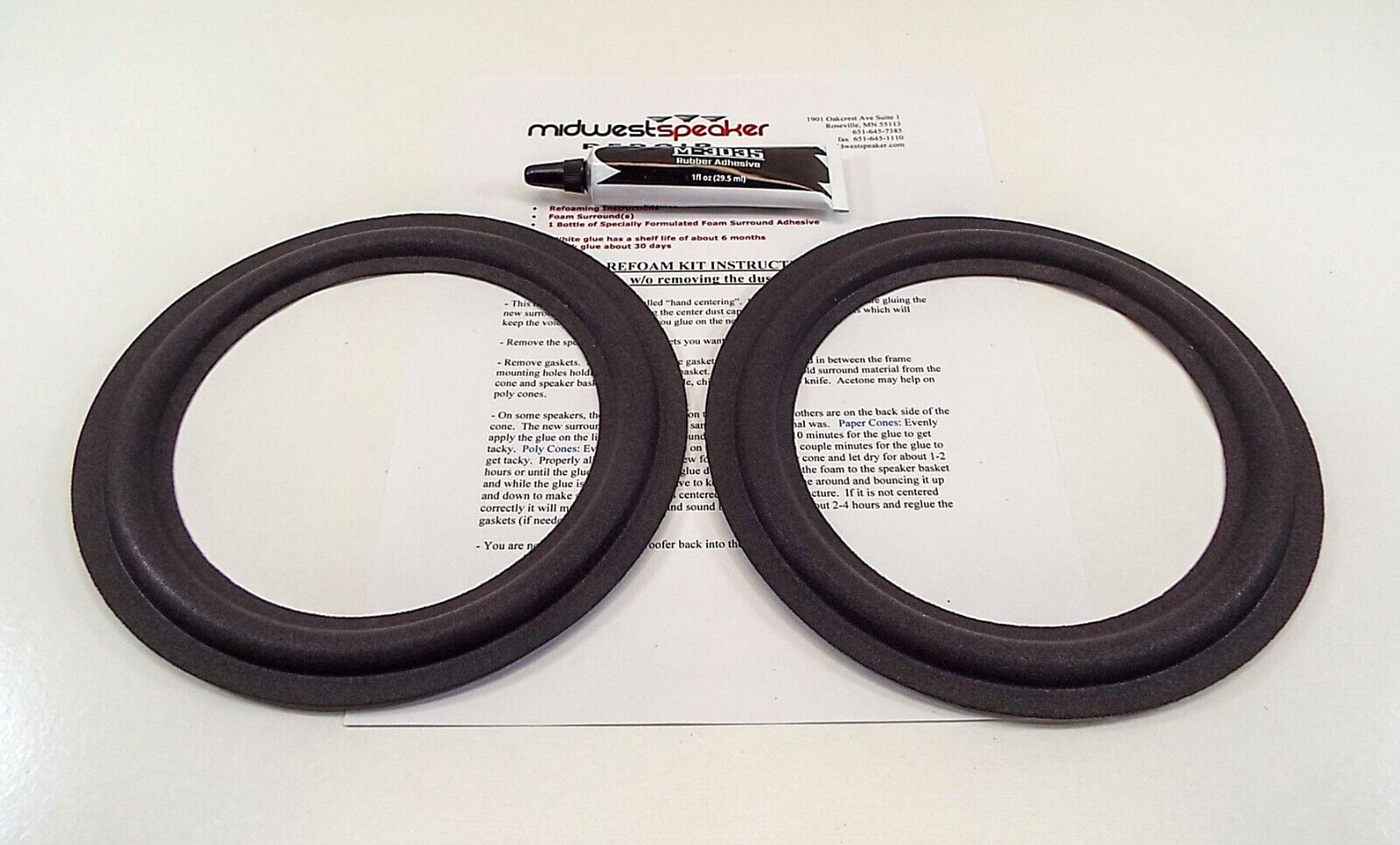


As an eBay Partner, we earn from qualifying purchases. This helps support our independent vintage technology research.
Related Models
- Infinity RS-1B (1975)
- Infinity SM-102 (1979)
- Infinity SM-125 (1975)
- Infinity RS-6 (1976)
- Infinity SM-112 (1975)
- Akai AM-2850 (1975)
- Akai AP-206 (1975)
- Nakamichi BX-1 (1985)
- Acoustic Research research-ar-17 (1978)
- Acoustic Research AR-19 (1994)