Infinity KAPPA-CENTER: The Centerpiece of Vintage Home Theater Excellence
In the late 1980s and early 1990s, as home theater systems began to emerge from the realm of science fiction into living rooms across America, speaker manufacturers scrambled to meet the demand for high-fidelity, cinema-quality audio. Among the most respected names in loudspeaker engineering during this era was Infinity Systems, known for its pioneering work in driver technology and crossover design. One standout product from this golden age of audio innovation was the Infinity KAPPA-CENTER, a dedicated center channel speaker from the celebrated KAPPA series.
Though often overshadowed by its floor-standing siblings like the KAPPA 7.1 and KAPPA 9.2, the KAPPA-CENTER played a vital role in delivering clear, articulate dialogue and balanced soundstage integration in multi-channel setups. Designed specifically to anchor the front soundstage, this speaker exemplified Infinity’s commitment to performance, precision, and aesthetic refinement—hallmarks of the KAPPA line.
Technical Specifications
The KAPPA-CENTER was engineered to match the sonic signature of other speakers in the KAPPA family, ensuring tonal consistency across the front array. It featured a two-way design with carefully selected drivers and a sophisticated crossover network, allowing it to handle the critical task of on-screen dialogue reproduction with authority.
| Specification | Detail |
| Model | KAPPA-CENTER |
| Manufacturer | Infinity Systems |
| Year Introduced | 1990 |
| Type | 2-way, passive center channel speaker |
| Driver Complement | 1 x 5.25" woofers, 1 x 1" soft dome tweeter |
| Crossover Frequency | ~2.5 kHz (estimated) |
| Frequency Response | 65 Hz – 20 kHz (±3 dB) |
| Nominal Impedance | 8 ohms |
| Sensitivity | 89 dB (2.83V/1m) |
| Recommended Amp Power | 20 – 100 watts per channel |
| Enclosure Type | Bass-reflex (rear-firing port) |
| Crossover Components | Polypropylene capacitors, air-core inductors |
| Cabinet Finish | Black ash vinyl wrap |
| Dimensions (H×W×D) | 7.5" × 20" × 9.5" (19 × 51 × 24 cm) |
| Weight | 18 lbs (8.2 kg) |
The horizontally oriented cabinet was designed for easy placement above or below a television or projection screen, with a low-profile footprint that minimized visual intrusion. The front baffle featured a symmetrical driver array—typically one 5.25-inch mid-bass driver on either side of a central 1-inch soft-dome tweeter—optimized for wide horizontal dispersion and a stable central image.
Sound Characteristics and Performance
The KAPPA-CENTER inherited the sonic DNA of the broader KAPPA series: clean, dynamic, and highly detailed. Its soft-dome tweeter delivered smooth high-frequency response without the harshness sometimes associated with early metal domes, making it ideal for extended listening sessions. The midrange was exceptionally clear, ensuring that dialogue remained intelligible even in complex cinematic scenes.
Thanks to its 8-ohm nominal impedance and 89 dB sensitivity, the KAPPA-CENTER was relatively easy to drive, working well with both vintage receivers and modern AV processors. When paired with other KAPPA series speakers—particularly the KAPPA 7.1 or KAPPA 8.1—the result was a cohesive, enveloping soundstage that brought movies and music to life.
One of the speaker’s greatest strengths was its imaging precision. The time-aligned driver configuration (a hallmark of many Infinity designs) helped ensure that sound arrived at the listener’s ears in phase, creating a stable "phantom center" image that anchored voices directly to the screen. This made the KAPPA-CENTER particularly effective in home theater setups, where dialogue clarity is paramount.
Notable Features and Innovations
While the KAPPA-CENTER may not have boasted the flashiest specs on paper, it incorporated several advanced features for its time:
- Time-Aligned Crossover Design: Infinity was one of the first companies to emphasize time alignment in multi-driver speakers. By physically offsetting the tweeter or using acoustic lensing, they ensured that high- and low-frequency waves reached the listener simultaneously, improving coherence and imaging.
- High-Quality Crossover Components: Unlike budget models that used basic electrolytic capacitors and iron-core inductors, the KAPPA-CENTER employed polypropylene capacitors and air-core coils—components known for lower distortion and better signal integrity.
- Rigid MDF Construction: The cabinet was constructed from medium-density fiberboard (MDF) with internal bracing to minimize resonance and coloration. This was a significant upgrade over the particleboard or plastic enclosures found in many contemporary center channels.
- Magnetic Shielding: Important for placement near CRT televisions, the drivers were magnetically shielded to prevent interference with video displays—a thoughtful touch for the era.
- Sleek, Neutral Aesthetic: The black ash vinyl finish and minimalist grille allowed the speaker to blend into most living room environments without drawing attention.
Common Issues and Maintenance
As with any vintage audio gear, the Infinity KAPPA-CENTER can show signs of age after three decades of service. The most common issues include:
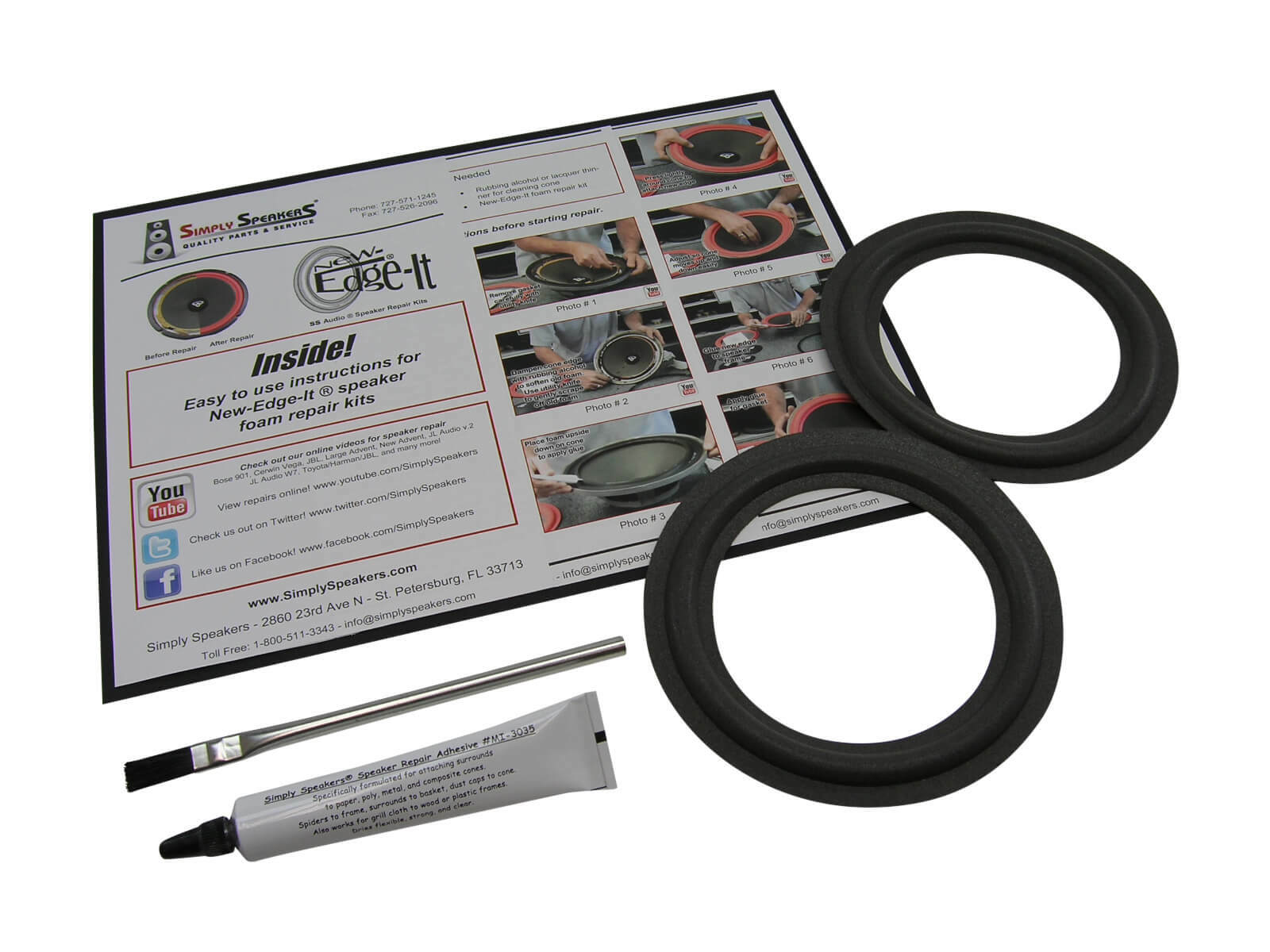
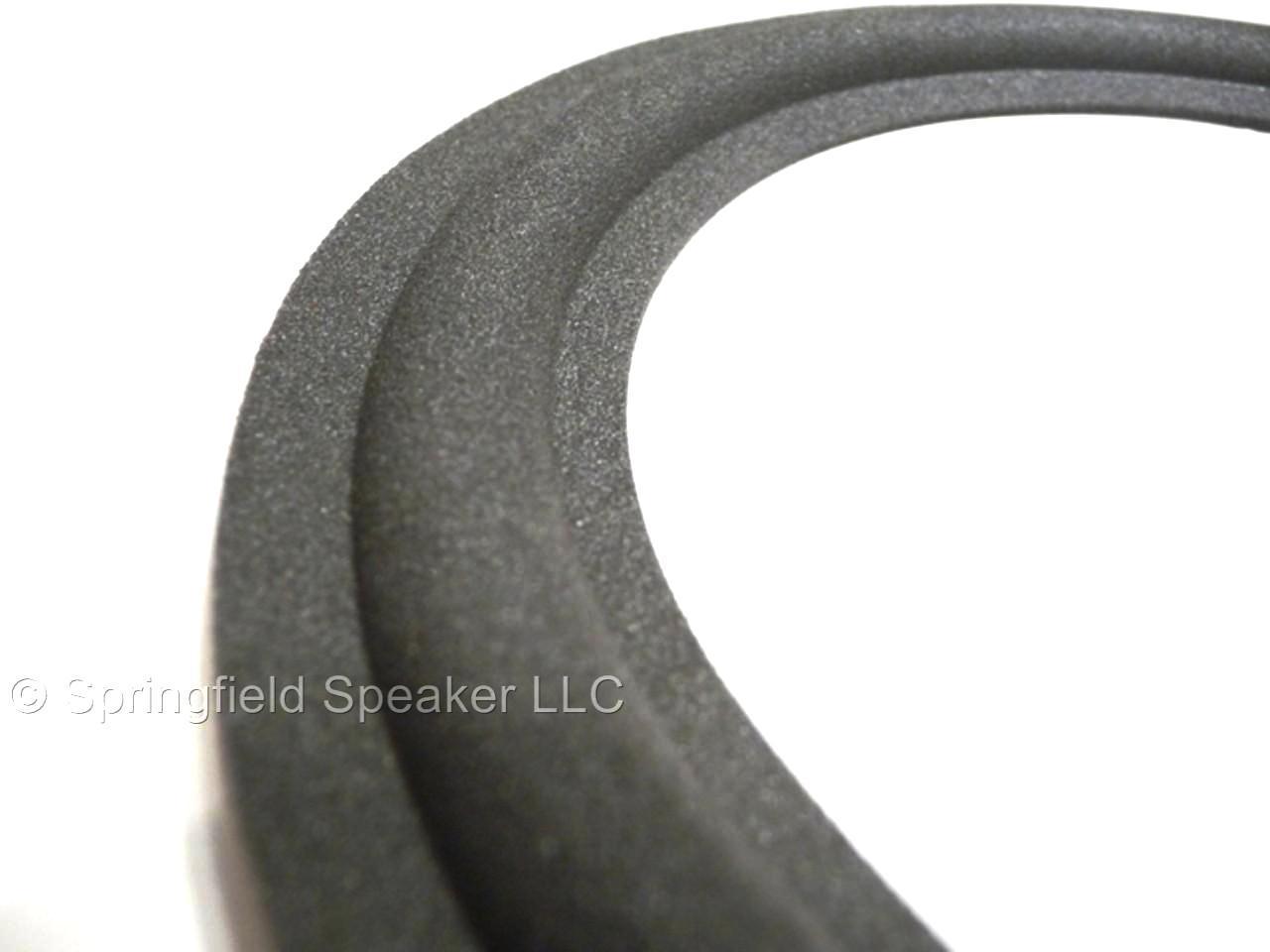
- Degraded Foam Surrounds: The 5.25" woofers typically used foam surrounds, which can dry out, crack, or disintegrate over time. This leads to reduced bass response and potential rattling. Fortunately, replacement surrounds or full reconing kits are available from specialty audio restoration shops.
- Tweeter Fatigue: While the soft-dome tweeters are generally robust, exposure to high SPLs or amplifier clipping can damage the diaphragm or voice coil. A hissing or distorted high end may indicate tweeter failure.
- Crossover Component Drift: Electrolytic capacitors in the crossover (if used in later revisions) may degrade, altering frequency response or causing channel imbalance. Upgrading to modern film capacitors can restore performance and reliability.
- Grille Fabric Wear: The cloth grilles may fade or tear over time. Replacement fabrics in matching textures are available, or owners can custom-fit modern acoustically transparent materials.
Regular inspection, gentle cleaning, and conservative volume levels can extend the life of these speakers significantly. For serious collectors or restorers, a full refurbishment—including reconing, crossover servicing, and cabinet touch-ups—can return a KAPPA-CENTER to like-new condition.
Current Market Value and Collectibility
The Infinity KAPPA-CENTER is not a rare unicorn, but it is increasingly sought after by vintage audio enthusiasts and home theater purists looking to recreate authentic 1990s-era setups. Units in good cosmetic and working condition typically sell for $75 to $150 on the secondary market, depending on region and completeness (original grilles, documentation, etc.).
Fully restored models or those sold as part of a matched KAPPA series set can command higher prices, especially when paired with original Infinity subwoofers like the KAPPA 12.1. While not yet a "blue chip" collectible like some JBL or AR models, the KAPPA-CENTER benefits from Infinity’s strong reputation and the enduring popularity of the KAPPA line.
Conclusion and Legacy
The Infinity KAPPA-CENTER may not have been the star of the show, but it was the reliable anchor that held the front soundstage together. In an era when center channels were often afterthoughts—tacked-on boxes with poor integration—the KAPPA-CENTER stood out for its thoughtful engineering, refined sound, and build quality.
Today, it remains a smart choice for vintage audio lovers building period-correct systems or seeking a high-quality, no-frills center speaker with genuine audiophile pedigree. When properly maintained, the KAPPA-CENTER continues to deliver performance that rivals many modern budget offerings.
More than just a relic of 90s home theater, it’s a testament to a time when companies like Infinity believed that every speaker in a system—no matter its role—deserved to be engineered with care. For that reason, the KAPPA-CENTER earns its place in the pantheon of vintage audio excellence.
eBay Listings

As an eBay Partner, we earn from qualifying purchases. This helps support our independent vintage technology research.
Related Models
- Infinity RS-1B (1975)
- Infinity SM-102 (1979)
- Infinity SM-125 (1975)
- Infinity RS-6 (1976)
- Infinity SM-112 (1975)
- Akai AM-2850 (1975)
- Akai AP-206 (1975)
- Nakamichi BX-1 (1985)
- Acoustic Research research-ar-17 (1978)
- Acoustic Research AR-19 (1994)