Infinity KAPPA-80: The Compact Powerhouse of the Early '90s
In the early 1990s, Infinity Systems—already renowned for its pioneering work in loudspeaker design—launched the KAPPA series, a line of high-fidelity speakers that balanced advanced engineering with accessible pricing. Among the most respected models in this range was the Infinity KAPPA-80, a compact bookshelf speaker that defied its size with bold sonic performance and striking industrial design. Though not as widely documented as some of its larger siblings like the KAPPA 120 or KAPPA 97, the KAPPA-80 carved out a loyal following among audiophiles seeking a space-conscious speaker with full-range capabilities and the signature Infinity clarity.
Positioned as a high-performance nearfield monitor or secondary room speaker, the KAPPA-80 brought many of the technological hallmarks of Infinity’s flagship designs into a more manageable footprint. Released in 1991, it arrived during a golden era for passive speaker development, when manufacturers were refining crossover networks, experimenting with exotic driver materials, and pushing the limits of bass extension in compact enclosures. The KAPPA-80 stood out in this landscape with its innovative use of a passive radiator and a meticulously tuned ported design, allowing it to deliver deep, articulate bass that belied its bookshelf proportions.
Technical Specifications
The KAPPA-80 was engineered with precision, using components and design philosophies that reflected Infinity’s commitment to accuracy and dynamic range. Below are its key technical specifications:
| Specification | Detail |
| Model | KAPPA-80 |
| Type | 2-way, bass-reflex (passive radiator) |
| Drivers | 1" soft-dome tweeter, 6.5" polypropylene woofer |
| Frequency Response | 55 Hz – 20 kHz (±3 dB) |
| Crossover Frequency | 2.2 kHz |
| Nominal Impedance | 8 ohms (compatible with most receivers) |
| Sensitivity | 89 dB (2.83V/1m) |
| Recommended Power | 20–100 watts per channel |
| Enclosure Type | Ported with rear-mounted passive radiator |
| Dimensions (H×W×D) | 13.5" × 8" × 10.5" (343 × 203 × 267 mm) |
| Weight | 22 lbs (10 kg) per speaker |
| Finish Options | Black ash vinyl, real wood veneers (cherry, rosewood) |
The KAPPA-80 employed a soft-dome tweeter for smooth, non-fatiguing high-frequency reproduction—a departure from the metal domes used in some contemporary designs that could sound harsh on bright recordings. The 6.5-inch polypropylene woofer offered excellent damping and low distortion, while the rear-mounted passive radiator enhanced bass response without the tuning limitations of a traditional port. This design minimized port noise and allowed for tighter low-end performance, even at higher volumes.
Sound Characteristics and Performance
The KAPPA-80 was praised for its balanced, engaging sound signature that leaned toward neutrality with a touch of warmth in the midrange. Its frequency response—extending down to 55 Hz—gave it surprising bass authority, making it suitable for small to medium-sized rooms without requiring a subwoofer for most content. The crossover at 2.2 kHz was carefully implemented to ensure seamless integration between the woofer and tweeter, avoiding the "crossover hump" that plagued some budget speakers of the era.
In practice, the KAPPA-80 delivered crisp, detailed highs ideal for vocals and acoustic instruments, while the midrange remained clear and present—perfect for jazz, classical, and rock. The bass, though not as deep as larger floorstanders, was tight and well-controlled, with minimal boominess. When paired with a quality integrated amplifier or receiver, the KAPPA-80 revealed a soundstage that was wider and more layered than expected from a speaker of its size.
Many owners noted that the KAPPA-80 benefited from proper placement—ideally on sturdy stands and angled slightly toward the listening position. Being a rear-vented design with a passive radiator, it required some clearance from the wall (6–12 inches recommended) to breathe properly and avoid bass buildup.
Notable Features and Innovations
What set the KAPPA-80 apart from many of its contemporaries was its hybrid bass-reflex/passive radiator design. While most compact speakers used either a port or a passive radiator, Infinity’s implementation in the KAPPA series allowed for greater tuning flexibility and reduced air turbulence. This contributed to cleaner bass and improved dynamic headroom.
Additionally, the high-slope crossover network used in the KAPPA-80 reflected Infinity’s attention to time alignment and driver protection. Built with quality capacitors and inductors, the crossover helped maintain phase coherence and reduce intermodulation distortion—a hallmark of more expensive speaker designs.
The cabinet construction was also noteworthy: a dense MDF enclosure with internal bracing minimized resonance, while the magnetic shielding made the KAPPA-80 safe for use near CRT televisions—a practical feature in the pre-flatscreen era. The front baffle was slightly curved, not just for aesthetics but to reduce diffraction effects that can color the sound.
Common Issues and Maintenance
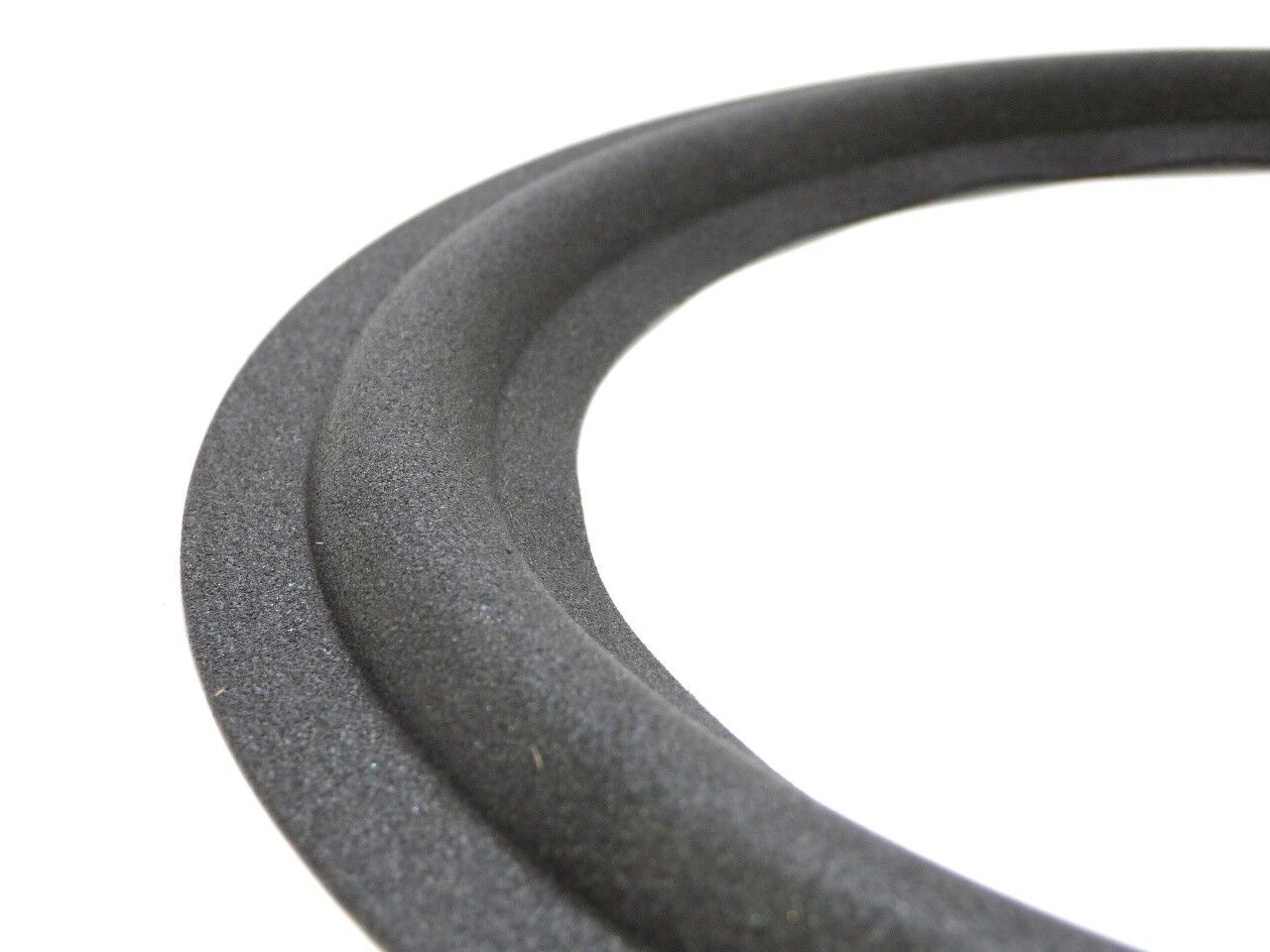
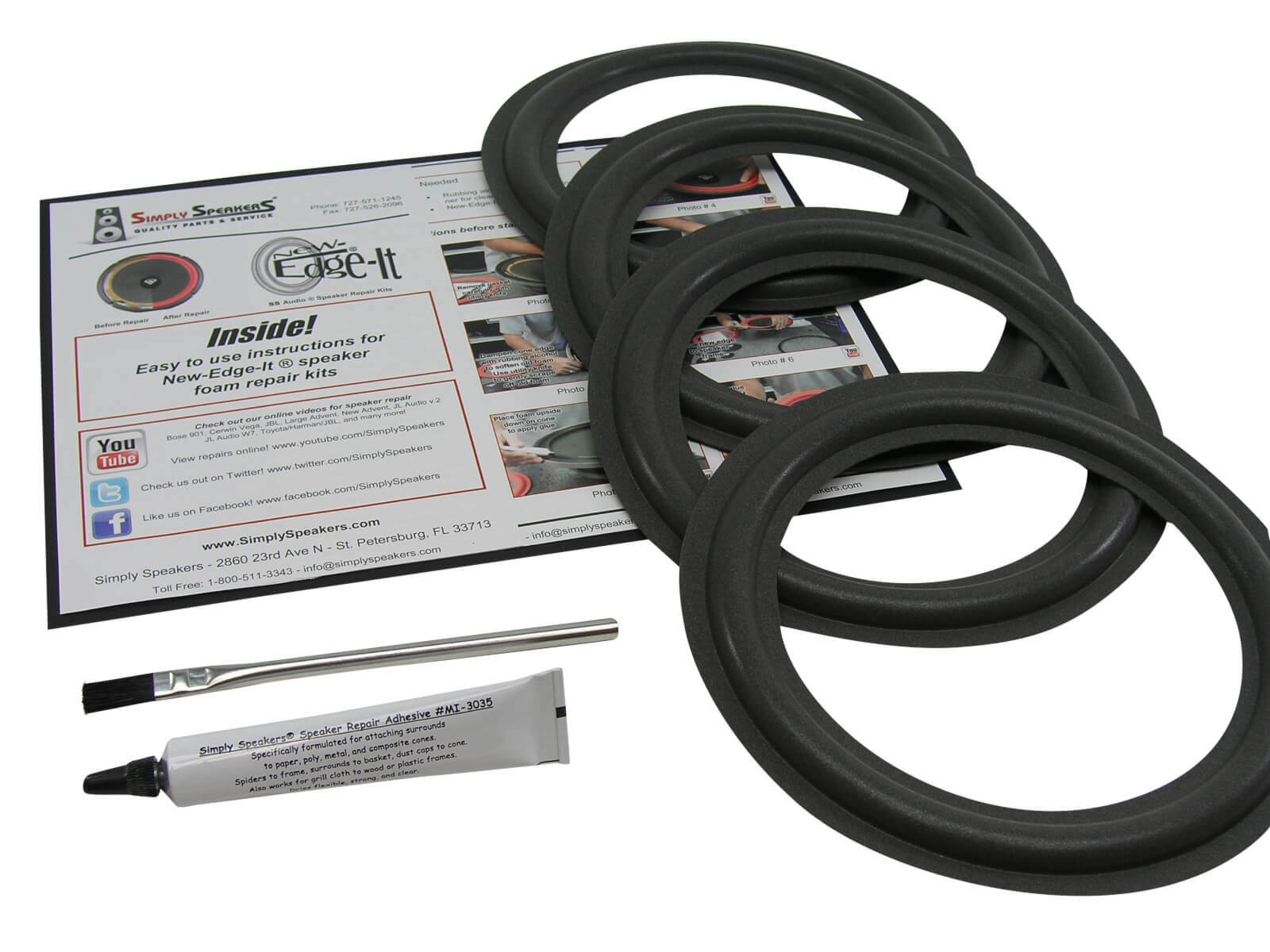
Like many vintage speakers from the early '90s, the KAPPA-80 can suffer from aging foam surrounds on the woofer. After 30+ years, the foam may degrade, leading to flaking, loss of bass response, or even complete failure. Fortunately, foam replacement kits are readily available from specialty audio restoration suppliers, and reconing the driver is a common and cost-effective repair.
The tweeter is generally more durable, especially since it uses a soft dome rather than a metal one prone to oxidation. However, if the speaker has been overdriven or exposed to high-frequency distortion (e.g., clipping), the tweeter’s voice coil can burn out. This is less common but repairable by experienced technicians.
Dust and grime can accumulate in the passive radiator’s surround, potentially restricting movement. A gentle cleaning with a soft brush and inspection for binding is recommended during maintenance. Also, check the binding posts—while generally robust, they can loosen over time or corrode if exposed to humidity.
Current Market Value and Collectibility
Today, the Infinity KAPPA-80 is not a high-profile collector’s item like the legendary IRSV or EMPIRE models, but it holds steady appeal among vintage audio enthusiasts seeking affordable, high-performance bookshelf speakers from a respected brand. On the secondhand market (eBay, Audiogon, Facebook groups), working pairs typically sell for $150–$300, depending on condition, finish, and whether they’ve been refurbished.
Speakers in original wood veneer finishes (especially cherry or rosewood) command a slight premium over the more common black ash vinyl. Fully restored units with new foam surrounds and cleaned cabinets can fetch closer to $350, particularly if sold with matching stands or original packaging.
While not rare, the KAPPA-80 is increasingly hard to find in excellent condition, making well-maintained examples a smart buy for those building a vintage system on a budget. Its 8-ohm impedance and 89 dB sensitivity make it easy to drive, compatible with everything from vintage receivers to modern tube amps.
Conclusion and Legacy
The Infinity KAPPA-80 may not have the star power of Infinity’s flagship models, but it represents the brand’s ability to deliver serious performance in a compact, elegant package. For its time, it offered a rare combination of deep bass, smooth highs, and solid build quality—all at a competitive price point.
Today, it stands as a testament to early '90s speaker engineering: a time when manufacturers were refining materials, optimizing enclosures, and bringing high-fidelity sound into more homes than ever before. For the vintage audio enthusiast, the KAPPA-80 is more than just a nostalgic piece—it’s a capable, musical speaker that still holds its own in modern setups.
If you stumble upon a well-cared-for pair, especially one that’s been restored, don’t overlook them. The Infinity KAPPA-80 might just be the compact classic your system has been waiting for.
eBay Listings


As an eBay Partner, we earn from qualifying purchases. This helps support our independent vintage technology research.
Related Models
- Infinity RS-1B (1975)
- Infinity SM-102 (1979)
- Infinity SM-125 (1975)
- Infinity RS-6 (1976)
- Infinity SM-112 (1975)
- Akai AM-2850 (1975)
- Akai AP-206 (1975)
- Nakamichi BX-1 (1985)
- Acoustic Research research-ar-17 (1978)
- Acoustic Research AR-19 (1994)