Infinity ES-82: The Forgotten Electrostatic Hybrid of the Late 1970s
In the late 1970s, as high-fidelity audio entered a golden era of innovation, Infinity Systems stood out as a bold pioneer in loudspeaker design. Known primarily for its groundbreaking AR-inspired servo-controlled subwoofers and later for high-performance home and car audio, Infinity also ventured into the esoteric world of electrostatic speakers with its ES (Electrostatic) series. Among these, the Infinity ES-82 occupies a unique, if somewhat obscure, place in audio history—a hybrid electrostatic loudspeaker that aimed to deliver the transparency of electrostatics with the bass authority of dynamic drivers.
Though not as widely recognized as the Quad ESL-57 or the Acoustat models of the era, the ES-82 represented Infinity’s ambitious attempt to marry electrostatic midrange and treble performance with conventional bass reinforcement. Designed during a time when audiophiles were captivated by the "live" sound of electrostatic panels, the ES-82 offered a compelling alternative for those who wanted the ethereal clarity of electrostatics without sacrificing low-end impact.
Technical Specifications
The Infinity ES-82 is a floor-standing hybrid electrostatic loudspeaker, combining a large electrostatic panel with a dedicated dynamic woofer system. This design philosophy was shared by other hybrid manufacturers of the time (such as MartinLogan and Sound Lab), but Infinity’s implementation reflected its engineering-driven approach.
| Specification | Detail |
| Type | Hybrid electrostatic / dynamic loudspeaker |
| Frequency Response | 45 Hz – 20 kHz (±3 dB) |
| Sensitivity | 92 dB (1W/1m) |
| Impedance | 8 ohms nominal (electrostatic panel), 4 ohms (bass section) |
| Crossover Frequency | 450 Hz |
| Tweeter | Full-height push-pull electrostatic panel |
| Woofer | 10-inch long-throw cone driver with sealed enclosure |
| Crossover Type | Passive, 12 dB/octave |
| Recommended Amp Power | 50–200 watts |
| Dimensions (H×W×D) | 78" × 18" × 12" (198 cm × 46 cm × 30 cm) |
| Weight | 68 lbs (31 kg) per speaker |
| Finish Options | Walnut or black ash veneer |
The electrostatic panel used a dual-stator push-pull configuration, which helped reduce distortion and increase dynamic range—key improvements over earlier single-ended designs. The panel was charged via an internal power supply that converted AC line voltage to the high DC bias required (typically around 2–3 kV), a common feature in hybrid electrostatics of the era.
The bass section, housed in a separate, sealed cabinet below the panel, was designed to complement the speed and transparency of the electrostatic driver. The 10-inch woofer was engineered for low distortion and tight transient response, avoiding the flabby bass often associated with ported designs.
Sound Characteristics and Performance
The sonic signature of the Infinity ES-82 is best described as open, detailed, and remarkably transparent, particularly in the midrange and treble. The electrostatic panel delivers a near-effortless presentation of vocals and acoustic instruments, with a soundstage that is wide, deep, and precisely layered. Imaging is exceptional—individual instruments appear as discrete points in space, and the speaker’s low coloration allows subtle recording nuances to emerge.
High frequencies are crisp but not harsh, avoiding the sibilance that plagued some electrostatics. The push-pull design contributes to this balance, reducing even-order harmonic distortion and minimizing the "static crackle" sometimes heard in humid environments.
The dynamic woofer adds a solid foundation, extending the response down to 45 Hz. While not a sub-bass powerhouse, the bass is tight, articulate, and well-integrated with the upper registers. When properly matched with a quality amplifier, the ES-82 can deliver surprising dynamic swings and a sense of scale that belies its hybrid nature.
One of the ES-82’s strengths is its high sensitivity (92 dB), making it compatible with lower-powered tube amplifiers—a rarity among electrostatic designs, which often demand high-current solid-state gear. However, due to the complex impedance load (especially at crossover frequencies), stable amplifiers with strong current delivery are recommended.
Notable Features and Innovations
The Infinity ES-82 introduced several forward-thinking features for its time:
- Push-Pull Electrostatic Panel: This design improved linearity and reduced distortion compared to single-ended panels.
- Integrated Power Supply: Unlike full-range electrostatics that required external energizers, the ES-82 had a built-in high-voltage supply, simplifying setup.
- Hybrid Architecture: By combining electrostatic clarity with dynamic bass, Infinity sidestepped the limitations of full-range electrostatics (limited bass extension and high power demands).
- Modular Construction: The bass and electrostatic sections were acoustically isolated, minimizing intermodulation distortion.
These innovations positioned the ES-82 as a practical yet high-performance option for audiophiles who wanted electrostatic magic without the typical trade-offs.
Common Issues and Maintenance
Like all vintage electrostatic speakers, the ES-82 requires careful handling and periodic maintenance:
- Panel Degradation: Over time, the ultra-thin Mylar diaphragm in the electrostatic panel can develop tears or lose tension, leading to buzzing or reduced output. Humidity and physical contact are the main culprits.
- High-Voltage Supply Failure: The internal power supply can fail due to aging capacitors or transformer issues. Symptoms include no sound from the panel or visible arcing.
- Bass Driver Wear: The 10-inch woofer may suffer from surround deterioration or voice coil misalignment after decades of use.
- Cleaning Challenges: Dust accumulation on the perforated stators can affect performance. Use a soft brush or low-suction vacuum with a brush attachment—never liquid cleaners.
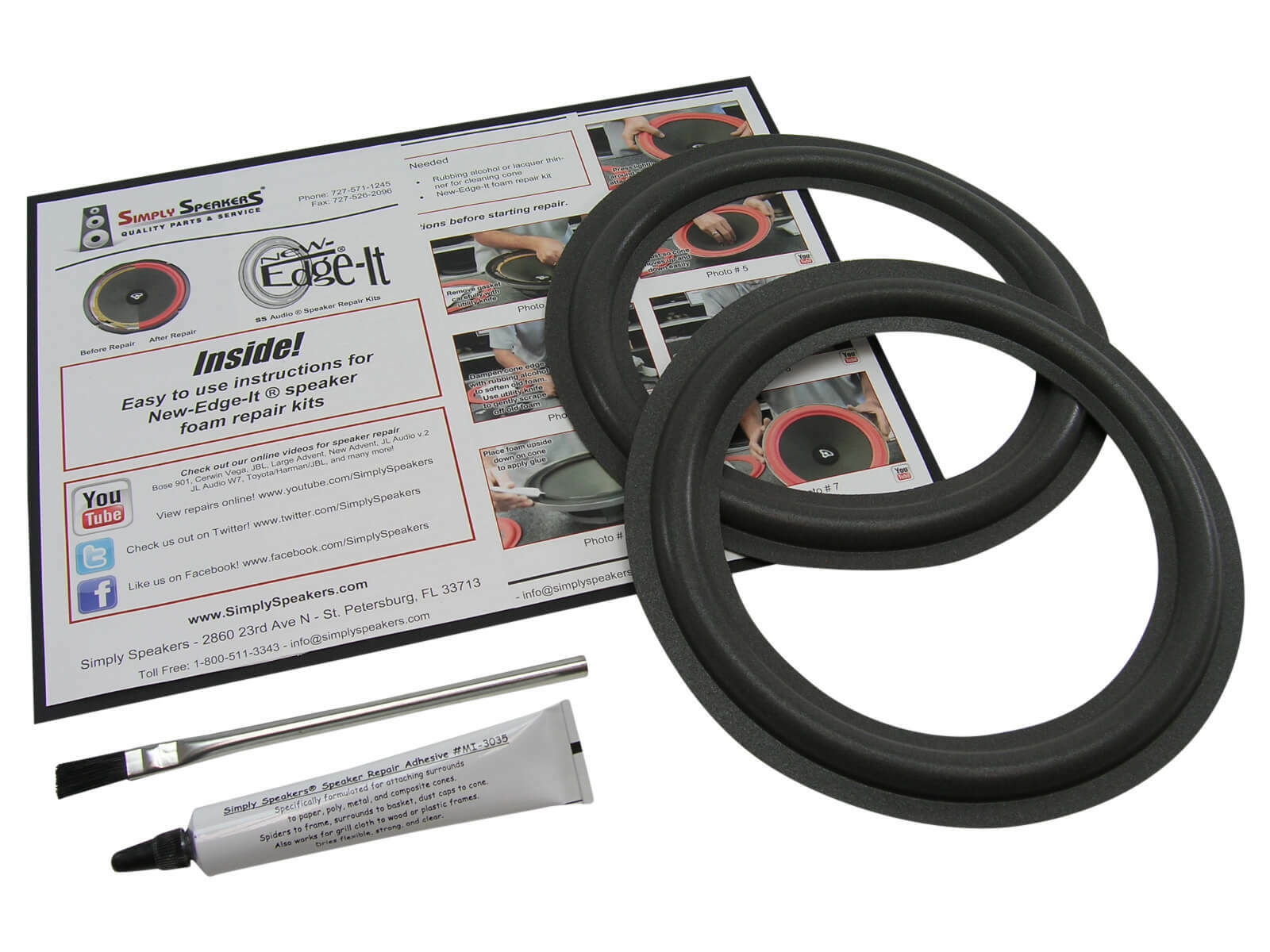
Owners are advised to store the speakers in dry, climate-controlled environments and to power them on periodically to keep the high-voltage components conditioned. Re-foaming or full reconing of the woofer may be necessary for long-term reliability.
Current Market Value and Collectibility
The Infinity ES-82 remains a niche collectible. It is not as sought-after as the Quad ESLs or the early MartinLogans, but it has a dedicated following among vintage speaker enthusiasts and hybrid audio aficionados.
In good working condition, a pair of ES-82s typically sells for $400–$800, depending on cosmetic condition and whether servicing has been performed. Fully restored units with new panels or rebuilt bass drivers may command higher prices, especially if paired with original documentation or stands.
Their rarity—combined with Infinity’s reputation—makes them a compelling find for collectors interested in the evolution of electrostatic technology. While not mainstream, the ES-82 represents an important chapter in Infinity’s design history and the broader story of American high-end audio.
Conclusion and Legacy
The Infinity ES-82 may not have achieved the legendary status of some of its contemporaries, but it stands as a bold and technically accomplished hybrid speaker from a transformative period in audio history. It embodies Infinity’s willingness to experiment and innovate, bridging the gap between the purity of electrostatics and the practicality of dynamic drivers.
For the right listener—someone who values transparency, speed, and a holographic soundstage—the ES-82 remains a rewarding choice. It’s a speaker that doesn’t just reproduce music; it reveals it, with a clarity that few dynamic speakers of its era could match.
Today, the ES-82 serves as a reminder that innovation in audio isn’t always about commercial success—it’s about pushing boundaries. And in that regard, the Infinity ES-82 quietly succeeded.
eBay Listings


As an eBay Partner, we earn from qualifying purchases. This helps support our independent vintage technology research.
Related Models
- Infinity RS-1B (1975)
- Infinity SM-102 (1979)
- Infinity SM-125 (1975)
- Infinity RS-6 (1976)
- Infinity SM-112 (1975)
- Akai AM-2850 (1975)
- Akai AP-206 (1975)
- Nakamichi BX-1 (1985)
- Acoustic Research research-ar-17 (1978)
- Acoustic Research AR-19 (1994)