Harman Kardon Solid State Amplifiers (1960s–1980s)
Harman Kardon's solid-state amplifiers, developed and produced from the 1960s through the 1980s, represent a golden era in American high-fidelity audio engineering. These amplifiers—particularly those in the legendary Citation series—were instrumental in redefining expectations for solid-state performance, combining high current output, exceptional damping factor, and elegant circuit design. Models like the HK250, HK770, and Citation 16 became staples in audiophile systems and continue to be sought after for their reliability, musicality, and clean power delivery.
Key Specifications
| Specification | Details |
| Production Years | 1960s–1980s |
| Power Output | Model-dependent: 25W/ch (HK250) to 150W/ch (Citation 16) |
| Impedance Range | 4–16 ohms (varies by model) |
| Circuit Topology | Dual-mono design, minimalist signal paths, wide-bandwidth circuitry |
| Power Supply | High-quality toroidal transformers in higher-end models |
| Protection System | Quartz-lamp based overload protection (unique to Harman Kardon) |
| Damping Factor | High (optimized for tight bass control and difficult speaker loads) |
| Signal-to-Noise Ratio | Not officially documented; subjectively very low noise floor |
| Inputs/Outputs | RCA line inputs, speaker binding posts, some with preamp outputs |
| Dimensions/Weight | Varies; larger models (e.g., Citation 16) are heavy due to toroidal PSU |
Historical Significance
Harman Kardon emerged as a leader in solid-state amplifier design during the 1970s, a period when many audiophiles still favored vacuum tube equipment for their perceived warmth and musicality. Harman Kardon challenged this notion by engineering amplifiers that were not only technically superior but also musically engaging.
The Citation series, introduced in the late 1950s and refined through the 1970s, became the flagship line. The Citation 16, released in the mid-1970s, was a landmark model—delivering 150 watts per channel with a high damping factor and exceptional current delivery. It was designed to drive even the most demanding speakers with authority, setting a new benchmark for solid-state amplification.
Harman Kardon’s use of dual-mono architecture, wide-bandwidth circuitry, and toroidal transformers in premium models emphasized stability, low distortion, and excellent transient response. Their innovative quartz-lamp protection circuits safeguarded speakers from DC faults without compromising signal integrity—a clever and reliable solution ahead of its time.
These amplifiers influenced a generation of designers and helped establish the credibility of solid-state technology in high-end audio.
Sound Signature
Harman Kardon solid-state amplifiers are known for a clean, detailed, and neutral to slightly warm tonal balance. They deliver:
- Excellent dynamic range and punch
- Tight, controlled bass due to high damping factor
- Transparent midrange with minimal coloration
- Smooth, extended highs without harshness
While less romantic than tube amplifiers, they are praised for their musical engagement, spatial clarity, and ability to render complex passages with ease. Their high current capability makes them ideal for driving low-impedance or reactive speaker loads.
Common Issues and Maintenance Tips
Despite their robust build, decades of use have exposed certain aging-related issues. Proper maintenance ensures these amplifiers continue to perform at their best.
Common Problems:
- Aging electrolytic capacitors: Can lead to hum, reduced performance, or power supply instability. Recapping is highly recommended.
- Failed output transistors: Often due to capacitor degradation or thermal stress.
- Oxidized potentiometers and switches: Causes scratchy volume controls or intermittent connections. Clean with contact cleaner or replace.
- DC offset issues: Some models may develop DC voltage at speaker outputs, risking damage to speakers. Should be checked and adjusted during servicing.
- Quartz lamp failure: The protection lamps can burn out; replacements are available but should be matched for resistance.
Maintenance Recommendations:
1. Recap the power supply and signal path—especially if the unit has not been serviced since the 1980s.
2. Bias adjustment—check and set output stage bias to manufacturer specs after recapping.
3. Clean all controls with high-quality contact cleaner.
4. Inspect for cold solder joints, particularly around high-heat areas.
5. Use a variac and current-limited supply when powering up long-unused units.
6. Verify DC offset at speaker terminals—should be under 50mV, ideally under 10mV.
With proper care, these amplifiers can provide decades more of reliable, high-fidelity performance.
Market Value and Collectibility
Harman Kardon solid-state amplifiers hold steady value in the vintage audio market, with prices varying significantly by model, condition, and rarity.
| Model | Approximate Market Value (USD) | Notes |
| HK250 | $100–$175 | Entry-level, common, good for restoration |
| HK770 | $200–$400 | Mid-tier, solid performance |
| Citation 12 | $300–$450 | Compact Citation series, sought after |
| Citation 16 | $500–$800+ | Flagship model, high collectibility |
| Citation 24 | $600–$900 | Rare, high power, excellent condition units command premium |
Collectibility Rating: 7/10
These amplifiers are prized by vintage audio enthusiasts for their historical importance, build quality, and sonic performance. While not as rare as some Japanese or European contemporaries, the Citation series in particular holds strong appeal.
Conclusion
Harman Kardon’s solid-state amplifiers from the 1960s to 1980s remain a testament to American audio innovation. Combining technical excellence with musical fidelity, they broke new ground in solid-state design and continue to deliver impressive performance today. Whether used as a daily driver or restored as a collector’s piece, a well-maintained Harman Kardon amplifier is a worthy addition to any vintage hi-fi system.
eBay Listings
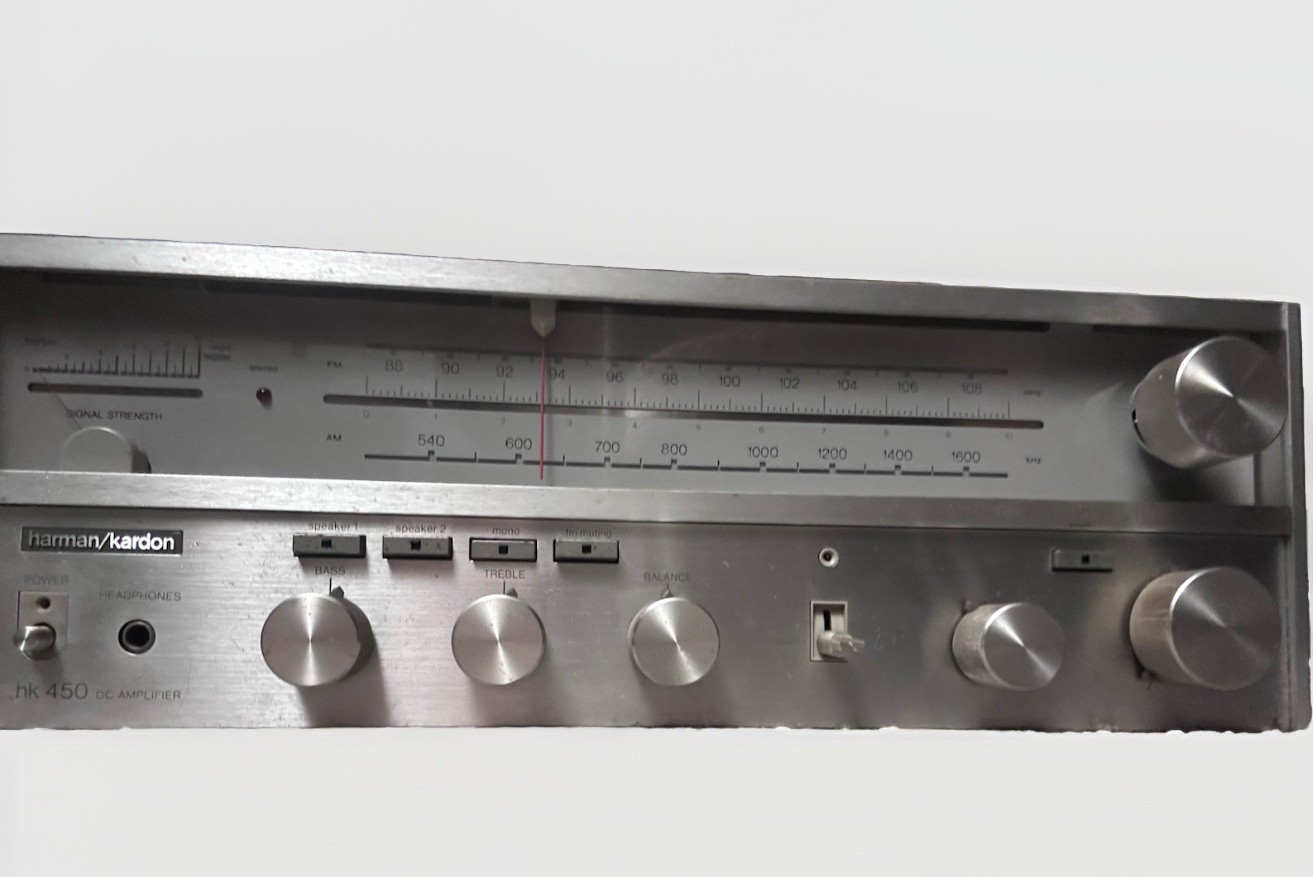

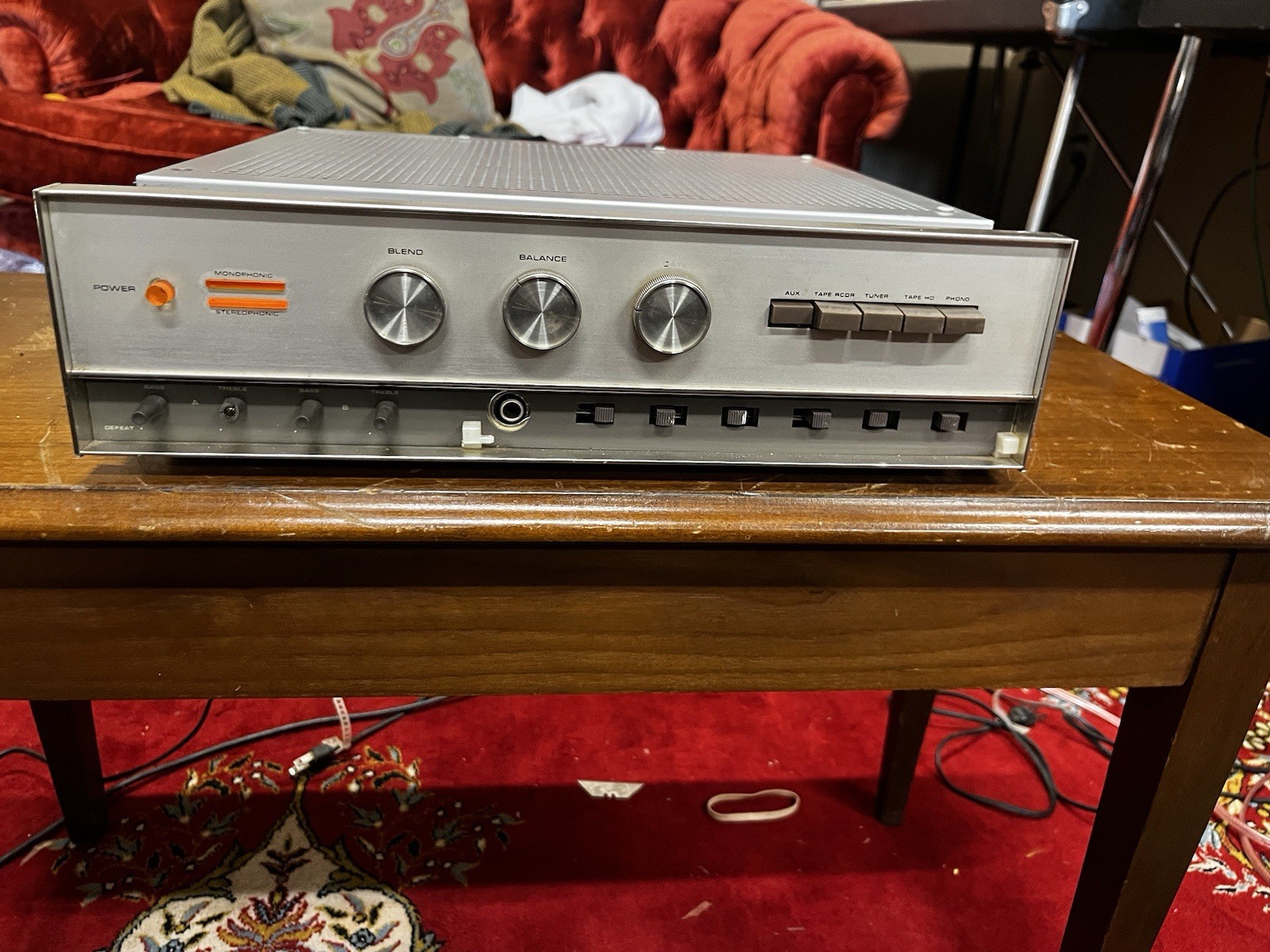
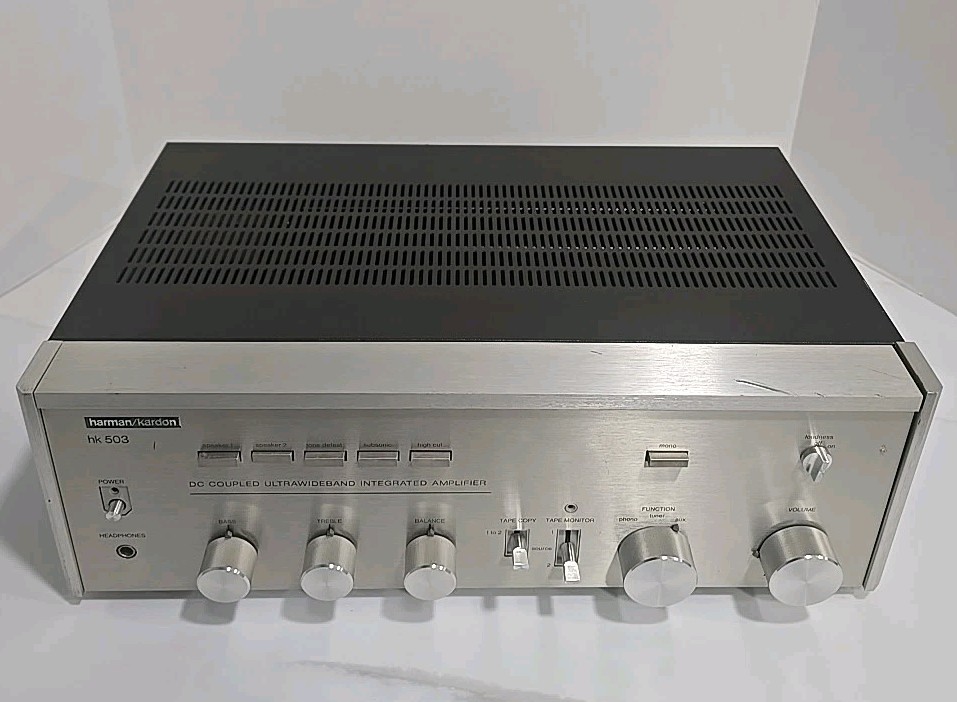
As an eBay Partner, we earn from qualifying purchases. This helps support our independent vintage technology research.