Grundig STEREO-CONSOLES: The Pinnacle of European Hi-Fi Furniture
In the golden era of high-fidelity audio, when stereo systems were not just tools for music reproduction but centerpieces of modern living rooms, German electronics giant Grundig stood at the forefront of innovation and design. Among their most iconic offerings were the Grundig STEREO-CONSOLES — luxurious, all-in-one audio furniture systems that blended cutting-edge electronics with sophisticated European craftsmanship. These consoles were more than just audio equipment; they were statements of taste, status, and technological sophistication, designed for the discerning audiophile who valued both sound and style.
Historical Context: The Rise of the Hi-Fi Console
During the late 1960s and into the 1970s, stereo technology transitioned from niche hobbyist gear to mainstream household luxury. In Europe, particularly in Germany, Austria, and Scandinavia, there was a growing demand for integrated systems that combined turntables, AM/FM tuners, amplifiers, and speakers into a single, elegant unit. Grundig, already renowned for its radios, televisions, and tape recorders, responded with the STEREO-CONSOLES — a line of premium furniture-enclosed stereo systems that brought high-fidelity sound into the heart of the home.
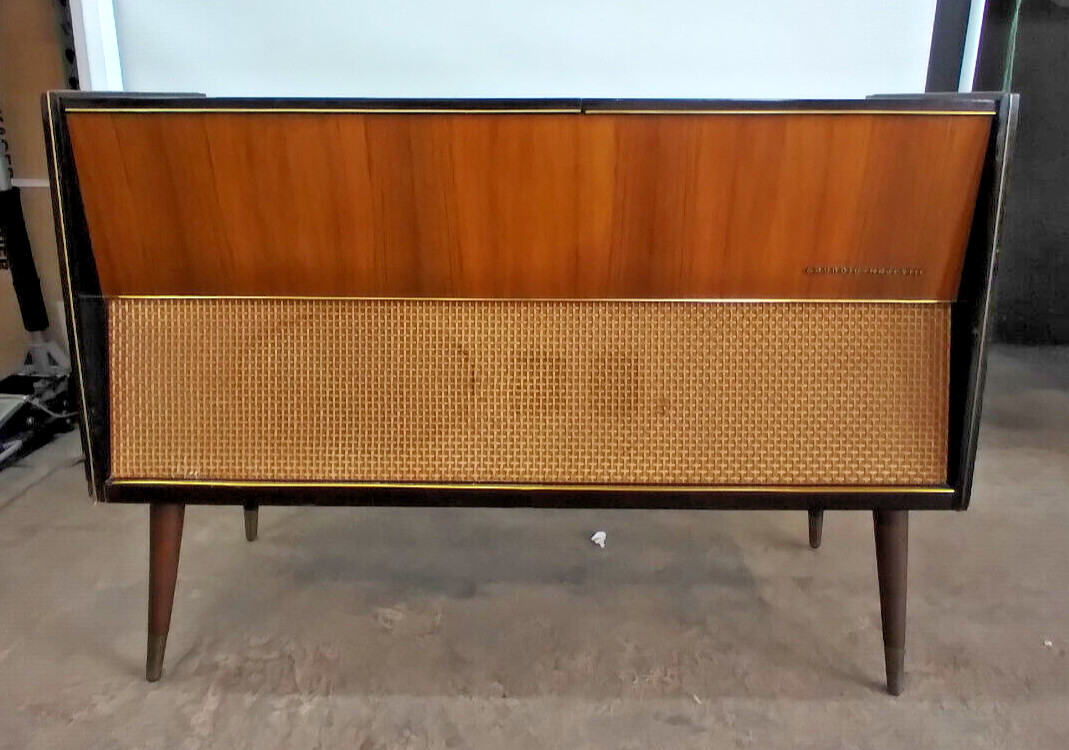
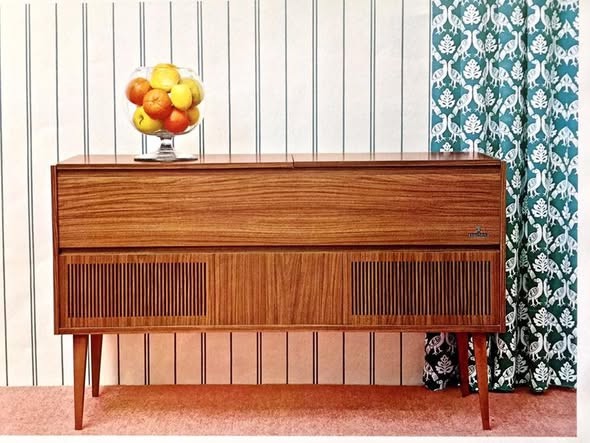
These consoles were typically housed in beautifully crafted wooden cabinets made from walnut, teak, or rosewood veneers, often with sliding glass doors, brushed aluminum trim, and minimalist Scandinavian-inspired design. Positioned as luxury items, they were sold through high-end department stores and specialty audio retailers, often at premium prices that reflected their build quality and integrated technology.
Technical Specifications
While the STEREO-CONSOLES came in multiple configurations over the years (with variations in speaker size, amplifier power, and included features), most models shared a similar core architecture. Below is a representative specification table based on common configurations from the 1968–1975 era:
| Feature | Specification |
| Model Range | ST 500, ST 700, ST 900, Concerto Series |
| Year Introduced | 1968 (with updates into mid-1970s) |
| Amplifier Type | Integrated solid-state (some later models) or hybrid tube/solid-state |
| Power Output | 20–40 watts total (RMS), typically 10–20W per channel |
| Tuner | AM/FM with analog dial, stereo multiplex (on later models) |
| Turntable | Built-in automatic record player, 33/45/78 RPM, belt or direct drive |
| Tape Option | Some models included reel-to-reel or cassette deck |
| Speakers | 2–4 built-in full-range or 2-way speakers (6"–8" woofers, dome tweeters) |
| Inputs | Phono (MM), microphone, auxiliary (on select models) |
| Cabinet Material | Solid wood frame with high-gloss veneer, glass or plexiglass doors |
| Dimensions | Approx. 100–120 cm wide × 50–60 cm high × 40–50 cm deep |
| Weight | 30–50 kg depending on model and speaker configuration |
Sound Characteristics and Performance
The audio performance of the Grundig STEREO-CONSOLES was impressive for an all-in-one system of its time. While not matching the ultimate fidelity of separates from brands like Revox or Luxman, the integrated amplifiers delivered warm, balanced sound with a smooth midrange and detailed highs — characteristic of European hi-fi design philosophy.
The built-in speakers were carefully matched to the cabinet acoustics, often using ported enclosures to enhance bass response. Though lacking the deep sub-bass of modern systems, the consoles produced a surprisingly full and room-filling sound, ideal for jazz, classical, and vocal recordings. The FM tuners were highly sensitive, benefiting from Grundig’s long heritage in radio technology, and delivered clear, static-free reception even in fringe areas.
The turntables, while not rivaling high-end models from Technics or Thorens, were competent performers with decent speed stability and low rumble. Many used suspended subchassis designs to reduce vibration, and included automatic start/stop functions — a luxury feature at the time.
Notable Features and Innovations
What set the Grundig STEREO-CONSOLES apart was their integration of form and function. Unlike many American console stereos of the era — often bulky and gaudy — Grundig’s designs were understated, elegant, and built to complement modern interiors.
Key features included:
- Modular Electronics: Some higher-end models allowed for component upgrades or servicing without dismantling the entire unit.
- Remote Control (on select models): A rare feature for the time, enabling volume and source control from a distance.
- Stylish Aesthetics: Clean lines, recessed controls, and flush-mounted dials gave the consoles a futuristic yet timeless look.
- Dual-Zone Playback: Certain models supported simultaneous radio and record playback through separate speaker zones.
- German Engineering: Built with high-quality potentiometers, switches, and connectors, reflecting Grundig’s reputation for durability.
These consoles were also among the first European systems to adopt stereo multiplex broadcasting, allowing true stereo FM reception as the technology rolled out across Europe in the early 1970s.
Common Issues and Maintenance
Today, Grundig STEREO-CONSOLES are prized by collectors and vintage audio enthusiasts, but they do require careful maintenance due to their age.
Common issues include:
- Capacitor Degradation: Electrolytic capacitors in the amplifier and power supply often dry out, leading to hum, distortion, or failure. Recapping is highly recommended.
- Turntable Belt Wear: Rubber belts in belt-drive models degrade over time and should be replaced for proper speed accuracy.
- Dust and Oxidation: Sliding controls and switches can become noisy due to oxidation; contact cleaner and gentle use can restore functionality.
- Speaker Foam Rot: The foam surrounds on older speakers often disintegrate. Re-foaming or reconing is necessary for optimal performance.
- Wood Finish Care: The high-gloss veneers can scratch or cloud over time. Use of non-silicone-based wood polishes helps preserve their luster.
Restoration is feasible thanks to Grundig’s modular design and the availability of service manuals for many models. Enthusiast forums and European repair specialists often support these efforts.
Current Market Value and Collectibility
Grundig STEREO-CONSOLES have seen a resurgence in popularity in recent years, driven by the vintage furniture and retro-tech movements. Well-preserved or professionally restored units can command €800–€2,500, depending on model, condition, and rarity. The ST 900 and Concerto Series models are particularly sought after.
Factors influencing value include:
- Originality (matching serial numbers, factory components)
- Cabinet condition (no cracks, intact veneer)
- Working order of all functions
- Inclusion of rare options like reel-to-reel decks or remote controls
These consoles are not just audio gear — they’re functional art pieces that blend seamlessly into mid-century modern and contemporary interiors.
Conclusion: A Legacy of Elegance and Engineering
The Grundig STEREO-CONSOLES represent a unique chapter in audio history — a time when hi-fi was as much about design and lifestyle as it was about technical performance. They embody the German ideals of precision, quality, and understated elegance, offering a complete stereo experience in a single, beautiful package.
While modern separates may surpass them in raw specs, few systems today capture the warmth, charm, and presence of a fully restored Grundig console glowing softly in a dimly lit room, spinning a vinyl record with quiet authority.
For collectors, restorers, and lovers of vintage design, the Grundig STEREO-CONSOLES remain a symbol of an era when music wasn’t just heard — it was lived.
eBay Listings


As an eBay Partner, we earn from qualifying purchases. This helps support our independent vintage technology research.
Related Models
- Grundig AUDIORAMA-SERIES (1958)
- Grundig BOX-SERIES (1965)
- Grundig BOY-Series (1956)
- Grundig MAJESTIC-SERIES (1958)
- Grundig OTHER-RADIOS (1955)
- Akai AM-2850 (1975)
- Akai AP-206 (1975)
- Nakamichi BX-1 (1985)
- Acoustic Research research-ar-17 (1978)
- Acoustic Research AR-19 (1994)