Grundig MAJESTIC-SERIES: The Pinnacle of German Hi-Fi Console Design
In the golden era of vacuum tube electronics and mid-century modern design, few names commanded as much respect in Europe as Grundig. Based in Fürth, West Germany, Grundig built a reputation for engineering excellence, precision craftsmanship, and a deep commitment to audio fidelity. Among its most distinguished offerings was the MAJESTIC-SERIES—a line of premium tube radios and console systems that represented the height of postwar German audio innovation and luxury.
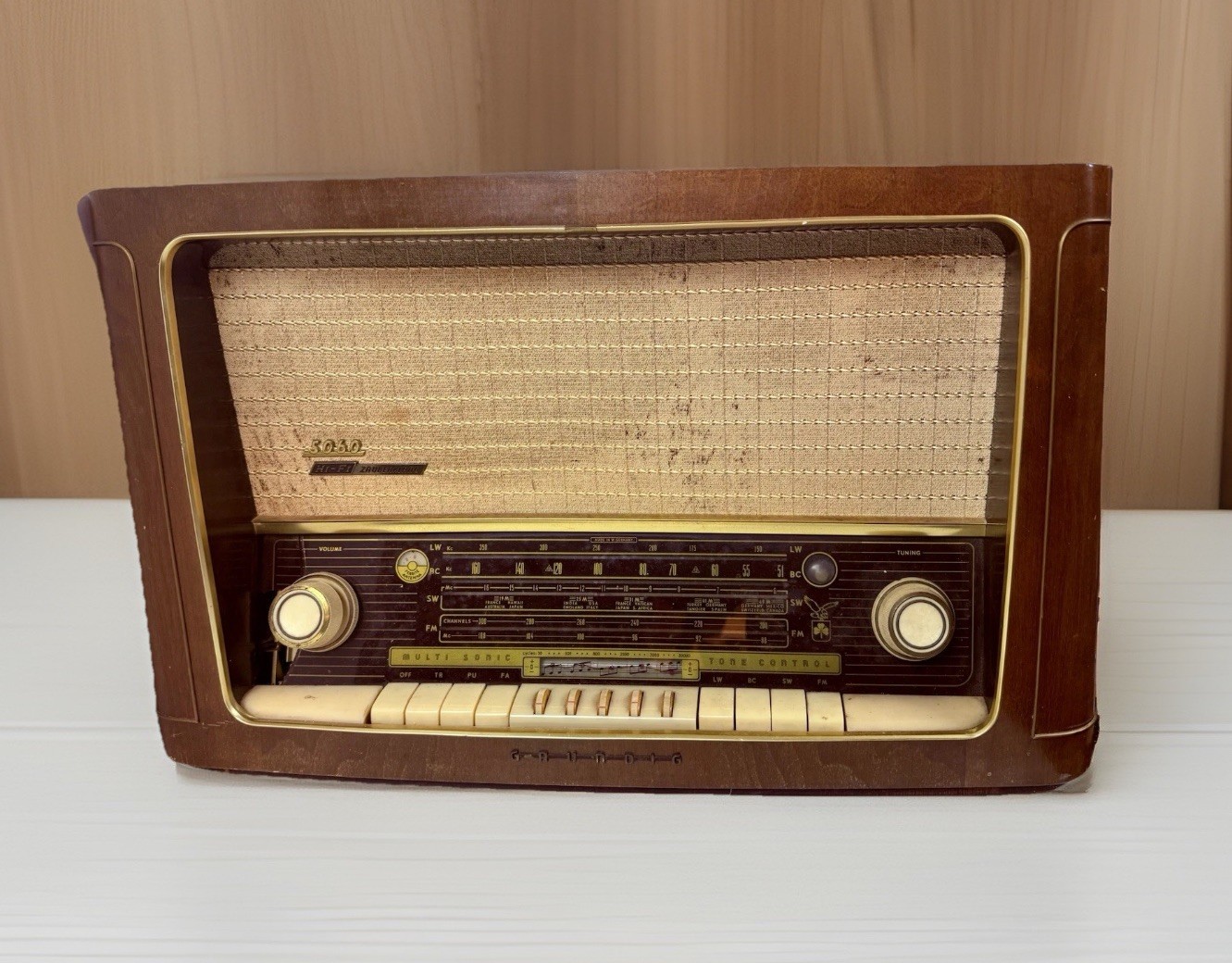
Launched in the late 1950s and continuing into the early 1960s, the MAJESTIC-SERIES was not merely a collection of radios; it was a statement. These were high-end, furniture-grade console units designed for affluent households who valued both superior sound and elegant design. Positioned at the top of Grundig’s product hierarchy, the MAJESTIC models combined sophisticated AM/FM/SW (shortwave) reception, rich tube amplification, and handcrafted wooden cabinets—often made from walnut, rosewood, or teak—making them as much a piece of living room decor as they were audio equipment.
Historical Context: German Engineering Meets Mid-Century Elegance
The 1950s and early 1960s marked a period of rapid technological advancement and economic recovery in West Germany. As consumer electronics became more accessible, Grundig emerged as a leader in radio and television manufacturing. The MAJESTIC-SERIES was developed during this boom, targeting audiophiles and design-conscious consumers who wanted the best in both performance and aesthetics.
These consoles were often sold through high-end department stores and specialty audio shops across Europe and even found niche markets in North America. Unlike mass-market table radios, the MAJESTIC units were built to last—using high-quality components, point-to-point wiring (in earlier models), and robust transformers. Many were designed to be heirloom pieces, and indeed, a significant number have survived to this day in working or restorable condition.
Technical Specifications
While exact specifications vary between individual models within the MAJESTIC-SERIES (such as the Majestic 700, Majestic 900, or Majestic 1000), the following table represents typical features found across the line:
| Feature | Specification |
| Year of Production | 1958–1963 |
| Type | Tube-powered console radio with amplifier and speaker(s) |
| Tubes Used | 6x to 8x valves (e.g., ECC83, EL84, EZ80, ECH81) |
| Frequency Coverage | AM (LW/MW), FM, SW (multiple bands) |
| Output Power | 8–15W (RMS), depending on model |
| Speaker Configuration | 1–3 speakers (woofer, midrange, tweeter) |
| Impedance | 4–8Ω (integrated speaker system) |
| Inputs | Internal tuner only (no external inputs) |
| Power Supply | 220–240V AC (European standard) |
| Cabinet Material | Solid hardwood (walnut, teak, rosewood) |
| Dimensions (approx.) | 60–80 cm (H) × 50–60 cm (W) × 30–40 cm (D) |
| Weight | 20–30 kg (45–65 lbs) |
These consoles typically featured push-pull output stages using EL84 or similar power tubes, delivering warm, dynamic sound with low distortion. The multi-band tuners were highly sensitive, capable of pulling in distant European and even transatlantic shortwave broadcasts—a prized feature in the pre-internet era of global radio listening.
Sound Characteristics and Performance
The sonic signature of the Grundig MAJESTIC-SERIES is quintessential tube audio: warm, smooth, and richly textured. The use of high-quality output transformers and large paper-cone speakers contributes to a natural midrange and surprisingly full bass response for a console radio. FM reception is particularly impressive, with excellent stereo separation (on stereo-capable models) and low noise.
While not designed as high-fidelity separates in the modern sense, these units were engineered to deliver exceptional audio for their time. The integration of the speaker system with the cabinet acoustics was carefully considered, often resulting in a spacious, room-filling sound. The AM and shortwave bands are remarkably clear, thanks to advanced IF filtering and high-gain RF stages.
Many vintage audio enthusiasts today praise the MAJESTIC-SERIES for its organic, musical presentation—ideal for jazz, classical, and vocal performances. When properly restored, these consoles can rival the sound of early hi-fi amplifiers from brands like Marantz or Dynaco.
Notable Features and Innovations
What set the MAJESTIC-SERIES apart from other radios of the era was its combination of luxury, functionality, and technical sophistication:
- Precision Tuning Dial: Large, illuminated analog dials with fine-tuning controls for accurate station selection.
- Shortwave Capability: Multiple shortwave bands allowed users to tune into international broadcasts from the BBC, Voice of America, and other global services.
- Handcrafted Cabinets: Built by skilled cabinetmakers using real wood veneers and polished finishes.
- Modular Design: Some later models featured modular tube chassis, easing servicing and maintenance.
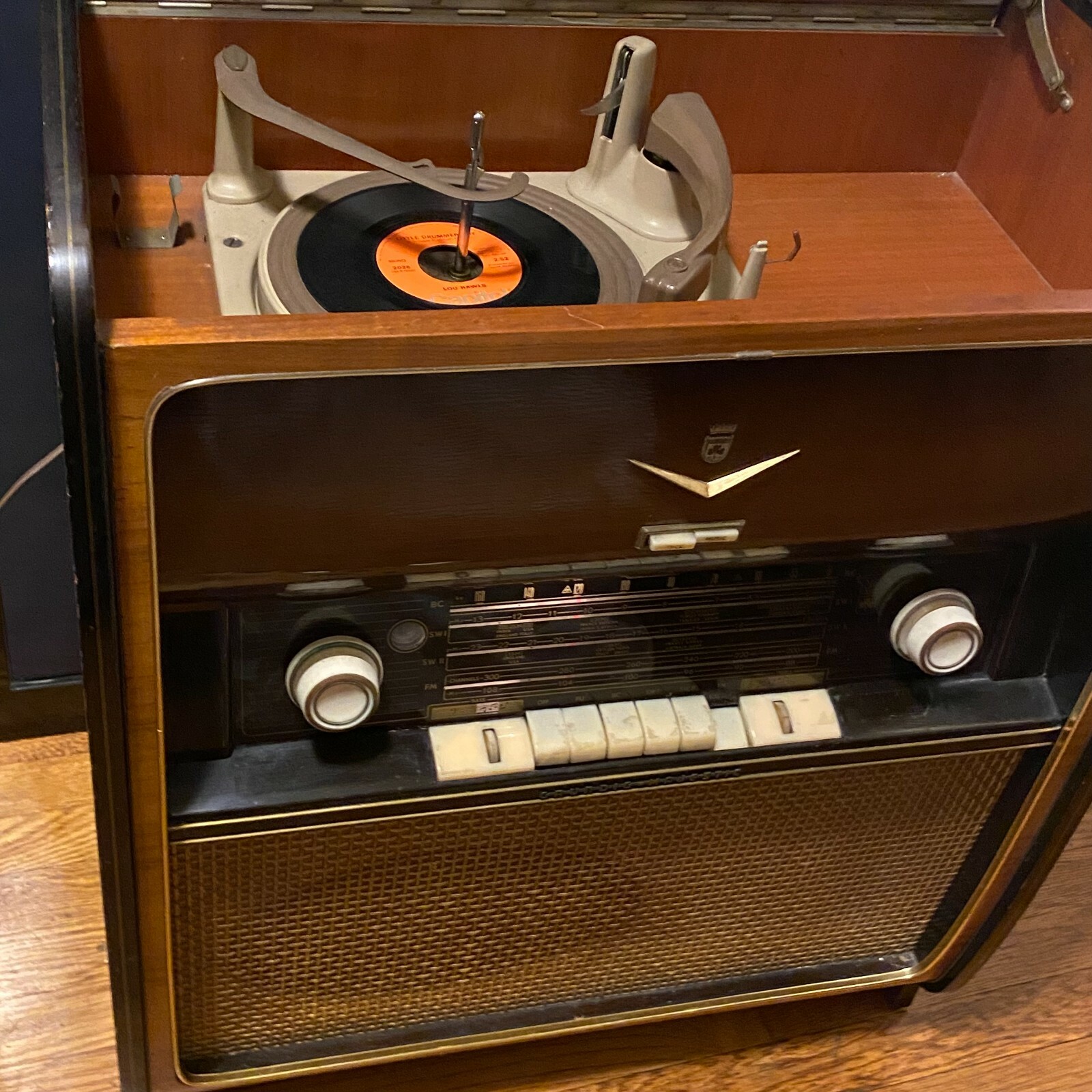
- Built-in Record Player (on select models): A few MAJESTIC variants included a 78/45/33 RPM turntable, making them true all-in-one entertainment centers.
Additionally, Grundig’s attention to electrical safety and grounding was ahead of its time, especially important given the use of "hot chassis" designs common in European tube gear.
Common Issues and Maintenance
As with any vintage tube equipment, the MAJESTIC-SERIES requires careful attention before being powered on after years of dormancy. Common issues include:
- Dried-out electrolytic capacitors: These should be replaced before powering the unit to avoid damage to transformers or tubes.
- Resistor drift: Carbon composition resistors may have changed value over time, affecting bias and performance.
- Tube degradation: While many original tubes can still function, weak or noisy tubes should be tested and replaced with NOS (New Old Stock) equivalents.
- Dust and corrosion: Internal cleaning and contact treatment (e.g., on tuning capacitors and potentiometers) are essential.
- Speaker foam disintegration: Though some models used cloth surrounds, others may have degraded foam—reconing may be necessary.
Due to the use of AC/DC "hot chassis" designs in some models, it is strongly recommended to use an isolation transformer when servicing or operating these units to prevent electric shock.
Current Market Value and Collectibility
The Grundig MAJESTIC-SERIES has seen a steady rise in collectibility over the past decade, particularly among European vintage audio enthusiasts and mid-century modern furniture collectors. Well-preserved or fully restored units can command €800 to €2,500, depending on model, condition, and rarity.
Models with rare wood finishes (such as Brazilian rosewood), shortwave capabilities, or integrated record players tend to fetch the highest prices. Units in original condition with all tubes and documentation are especially prized.
While not as widely known in North America as brands like Zenith or Philco, the MAJESTIC-SERIES is gaining recognition for its superior engineering and understated elegance. Online communities, restoration forums, and vintage radio shows have helped boost its profile.
Conclusion: A Legacy of German Craftsmanship
The Grundig MAJESTIC-SERIES stands as a testament to a time when radios were not just appliances, but centerpieces of the home. Combining advanced electronics with exquisite woodworking and meticulous design, these consoles represent the pinnacle of European audio craftsmanship in the late 1950s and early 1960s.
Today, they are more than nostalgic relics—they are functional works of art that continue to deliver beautiful sound and timeless style. For collectors, restorers, and lovers of vintage audio, the MAJESTIC-SERIES is a worthy addition to any collection, embodying the elegance and engineering excellence that made Grundig a household name across Europe.
If you’re fortunate enough to find one in good condition, consider it not just a radio—but a piece of audio history.
eBay Listings


As an eBay Partner, we earn from qualifying purchases. This helps support our independent vintage technology research.
Related Models
- Grundig AUDIORAMA-SERIES (1958)
- Grundig BOX-SERIES (1965)
- Grundig BOY-Series (1956)
- Grundig OTHER-RADIOS (1955)
- Grundig SATELLIT-SERIES (1965)
- Akai AM-2850 (1975)
- Akai AP-206 (1975)
- Nakamichi BX-1 (1985)
- Acoustic Research research-ar-17 (1978)
- Acoustic Research AR-19 (1994)