Garrard SP Turntable
Despite its classification under amplifiers, the Garrard SP is not an amplifier but a classic turntable model produced during the later years of the renowned British manufacturer's peak era. Manufactured from the 1950s through the 1970s, the SP series was part of a broader family of high-quality record players that became staples in home audio systems across Europe and North America.
While the SP model lacks amplification circuitry, it was often paired with tube amplifiers in console stereo units, which may explain its occasional misclassification. As a mechanical playback device, the SP delivers analog warmth and vintage character prized by collectors and enthusiasts today.
Specifications
| Feature | Specification |
| Brand | Garrard |
| Model | SP |
| Category | Turntable (misclassified as amplifier) |
| Production Years | 1950s–1970s |
| Drive System | Idler-wheel drive |
| Motor Type | Garrard Synchro-Lab hysteresis synchronous motor |
| Speeds | 33⅓, 45, and 78 RPM (model dependent) |
| Tonearm Configuration | Built-in or separate (varies by version) |
| Automatic Operation | Yes (single-play or record changer variants) |
| Platter | Die-cast aluminum with rubber mat |
| Bearings | Grease-packed for durability |
| Output Level | Line-level (phono cartridge dependent) |
| Dimensions | Approx. 45 x 38 x 15 cm (varies by chassis) |
| Weight | 8–12 kg (depending on configuration) |
> Note: The Garrard SP does not have power output, impedance, or sensitivity specifications typical of amplifiers, as it is a turntable.
Historical Context
Garrard Engineering Company, founded in the late 19th century, rose to prominence in the mid-20th century as one of the leading turntable manufacturers worldwide. The SP series, while less famous than the legendary Garrard 301 or 401, served as a reliable and accessible option for consumers seeking automatic operation and solid build quality.
These turntables were frequently integrated into console stereo cabinets sold by major electronics brands, making them one of the most widely distributed turntable lines of their time. The idler-wheel drive system allowed for quick start-up and consistent speed, helping to popularize automatic record changing in domestic settings.
The SP models came in both manual-start and fully automatic versions, with some supporting stacked record playback via a spindle capable of holding multiple records. This convenience, combined with their robust mechanical construction, made them favorites among casual listeners and serious audiophiles alike during the vinyl era.
Sound Signature
The Garrard SP delivers a warm, rich, and musical sound profile characteristic of well-maintained vintage turntables. Due to the idler-wheel drive mechanism, there is often a subtle mechanical hum or low noise floor—more noticeable in older, unrefurbished units. However, when properly serviced, the SP offers excellent tracking and tonal balance, especially when paired with a quality magnetic cartridge.
Its sound is often described as:
- Musical and engaging
- Slightly colored with midrange emphasis
- Smooth high frequencies and full-bodied bass
This "vintage" character appeals to listeners who appreciate analog warmth over clinical accuracy.
Common Issues and Maintenance Tips
Like all mechanical audio equipment from this era, the Garrard SP requires regular maintenance to perform optimally. Many units found today have sat unused for decades and will likely need servicing before use.
Common Issues:
- Hardened or degraded idler wheel: Causes speed instability, rumble, or failure to spin
- Dried grease in motor and gear train: Leads to increased noise and wear
- Worn or stiff tonearm mechanism: Results in poor return or drop functionality
- Bearing sludge: Reduces platter rotation smoothness
- Cartridge incompatibility: Older tonearms may not support modern cartridges without modification
Maintenance Recommendations:
1. Complete Re-lubrication: Use high-quality synthetic grease on motor gears, idler hub, and platter bearing.
2. Idler Wheel Replacement: Replace hardened rubber wheels with modern reproductions (available from specialty vendors).
3. Clean Platter and Spindle: Remove old oil residue and ensure free rotation.
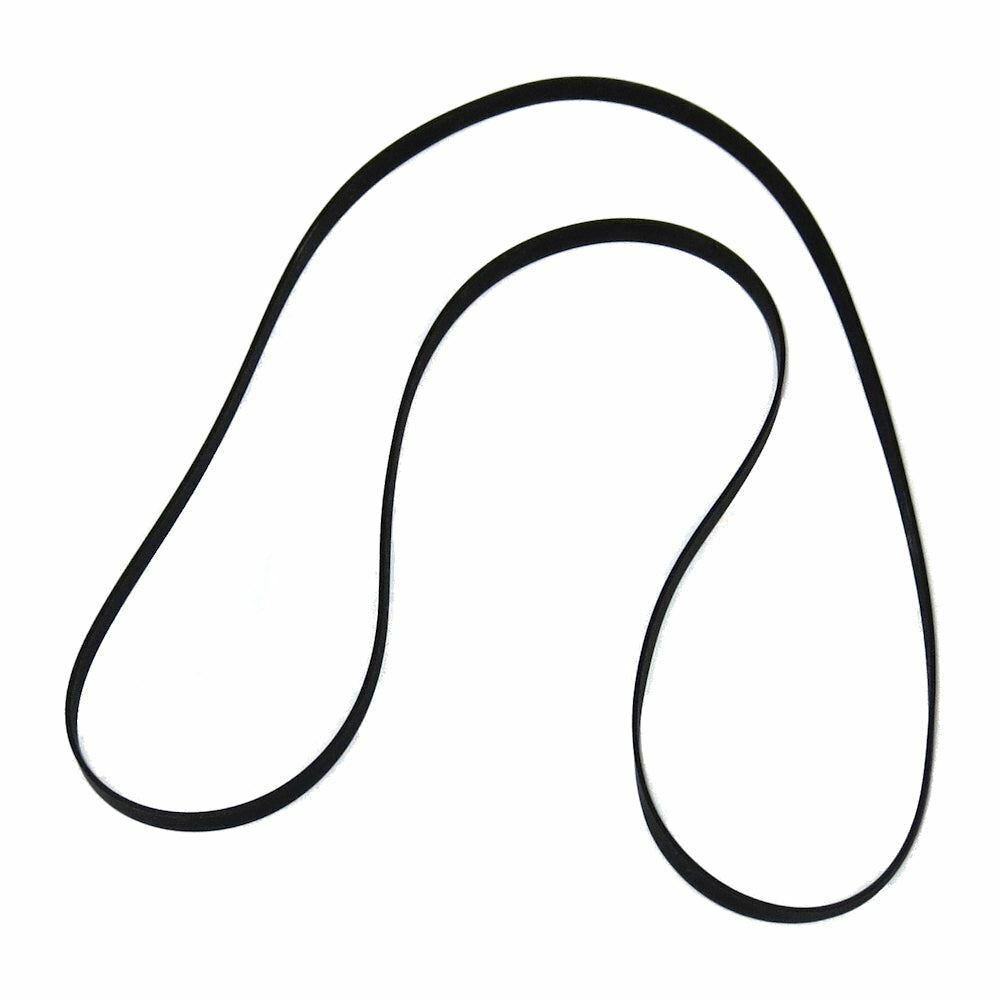
4. Check Belt Condition: While not belt-driven, some variants use rubber dampers—inspect for cracking.
5. Tonearm Service: Clean and lubricate cueing mechanism; check for smooth movement and proper anti-skate function.
6. Upgrade Cartridge: Install a compatible MM cartridge (e.g., Audio-Technica AT9173L or vintage Shure) for improved performance.
7. Leveling and Setup: Ensure the turntable is level and placed on a stable surface to minimize vibration.
> ⚠️ Warning: Never power on the turntable if the idler wheel is seized or the platter does not spin freely—this can damage the motor.
Collectibility and Market Value
The Garrard SP is considered a moderately collectible vintage turntable, earning a 7/10 on the collectibility scale. While not as sought-after as the 301 or 401 models, it remains popular due to its historical significance, mechanical ingenuity, and integration into classic stereo consoles.
Current Market Value (2024):
| Condition | Price Range |
| Unrestored, non-working | $50–$100 |
| Fully serviced, working | $150–$250 |
| Rare variant or complete console | Up to $300 |
Restored units with upgraded cartridges and low noise output command higher prices, especially in Europe where Garrard heritage is most celebrated.
Final Thoughts
The Garrard SP stands as a testament to mid-century British engineering and the golden age of analog audio. Though often miscategorized as an amplifier, it is in fact a mechanical masterpiece of its time—a reliable, feature-rich turntable that brought automatic record playing into homes around the world.
For vintage audio enthusiasts, restorers, or console stereo collectors, the SP offers an accessible entry point into the Garrard legacy. With proper care and restoration, it continues to deliver the warm, engaging sound that defined a generation of music lovers.
eBay Listings


As an eBay Partner, we earn from qualifying purchases. This helps support our independent vintage technology research.
Related Models
- Garrard 2025tc (1968)
- Garrard RC80
- Garrard 301 (1953)
- Garrard 4
- Garrard 401 (1965)
- Luxman PD-272 (1983)
- Onkyo CP-1010 (1976)
- Pioneer PL-15R (1975)
- Pioneer PL-250 (1979)
- Pioneer PL-40 (1977)