Fisher RS-1056 Preamp (1978)
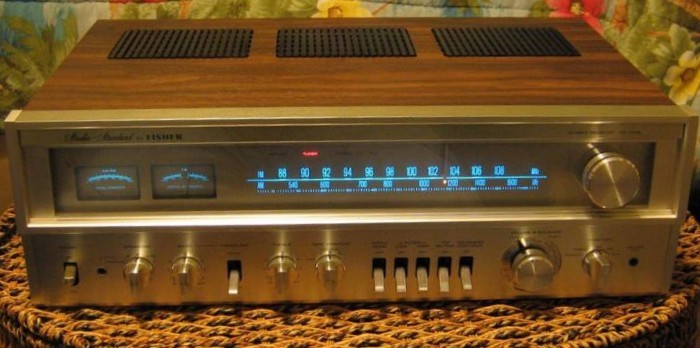
The Fisher RS-1056 is a solid-state preamplifier introduced in 1978 as part of Fisher’s mid-range audio lineup during a pivotal era in consumer hi-fi. Known for its elegant walnut veneer cabinet and thoughtful feature set, the RS-1056 exemplifies the transition from tube-based to solid-state design that defined late-1970s audio engineering. While technically a receiver in function, its modular preamp section and dedicated preamp outputs make it a favorite among vintage audio enthusiasts interested in integrating classic control stages into modern systems.
Specifications
| Feature | Specification |
| Model | RS-1056 |
| Brand | Fisher |
| Year of Release | 1978 |
| Production Period | 1978–1980 |
| Category | Preamp / Receiver |
| Design Type | Solid-state |
| Power Output | 60 watts per channel into 8 ohms (stereo) |
| Impedance | 8 ohms |
| Frequency Response | Not specified |
| Sensitivity | Unknown |
| Inputs | Phono (MM), Tape, Auxiliary |
| Outputs | Preamp outputs, Tape monitor |
| Key Features | Dual power meters, loudness contour, high/low filters, tape monitor loop, main amp input |
| Cabinet Finish | Walnut veneer |
| Dimensions | 17" W × 5.5" H × 14" D |
| Weight | 22 lbs (approx) |
Historical Context
The Fisher RS-1056 was released at a time when Fisher, once renowned for its high-fidelity tube amplifiers, was adapting to the solid-state revolution. By the late 1970s, consumer demand for more reliable, cooler-running, and higher-powered amplification pushed manufacturers toward transistorized designs. The RS-1056 reflects this shift—offering the sonic refinement and build quality associated with Fisher’s legacy while embracing modern electronics.
As part of Fisher’s mid-tier receiver series, the RS-1056 struck a balance between performance and affordability. It featured dual analog power meters, a hallmark of Fisher’s design language, providing visual feedback of output levels—a feature often associated with higher-end models. The inclusion of tone controls, loudness compensation, and filter switches catered to the average listener’s preferences of the era, while the preamp/main amp loop allowed for system expansion.
Fisher’s house sound during this period emphasized warmth and musicality, particularly in the midrange, making their equipment stand out from the more clinical sound of some Japanese competitors. The RS-1056 delivers on this tradition, offering a smooth and engaging listening experience well-suited to vinyl and analog sources.
Sound Signature
The RS-1056 presents a warm, full-bodied sound with a pronounced midrange presence—ideal for vocals, jazz, and acoustic recordings. Bass response is controlled and articulate, though not overly aggressive, while highs remain smooth without harshness. The loudness contour and tone controls allow for room and speaker compensation, making it adaptable to a variety of listening environments. Its solid-state design avoids the microphonics and maintenance of tubes while retaining a pleasing analog character.
Maintenance and Restoration Tips
Like all vintage electronics from the late 1970s, the Fisher RS-1056 benefits from careful inspection and maintenance:
- Capacitor Replacement: Electrolytic capacitors degrade over time. Replacing them (especially in the power supply) prevents hum, distortion, or potential damage to other components.
- Cleaning Controls: Use high-quality contact cleaner (e.g., DeoxIT) on volume, tone, and input selector pots to eliminate crackling or channel dropouts.
- Power Meters: The dual analog meters may suffer from dimming lamps or sticking needles. Check and replace the small incandescent bulbs if needed; ensure meter movement is free.
- Tape Monitor Switch: Verify that the tape monitor function routes signals correctly and that switches are clean and reliable.
- Bias and Alignment: While solid-state, output stage bias should be checked if replacing output transistors or experiencing distortion.
- Ventilation: Ensure proper airflow around the unit to prevent heat buildup, especially during extended use.
Collectibility and Market Value
The Fisher RS-1056 holds moderate collectibility with a rating of 5/10. It is not as sought-after as Fisher’s earlier tube models or flagship solid-state units, but it remains a well-regarded piece among vintage audio hobbyists. Its walnut cabinet, classic styling, and functional versatility contribute to its appeal.
In terms of market value, the RS-1056 typically sells between $100 and $250, depending on condition, functionality, and cosmetic integrity. Fully restored units with clean meters and replaced capacitors command higher prices, especially when paired with other Fisher components.
Conclusion
The Fisher RS-1056 is a representative example of late-1970s American hi-fi design—blending solid engineering, attractive aesthetics, and a musical sound signature. While not a rare collector’s item, it offers excellent value for those seeking vintage warmth and functionality. With proper maintenance, the RS-1056 continues to deliver enjoyable performance, serving as both a nostalgic centerpiece and a capable preamp in modern analog setups.
eBay Listings


As an eBay Partner, we earn from qualifying purchases. This helps support our independent vintage technology research.
Related Models
- Fisher 400-cx
- Fisher 220-t
- Fisher 250-t
- Fisher 440a
- Fisher 450-t
- Luxman L-530 (1975)
- Luxman R-404 (1975)
- Luxman RV-371 (1975)
- Luxman SQ-38U (1975)
- Luxman T-14 (1972)