Fender Bassman
Designed to move bass notes, it ended up moving the entire sound of the electric guitar.
Overview
Here is the thing collectors have to understand before they buy anything with "Bassman" on the front panel: this is not one amplifier. The name covers a whole run of distinct circuits and eras — the tweed 5F6-A, the earlier 5D6 and 5E6, the blackface and silverface generations, and the later Bassman 50, Bassman 100, and Bassman 135. They share a badge and a family tree, not a spec sheet. Merging them is the single most common mistake made about this amp, and it's the reason two people can argue for an hour about what a "Bassman" sounds like and both be right.
The model that made the name matter is the 5F6-A, the classic tweed circuit that the "Bassman '59" reissue is built to reproduce. It runs a pair of 5881 power tubes, three 12AX7 preamp tubes, a single 12AY7, and a 5AR4 rectifier — sources sometimes call that rectifier a GZ34, which is the same tube under its other designation. Output is rated at 45 watts, though at least one source puts it at 40; the honest answer is that these amps were never built to a laboratory tolerance, and the 45-watt figure is the one repeated most often.
The speaker load is where the 5F6-A gets interesting. Four 10-inch Jensen speakers, wired to present a 2-ohm load — a genuinely unusual impedance that shapes how the amp behaves and how you have to match it to a cabinet. There are two channels, Normal and Bright, each with its own Volume, Treble, Bass, and Presence controls, and four inputs split two per channel. That layout is the whole reason the Bassman became a guitar amp: you can jump the channels, blend them, and find a dozen usable voices in a circuit that was never designed with the guitar in mind.
Fender introduced the Bassman as a bass amplifier for the Precision Bass, and plenty of sources describe it as one of the most recorded amplifiers in history — treat that as the affectionate marketing claim it is, but there's a reason people keep saying it.
Key Features
Two Channels, Four Inputs, and the Art of Jumping
The Normal and Bright channels each carry Volume, Treble, Bass, and Presence, and each gets two inputs. On paper that's a modest control set. In practice the four-input layout is the point — players routinely bridge the channels to run both preamps at once, which is where the Bassman's reputation for rich, complex breakup comes from. The Bright channel does what its name promises; the Normal channel gives you the body. Neither is a "clean" channel in the modern sense. Period studio practice for miking open-back Fender cabinets of this type, as described in EQ-Magazine (January 1996, p.90), favored close dynamic mics such as the Shure SM57 or Sennheiser 409, with the option of a rear mic to capture the cabinet's open-back coupling.
Four 10-Inch Jensens at 2 Ohms
The 4×10 speaker complement is central to the 5F6-A's character, and the 2-ohm impedance is the detail that trips up new owners shopping for extension cabinets. Original Jensen speakers are scarce now, and many surviving examples have been reconed or replaced outright, which changes the sound more than most sellers admit. Buyers chasing the "real" tweed voice need to confirm what's actually bolted to the baffle.
5881 Power Tubes and a Tube Rectifier
Two 5881s, a 5AR4 rectifier, and a preamp line built around 12AX7s and a 12AY7 — an all-tube signal path end to end. The rectifier tube contributes the sag and compression that give the amp its feel, and it's also a wear item. The 12AY7 in the front end is part of why these amps stay articulate rather than turning to mush when pushed.
Lacquered Tweed on a Pine Cabinet
The 5F6-A wears tweed covering over a pine cabinet, with the lacquered finish associated with the tweed-era amps. That construction is a big part of the resonance people describe, and it's also why so many surviving cabinets show decades of wear. The tweed era is the visual and tonal touchstone the whole Bassman legend hangs on.
The Passive Tone Stack and Presence Circuit
Sources describe a passive tone stack, and at least one attributes the Presence control to a negative-feedback-based design — worth flagging as thin corroboration rather than gospel. What's not in dispute is the interactive nature of the controls: the tone stack doesn't behave like a modern amp's EQ, and small moves go a long way.
Historical Context
The Bassman was born a bass amp, built for the Precision Bass, and it only became a guitar institution after guitarists got hold of it. It sits among Fender's tweed-era amplifiers, alongside the Twin and Deluxe in the broader Fender line. The later Bassman 50 (50 watts, two 6L6s), Bassman 100 (100 watts, four 6L6s), and Bassman 135 (135 watts, four 6L6s, thinly sourced) carried the name into bigger, louder territory — though sources disagree on speaker configurations for the 50 and 100, so those numbers should be treated cautiously.
The most consequential historical footnote: the Marshall JTM45 is described in multiple sources as derived from or inspired by the Bassman 5F6-A circuit. That's an explicit claim in the sources, not an inference — the tweed Bassman's DNA crossed the Atlantic and helped seed an entire rival amplifier tradition. The "Bassman '59" reissue exists precisely because the 5F6-A circuit became the reference point.
Collectibility & Value
The market data here is genuinely thin — no dated prices turned up in the research, so anyone quoting a firm value is working from something other than documentation. What is documented: capacitors drift with age, so a recap of the electrolytics is standard maintenance, and bias should be checked on any tube amp of this vintage. Original Jensen speakers are scarce, and many units have been reconed or replaced, which affects both sound and value. Owners consistently praise the 5F6-A's touch-sensitive breakup and warm tone, and just as consistently complain about the weight of the 4×10 combo. Forum opinion holds that reissues are "not identical" to vintage units — fair as an opinion, and worth weighing against the cost of an original.
eBay Listings
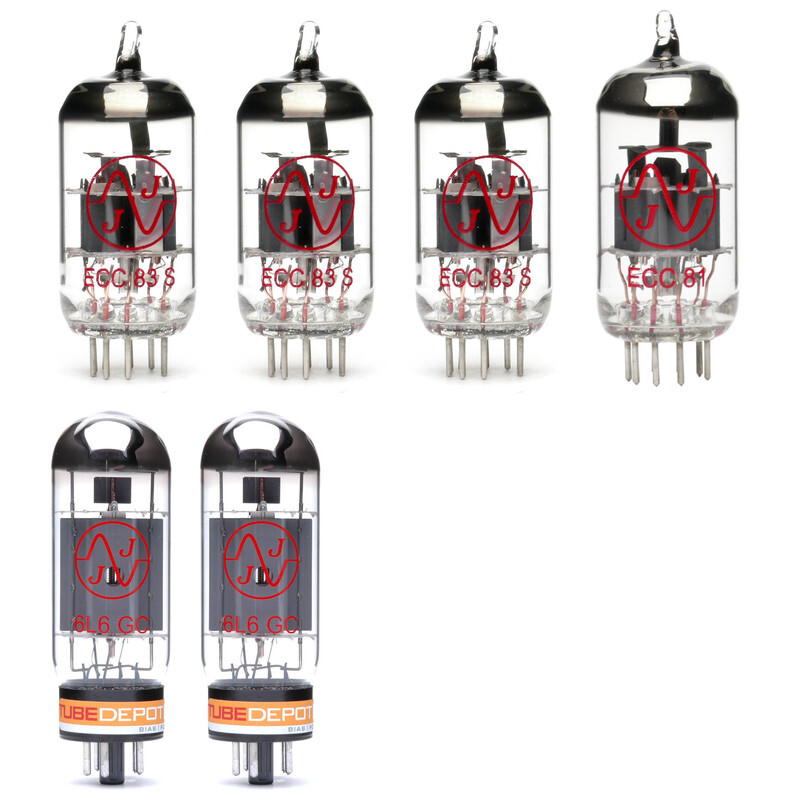
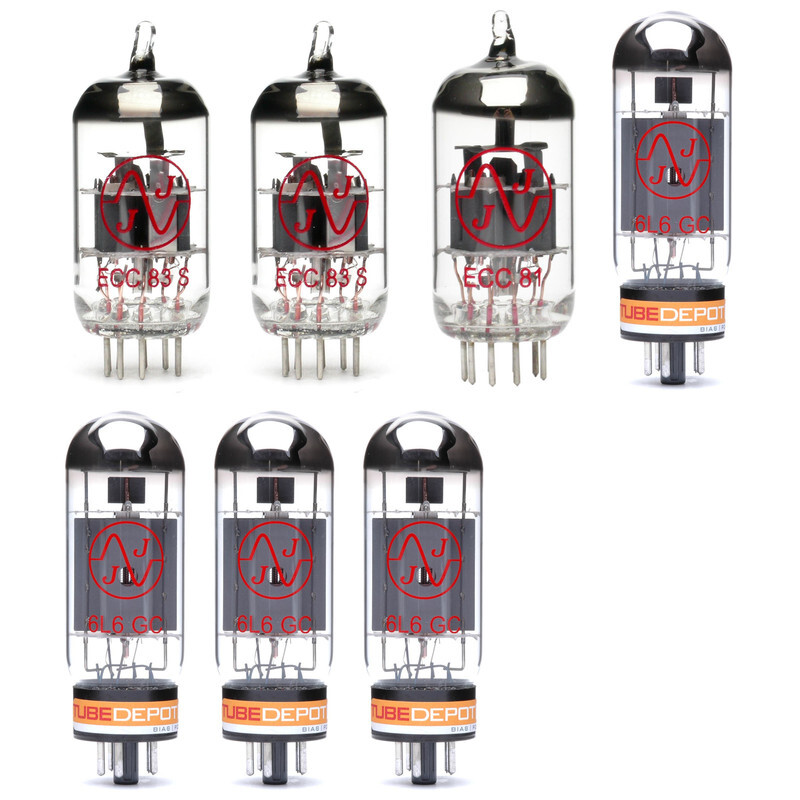


As an eBay Partner, we earn from qualifying purchases. This helps support our independent vintage technology research.