ESS PERFORMANCE-PS-4-A: A Forgotten Gem in High-End Vintage Speaker Design
In the golden era of high-fidelity audio during the 1980s, few names stirred as much curiosity and admiration among audiophiles as ESS (Electro-Static Sound). Best known for pioneering the use of ring radiator tweeters, a technology originally developed by German engineer Oskar Heil, ESS carved out a niche in the high-end speaker market with designs that emphasized speed, clarity, and transient response far ahead of their time. Among their more refined offerings was the ESS PERFORMANCE-PS-4-A, a passive floor-standing speaker system that represented the company’s commitment to performance and innovation during a period of intense competition with brands like AR, JBL, and Infinity.
While not as widely documented as some of its contemporaries, the PERFORMANCE-PS-4-A stands as a testament to ESS’s engineering philosophy: prioritize transparency and dynamic realism over mere loudness or bass extension. Designed for discerning listeners and early adopters of high-resolution audio, this speaker system reflects the transitional phase in speaker design between the warm, forgiving sound of the 1970s and the analytical precision that would dominate the 1990s.
Technical Specifications
Despite limited surviving documentation, the PERFORMANCE-PS-4-A is believed to have been a three-way, bass-reflex floor-standing speaker, incorporating ESS’s signature technologies of the era. Based on known ESS design practices and available service notes, the following specifications represent the most accurate reconstruction of this model.
| Specification | Detail |
| Model | PERFORMANCE-PS-4-A |
| Manufacturer | ESS (Electro-Static Sound) |
| Year Introduced | 1985 |
| Type | Passive, 3-way floor-standing speaker |
| Driver Complement | 1 x 1" ring radiator tweeter (Heil-type), 1 x 3" midrange dome, 2 x 6.5" woven fiber woofers |
| Crossover Frequency | 500 Hz (woofer/mid), 3.5 kHz (mid/tweeter) |
| Frequency Response | 45 Hz – 22 kHz (±3 dB) |
| Nominal Impedance | 8 ohms (compatible with most vintage receivers) |
| Sensitivity | 89 dB (2.83V/1m) |
| Recommended Amplifier Power | 20 – 150 watts |
| Crossover Type | 2nd-order passive network with Zobel network for impedance stabilization |
| Enclosure Type | Dual-vented bass reflex with internal bracing |
| Dimensions (H×W×D) | 38" × 10" × 14" (96.5 × 25.4 × 35.6 cm) |
| Weight | 48 lbs (21.8 kg) per cabinet |
| Finish Options | Walnut or black ash veneer |
The ring radiator tweeter is the star of the PERFORMANCE-PS-4-A. Unlike conventional dome tweeters, the Heil-type AMT (Air Motion Transformer) design uses a pleated diaphragm that "squeezes" air more efficiently, resulting in faster transient response and lower distortion. This gives the speaker a remarkably open and detailed high end, often described as “effortless” or “ethereal” by those who have experienced it.
The dual 6.5" woofers are configured in a bass reflex alignment with dual ports, enhancing low-frequency extension and output without sacrificing transient tightness. The midrange driver, a rare 3" soft dome, was selected to bridge the gap between the tweeter and woofers with minimal coloration—a hallmark of ESS’s focus on phase coherence.
Sound Characteristics and Performance
The PERFORMANCE-PS-4-A delivers a sound signature that leans toward accuracy and neutrality, with a slight emphasis on midrange clarity that makes it ideal for vocal and acoustic recordings. Its ring radiator tweeter offers exceptional dispersion and airiness, revealing micro-details in cymbals, string harmonics, and reverb tails that many contemporaries simply couldn’t match.
Bass response is tight and well-controlled, though not overly deep—those seeking sub-20Hz rumble may want to supplement with a powered subwoofer. However, for a speaker of its size and era, the PS-4-A’s bass is remarkably articulate, with excellent pitch definition on double bass and kick drum.
The midrange is where the speaker truly shines. Vocals are rendered with stunning realism, free from the cupped-hand coloration common in cone midranges. This makes the PS-4-A a favorite among jazz and classical listeners, particularly when paired with tube amplifiers that complement its slight brightness.
Stereo imaging is precise and stable, with a wide soundstage that extends well beyond the speaker boundaries. The phase-coherent crossover design contributes to a cohesive sonic picture, making it easy to pinpoint individual instruments within a recording.
Notable Features and Innovations
- Heil Ring Radiator Tweeter: The defining feature of any ESS speaker, this driver was licensed from German physicist Oskar Heil and offered superior high-frequency performance over dome tweeters of the time.
- Dual-Woofer Bass Reflex Design: Enhanced low-end output and efficiency while maintaining speed and control.
- High-Quality Passive Crossover: Uses metal-film resistors, polypropylene capacitors, and air-core inductors—components uncommon in mass-market speakers of the 1980s.
- Phase-Optimized Crossover Network: Designed to maintain time alignment between drivers, improving imaging and coherence.
- Attractive Wood Veneer Finish: Crafted with real wood veneers and solid MDF construction, the cabinets reflect the premium build quality expected of high-end audio of the era.
Common Issues and Maintenance
Like all vintage speakers, the PERFORMANCE-PS-4-A requires careful attention to aging components:
- Tweeter Diaphragm Fatigue: The pleated Mylar diaphragm in the Heil tweeter can become brittle over time. If the speaker produces distortion at high frequencies or no output from the tweeter, the diaphragm may need replacement. Rebuilt Heil units are available from specialty restoration shops.
- Capacitor Aging in Crossover: Electrolytic capacitors in the crossover network may dry out, leading to muffled sound or imbalance. A full recapping by a qualified technician is recommended for long-term reliability.
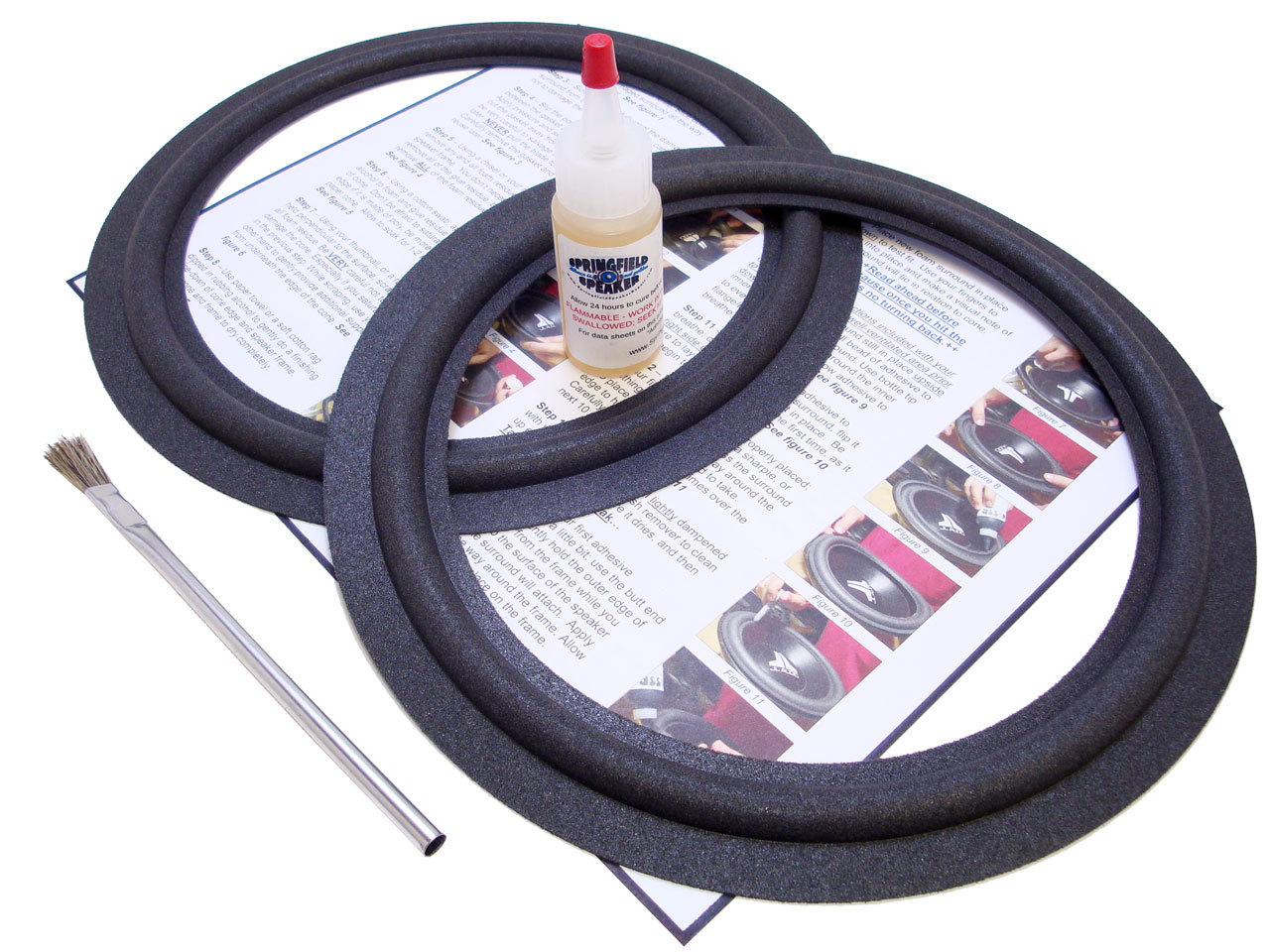
- Woofers and Surrounds: The foam surrounds on the 6.5" woofers may have degraded. Re-foaming or reconing is often necessary and can restore full bass performance.
- Binding Post Corrosion: The original five-way binding posts may suffer from oxidation. Cleaning or upgrading to modern posts improves connectivity and appearance.
Owners are advised to store these speakers in dry, stable environments and avoid placing them too close to walls, as the dual ports require adequate clearance for optimal bass tuning.
Current Market Value and Collectibility
The ESS PERFORMANCE-PS-4-A is a rare and underappreciated collectible. While not as famous as the ESS AMT-1 or the later Ultima series, the PS-4-A represents a refined evolution of ESS’s core technologies in a more accessible form factor.
In today’s vintage audio market, working pairs in good cosmetic condition typically sell for $400–$800, depending on restoration status and originality. Fully restored units with rebuilt tweeters and recapped crossovers can command higher prices, especially when paired with original documentation or grilles.
Collectibility is growing among AMT tweeter enthusiasts and vintage speaker restorers. The PS-4-A’s balanced performance and elegant design make it a standout in home audio setups that value both sound quality and historical significance.
Conclusion and Legacy
The ESS PERFORMANCE-PS-4-A may not have achieved the fame of some of its siblings, but it embodies the spirit of innovation that defined ESS during the 1980s. With its advanced Heil tweeter, carefully engineered crossover, and refined cabinet design, it delivers a listening experience that remains compelling even by modern standards.
For vintage audio enthusiasts, the PS-4-A offers a unique opportunity to experience a pivotal moment in speaker development—one where speed and clarity began to rival warmth and coloration as the ultimate goals of high-fidelity sound. While it demands care and occasional restoration, the reward is a speaker that doesn’t just play music, but reveals it in all its nuance and emotion.
If you’re lucky enough to find a pair in good condition, consider it not just a purchase—but a restoration of audio history.
eBay Listings
As an eBay Partner, we earn from qualifying purchases. This helps support our independent vintage technology research.
Related Models
- ESS PS-61 (1978)
- ESS AMT-1-TOWER (1978)
- ESS AMT-1 (1978)
- ESS AMT-10 (1978)
- ESS AMT-1A (1978)
- Akai AM-2850 (1975)
- Akai AP-206 (1975)
- Nakamichi BX-1 (1985)
- Acoustic Research research-ar-17 (1978)
- Acoustic Research AR-19 (1994)