ESS AMT-1: The Pioneer of Quasi-Ribbon Electrostatic Technology
In the late 1970s, the high-fidelity audio world was undergoing a transformation. Audiophiles and engineers alike were pushing the boundaries of speaker design, seeking greater clarity, speed, and transparency in sound reproduction. Among the most innovative developments of this era was the ESS AMT-1, a groundbreaking electrostatic tweeter module introduced by Electro-Static Solutions (ESS), a company founded by the visionary engineer Dr. Alan E. Hill. Though not a complete speaker system, the AMT-1 was a revolutionary component that would influence the course of high-end loudspeaker design for decades.
Released in 1978, the ESS AMT-1 was not your typical tweeter. It was a quasi-ribbon, folded electrostatic transducer—a hybrid design that combined the speed and low distortion of electrostatic principles with a mechanically robust folded diaphragm. This innovation allowed it to outperform conventional dome tweeters of the time in terms of transient response, dispersion, and clarity. The AMT-1 quickly gained a reputation among speaker manufacturers and DIY enthusiasts as a premium upgrade path for achieving audiophile-grade high-frequency reproduction.
Technical Specifications
| Specification | Detail |
| Manufacturer | ESS (Electro-Static Solutions) |
| Model | AMT-1 |
| Type | Folded electrostatic (quasi-ribbon) tweeter module |
| Frequency Response | 3 kHz – 25 kHz (±3 dB) |
| Sensitivity | ~86 dB (2.83V/1m) |
| Impedance | Not applicable (requires external crossover and step-up transformer) |
| Recommended Crossover | 3 kHz (2nd order or higher) |
| Diaphragm Material | Thin conductive polymer film, folded accordion-style |
| Operating Principle | Push-pull electrostatic field drive |
| Dimensions (approx.) | 4.5" H × 3.5" W × 1.5" D |
| Weight | 1.2 lbs (0.54 kg) |
| Accessories | Step-up transformer, mounting hardware |
The AMT-1 was not a plug-and-play driver. It required careful integration into a speaker system, including a dedicated step-up transformer to match the high-voltage demands of the electrostatic field and a properly designed crossover network. Its folded diaphragm—often described as an "accordion" or "fan-fold" design—gave it a large radiating surface in a compact form, enhancing efficiency and dispersion compared to traditional electrostatic panels.
Sound Characteristics and Performance
The sonic signature of the ESS AMT-1 was nothing short of revelatory for its time. It delivered a crystalline, low-distortion high end with exceptional speed and detail. Unlike conventional dome tweeters, which can suffer from breakup modes and resonant colorations, the AMT-1’s distributed mass and push-pull electrostatic drive virtually eliminated harmonic distortion and intermodulation artifacts.
Listeners often describe the AMT-1’s sound as airy, transparent, and dynamically effortless. Cymbals shimmer with natural decay, violins retain their complex overtones, and vocal sibilants are rendered with precision—without the harshness sometimes associated with metal-dome tweeters. Its wide horizontal dispersion ensured a broad and stable soundstage, making it ideal for both nearfield and main listening environments.
One of the most celebrated aspects of the AMT-1 was its lack of "electrostatic glare"—a common criticism of full-range electrostatic speakers like those from Quad or MartinLogan. Because the AMT-1 was typically paired with conventional midrange and woofer drivers, it avoided the charge-accumulation and arcing issues that plagued larger panels, while still delivering the speed and clarity associated with electrostatic technology.
Notable Features and Innovations
The ESS AMT-1 was a technological marvel for its era. Its folded diaphragm design was patented by Dr. Alan Hill and represented a major leap in transducer engineering. By folding a thin, conductive polymer film into a compact, pleated structure, ESS effectively increased the radiating surface area while maintaining a small footprint. This allowed for higher output and better coupling to the air, improving efficiency over traditional electrostatic tweeters.
The push-pull configuration—with stators on both sides of the diaphragm—ensured symmetrical drive and canceled even-order harmonic distortion. This contributed to the AMT-1’s remarkably neutral and balanced tonal character.
Another key innovation was the modular design. The AMT-1 was intended to be integrated into third-party speaker systems, and ESS provided detailed technical documentation, crossover recommendations, and transformers to facilitate this. As a result, the AMT-1 found its way into custom speaker builds and high-end commercial designs from companies like Audiostatic, Sound Lab, and Acoustat, as well as countless DIY projects.
Common Issues and Maintenance
While the ESS AMT-1 was a robust design for an electrostatic device, it is not without its age-related concerns. As units now approach 50 years old, several maintenance issues are common:
- Diaphragm Degradation: The ultra-thin polymer film can become brittle or develop micro-tears over time, especially if exposed to humidity or physical handling. A torn diaphragm results in distortion or complete failure.
- Stator Corrosion: The metal stator plates can oxidize, particularly in humid environments, leading to arcing or reduced performance.
- Transformer Failure: The external step-up transformer is critical to operation. Older units may suffer from winding degradation or insulation breakdown.
- Dust Accumulation: Electrostatic drivers attract dust, which can cause arcing or imbalance in the field.
Restoration of an AMT-1 typically involves careful cleaning, inspection of the diaphragm under magnification, and, in some cases, replacement of the diaphragm using modern conductive films. DIY communities and vintage audio specialists have developed repair kits and refurbishment guides, helping keep these units alive.
Owners are advised to store and operate AMT-1s in dry, climate-controlled environments and to avoid overdriving them, as high voltage spikes can cause permanent damage.
Current Market Value and Collectibility
Today, the ESS AMT-1 is a highly sought-after component among vintage audio collectors and electrostatic enthusiasts. While not as widely known as full-range electrostatic speakers, the AMT-1 holds a cult status for its innovation and sonic excellence.
In working condition, a complete AMT-1 module with its original transformer can fetch $300–$600 on the secondary market, depending on condition and provenance. Units that have been professionally restored or come with original documentation and packaging command premium prices. Due to their scarcity and specialized nature, they are rarely found in mass-market outlets and are more commonly traded through audiophile forums, eBay, and specialty vintage audio dealers.
The AMT-1’s legacy is also preserved in modern derivatives. The MartinLogan EM-ESL and other folded-ribbon tweeters owe a clear debt to Dr. Hill’s original design. In fact, when MartinLogan acquired ESS in the 1980s, the AMT technology became a foundational element in their hybrid electrostatic speakers.
Conclusion and Legacy
The ESS AMT-1 was more than just a tweeter—it was a vision of what high-frequency reproduction could be. By merging electrostatic precision with practical, modular design, Dr. Alan Hill created a component that pushed the boundaries of what was possible in the late 1970s. Its influence can still be heard in today’s high-end speakers, where speed, transparency, and low distortion remain the gold standard.
Though no longer in production, the AMT-1 continues to be celebrated by audiophiles who value innovation, craftsmanship, and sonic purity. For those lucky enough to hear a well-maintained pair in a quality speaker system, the experience is nothing short of magical—a window into the future of audio, realized decades ago.
The ESS AMT-1 stands as a testament to the power of bold engineering and the enduring quest for sonic truth. In the world of vintage audio, it remains a quiet pioneer—unassuming in appearance, but revolutionary in sound.
eBay Listings


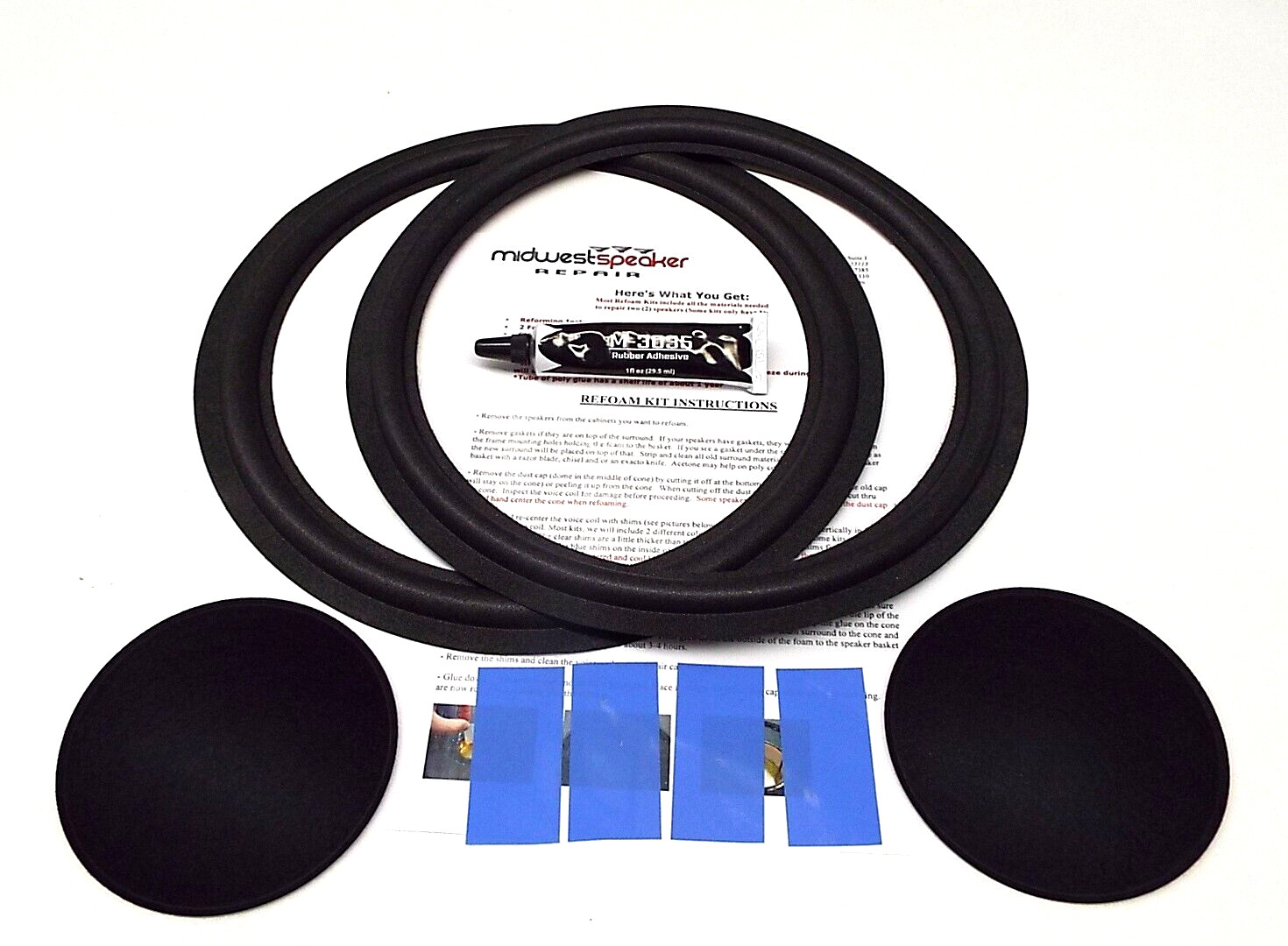

As an eBay Partner, we earn from qualifying purchases. This helps support our independent vintage technology research.
Service Manuals & Schematics
- Manual — archive.org
Related Models
- ESS PS-61 (1978)
- ESS AMT-1-TOWER (1978)
- ESS AMT-10 (1978)
- ESS AMT-1A (1978)
- ESS AMT-1B (1978)
- Akai AM-2850 (1975)
- Akai AP-206 (1975)
- Nakamichi BX-1 (1985)
- Acoustic Research research-ar-17 (1978)
- Acoustic Research AR-19 (1994)