Denon DL-301: A Vintage Moving Coil Treasure for Discerning Vinyl Enthusiasts
In the golden era of analog audio during the 1970s, Denon—then known as Nippon Columbia—emerged as a leader in high-fidelity sound reproduction, particularly in the realm of phono cartridges. Among their respected lineup, the Denon DL-301 stands as a notable moving coil (MC) cartridge that captured the attention of audiophiles and professional listeners alike. Though not as widely discussed today as some of its siblings like the DL-103 or DL-103R, the DL-301 carved out a niche for itself with its balanced performance, robust build, and musical transparency.
Released in 1975, the DL-301 arrived at a time when moving coil cartridges were transitioning from exotic rarities to more accessible high-end components. Denon had already built a reputation for precision engineering and sonic neutrality, and the DL-301 continued that tradition. Designed for serious turntable setups, it catered to listeners who demanded accurate tracking, low distortion, and a natural tonal balance—qualities that remain desirable in today’s vintage audio renaissance.
Technical Specifications
The Denon DL-301 is a moving coil phono cartridge, a design known for its low moving mass and superior transient response compared to moving magnet (MM) types. Like most Denon MC cartridges of the era, it features a rigid aluminum alloy cantilever and an elliptical stylus tip, engineered for excellent high-frequency detail and groove tracking.
| Specification | Detail |
| Type | Moving Coil (MC) |
| Output Voltage | 0.3 mV (1 cm/sec, 1 kHz) |
| Channel Separation | 25 dB (1 kHz) |
| Frequency Response | 20 Hz – 45,000 Hz |
| Tracking Force | 1.8 – 2.2 grams |
| Stylus Type | Elliptical |
| Cantilever Material | Aluminum alloy |
| Compliance | Low (approx. 10 x 10⁻⁶ cm/dyne) |
| Recommended Load Impedance | 40 – 100 ohms |
| Weight | 7.5 grams |
| Channel Balance | Within 1.5 dB |
| Stylus Replacement Model | DSN-84 (discontinued) |
The DL-301’s low output (0.3 mV) means it requires a dedicated MC phono preamplifier or a step-up transformer to achieve optimal performance. Its low compliance suggests compatibility with medium- to high-mass tonearms, making it a natural fit for classic arms from brands like JBL, Technics, or SME. The cartridge’s rigid construction and precision alignment also contribute to excellent channel separation and reduced crosstalk—important factors for stereo imaging and soundstage depth.
Sound Characteristics and Performance
The Denon DL-301 delivers a sound signature that can best be described as neutral with a touch of warmth—a hallmark of Denon’s engineering philosophy. It avoids the clinical sterility sometimes associated with early MC designs, instead offering a smooth, engaging presentation that flatters a wide range of musical genres.
Bass response is tight and well-controlled, with good extension and articulation. The midrange is clear and natural, making vocals and acoustic instruments sound lifelike and present. High frequencies are detailed without being harsh, thanks to the elliptical stylus and careful damping within the cartridge body. While not as micro-detailed as some modern MCs, the DL-301 excels in coherence and musical flow, allowing listeners to focus on the performance rather than the equipment.
Its tracking ability is impressive for its era, reliably handling complex passages and warped records with a tracking force set between 1.8 and 2.2 grams. However, like all vintage cartridges, it benefits from careful setup—proper azimuth, VTA, and anti-skate adjustment are essential to unlock its full potential.
Notable Features and Innovations
Denon’s design approach with the DL-301 emphasized mechanical stability and electromagnetic efficiency. The cartridge uses a dual-magnet, dual-coil configuration with permendur (a high-permeability alloy) pole pieces, which helps achieve high magnetic efficiency and low distortion. The rigid aluminum cantilever reduces unwanted resonances, while the cartridge body is precision-machined to ensure consistent channel alignment.
One of the DL-301’s standout traits is its build quality. Denon cartridges of this period were often used in broadcast and studio environments, and the DL-301 reflects that professional pedigree. Its robust construction and tight tolerances made it a favorite among users who valued reliability and longevity.
Though it lacks the replaceable stylus assembly of later models, the DL-301 was designed with serviceability in mind. Skilled technicians can still re-tip vintage Denon cartridges using compatible styli or custom solutions, extending their usable life for modern enthusiasts.
Common Issues and Maintenance
As with any vintage cartridge, the primary concern with the DL-301 is stylus wear. Original elliptical styli were not designed for today’s extended playback demands, and many surviving units may have compromised tips. Playing records with a worn stylus risks damaging both the cartridge and your vinyl collection.
Finding a replacement stylus is challenging—Denon discontinued the DSN-84 stylus assembly years ago. However, some specialized audio restoration shops offer re-tipping services using modern elliptical or even fine-line profiles, which can breathe new life into a DL-301. These services, while costly, can significantly improve performance and protect your records.
Another consideration is coil integrity. Over decades, the ultra-fine wires in MC generators can degrade or break, especially if the cartridge has been mishandled or exposed to strong magnetic fields. Testing output and channel balance with a sensitive meter can help identify potential issues.
Regular cleaning of the stylus with a carbon fiber brush and proper storage (in a protective case, away from dust and moisture) will help preserve the DL-301’s performance. Given its age, it’s wise to have the cartridge professionally evaluated before integrating it into a high-end system.
Current Market Value and Collectibility
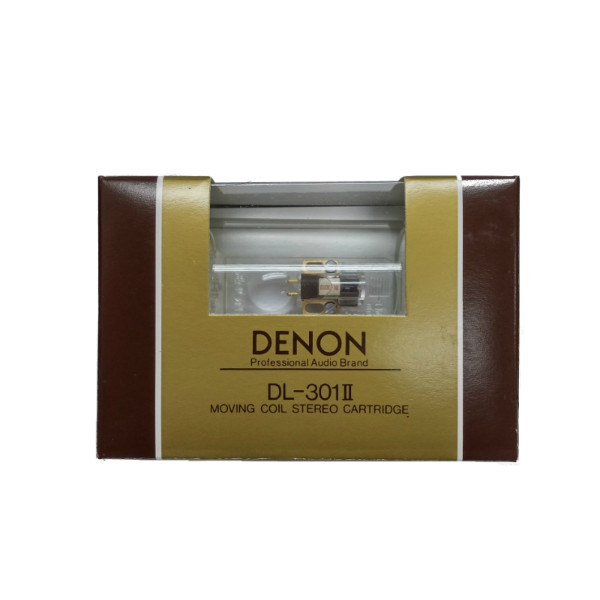
The Denon DL-301 is not as widely collected as the legendary DL-103, but it holds a quiet respect among vintage cartridge aficionados. In good working condition, with a clean stylus and verified output, the DL-301 typically sells for $150–$250 on the secondary market. Units that have been professionally re-tipped or come with original packaging and documentation may command higher prices.
Its value lies not in rarity, but in sonic merit and historical significance. For listeners building a period-correct 1970s high-fidelity system, the DL-301 offers authentic performance with a touch of Japanese engineering refinement. It pairs especially well with Denon turntables of the era, such as the DP-470 or DP-600, though it performs admirably on any well-set-up deck.
Conclusion and Legacy
The Denon DL-301 may not be the most famous cartridge in Denon’s storied lineup, but it represents the quiet excellence of 1970s Japanese audio engineering. With its balanced sound, solid build, and reliable performance, it remains a compelling choice for vinyl enthusiasts who appreciate the warmth and authenticity of vintage analog gear.
While it demands careful setup and maintenance, the DL-301 rewards the effort with a listening experience that feels both precise and emotionally engaging. In an age of digital perfection, the DL-301 reminds us that sometimes, the most musical tools are those built with craftsmanship, care, and a deep respect for the art of sound reproduction.
For those exploring the world of vintage MC cartridges, the Denon DL-301 is a worthy candidate—a hidden gem that continues to deliver joy, one record at a time.
eBay Listings



As an eBay Partner, we earn from qualifying purchases. This helps support our independent vintage technology research.
Related Models
- Denon SC-M5K (1995)
- Denon DR-M2 (1985)
- Denon DA-1000 (1982)
- Denon DL-103 (1962)
- Denon DL-110 (1983)
- Akai AM-2850 (1975)
- Akai AP-206 (1975)
- Nakamichi BX-1 (1985)
- Acoustic Research research-ar-17 (1978)
- Acoustic Research AR-19 (1994)