Dahlquist DQM-7: The Forgotten Pioneer of Active Loudspeaker Design
In the late 1970s, as high-fidelity audio entered a golden era of innovation, few names carried the weight of technical integrity and sonic purity like Dahlquist. Best known for the legendary DQ-10, the world’s first time- and phase-correct loudspeaker with a flat anechoic response, the company pushed the boundaries of what was possible in speaker design. But nestled within their catalog was a far more obscure and forward-thinking creation: the Dahlquist DQM-7.
Unlike the passive DQ-10, the DQM-7 was an active, powered loudspeaker system—a rarity in its time and a bold departure from conventional thinking. Marketed not as a consumer hi-fi product but as a studio monitor and critical listening tool, the DQM-7 represented Dahlquist’s vision for a new standard in audio accuracy. Though it never achieved the fame of its sibling, the DQM-7 remains a fascinating artifact of analog innovation and a testament to founder Jon Dahlquist’s relentless pursuit of sonic truth.
Historical Context: A Radical Departure
By the late 1970s, most audiophiles still relied on passive speakers paired with external amplifiers. The idea of integrating amplification and equalization directly into the speaker enclosure was largely confined to professional studios and experimental designs. Companies like Bozak and JBL had dabbled in powered monitors, but few approached the level of engineering sophistication seen in the DQM-7.
Jon Dahlquist, an engineer with a background in acoustics and signal processing, believed that the only way to achieve truly accurate sound reproduction was to control the entire signal chain—from crossover to driver response to time alignment. The DQM-7 was his answer: a bi-amplified, equalized, and time-delayed loudspeaker system designed to deliver a phase-linear, time-coherent output that matched anechoic measurements as closely as possible.
Introduced in 1978, the DQM-7 was not mass-produced. It was built in limited numbers, often custom-ordered, and primarily sold to recording engineers, mastering studios, and serious audiophiles who valued precision over convenience. Its high cost and complex setup limited its appeal, but for those who heard it, the DQM-7 was nothing short of revelatory.
Technical Specifications
| Specification | Detail |
| Model | DQM-7 |
| Manufacturer | Dahlquist Acoustic Laboratory |
| Year Introduced | 1978 |
| Type | Active, bi-amplified loudspeaker system |
| Drivers | 1" silk dome tweeter, 7" mid-woofer (custom Dahlquist design) |
| Amplification | Internal dual-channel amplifier (approx. 25W RMS per channel) |
| Crossover | Active 2nd-order electronic crossover at 2.8 kHz |
| Equalization | Passive RC network for time alignment and response correction |
| Time Alignment | Acoustic and electronic delay for phase coherence |
| Enclosure | Sealed, non-resonant MDF with constrained-layer damping |
| Inputs | Balanced XLR and unbalanced RCA |
| Frequency Response | 55 Hz – 20 kHz (±1.5 dB) |
| Sensitivity | 88 dB (1W/1m) |
| Impedance | Not applicable (active system) |
| Power Requirements | 120V AC, 60 Hz |
| Dimensions (H×W×D) | 18" × 10" × 12" |
| Weight | 32 lbs each |
Sound Characteristics and Performance
The DQM-7 was engineered for transparency, neutrality, and time coherence—not for "warmth" or "bloom." Its sound signature was clinical in the best sense: detailed, uncolored, and spatially precise. Listeners often described the imaging as "holographic," with instruments placed in a three-dimensional space that mimicked real acoustic environments.
Because the DQM-7 used active crossover and dedicated amplification, it avoided many of the pitfalls of passive designs—such as power loss, phase distortion, and driver interaction. The time-alignment circuitry, a hallmark of Dahlquist’s philosophy, ensured that sound from the tweeter and mid-woofer reached the listener simultaneously, eliminating the smearing common in offset-driver designs.
The 7-inch mid-woofer, made with a doped paper cone and underhung voice coil, delivered tight, articulate bass for its size, while the silk dome tweeter offered smooth, non-fatiguing highs. The sealed enclosure design contributed to a fast transient response, making the DQM-7 particularly adept at reproducing acoustic music, vocals, and complex orchestral passages.
Critics noted that the DQM-7 lacked the deep bass extension of larger floor-standing speakers, but this was by design—it prioritized accuracy over quantity. For critical listening, many users paired it with a matching Dahlquist subwoofer (rare and undocumented), or used it in nearfield monitoring setups.
Notable Features and Innovations
The DQM-7 was packed with features that were decades ahead of their time:
- Integrated Bi-Amplification: Each driver had its own dedicated amplifier, reducing intermodulation distortion and improving dynamic control.
- Electronic Time Delay: A passive RC network introduced a precise delay to the tweeter signal, aligning it with the acoustic center of the woofer—a technique now common in high-end active speakers.
- Anechoic Tuning: The entire system was tuned using anechoic chamber measurements, ensuring flat response regardless of room acoustics.
- Balanced Inputs: Rare for consumer gear in the 1970s, the XLR inputs allowed for noise-free connection in professional environments.
- Modular Design: Internal components were mounted on removable trays, simplifying servicing and upgrades.
These innovations foreshadowed the rise of modern active monitors from companies like Genelec, Neumann, and Focal—but the DQM-7 did it all in 1978, with analog circuitry and hand-tuned components.
Common Issues and Maintenance
Due to their age and low production numbers, surviving DQM-7 units are rare and fragile. Common issues include:
- Capacitor Degradation: The RC time-delay and crossover networks rely on precision capacitors that can drift or fail over time. Recapping is often necessary.
- Amplifier Tube Replacements: While solid-state, the internal amps use early-generation transistors prone to thermal stress. Heat sinks may need cleaning or replacement.
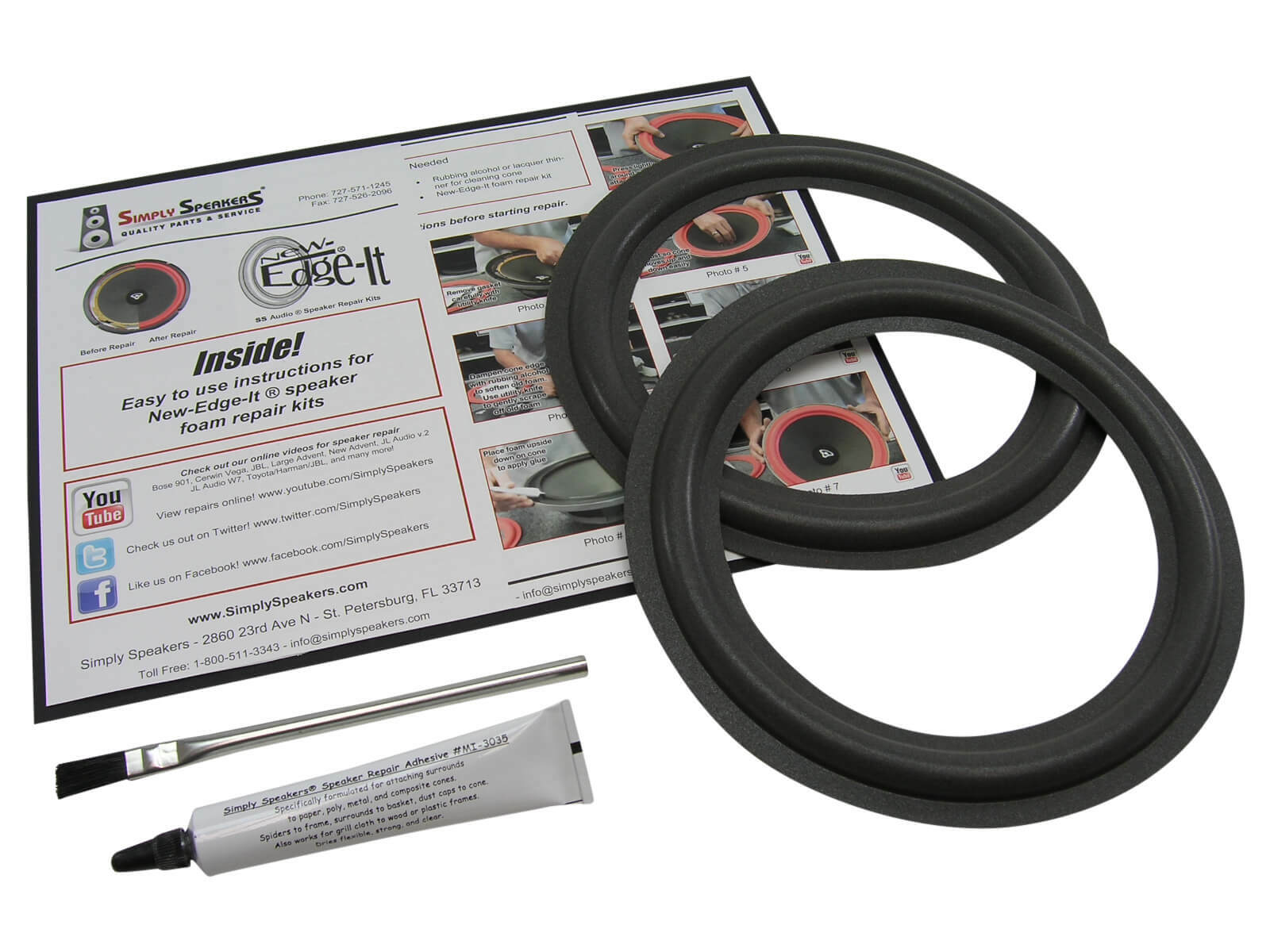
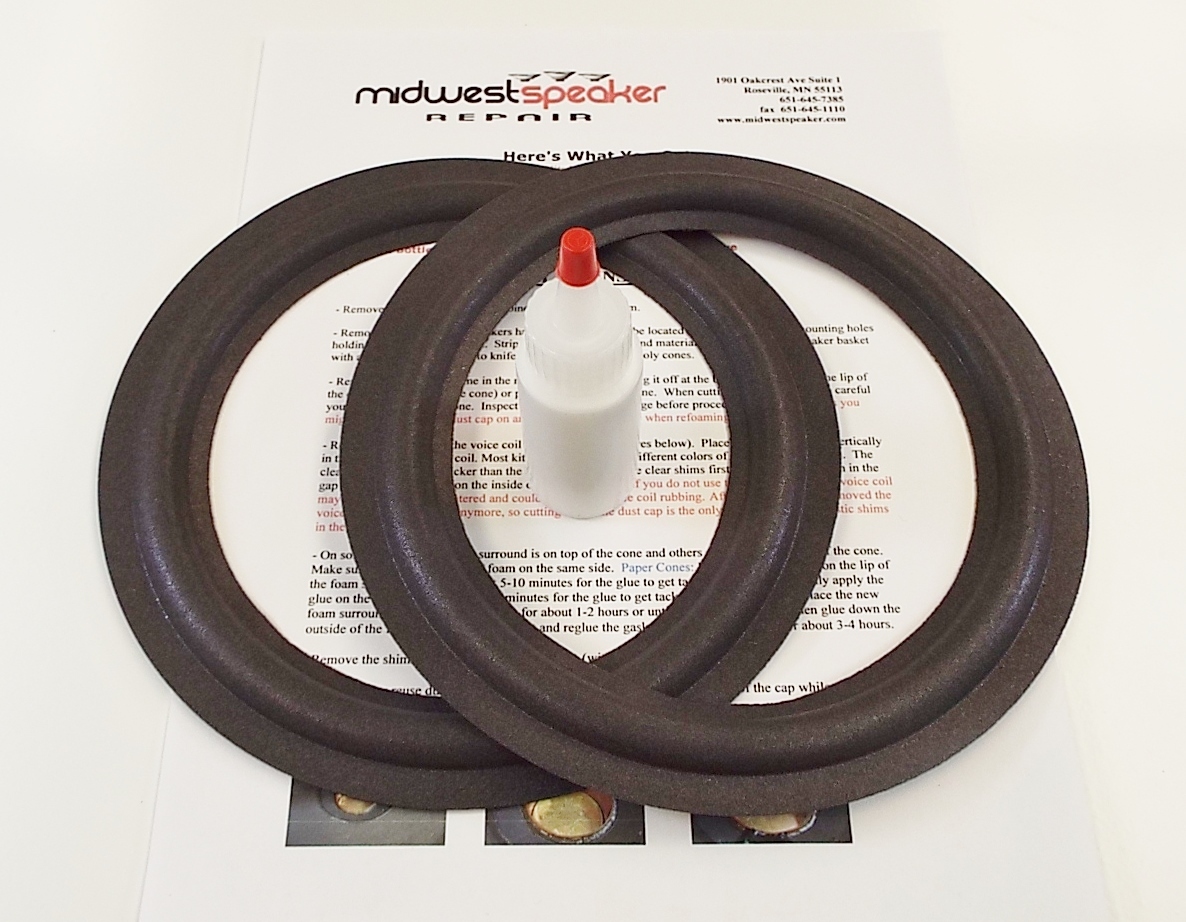
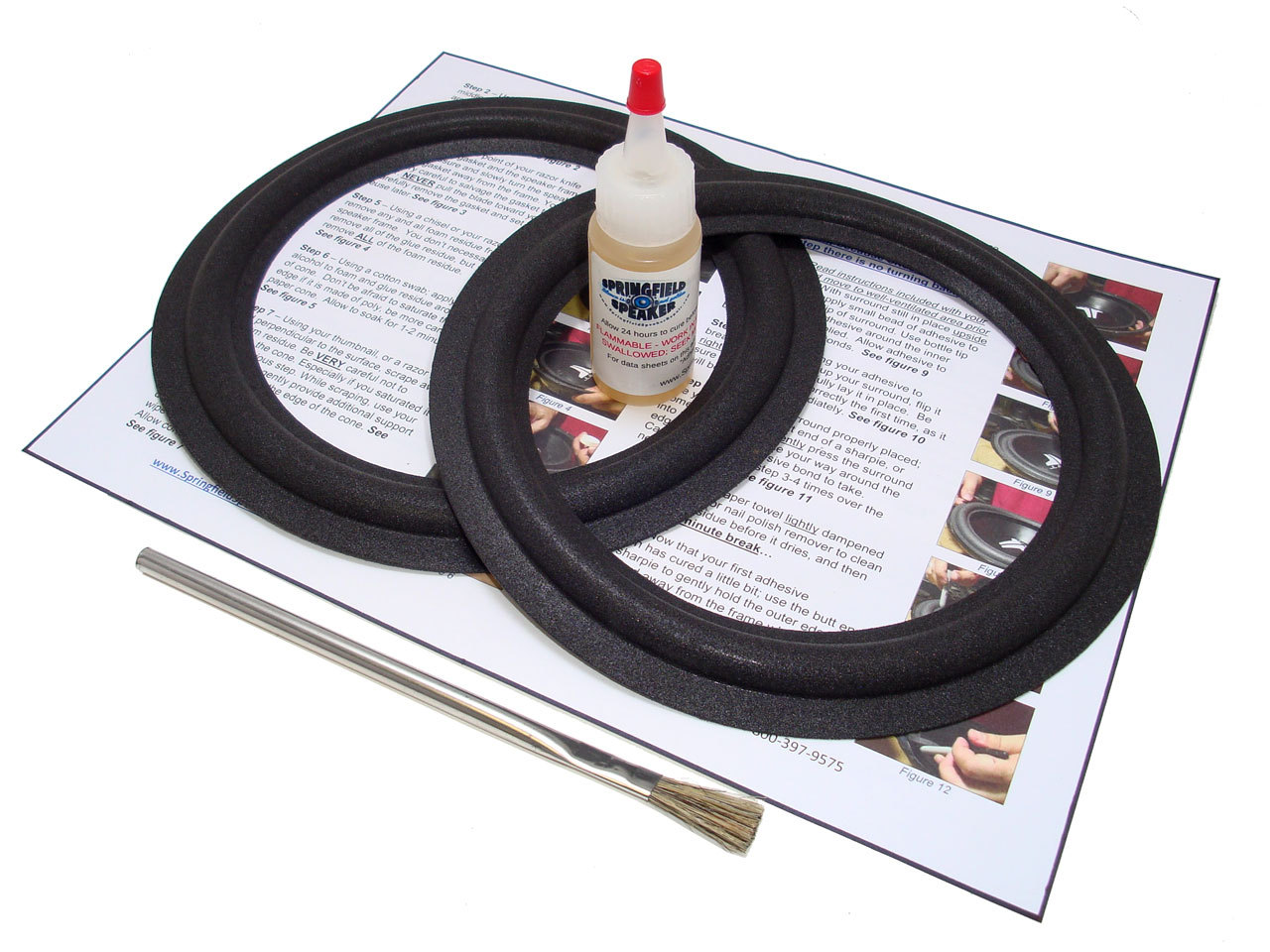
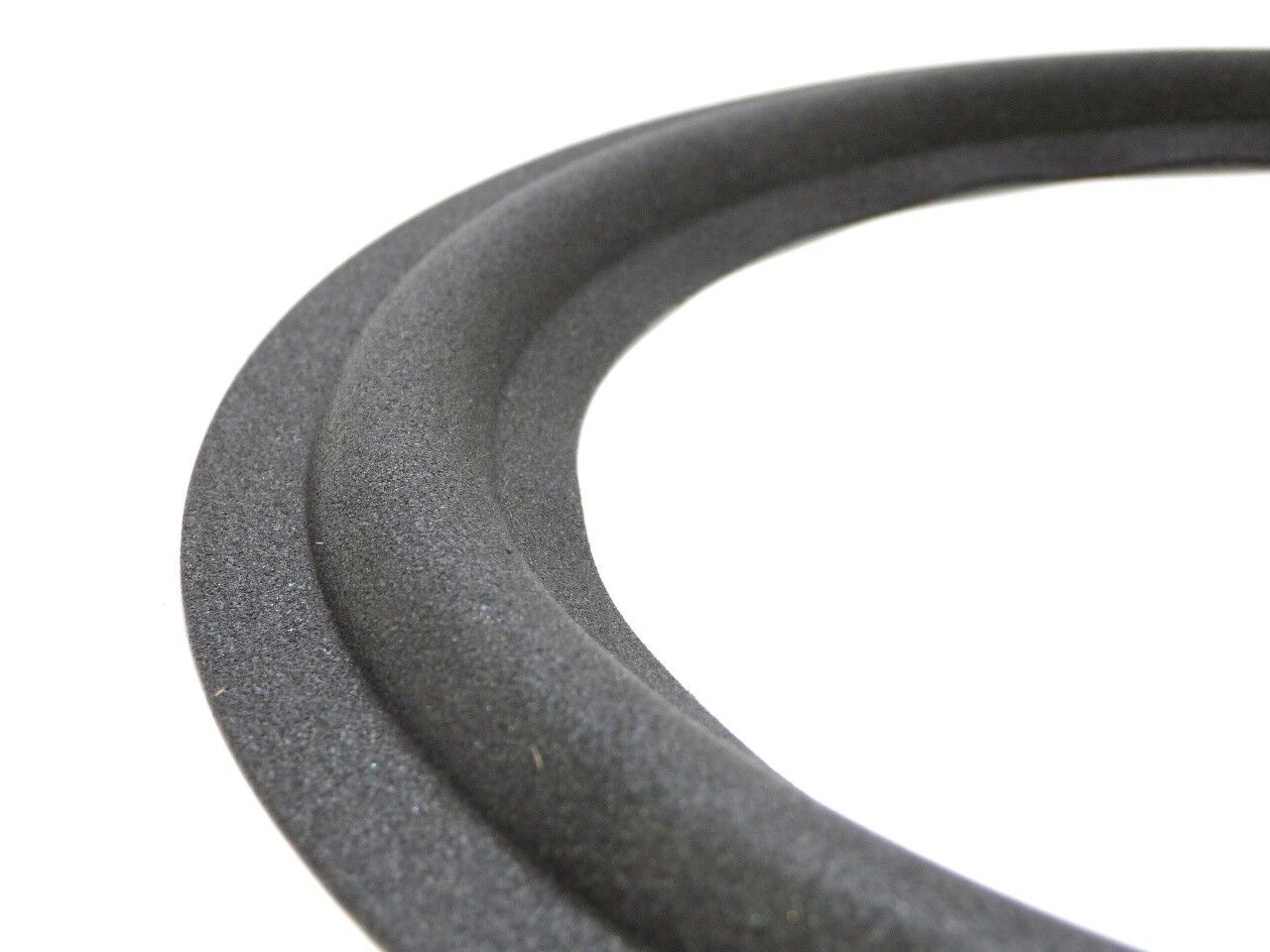
- Driver Aging: The silk dome tweeters can suffer from oxidation, leading to dull highs. Re-foaming of the mid-woofer surrounds is also common.
- Power Supply Failures: The internal linear power supply uses electrolytic capacitors that dry out after 40+ years.
Restoration is possible but challenging. Original service manuals are scarce, and replacement parts are not available from Dahlquist, which ceased operations in the early 1980s. However, a growing community of vintage audio enthusiasts has begun documenting repairs and sourcing compatible drivers and electronics.
Current Market Value and Collectibility
The DQM-7 is highly collectible, though not widely known outside niche circles. Units in working condition typically sell for $1,200 to $2,500 per pair, depending on originality and restoration quality. Fully restored systems with matched serial numbers and original grilles can command even higher prices.
Its value lies not in brand recognition, but in historical significance and engineering merit. As active speakers gain popularity in both studio and home audio, the DQM-7 is being rediscovered as a pioneer of the genre. It’s particularly sought after by collectors of American high-end audio and those interested in the evolution of time-aligned speaker design.
Conclusion: A Hidden Gem of Audio History
The Dahlquist DQM-7 may never achieve the iconic status of the DQ-10, but it deserves recognition as one of the most technologically advanced loudspeakers of its era. It was a bold experiment in active design, time alignment, and system integration—a vision of high-fidelity that was simply too far ahead of its time.
Today, the DQM-7 stands as a rare artifact of analog ingenuity, a speaker that combined scientific rigor with musicality in a way few others have matched. For the vintage audio enthusiast, finding and restoring a pair is not just a technical challenge—it’s a journey into the mind of one of audio’s true pioneers.
If you ever encounter a pair of DQM-7s in a studio basement or estate sale, don’t overlook them. Behind their unassuming cabinets lies a piece of audio history that helped pave the way for the active revolution we’re still experiencing today.
eBay Listings
As an eBay Partner, we earn from qualifying purchases. This helps support our independent vintage technology research.
Related Models
- Dahlquist ALS-3 (1978)
- Dahlquist DQ-20I (1978)
- Dahlquist DQ-6C (1978)
- Dahlquist DQ-10 (1974)
- Dahlquist DQ-10A (1978)
- Akai AM-2850 (1975)
- Akai AP-206 (1975)
- Nakamichi BX-1 (1985)
- Acoustic Research research-ar-17 (1978)
- Acoustic Research AR-19 (1994)