Dahlquist DQ-30I: The Pursuit of Sonic Purity in a Classic Floorstander
In the late 1970s, as high-fidelity audio was transitioning from basic stereo reproduction to a more refined pursuit of realism, few names captured the imagination of serious audiophiles quite like Dahlquist. Founded by the visionary engineer Jon Dahlquist, the company was known for its unwavering commitment to time alignment, phase coherence, and natural sound reproduction—principles that were ahead of their time and remain relevant today. Among its most respected offerings was the DQ-30I, a floorstanding loudspeaker that embodied the brand’s philosophy of scientific design married to musical integrity.
Though not as widely produced or as commonly encountered today as some of its contemporaries from AR, KLH, or JBL, the Dahlquist DQ-30I holds a special place in the hearts of vintage audio enthusiasts. It was more than just a speaker; it was a statement about how sound should be reproduced—with precision, transparency, and temporal accuracy.
Historical Context: The Rise of the Time-Aligned Speaker
Jon Dahlquist began his journey in the audio world working for KLH, where he contributed to the development of the legendary Model Eight and Model Nine speakers. Inspired by the work of Benjamin Olney at Acoustic Research and the time-aligned concepts explored by Edgar Villchur and Henry Kloss, Dahlquist struck out on his own in the mid-1970s to create speakers that prioritized time coherence—the idea that sound from all drivers should arrive at the listener’s ear simultaneously.
The DQ-30I, introduced around 1978, was one of the early fruits of this philosophy. It followed the groundbreaking DQ-10, which had already earned acclaim for its stepped baffle design that physically offset the drivers to achieve time alignment. The DQ-30I expanded on this concept with a larger cabinet, extended bass response, and a more refined crossover network, positioning itself as a premium alternative for discerning listeners who valued accuracy over hype.
Technical Specifications
| Specification | Detail |
| Model | DQ-30I |
| Manufacturer | Dahlquist Acoustic Products |
| Year Introduced | 1978 |
| Type | 3-way, time-aligned floorstanding loudspeaker |
| Drivers | 1" silk dome tweeter, 5" midrange, dual 8" woofers |
| Crossover Frequency | ~2.5 kHz (tweeter/mid), ~500 Hz (mid/woofer) |
| Crossover Type | Passive, 12 dB/octave slopes with time alignment compensation |
| Frequency Response | 35 Hz – 20 kHz (±3 dB) |
| Sensitivity | 87 dB (1W/1m) |
| Nominal Impedance | 8 ohms (compatible with most tube and solid-state amplifiers) |
| Recommended Amplifier | 20–150 watts |
| Enclosure Type | Ported (bass reflex), stepped baffle for time alignment |
| Dimensions (H×W×D) | 42" × 12" × 18" (106.7 × 30.5 × 45.7 cm) |
| Weight | 65 lbs (29.5 kg) per speaker |
| Finish Options | Walnut or rosewood veneer |
Sound Characteristics and Performance
The DQ-30I was engineered to deliver a transparent, neutral, and highly coherent soundstage—qualities that were rare in mass-market speakers of the era. Thanks to its stepped baffle design, where the tweeter is mounted slightly behind the midrange and woofers, the acoustic centers of all drivers are aligned in time. This results in a remarkably focused stereo image, with pinpoint instrument placement and a natural sense of depth.
Tonally, the DQ-30I leans toward accuracy rather than warmth or brightness. The silk dome tweeter provides smooth, non-fatiguing highs, avoiding the "etched" or harsh characteristics found in some metal domes of the period. The 5-inch midrange driver, crafted from treated paper, delivers clear and articulate vocals, making the speaker especially well-suited for acoustic, jazz, and classical recordings.
The dual 8-inch woofers in a bass-reflex enclosure extend low-frequency response down to 35 Hz, offering solid bass presence without the overhang or bloat common in ported designs. While not a "subwoofer" by modern standards, the DQ-30I delivers tight, controlled bass that integrates seamlessly with the midrange—critical for maintaining the speaker’s overall coherence.
Listeners often describe the DQ-30I’s sound as “honest” and “unforced.” It doesn’t shout or draw attention to itself; instead, it disappears, allowing the music to take center stage. This makes it a favorite among purists who value realism over sonic spectacle.
Notable Features and Innovations
- Time-Aligned Stepped Baffle: The most defining feature of the DQ-30I, this design ensures that sound waves from all drivers reach the listener at the same time, reducing phase distortion and improving imaging.
- Modular Driver Array: Each driver is mounted in its own sealed sub-chamber within the cabinet, minimizing internal resonance and crossover interference.
- High-Quality Crossover Components: Dahlquist used premium capacitors, air-core inductors, and precision resistors in the crossover network, reflecting a commitment to signal integrity.
- Low-Diffraction Cabinet Edges: The cabinet features rounded edges and a restrained front baffle to reduce edge diffraction, contributing to a cleaner soundstage.
- Dual Woofers for Extended Bass: Unlike the single-woofer DQ-10, the DQ-30I uses two woofers in a push-pull configuration (in some variants) or symmetrical layout to enhance bass output and reduce cabinet vibration.
Common Issues and Maintenance
As with any vintage speaker from the late 1970s, the DQ-30I requires careful attention to aging components. The most common issues include:
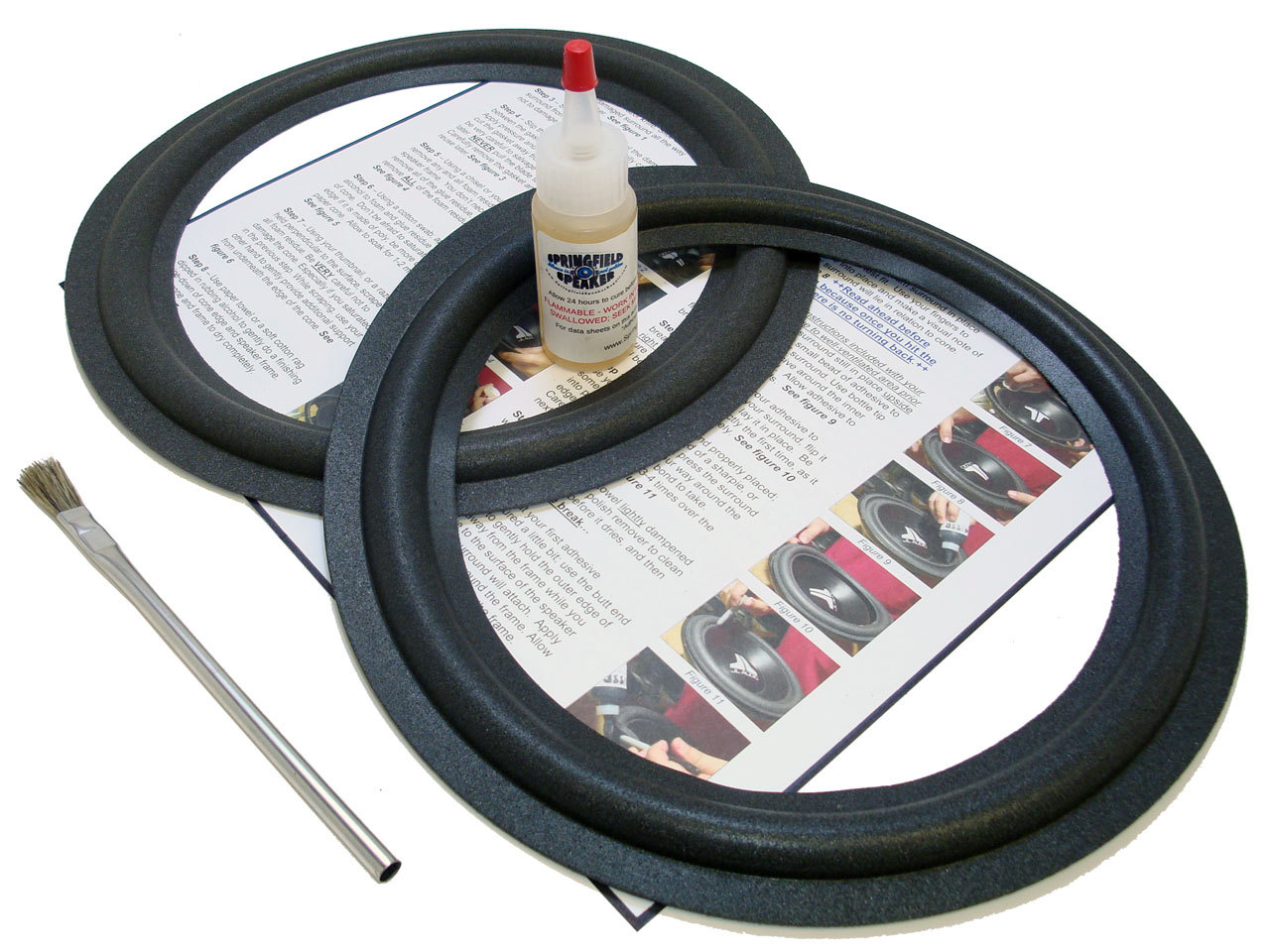
- Degraded Surrounds: The foam or rubber surrounds on the woofers and midrange drivers may have deteriorated over time, leading to buzzing, reduced bass, or complete failure. Re-foaming or reconing is often necessary.
- Aged Crossover Components: Capacitors can dry out, and inductors may develop micro-cracks. A full inspection and possible recapping of the crossover are recommended for optimal performance.
- Cabinet Veneer Damage: The wood veneer, while beautiful, is susceptible to scratches, water rings, and fading. Gentle cleaning and occasional refinishing can restore its luster.
- Tweeter Protection: The silk dome tweeters are delicate. Exposure to high SPLs or amplifier clipping can damage them. Using a protective fuse or current-limiting circuit in the crossover is advisable.
Finding original replacement parts can be challenging, but the vintage audio community—particularly forums like Audiokarma and the Classic Speaker Pages—has resources for reconing services and crossover restoration.
Current Market Value and Collectibility
The Dahlquist DQ-30I is a rare and sought-after speaker among vintage audio collectors. While not as widely known as the DQ-10, it is appreciated for its superior bass extension and refined tuning. In good working condition, a pair typically sells for $800–$1,500, depending on originality, cosmetic state, and whether they’ve been professionally restored.
Fully restored pairs with upgraded crossovers and reconed drivers can command higher prices, especially if paired with matching grilles and original documentation. As awareness of time-aligned design grows, and as modern brands like Magneplanar and Spatial Audio revive similar principles, interest in Dahlquist’s legacy continues to rise.
Conclusion: A Legacy of Fidelity
The Dahlquist DQ-30I stands as a testament to a time when audio engineering was driven by scientific inquiry and a deep respect for music. It may not have achieved the mass-market success of some contemporaries, but for those who value phase coherence, natural tonality, and precise imaging, it remains a compelling choice.
Today, the DQ-30I is more than a vintage curiosity—it’s a window into a design philosophy that prioritized truth over trend. For the audiophile willing to invest in its restoration, the DQ-30I offers a listening experience that feels remarkably modern: clear, composed, and deeply musical. In the world of vintage speakers, that’s a rare and enduring achievement.
eBay Listings


As an eBay Partner, we earn from qualifying purchases. This helps support our independent vintage technology research.
Related Models
- Dahlquist ALS-3 (1978)
- Dahlquist DQ-20I (1978)
- Dahlquist DQ-6C (1978)
- Dahlquist DQ-10 (1974)
- Dahlquist DQ-10A (1978)
- Akai AM-2850 (1975)
- Akai AP-206 (1975)
- Nakamichi BX-1 (1985)
- Acoustic Research research-ar-17 (1978)
- Acoustic Research AR-19 (1994)