Dahlquist DQ-30: A Pioneer in Time-Aligned Speaker Design
In the late 1970s, the high-fidelity audio world was undergoing a transformation. Audiophiles and engineers alike were pushing the boundaries of speaker design, striving for greater accuracy, realism, and transparency in sound reproduction. Among the innovators of this era, one name stood out for its bold engineering philosophy and unwavering commitment to time coherence: Dahlquist, founded by the visionary John Dahlquist. The DQ-30, introduced in 1978, was not just another loudspeaker—it was a statement of intent, a radical departure from conventional multi-driver speaker design, and a landmark in the pursuit of time-aligned audio fidelity.
Historical Context and Design Philosophy
John Dahlquist, a former engineer at Electro-Voice and KLH, was deeply influenced by the work of acoustics pioneer Benjamin Olney and the concept of time alignment in loudspeakers. Most traditional speakers of the time used drivers mounted flush on a baffle, but because the tweeter and midrange were at different physical depths, their sound waves reached the listener at slightly different times. This time delay caused phase distortion, smearing the stereo image and reducing clarity.
The DQ-30 addressed this issue head-on. It featured a stepped baffle design, where each driver was mounted at a different depth so that their acoustic centers were aligned in time. This meant that the sound from each driver arrived at the listener’s ears simultaneously, preserving the original timing of the recording. This concept—time alignment—was revolutionary in consumer audio and placed the DQ-30 at the forefront of high-end speaker design.
The DQ-30 was not the first time-aligned speaker (that distinction often goes to the Acoustic Research AR-28, which Dahlquist had worked on), but it was one of the first to bring the concept to a wider audiophile audience with a refined, elegant design and exceptional performance.
Technical Specifications
| Specification | Detail |
| Model | DQ-30 |
| Manufacturer | Dahlquist Acoustic Laboratory |
| Year Introduced | 1978 |
| Type | 3-way, time-aligned floor-standing |
| Drivers | 1" dome tweeter, 5" midrange, dual 8" woofers |
| Crossover Frequency | 500 Hz (mid/woofer), 3.5 kHz (tweeter/mid) |
| Crossover Type | Passive, 12 dB/octave |
| Baffle Design | Stepped (time-aligned) |
| Sensitivity | 88 dB (2.83V/1m) |
| Nominal Impedance | 8 ohms (compatible with most amplifiers) |
| Frequency Response | 35 Hz – 20 kHz (±3 dB) |
| Enclosure Type | Dual-chamber, ported bass reflex |
| Dimensions (H×W×D) | 40" × 12" × 16" (101.6 × 30.5 × 40.6 cm) |
| Weight | 65 lbs (29.5 kg) per speaker |
| Finish Options | Walnut, rosewood, and black ash veneers |
Sound Characteristics and Performance
The DQ-30 was celebrated for its exceptional clarity, precise imaging, and natural tonal balance. Thanks to its time-aligned design, the speaker delivered a cohesive and stable soundstage, with instruments and voices appearing in sharply defined spatial locations. This made the DQ-30 particularly well-suited for classical music, jazz, and vocal recordings, where timing and realism are critical.
The dual 8" woofers provided deep, controlled bass with minimal distortion, while the 5" midrange driver—mounted at the correct depth—ensured a smooth transition from the lower mids to the upper registers. The 1" soft-dome tweeter offered extended high-frequency response without harshness, contributing to a balanced and fatigue-free listening experience.
One of the most praised aspects of the DQ-30 was its low coloration. The stepped baffle reduced diffraction effects, and the careful crossover design minimized phase anomalies. As a result, the DQ-30 sounded transparent and neutral—qualities that are still prized in high-end audio today.
Notable Features and Innovations
- Time-Aligned Stepped Baffle: The most defining feature, ensuring all drivers are acoustically in phase.
- Dual-Chamber Enclosure: The bass section used a dual-chamber design to reduce standing waves and improve low-frequency control.
- High-Quality Components: The crossover used premium capacitors and air-core inductors, minimizing signal loss and distortion.
- Handcrafted Cabinet: Each DQ-30 was built with real wood veneers and meticulous attention to detail, reflecting its premium positioning.
- Bi-Wiring Capability: Though not common at the time, the DQ-30 allowed for bi-wiring, giving audiophiles greater flexibility in system tuning.
Common Issues and Maintenance
As with any vintage speaker, the DQ-30 requires careful maintenance to perform at its best. Over time, the most common issues include:
- Aging Crossover Components: Capacitors can dry out or drift in value, affecting tonal balance. Replacing them with modern equivalents can restore original performance.
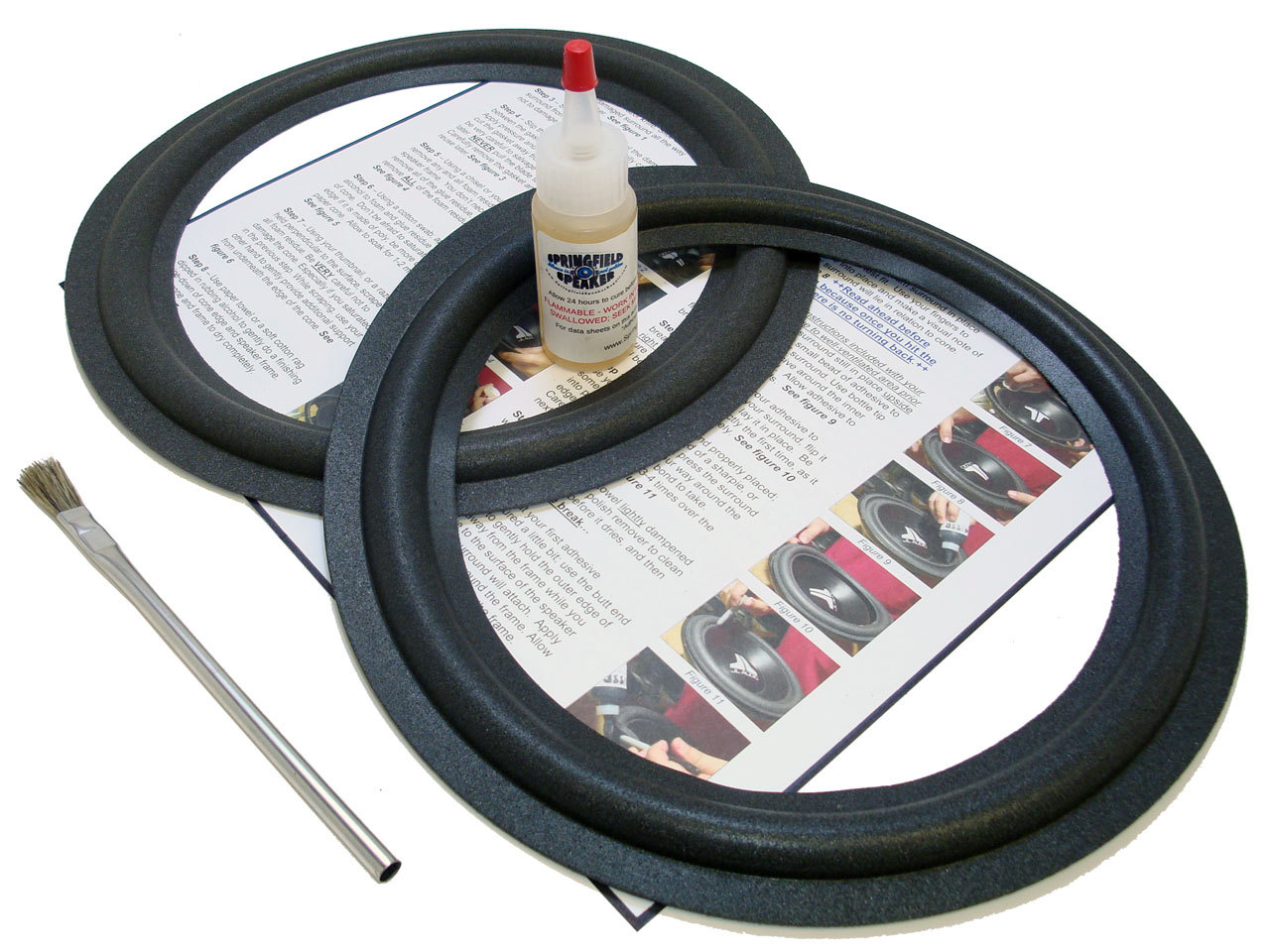
- Worn Driver Surrounds: The foam surrounds on the woofers and midrange may degrade after 40+ years. Replacement with butyl rubber surrounds is recommended.
- Tweeter Diaphragm Fatigue: While durable, the soft-dome tweeters can lose clarity if exposed to high volumes or humidity over time.
- Finish Wear: Original wood veneers may show scratches or fading. Gentle polishing and proper placement away from direct sunlight can help preserve appearance.
For restorers and collectors, parts and service information are limited but available through vintage audio forums and specialist restoration shops. Given the DQ-30’s cult status, many enthusiasts are dedicated to keeping these speakers alive and sounding their best.
Current Market Value and Collectibility
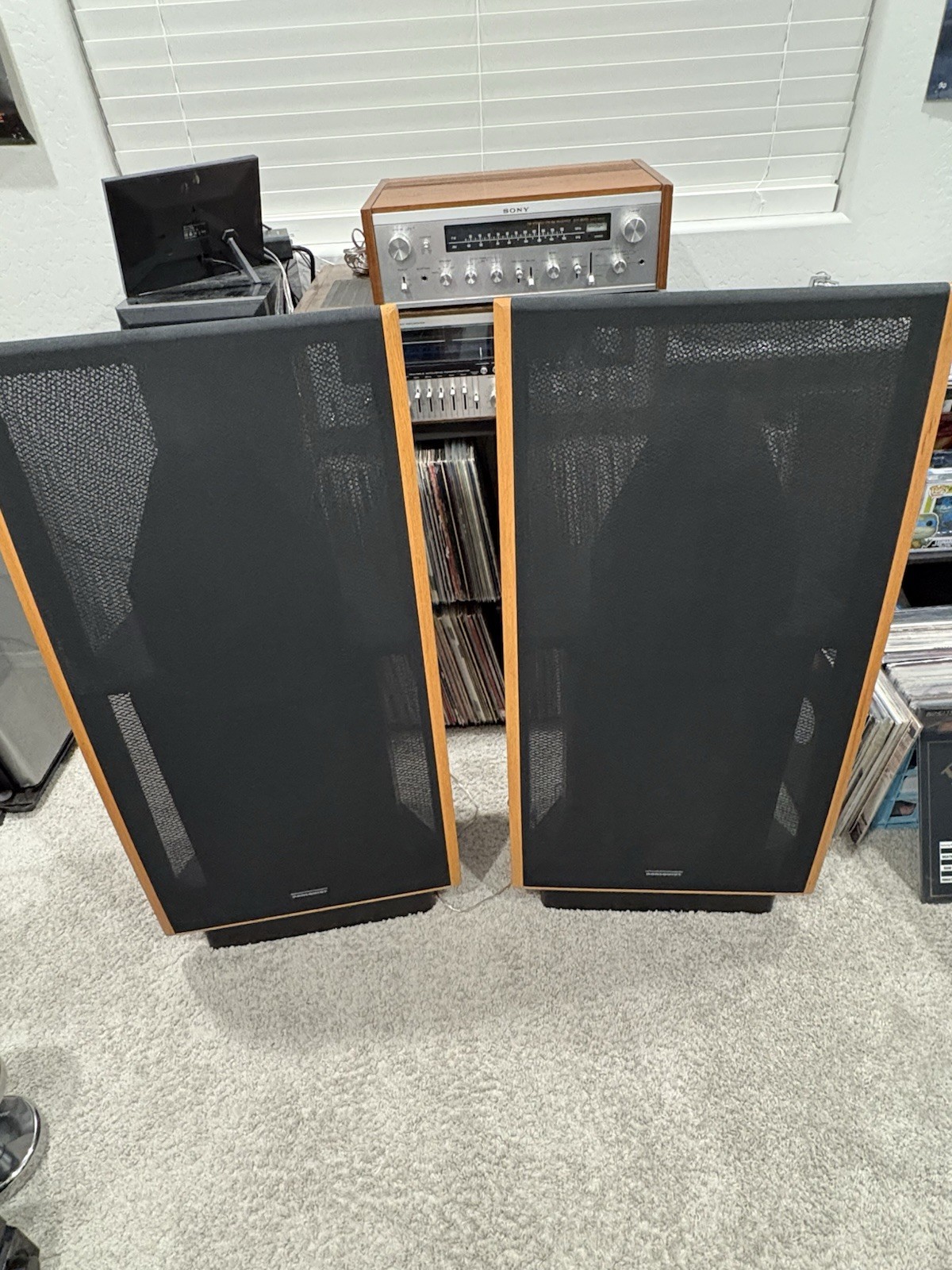
Today, the Dahlquist DQ-30 is a highly collectible piece of audio history. Well-maintained pairs in good cosmetic and sonic condition can fetch $1,500 to $3,000, depending on finish, originality, and provenance. Rosewood and walnut finishes are particularly sought after, especially when paired with original grilles and documentation.
The DQ-30 appeals not only to vintage audio collectors but also to modern audiophiles interested in time-aligned design. Its influence can be seen in later speakers from brands like VMPS, MBL, and even modern offerings from KEF and Revel, which incorporate time-alignment principles in various forms.
While not as widely known as some contemporaries like the AR-3a or JBL L100, the DQ-30 holds a special place among connoisseurs for its engineering purity and sonic integrity. It represents a moment when high-end audio began to prioritize time coherence as much as frequency response—a philosophy that continues to shape speaker design today.
Conclusion and Legacy
The Dahlquist DQ-30 was more than a loudspeaker; it was a manifesto in wood and wire. In an era dominated by boom-and-hiss bass and colored midranges, the DQ-30 offered something rare: honest, time-accurate sound reproduction. It challenged the status quo and proved that precision engineering could coexist with musicality.
Though production was limited and the company eventually faded from the mainstream, John Dahlquist’s legacy endures. The DQ-30 remains a benchmark for time-aligned design and a testament to the idea that how sound arrives is just as important as what sound arrives.
For the vintage audio enthusiast, owning a pair of DQ-30s is not just about nostalgia—it’s about experiencing a pivotal moment in audio history, where science, art, and passion converged to create something truly timeless.
eBay Listings


As an eBay Partner, we earn from qualifying purchases. This helps support our independent vintage technology research.
Related Models
- Dahlquist ALS-3 (1978)
- Dahlquist DQ-20I (1978)
- Dahlquist DQ-6C (1978)
- Dahlquist DQ-10 (1974)
- Dahlquist DQ-10A (1978)
- Akai AM-2850 (1975)
- Akai AP-206 (1975)
- Nakamichi BX-1 (1985)
- Acoustic Research research-ar-17 (1978)
- Acoustic Research AR-19 (1994)