Dahlquist DQ-20: The Time-Aligned Pioneer of High-End Sound
In the late 1970s, when high-fidelity audio was undergoing a renaissance, few loudspeakers captured the imagination of audiophiles quite like the Dahlquist DQ-20. Designed by the visionary engineer Jon Dahlquist, this floor-standing speaker was not just another box in the crowded world of hi-fi—it was a bold statement about precision, time coherence, and the pursuit of sonic truth. Though not as widely known as some of its contemporaries, the DQ-20 carved out a devoted following and remains a cult classic among vintage audio enthusiasts.
A Legacy of Innovation
Jon Dahlquist was a pioneer in the field of time-aligned speaker design. The core idea behind time alignment is simple but profound: all sound from the drivers should reach the listener’s ears at the same time. In most conventional speakers, the tweeter is mounted flush with the midrange and woofer, meaning high frequencies arrive slightly earlier than lower ones due to the physical depth of the drivers. This time delay can smear transients and blur imaging.
The DQ-20 addressed this with a stepped baffle design—a hallmark of Dahlquist engineering. The tweeter was mounted forward on the baffle, while the midrange and woofer were set progressively further back. This physical offset compensated for the acoustic path differences, aligning the sound waves in time and creating a more coherent, lifelike soundstage.
Introduced in 1977, the DQ-20 was part of a small but influential wave of American speakers—alongside brands like Apogee and Magnepan—that prioritized time-domain accuracy and transparency over raw power or flashy cosmetics. Built in California, each pair was hand-assembled with meticulous attention to detail, reflecting Dahlquist’s uncompromising standards.
Technical Specifications
| Specification | Detail |
| Type | 3-way, time-aligned floor-standing speaker |
| Drivers | 1" ribbon tweeter, 5" midrange, 12" woofer |
| Crossover Frequency | ~1.8 kHz (midrange to tweeter), ~400 Hz (woofer to mid) |
| Crossover Type | Passive, 12 dB/octave slopes |
| Frequency Response | 35 Hz – 22 kHz (±3 dB) |
| Sensitivity | 86 dB (1W/1m) |
| Nominal Impedance | 8 ohms (compatible with most tube and solid-state amps) |
| Recommended Amp Power | 25–100 watts |
| Enclosure Type | Vented (bass reflex) with stepped baffle |
| Dimensions (H×W×D) | 42" × 10" × 16" |
| Weight | 65 lbs per speaker |
| Finish Options | Walnut, rosewood, and black walnut veneers |
The DQ-20 employed a ribbon tweeter, a rare and advanced feature for its time. Unlike conventional dome tweeters, the ribbon design uses a thin metallic film suspended in a magnetic field, offering exceptional speed, low distortion, and a smooth, extended high-frequency response. This contributed to the speaker’s airy, detailed treble—often described as “effortless” and “open.”
The 5-inch midrange driver used a paper cone with a phase plug for improved dispersion, while the 12-inch woofer handled bass duties with authority. The bass reflex port, located at the bottom of the cabinet, enhanced low-end extension without sacrificing tightness.
Sound Characteristics and Performance
The DQ-20’s sound is best described as transparent, articulate, and spatially precise. Thanks to its time-aligned design, it delivers a remarkably stable and three-dimensional soundstage. Instruments are sharply imaged, with clear separation and depth—qualities that make it especially well-suited for classical, jazz, and acoustic recordings.
The ribbon tweeter gives the DQ-20 a luminous top end, free from the harshness or sibilance that can plague lesser dome tweeters. Cymbals shimmer, strings breathe, and vocals are rendered with uncanny realism. The midrange is neutral and uncolored, allowing the true character of the recording to shine through.
Bass response is deep and well-controlled for a speaker of its era, though it doesn’t quite match the subterranean reach of modern designs. It excels in clarity and timing rather than sheer impact, making it a perfect match for musical genres that value rhythm and texture over thunderous low frequencies.
One of the DQ-20’s most celebrated traits is its low distortion and high dynamic contrast. Transients snap with precision, and the speaker handles complex passages with composure. It’s a speaker that rewards careful listening and high-quality source material.
Notable Features and Innovations
- Time-Aligned Stepped Baffle: The most iconic feature, designed to ensure coherent wavefront arrival.
- Ribbon Tweeter: Uncommon in consumer speakers at the time, offering superior transient response and dispersion.
- Handcrafted Cabinet: Made from high-density particleboard with real wood veneer, built for rigidity and resonance control.
- Modular Design: Drivers and crossover components were accessible for service or upgrades—a rarity in the 1970s.
- Neutral Voicing: Designed to be a true monitor, not a “colored” speaker, making it ideal for critical listening.
Common Issues and Maintenance
Like all vintage audio gear, the DQ-20 requires care and occasional restoration. Common issues include:
- Aging Crossover Components: Capacitors and inductors can degrade over time, leading to dull sound or imbalance. Re-capping the crossover with modern, high-quality parts is often recommended.
- Ribbon Tweeter Fragility: While robust for its type, the ribbon element can be damaged by overdriving or physical contact. Some owners opt for protective grilles or careful placement.
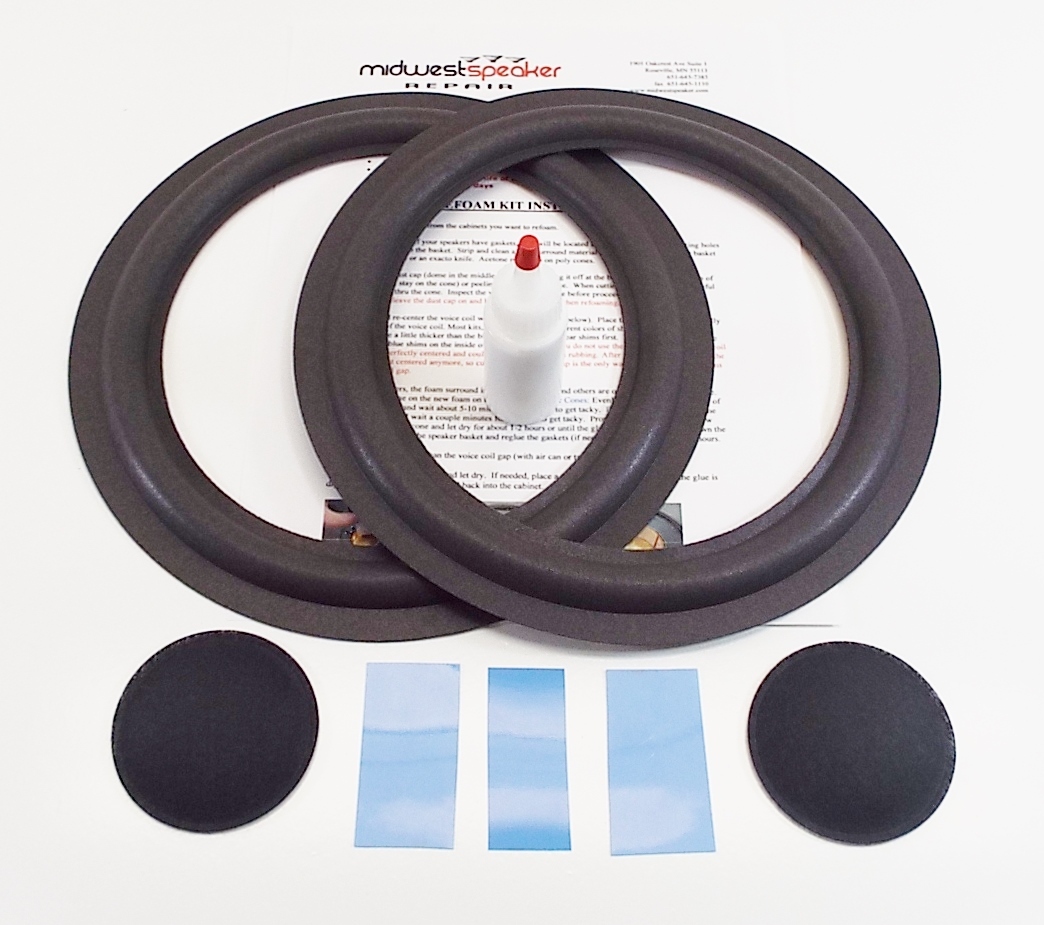
- Woofer Surrounds: The foam surrounds on the 12" woofer may dry out or disintegrate after 40+ years. Replacement with butyl rubber surrounds is a common restoration step.
- Cabinet Veneer: Original wood finishes may show wear. Refinishing should be done carefully to preserve value.
Finding original replacement parts can be challenging, but the DQ-20’s cult status means there’s an active community of enthusiasts and technicians who specialize in restoring these speakers.
Current Market Value and Collectibility
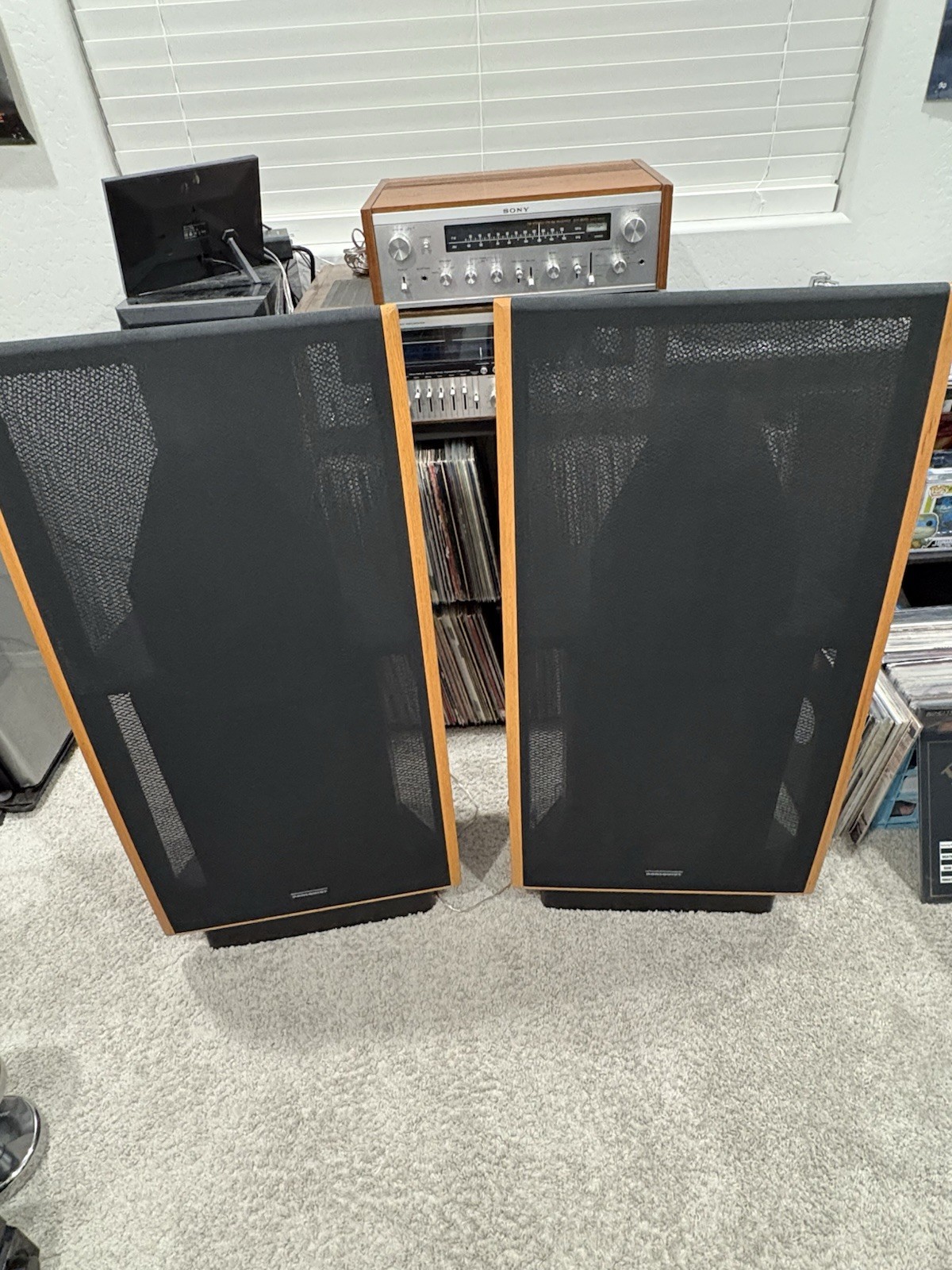
Today, the Dahlquist DQ-20 is a highly collectible piece of audio history. Pairs in good condition typically sell for $1,200 to $2,500, with fully restored examples commanding even more. Original boxes, manuals, and matched serial numbers can increase value.
Its collectibility stems from several factors:
- Historical Significance: One of the first commercially available time-aligned speakers.
- Unique Design: The stepped baffle and ribbon tweeter make it instantly recognizable.
- Build Quality: Overbuilt cabinets and premium components reflect a bygone era of craftsmanship.
- Cult Following: A loyal fanbase keeps demand steady among vintage audio collectors.
While not as mainstream as a JBL L100 or Klipsch Heresy, the DQ-20 holds a special place in the hearts of those who value engineering integrity and sonic purity.
Conclusion: A Timeless Statement
The Dahlquist DQ-20 is more than a speaker—it’s a philosophy in wood and wire. In an age when many manufacturers chased loudness and flash, Jon Dahlquist pursued accuracy, coherence, and musical truth. The DQ-20 embodies that vision.
For the modern audiophile, owning a pair of DQ-20s is like owning a piece of audio history—functional art that still competes with modern designs in clarity and emotional engagement. It’s a reminder that great sound isn’t about specs or trends, but about the timeless pursuit of fidelity.
If you’re lucky enough to hear a well-restored pair, you’ll understand why, decades later, the DQ-20 still commands respect. It’s not just vintage—it’s visionary.
eBay Listings


As an eBay Partner, we earn from qualifying purchases. This helps support our independent vintage technology research.
Related Models
- Dahlquist ALS-3 (1978)
- Dahlquist DQ-20I (1978)
- Dahlquist DQ-6C (1978)
- Dahlquist DQ-10 (1974)
- Dahlquist DQ-10A (1978)
- Akai AM-2850 (1975)
- Akai AP-206 (1975)
- Nakamichi BX-1 (1985)
- Acoustic Research research-ar-17 (1978)
- Acoustic Research AR-19 (1994)