Dahlquist DQ-12: The Time-Aligned Pioneer of High-Fidelity Sound
In the golden era of high-fidelity audio during the late 1970s, few loudspeakers captured the imagination of audiophiles quite like the Dahlquist DQ-12. Designed by the visionary engineer Jon Dahlquist, this floor-standing speaker was more than just a pair of boxes—it was a bold statement about time alignment, phase coherence, and the pursuit of sonic truth. Though produced in relatively small numbers and discontinued decades ago, the DQ-12 remains a cult classic, revered for its innovative design, striking appearance, and lifelike soundstage.
A Visionary Behind the Design
Jon Dahlquist, a former aerospace engineer, brought a scientific rigor to speaker design that was uncommon in the consumer audio world of the 1970s. Frustrated with the phase distortions and time misalignment inherent in conventional speaker crossovers and driver placement, he set out to create a loudspeaker that would deliver sound waves to the listener’s ears in perfect temporal sync. The result was the DQ-12, introduced in 1977, which became one of the first commercially available speakers to incorporate time-aligned driver technology.
The DQ-12 wasn’t just engineered for accuracy—it was designed to disappear sonically, creating a transparent window into the recording. Its unique curved baffle and staggered driver array weren’t merely aesthetic choices; they were the physical manifestation of Dahlquist’s commitment to time coherence.
Technical Specifications
| Specification | Detail |
| Manufacturer | Dahlquist Acoustic Laboratories |
| Model | DQ-12 |
| Type | 3-way, floor-standing loudspeaker |
| Driver Configuration | 12" woofer, 5" midrange, ribbon tweeter |
| Crossover | 2nd order, time-aligned design |
| Frequency Response | 30 Hz – 20 kHz (±3 dB) |
| Sensitivity | 88 dB (2.83V/1m) |
| Nominal Impedance | 8 ohms (compatible with most amplifiers) |
| Enclosure | Curved front baffle, sealed cabinet |
| Dimensions (H×W×D) | 44" × 12" × 18" |
| Weight | 75 lbs per speaker |
| Crossover Frequencies | 500 Hz (woofer/mid), 5 kHz (mid/tweeter) |
The DQ-12’s most distinctive feature was its curved front baffle, which housed the drivers in a stepped arrangement. The 12-inch woofer was mounted at the bottom, the 5-inch midrange slightly forward, and the air-motion transformer (AMT) ribbon tweeter at the frontmost point. This physical staggering ensured that sound from each driver arrived at the listener’s ear simultaneously, eliminating time smear and improving imaging precision.
The use of a ribbon tweeter—a rarity in consumer speakers at the time—gave the DQ-12 an exceptionally clear and detailed high end, free from the harshness or resonance often associated with dome tweeters. The sealed (acoustic suspension) cabinet design contributed to tight, controlled bass, though it required a powerful amplifier to drive the low-sensitivity system effectively.
Sound Characteristics and Performance
The DQ-12’s sound is best described as transparent, coherent, and deeply immersive. Thanks to its time-aligned design, the speaker produces a remarkably stable and three-dimensional soundstage. Instruments are precisely located in space, and vocalists appear with uncanny realism, as if occupying the same room.
Bass response is tight and articulate, though not overly deep by modern subwoofer standards. The 12-inch woofer delivers punchy, well-defined low end that integrates seamlessly with the midrange. The midband is where the DQ-12 truly shines—natural, uncolored, and rich in harmonic detail. This makes it especially well-suited for acoustic jazz, classical, and vocal recordings.
The ribbon tweeter adds a layer of airy, extended highs without sibilance or fatigue. Cymbals shimmer, strings breathe, and high-frequency transients are rendered with startling clarity. However, the DQ-12 is not a speaker for the faint of heart—its revealing nature means it will expose flaws in recordings and electronics. It demands high-quality source material and a well-matched amplifier to perform at its best.
Notable Features and Innovations
- Time-Aligned Drivers: The stepped baffle design was revolutionary, predating similar concepts in brands like KEF and Vandersteen. It addressed phase issues that most manufacturers ignored.
- Ribbon (AMT) Tweeter: One of the earliest uses of an air-motion transformer in a consumer speaker, offering superior transient response and dispersion.
- Curved Cabinet: The sculpted baffle reduced diffraction and standing waves, contributing to a cleaner sound.
- Modular Design: The DQ-12 was designed with serviceability in mind. Drivers and crossovers were accessible and replaceable—a rarity in vintage speakers.
- Handcrafted Quality: Each pair was built in the USA with meticulous attention to detail, making them as much works of art as audio instruments.
Common Issues and Maintenance
As with any vintage audio equipment, the DQ-12 requires careful attention to maintain optimal performance. Common issues include:
- Aging Crossover Components: Capacitors and inductors in the crossover network can degrade over time, leading to tonal imbalances. A full recapping by a qualified technician is often recommended.
- Ribbon Tweeter Fragility: The AMT tweeter is delicate. Exposure to high power levels or physical damage can cause failure. Replacement ribbons are rare but sometimes available through specialist restorers.
- Cabinet Finish: The wood veneer and curved baffle can show wear. Refinishing should be done by professionals to preserve value.
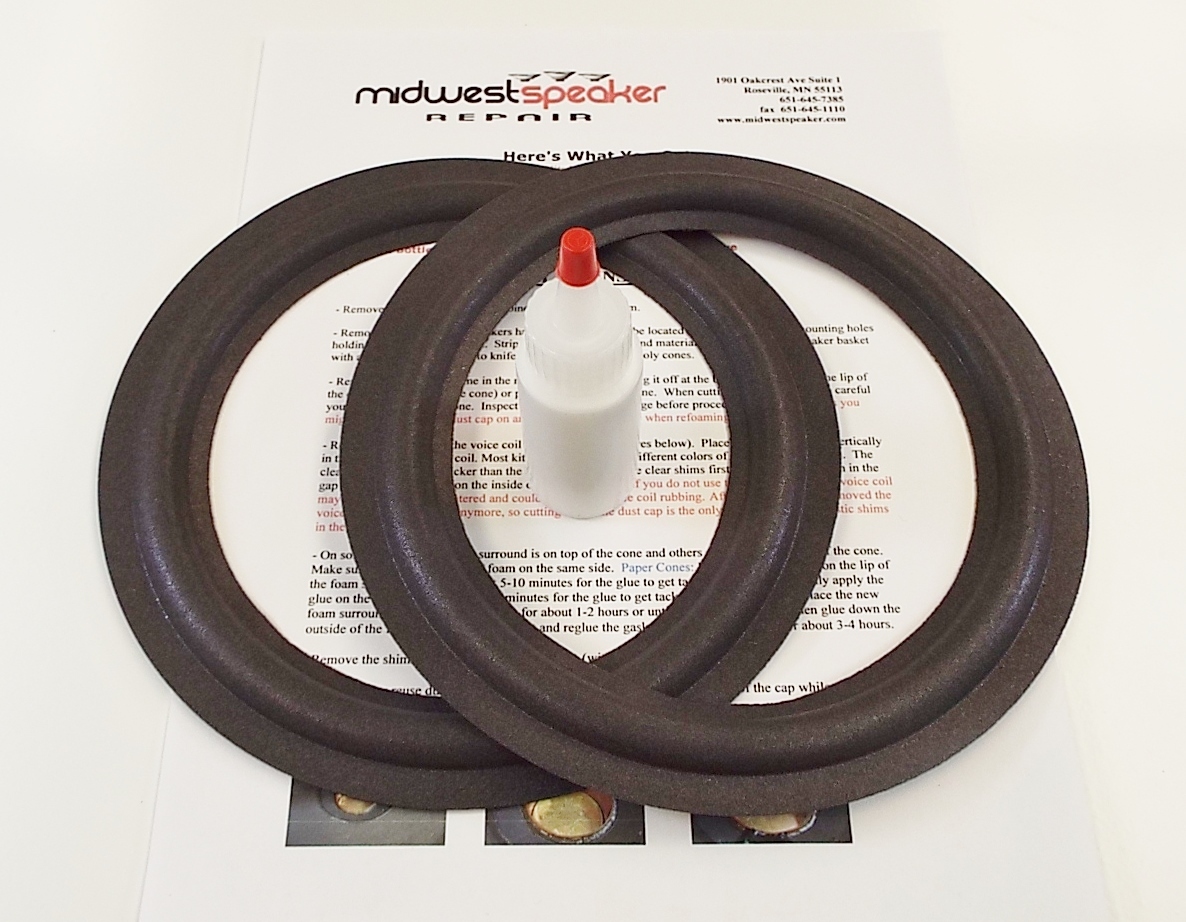
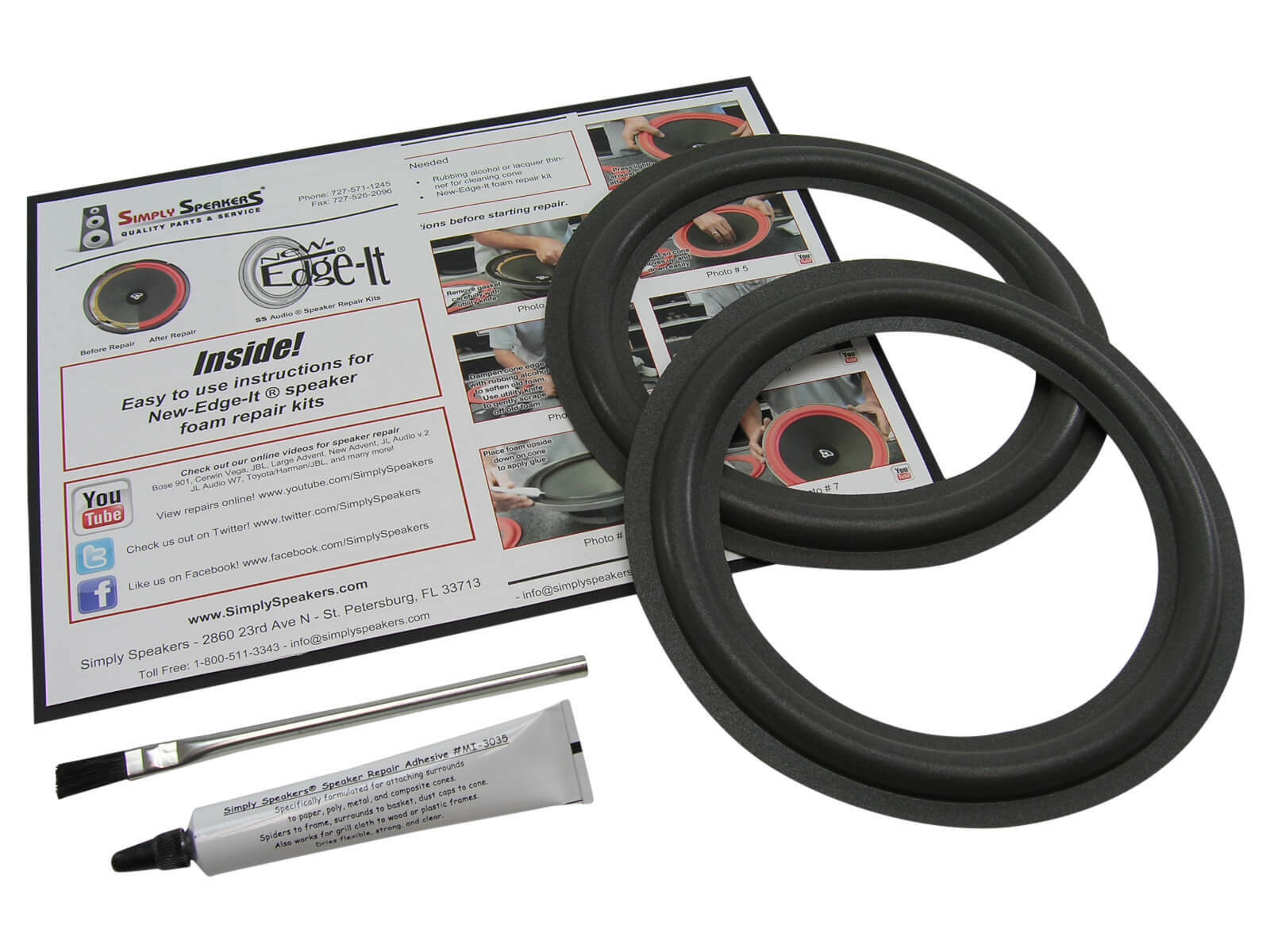
- Woofer Surrounds: The foam surrounds on the 12-inch woofer may have deteriorated. Re-foaming or full reconing is a common restoration step.
Owners are advised to keep the speakers away from high humidity and direct sunlight. Due to their age, original DQ-12s should be auditioned carefully before purchase, and servicing budgeted for if needed.
Current Market Value and Collectibility
The Dahlquist DQ-12 is a highly collectible piece of audio history. In good working condition, a pair can fetch $2,500 to $4,500 on the secondary market, with fully restored examples commanding even higher prices. Factors influencing value include originality, condition of drivers, cabinet finish, and service history.
They are particularly sought after by vintage audio enthusiasts, time-alignment aficionados, and collectors of American-made hi-fi gear. While not as widely known as some contemporaries like the AR-3a or Klipschorns, the DQ-12 holds a special place among those who value engineering integrity and sonic purity.
Conclusion: A Legacy of Innovation
The Dahlquist DQ-12 stands as a testament to what happens when engineering precision meets audiophile passion. It was never a mass-market product, but its influence echoes through modern speaker design—time alignment is now a standard consideration in high-end loudspeakers, and ribbon tweeters have become more common.
For those lucky enough to own or audition a pair, the DQ-12 offers more than sound—it offers a window into the soul of a recording, delivered with clarity, coherence, and emotional truth. In an age of digital processing and synthetic sound, the DQ-12 remains a refreshing reminder of what analog fidelity can achieve.
If you encounter a pair in good condition, consider it not just a purchase, but an investment in audio history. The Dahlquist DQ-12 isn’t just a speaker—it’s a milestone in the evolution of high-fidelity sound.
eBay Listings

As an eBay Partner, we earn from qualifying purchases. This helps support our independent vintage technology research.
Related Models
- Dahlquist ALS-3 (1978)
- Dahlquist DQ-20I (1978)
- Dahlquist DQ-6C (1978)
- Dahlquist DQ-10 (1974)
- Dahlquist DQ-10A (1978)
- Akai AM-2850 (1975)
- Akai AP-206 (1975)
- Nakamichi BX-1 (1985)
- Acoustic Research research-ar-17 (1978)
- Acoustic Research AR-19 (1994)