Celestion DL4 (1978)
The Celestion DL4 is a compact two-way bookshelf loudspeaker introduced by British audio manufacturer Celestion in 1978. Though not as widely documented as some of its contemporaries, the DL4 has earned a quiet reputation among vintage audio enthusiasts for its refined sonic character, solid construction, and elegant design. As part of Celestion’s effort to expand beyond professional monitor drivers and into the domestic hi-fi market, the DL4 represents an important chapter in the company’s history.
Celestion, founded in 1924, was originally known for producing high-quality speaker drivers used in public address systems and musical instrument amplification. By the 1970s, the company began leveraging its expertise in driver design to enter the consumer loudspeaker market. The DL series, which included models like the DL4, DL7, and DL10, was one of the first full-range speaker lines marketed directly to audiophiles. These speakers were designed to deliver accurate sound reproduction with minimal coloration, a departure from the often boomy or overly bright characteristics of many budget speakers of the era.
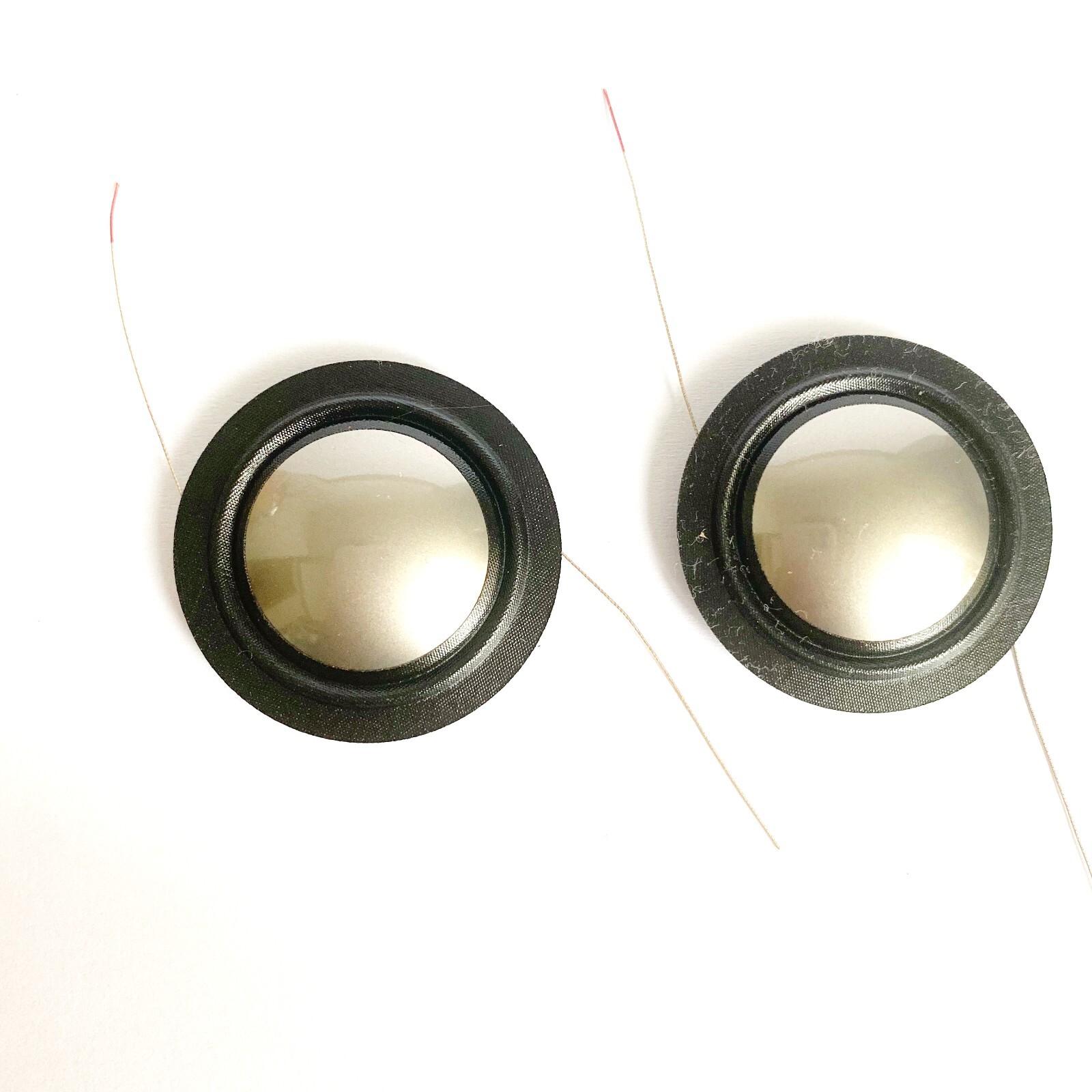
The DL4 is a relatively small bookshelf speaker, measuring approximately 320 mm (H) × 190 mm (W) × 160 mm (D), making it ideal for smaller listening rooms or desktop setups. It features a two-way driver configuration consisting of a 165 mm (6.5 inch) polypropylene cone bass-midrange driver and a 19 mm (0.75 inch) textile dome tweeter. The bass driver is notable for its treated paper cone with a rubber surround, providing good excursion control and reduced distortion at moderate volumes. The tweeter is mounted in a shallow waveguide on the front baffle, which helps to improve dispersion and create a wider soundstage.
One of the DL4’s standout features is its crossover network. Designed with a 12 dB/octave slope, the crossover is located at approximately 3.5 kHz, allowing each driver to operate within its optimal frequency range. The components used—typically polypropylene capacitors and air-core inductors—were of higher quality than those found in many similarly priced speakers of the time. This attention to detail contributes to the speaker’s coherent and balanced sound signature.
Frequency response for the DL4 is rated from 65 Hz to 20 kHz (±3 dB), which is impressive for a speaker of its size. While it does not produce deep bass on its own, it maintains clarity and definition in the lower midrange, avoiding the common pitfall of “one-note” bass found in many small enclosures. The enclosure is constructed from medium-density fiberboard (MDF) with internal bracing to reduce cabinet resonance. The front baffle is slightly curved, not only for aesthetic appeal but also to minimize diffraction effects that can color the sound.
The DL4’s sensitivity is rated at 87 dB (2.83V/1m), which places it in the moderate range. This means it performs best when paired with low-to-mid-powered tube amplifiers or solid-state receivers that can provide clean, detailed drive without overpowering the speakers. It is recommended to use amplifiers in the 15–50 watt range for optimal performance. Due to its 8-ohm nominal impedance, the DL4 presents a stable load and is generally easy to drive, although it benefits from a well-matched amplifier to fully realize its potential.
Aesthetically, the DL4 reflects the design sensibilities of the late 1970s. The cabinet is typically finished in a real wood veneer—common options include walnut, rosewood, and teak—giving it a warm, classic appearance that blends well with vintage audio gear. The front is covered with a removable black fabric grille, held in place by hidden magnets, which was a relatively advanced feature at the time. The rear panel includes a single set of recessed binding posts, allowing for secure speaker cable connections.
In terms of sound, the DL4 is often described as “musical” and “refined.” Its midrange is particularly praised for its natural timbre, making it excellent for vocal and acoustic instrument reproduction. The tweeter delivers smooth highs without harshness, even at higher volumes, and the overall balance leans toward a slightly warm presentation that avoids clinical sterility. While not a high-efficiency speaker, it images well and creates a surprisingly wide and deep soundstage for its size.
Despite its strengths, the DL4 was never a mass-market success. Celestion’s primary reputation remained in professional audio, and the company did not invest heavily in marketing its domestic speaker lines. As a result, the DL4 and its siblings remained somewhat niche, produced in limited numbers and often overshadowed by competitors like Bowers & Wilkins, KEF, and Tannoy. Production of the DL4 ceased in the mid-1980s as Celestion shifted focus back to OEM driver manufacturing.
Today, the Celestion DL4 is a sought-after vintage speaker among collectors and audiophiles looking for a compact, well-engineered loudspeaker with classic British voicing. Original units in good condition can be found on the secondhand market, though care should be taken to inspect the condition of the drivers and crossover components. Over time, the rubber surrounds on the bass drivers may dry out or crack, and capacitors in the crossover can degrade, necessitating restoration for optimal performance.
For those restoring a DL4, replacement parts are limited but not impossible to source. Some enthusiasts have successfully refoamed the woofers or replaced the tweeters with modern equivalents while preserving the original character. Upgrading internal wiring and using higher-quality binding posts can also enhance performance without compromising authenticity.
In summary, the Celestion DL4 is a well-crafted, understated loudspeaker that exemplifies British hi-fi engineering of the late 1970s. While not as famous as some of its contemporaries, it delivers a listening experience that remains engaging and musically satisfying. Its combination of solid build quality, thoughtful design, and balanced sound makes it a worthy addition to any vintage audio setup. Whether used as part of a classic stereo system or as a nearfield monitor, the DL4 continues to earn respect for its enduring audio performance and timeless design.
eBay Listings

As an eBay Partner, we earn from qualifying purchases. This helps support our independent vintage technology research.
Related Models
- Celestion COUNTY (1978)
- Celestion SL12SI (1985)
- Celestion 5000 (1975)
- Celestion 7000 (1978)
- Celestion BC1 (1975)
- Akai AM-2850 (1975)
- Akai AP-206 (1975)
- Nakamichi BX-1 (1985)
- Acoustic Research research-ar-17 (1978)
- Acoustic Research AR-19 (1994)