Celestion DITTON-66: The British Icon of Refined Sound
In the golden era of British hi-fi during the late 1970s, few loudspeakers captured the imagination of audiophiles quite like the Celestion DITTON-66. Though not as widely known as some of its contemporaries from Bowers & Wilkins or Linn, the DITTON-66 emerged as a cult classic—prized for its sophisticated engineering, articulate midrange, and elegant transmission line cabinet design. It stands today as a hallmark of British audio innovation and a sought-after gem among vintage speaker collectors and purists who value tonal accuracy and musicality over raw power.
Historical Context and Design Philosophy
Launched in 1977 by Celestion, a company with deep roots in professional audio and driver manufacturing, the DITTON-66 was developed under the guidance of engineer John Wright, who had previously worked with the BBC on studio monitor designs. The "DITTON" name was derived from the village of Ditton in Kent, where Celestion was based at the time—a subtle nod to its British heritage.
The DITTON-66 was conceived during a period when British loudspeaker design was undergoing a renaissance. Engineers were experimenting with alternative cabinet loading techniques beyond the traditional sealed and bass-reflex enclosures. The DITTON-66 embraced the transmission line (TL) principle, a design approach popularized by companies like IMF and TDL. Unlike bass reflex designs that use a port to enhance low-frequency output, transmission line speakers use a long, damped internal pathway to absorb and reinforce bass frequencies, resulting in tighter, more natural low-end response with reduced distortion.
Celestion’s goal with the DITTON-66 was not to create a speaker with overwhelming bass or extreme efficiency, but rather one that delivered exceptional clarity, neutrality, and time coherence—qualities essential for critical listening and accurate sound reproduction.
Technical Specifications
| Specification | Detail |
| Model | DITTON-66 |
| Manufacturer | Celestion Ltd., UK |
| Year Introduced | 1977 |
| Type | 2-way, transmission line loudspeaker |
| Driver Complement | 1 x 25mm (1") soft dome tweeter 1 x 165mm (6.5") woven Kevlar cone mid/bass driver |
| Frequency Response | 45 Hz – 20 kHz (±3 dB) |
| Sensitivity | 86 dB (1W/1m) |
| Nominal Impedance | 8 ohms (compatible with most tube and solid-state amps) |
| Recommended Amp Power | 25–100 watts |
| Crossover Frequency | 2.8 kHz |
| Cabinet Type | Transmission line with front-firing port at base |
| Dimensions (H×W×D) | 94 cm × 20 cm × 28 cm (37" × 7.9" × 11") |
| Weight | 18 kg (40 lbs) per speaker |
| Finish Options | Walnut, rosewood, and black vinyl wrap |
Sound Characteristics and Performance
The DITTON-66 is often described as having a "BBC monitor" character—a reference to the revered LS3/5A studio monitors. Its sound signature is balanced, detailed, and remarkably transparent, with a midrange that is both lush and precise. Vocals and acoustic instruments are rendered with startling realism, making the DITTON-66 a favorite for jazz, classical, and vocal-centric recordings.
The Kevlar-reinforced bass driver provides excellent damping and low coloration, while the soft dome tweeter delivers smooth, non-fatiguing highs. The transmission line cabinet extends the bass response down to 45 Hz, offering surprising weight and authority for a speaker of its size. However, it’s not a "boomy" bass—it’s tight, articulate, and well-integrated, avoiding the overhang common in ported designs.
One of the DITTON-66’s standout qualities is its imaging and soundstage. The speakers produce a wide, stable stereo image with precise instrument placement. When properly positioned—ideally with some distance from rear walls and a slight toe-in—the DITTON-66 can create a three-dimensional listening experience that belies its age.
That said, the DITTON-66 is not a high-sensitivity speaker (86 dB), so it demands a capable amplifier to shine. It pairs especially well with high-quality tube amplifiers or musical solid-state designs from brands like Naim, Arcam, or early NAD. It does not respond well to underpowered or harsh-sounding electronics.
Notable Features and Innovations
- Transmission Line Cabinet: The heart of the DITTON-66’s design, this complex internal labyrinth absorbs rear wave energy and reinforces bass output, reducing resonance and phase distortion.
- Kevlar Cone Driver: At a time when polypropylene and paper were standard, Celestion’s use of woven Kevlar (similar to later Wharfedale and Tannoy designs) offered superior rigidity and damping.
- Point-to-Point Wiring and Quality Components: Internal crossovers used high-grade capacitors and air-core inductors, reflecting Celestion’s commitment to fidelity.
- Minimalist Aesthetic: The slim, upright profile and understated grilles give the DITTON-66 a timeless look that blends well with both vintage and modern interiors.
Common Issues and Maintenance
As with any vintage speaker, the DITTON-66 requires careful attention to maintain optimal performance:
- Aging Foam Surrounds: The original foam used on the bass driver can deteriorate over time, leading to flaking and loss of bass response. A foam re-coning by a specialist is often necessary.
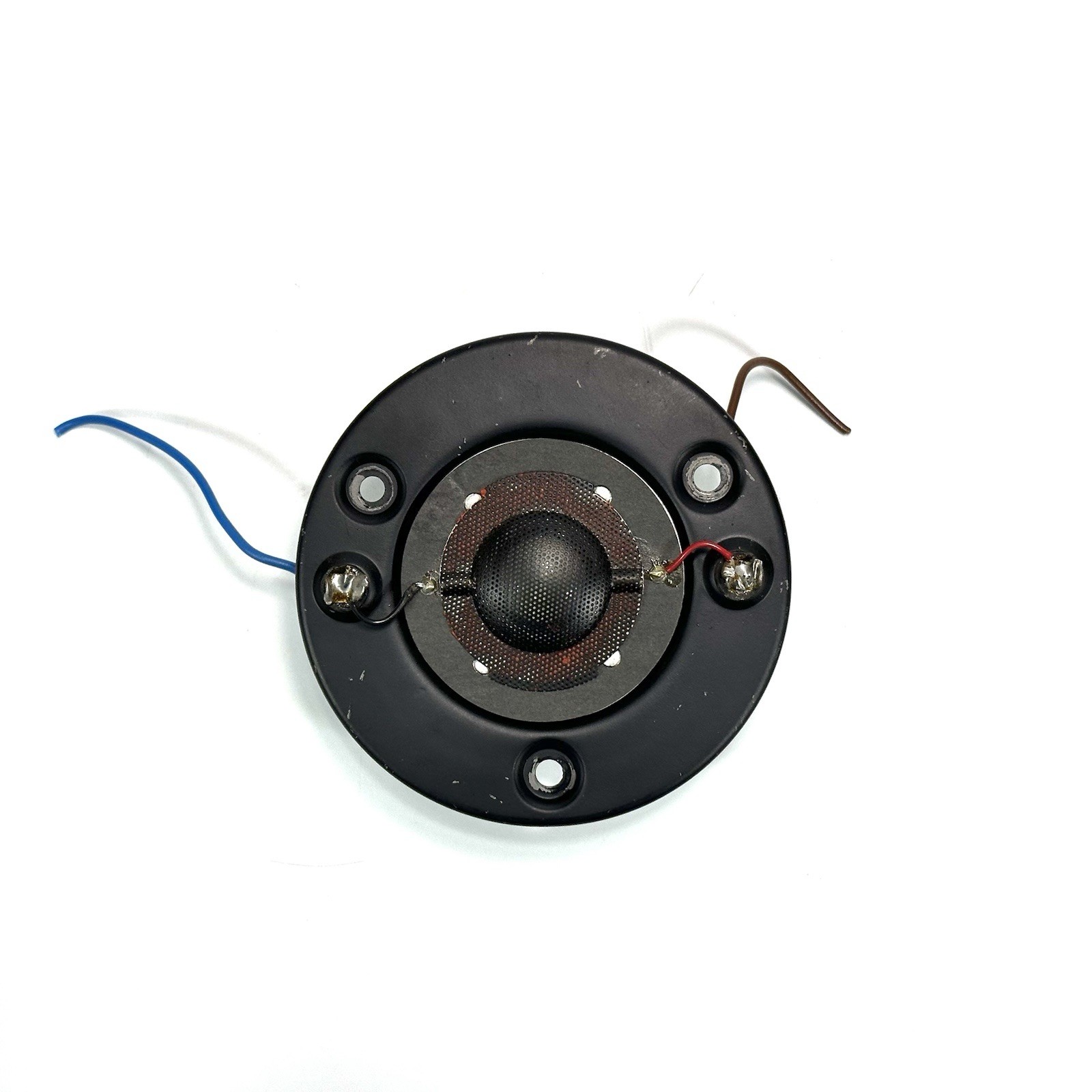
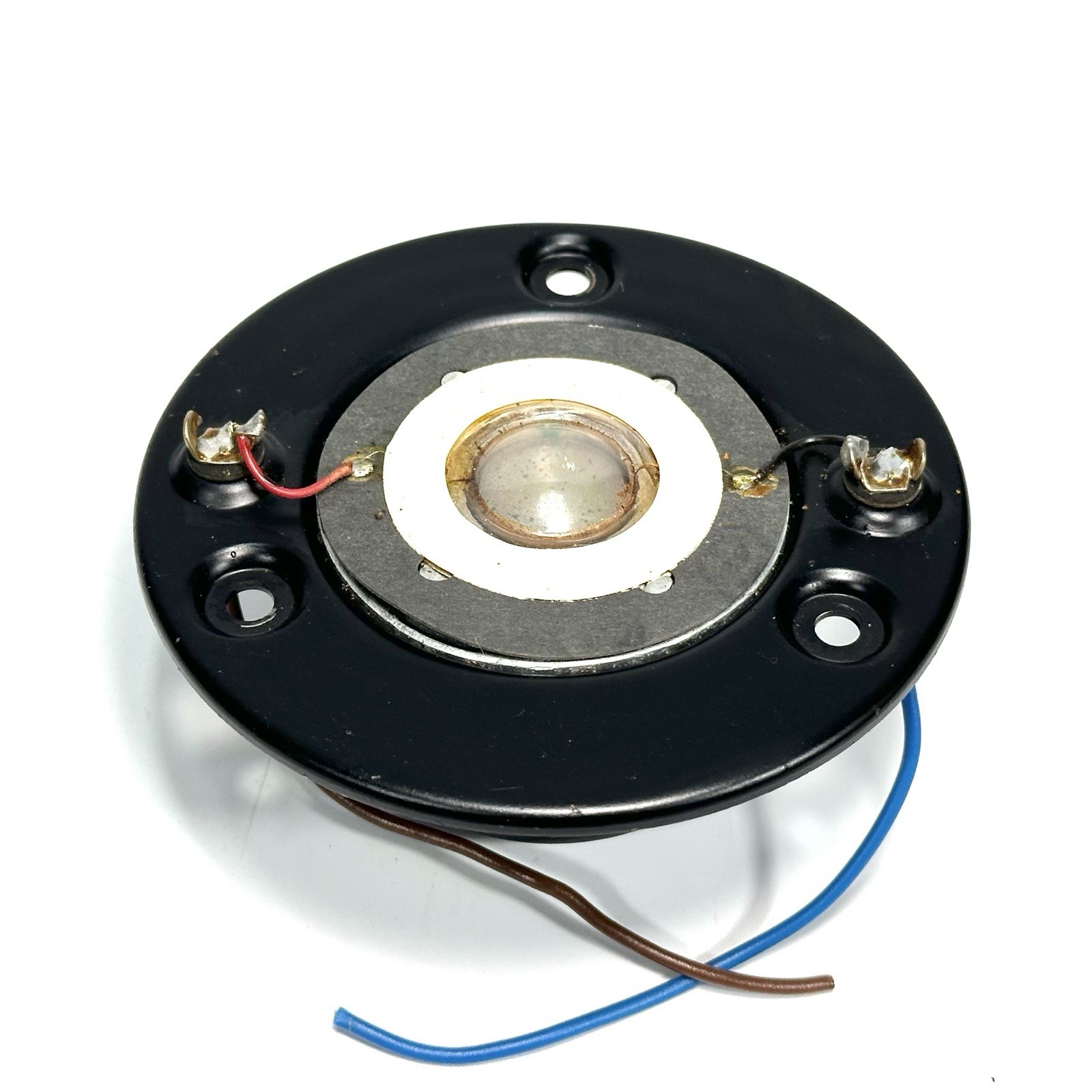
- Tweeter Degradation: While generally robust, the soft dome tweeters can suffer from oxidation or diaphragm fatigue. Some owners opt for careful refurbishment or replacement with modern equivalents.
- Crossover Components: Electrolytic capacitors in the crossover may dry out after 40+ years. A capacitor refresh can restore clarity and dynamics.
- Cabinet Integrity: Check for loose joints or damaged veneers, especially on walnut and rosewood finishes. The transmission line’s internal damping material may also need replenishing.
Fortunately, there is an active community of vintage speaker enthusiasts and restoration specialists who support the DITTON-66. Re-coning services and crossover upgrades are readily available in the UK and Europe.
Current Market Value and Collectibility
Today, the Celestion DITTON-66 enjoys strong collectibility among vintage audio aficionados. Well-maintained pairs in good cosmetic and sonic condition typically sell for $600–$1,200 USD, depending on finish, provenance, and restoration quality. Original walnut finishes are especially prized.
Its value has been buoyed by renewed interest in British transmission line speakers and the broader resurgence of vintage hi-fi. While not as ubiquitous as the LS3/5A, the DITTON-66 offers a larger, more dynamic sound in a relatively compact footprint—making it ideal for medium-sized listening rooms.
Conclusion and Legacy
The Celestion DITTON-66 is more than just a vintage speaker—it’s a statement of engineering integrity and musical purpose. Born from a tradition of British broadcast and studio monitor excellence, it delivers a listening experience that remains compelling decades later. Its combination of transmission line bass, Kevlar driver clarity, and refined tonal balance sets it apart from the crowd.
Though Celestion eventually shifted focus to professional audio and later revived as a guitar speaker brand, the DITTON-66 remains a high point in its consumer audio legacy. For those who appreciate transparency, coherence, and a touch of British reserve in their sound, the DITTON-66 is not just a relic—it’s a revelation.
If you encounter a well-cared-for pair, consider it not just a purchase, but an invitation to experience one of the most musically honest loudspeakers of the 1970s.
eBay Listings
As an eBay Partner, we earn from qualifying purchases. This helps support our independent vintage technology research.
Related Models
- Celestion COUNTY (1978)
- Celestion SL12SI (1985)
- Celestion 5000 (1975)
- Celestion 7000 (1978)
- Celestion BC1 (1975)
- Akai AM-2850 (1975)
- Akai AP-206 (1975)
- Nakamichi BX-1 (1985)
- Acoustic Research research-ar-17 (1978)
- Acoustic Research AR-19 (1994)