Celestion 7000: The British Bookshelf Speaker That Redefined Hi-Fi
In the late 1970s, British audio engineering was experiencing a golden era. Brands like Linn, Bowers & Wilkins, and KEF were pushing the boundaries of loudspeaker design, and Celestion—already legendary for its guitar speaker drivers—entered the hi-fi arena with a bold statement: the Celestion 7000. Though not as widely documented as some of its contemporaries, the Celestion 7000 carved out a niche as a high-efficiency, studio-monitor-inspired bookshelf speaker that brought professional-grade clarity into the home.
Launched in 1978, the Celestion 7000 was part of a broader movement to bridge the gap between studio monitoring and domestic listening. At a time when many consumer speakers emphasized warmth and "politeness," the 7000 stood apart with its revealing, transparent sound—offering audiophiles a rare glimpse into the true nature of their recordings. Though Celestion had built its reputation on guitar speakers used by rock legends, the 7000 demonstrated the company’s serious commitment to high-fidelity audio.
Technical Specifications
The Celestion 7000 was a compact two-way bookshelf speaker, but its engineering belied its modest size. It featured a unique combination of high sensitivity and low coloration, making it a favorite among listeners who valued detail and dynamics over bass extension.
| Specification | Detail |
| Model | Celestion 7000 |
| Year Introduced | 1978 |
| Type | 2-way passive bookshelf speaker |
| Driver Configuration | 1 x 7" bass-midrange, 1 x 1" soft dome tweeter |
| Frequency Response | 60 Hz – 20 kHz (±3 dB) |
| Sensitivity | 91 dB (1W/1m) |
| Nominal Impedance | 8 ohms (compatible with low-power amps) |
| Crossover Frequency | 3.5 kHz |
| Enclosure Type | Sealed (acoustic suspension) |
| Dimensions (HxWxD) | 38 cm × 23 cm × 20 cm (15" × 9" × 8") |
| Weight | 9.5 kg (21 lbs) per cabinet |
| Finish Options | Walnut vinyl, black ash, rosewood veneer |
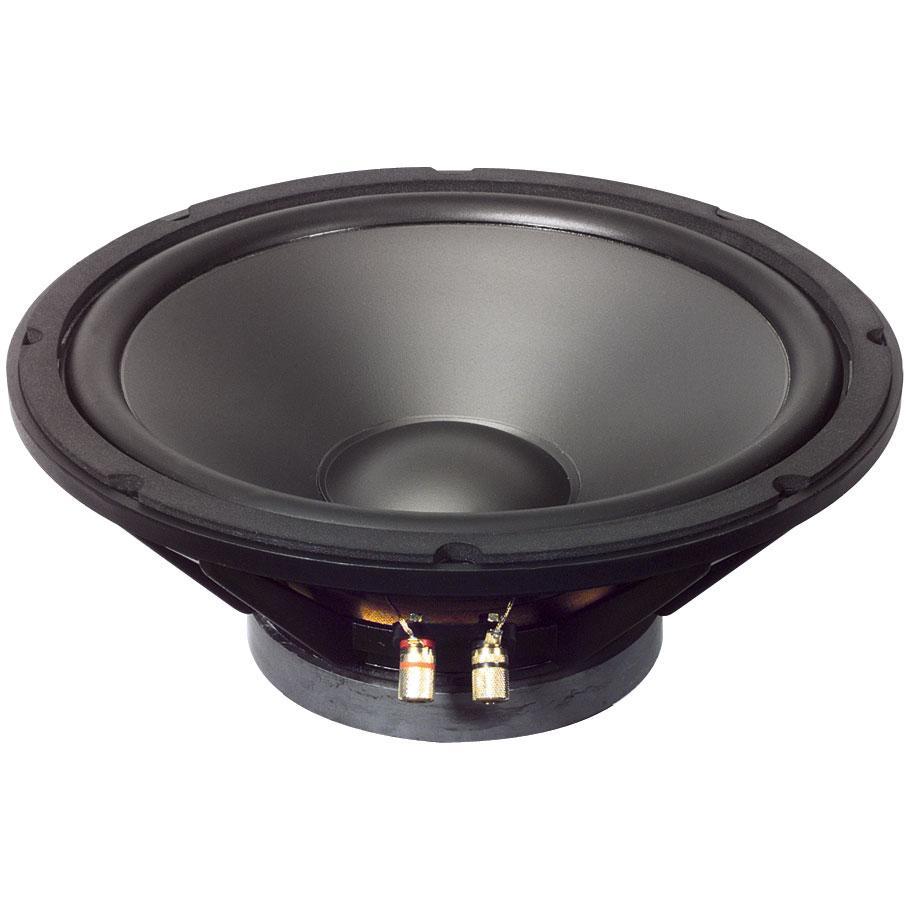
The 7-inch bass-mid driver was a custom-designed unit with a paper cone and rubber surround, optimized for low distortion and excellent transient response. The soft dome tweeter, relatively advanced for its time, delivered smooth high-frequency reproduction without the harshness that plagued some early dome designs. The crossover used high-quality components, including air-core inductors and metal-film capacitors, reflecting Celestion’s attention to signal integrity.
Sound Characteristics and Performance
The Celestion 7000 was not a speaker built for booming bass or room-filling volume. Instead, it excelled in clarity, imaging, and musical coherence. With a sensitivity of 91 dB, it was ideally suited to low-powered tube amplifiers—particularly popular British brands like Leak, Quad, and Naim—allowing even 10–20 watt amps to drive them effectively.
Tonally, the 7000 presented a neutral, slightly forward midrange that brought vocals and acoustic instruments to life. The treble was detailed without being aggressive, and the sealed cabinet design ensured tight, controlled bass down to around 60 Hz. While not a sub-bass powerhouse, the 7000’s bass was articulate and well-integrated, making it excellent for jazz, classical, and vocal recordings.
One of the speaker’s most praised qualities was its soundstage. The 7000 offered precise imaging and excellent depth, creating a three-dimensional listening experience that belied its bookshelf form factor. Listeners often remarked on how “real” instruments sounded when played through a well-set-up pair—particularly acoustic guitar, piano, and string quartets.
Notable Features and Innovations
The Celestion 7000 stood out for several reasons:
- Studio Monitor Heritage: Unlike many consumer speakers of the era, the 7000 was designed with input from professional audio engineers. Its flat frequency response and low coloration made it a favorite among recording enthusiasts and semi-pro studios.
- High Efficiency: At 91 dB, the 7000 could deliver dynamic, impactful sound even with modest amplification—making it a perfect match for the burgeoning tube amplifier revival of the late '70s and early '80s.
- Minimalist Crossover Design: The crossover used only first-order slopes (6 dB/octave), preserving phase coherence and reducing signal degradation. This contributed significantly to the speaker’s natural, lifelike tonality.
- British Craftsmanship: Housed in solid MDF cabinets with real wood veneers, the 7000 exuded quality. The build was robust, and the aesthetic—sleek, understated, and elegant—fit well in both modern and traditional living spaces.
Common Issues and Maintenance
As with any vintage speaker, the Celestion 7000 requires some care after decades of use. The most common issues include:
- Aging Foam Surrounds: The original rubber surrounds on the bass-mid drivers can dry out and disintegrate over time. Re-foaming or reconing is often necessary to restore full performance.
- Tweeter Degradation: While the soft dome tweeters were durable, some units may exhibit reduced high-frequency output due to oxidation or diaphragm fatigue. Replacement or refurbishment by a specialist is recommended.
- Crossover Component Drift: Capacitors in the crossover network may degrade, leading to tonal imbalances. Replacing electrolytic and film capacitors with modern equivalents can rejuvenate the speaker’s sound.
Fortunately, due to the 7000’s cult following, parts and expert restoration services are available through vintage audio specialists and online communities. Many owners report that a well-restored pair sounds as good as—or better than—new.
Current Market Value and Collectibility
The Celestion 7000 is not a mainstream collectible like a Linn Isobarik or a Quad ESL, but it holds a devoted following among British hi-fi enthusiasts and vintage speaker collectors. Pairs in good original condition typically sell for $400–$800, while fully restored models with upgraded components can fetch $1,000 or more in the right market.
Its value lies not in rarity alone, but in its sonic character and historical significance. As one of the first Celestion models to bring studio monitor philosophy into the home, the 7000 represents a pivotal moment in British audio history. It also appeals to fans of minimalist, high-efficiency systems—particularly those pairing vintage British speakers with classic tube amplifiers.
Conclusion and Legacy
The Celestion 7000 may not have achieved the commercial success of some of its rivals, but its influence on British loudspeaker design is undeniable. It helped establish Celestion as a serious player in the hi-fi world and paved the way for later models like the SL6 and the Titon series.
Today, the 7000 is remembered as a speaker of integrity and honesty—a tool for hearing music as it was recorded, without embellishment. For the discerning listener, a pair of restored Celestion 7000s offers a window into the golden age of British audio: a time when engineering excellence, musicality, and craftsmanship came together in perfect harmony.
If you’re searching for a vintage speaker that combines transparency, charm, and historical significance, the Celestion 7000 deserves a place on your shortlist. It’s not just a relic—it’s a revelation.
eBay Listings
As an eBay Partner, we earn from qualifying purchases. This helps support our independent vintage technology research.
Related Models
- Celestion COUNTY (1978)
- Celestion SL12SI (1985)
- Celestion 5000 (1975)
- Celestion BC1 (1975)
- Celestion BC3 (1970)
- Akai AM-2850 (1975)
- Akai AP-206 (1975)
- Nakamichi BX-1 (1985)
- Acoustic Research research-ar-17 (1978)
- Acoustic Research AR-19 (1994)