Braun SK4: The Iconic "Snow White's Coffin" Turntable
Few pieces of audio equipment have achieved the status of a design icon quite like the Braun SK4, a record player introduced in 1956 that forever changed the way we think about the intersection of form, function, and technology in home audio. Designed by the legendary Dieter Rams and architect Hans Gugelot, the SK4 is more than just a turntable—it’s a milestone in industrial design, a symbol of postwar modernism, and a testament to the philosophy that beauty lies in simplicity.
A Revolution in Design
When the Braun SK4 was unveiled, it stood in stark contrast to the ornate, wood-cased phonographs that dominated living rooms in the 1950s. While most audio equipment of the era aimed to blend into traditional interiors with walnut veneers and brass accents, the SK4 boldly rejected the past. Its clean lines, minimalist aesthetic, and transparent acrylic dust cover gave it a futuristic, almost clinical appearance—so much so that the German press quickly dubbed it "Schneewittchensarg"—"Snow White’s Coffin."
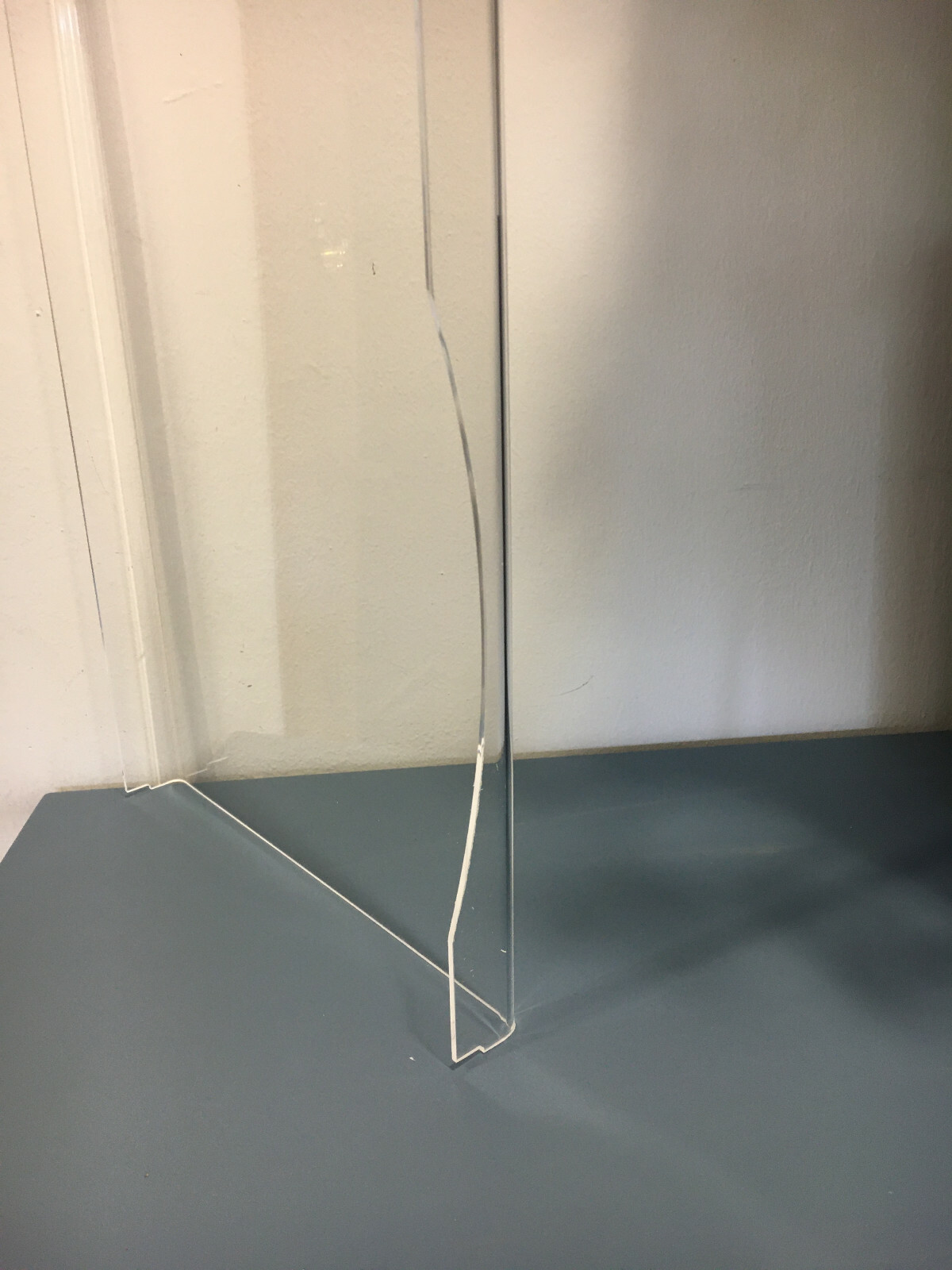
Though the nickname was initially meant as a jab at its stark, coffin-like look, it eventually became a badge of honor, cementing the SK4’s place in design history. The transparent lid, made of Plexiglas, allowed full visibility of the turntable mechanism, turning the act of playing a record into a visual experience. This transparency wasn’t just aesthetic—it reflected Braun’s commitment to honesty in design, where every component served a purpose and nothing was hidden for decorative effect.
Technical Specifications
| Feature | Specification |
| Model | SK4 |
| Manufacturer | Braun |
| Year Introduced | 1956 |
| Type | Belt-drive turntable with integrated amplifier |
| Platter | 30 cm aluminum platter |
| Motor | Synchronous AC motor |
| Speeds | 33⅓, 45, and 78 RPM |
| Tonearm | Pivoted straight tonearm with magnetic cartridge |
| Cartridge | Standard magnetic cartridge (often replaced today) |
| Amplifier Output | ~5 watts (integrated amplifier in some variants) |
| Inputs/Outputs | Phono output, connection to external speakers |
| Power Supply | Mains-powered (220V, European standard) |
| Dimensions (W×H×D) | 43 × 13 × 35 cm (16.9 × 5.1 × 13.8 in) |
| Weight | ~8 kg (17.6 lbs) |
| Notable Designers | Dieter Rams, Hans Gugelot |
The SK4 was engineered for precision. It featured a high-torque synchronous motor that ensured stable rotation, minimizing wow and flutter. The belt-drive system isolated the platter from motor vibrations, a relatively advanced feature for its time. The straight aluminum tonearm, while not as refined as later tangential designs, offered reliable tracking with the magnetic cartridge of the era.
Later versions, such as the SK4a and SK4b, introduced minor refinements—improved damping, better speed stability, and updated amplifier circuits—but the core design remained untouched. Some models were sold as part of a system, paired with the L 450 or L 200 speakers, creating a complete, minimalist hi-fi setup.
Sound Characteristics and Performance
By modern standards, the SK4’s audio performance is modest. The integrated amplifier delivers around 5 watts, suitable for small rooms but lacking the dynamics and bass response expected today. The original magnetic cartridge, while adequate for the time, doesn’t match the resolution of modern moving magnet or moving coil cartridges.
However, in its historical context, the SK4 offered clean, clear sound with minimal distortion—especially impressive given its compact size and elegant form. When paired with high-quality external amplification and speakers (a common upgrade path even in the 1960s), the turntable itself proved capable of delivering a surprisingly musical and balanced presentation.
Today, audiophiles who use original SK4s often replace the stock cartridge with a modern equivalent, recalibrate the tonearm, and use external phono preamps to extract the best possible sound. Even then, the SK4 is less about sonic supremacy and more about the ritual of listening—a deliberate, focused engagement with music that its design encourages.
Notable Features and Design Innovations
The SK4’s innovations were primarily aesthetic and ergonomic, but no less impactful:
- Transparent Acrylic Lid: A radical departure from tradition, it emphasized the machine-like precision of the turntable and invited users to appreciate its mechanics.
- Minimalist Control Layout: Two simple knobs for speed selection and volume (on amplifier-equipped models), arranged with mathematical precision.
- All-Metal Chassis: The silver-painted steel body provided rigidity and durability, reinforcing the industrial design ethos.
- Modular Integration: The SK4 was designed to work seamlessly with other Braun audio components, reflecting an early vision of the modular hi-fi system.
Dieter Rams’ design principles—later formalized as the "Ten Principles of Good Design"—are all evident in the SK4: innovation, usefulness, aesthetics, clarity, and environmental responsibility. It was not merely a product; it was a statement about how technology should serve people without dominating their lives.
Common Issues and Maintenance
Due to its age, surviving SK4 units require careful attention:
- Belt Degradation: The original rubber belts often perish over time. Replacement with modern silicone belts is essential for proper speed stability.
- Capacitor Aging: In models with integrated amplifiers, electrolytic capacitors may need replacement to prevent hum or distortion.
- Tonearm Stiffness: The pivot mechanism can become stiff or noisy; gentle cleaning and lubrication are recommended.
- Plexiglas Yellowing or Cracking: UV exposure can degrade the acrylic lid. Polishing kits can restore clarity, but cracked lids are difficult to replace authentically.
- Cartridge Wear: Original cartridges are long past their lifespan. Upgrading to a modern MM cartridge improves sound and reduces record wear.
Restoration should respect the original design. Purists avoid painting over the chassis or adding modern digital outputs, preserving the SK4’s historical integrity.
Current Market Value and Collectibility
The Braun SK4 is highly sought after—not primarily as a high-fidelity component, but as a design artifact. Original, fully functional units in good condition can fetch €2,000 to €5,000 at auction or through specialty vintage design dealers. Rare variants, such as those with original packaging or matching speaker systems, command even higher prices.
Its value lies in its provenance. As one of Dieter Rams’ earliest major works, the SK4 represents the genesis of a design philosophy that would influence generations—from Apple products to modern furniture. Museums like the Museum of Modern Art (MoMA) in New York include the SK4 in their permanent collections.
Collectors should be wary of reproductions or heavily modified units. Authenticity is key: original badges, correct screws, and factory finishes significantly impact value.
Legacy and Conclusion
The Braun SK4 is more than a vintage turntable—it is a landmark in the history of design. It challenged conventions, redefined the aesthetics of consumer electronics, and laid the groundwork for the minimalist, user-centered approach that defines much of today’s technology.
While it may not compete with modern turntables in terms of sonic performance, the SK4 continues to inspire. Its clean lines, honest materials, and functional clarity resonate with audiophiles, designers, and collectors alike. In an age of cluttered interfaces and disposable gadgets, the SK4 stands as a quiet reminder that good design is timeless.
Owning an SK4 is not just about playing vinyl—it’s about owning a piece of design history, a machine that bridges the worlds of art, engineering, and everyday life. As Dieter Rams once said, "Less, but better." The Braun SK4 is the perfect embodiment of that ideal.
eBay Listings

As an eBay Partner, we earn from qualifying purchases. This helps support our independent vintage technology research.
Related Models
- Braun Atelier 2 (1965)
- Braun CSV-1000 (1965)
- Braun CSV-510 (1966)
- Braun PCS-4 (1965)
- Braun PCS-45 (1965)
- Luxman PD-272 (1983)
- Garrard 2025tc (1968)
- Onkyo CP-1010 (1976)
- Pioneer PL-15R (1975)
- Pioneer PL-250 (1979)