Braun ATELIER-3: The Pinnacle of Modular Audio Design
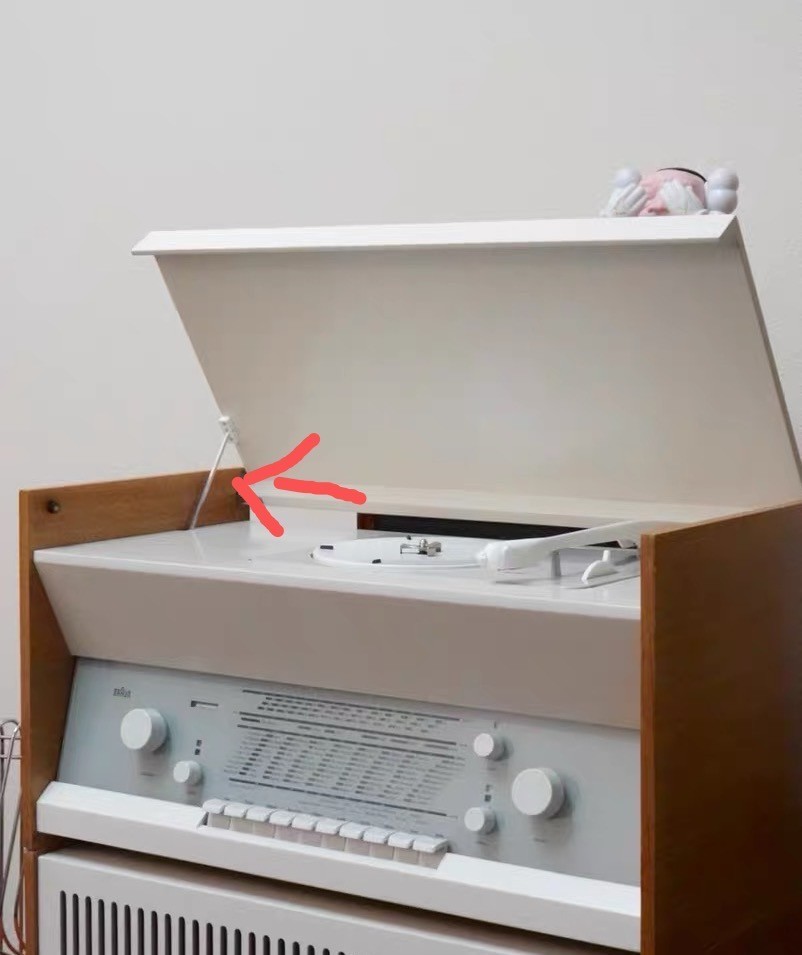
In the mid-1960s, German design house Braun redefined what high-fidelity audio could look like—not just in sound, but in form, function, and philosophy. The Braun ATELIER-3, introduced in 1965, stands as one of the most iconic and visionary audio systems of its era. More than just a collection of components, the ATELIER-3 was a complete modular ecosystem conceived under the meticulous direction of design legend Dieter Rams. It represented a radical departure from the ornate, wood-clad stereos of the time, embracing a minimalist, industrial aesthetic that prioritized clarity, usability, and timeless elegance.
Unlike conventional receivers or amplifiers, the ATELIER-3 was not a single unit but a modular wall-mounted audio system, designed to be integrated into the living space as a piece of functional art. It reflected Braun’s broader philosophy—“less, but better”—and became a benchmark for modernist design in consumer electronics.
Historical Context and Design Philosophy
The ATELIER series emerged during a golden age of industrial design, when companies like Braun, Bang & Olufsen, and Philips began treating electronics not merely as appliances, but as design objects. Dieter Rams, then head of design at Braun, sought to eliminate visual noise and focus on essential functions. The ATELIER-3 was the culmination of this vision—an audio system that disappeared into the architecture while delivering high-quality sound.
Launched in 1965, the ATELIER-3 was part of a broader modular concept that included the ATELIER-1 and ATELIER-2. Each component was designed to be mounted on a sleek aluminum rail system, allowing users to customize their setup with turntables, radios, tape recorders, amplifiers, and loudspeakers—all unified by a consistent design language of white enamel, aluminum, and black control panels.
This system was never intended for mass-market appeal. Instead, it targeted design-conscious audiophiles and architects who valued integration, precision, and aesthetic harmony. As such, the ATELIER-3 remains one of the rarest and most collectible Braun audio systems ever produced.
Technical Specifications
The ATELIER-3 was not a single device but a modular system composed of interchangeable components. Below are the key elements typically included in a full ATELIER-3 configuration:
| Component | Model Number | Function | Key Features |
| Control Unit | T 1000 CS | Central amplifier and preamp | 20W RMS per channel, tone controls, input selector |
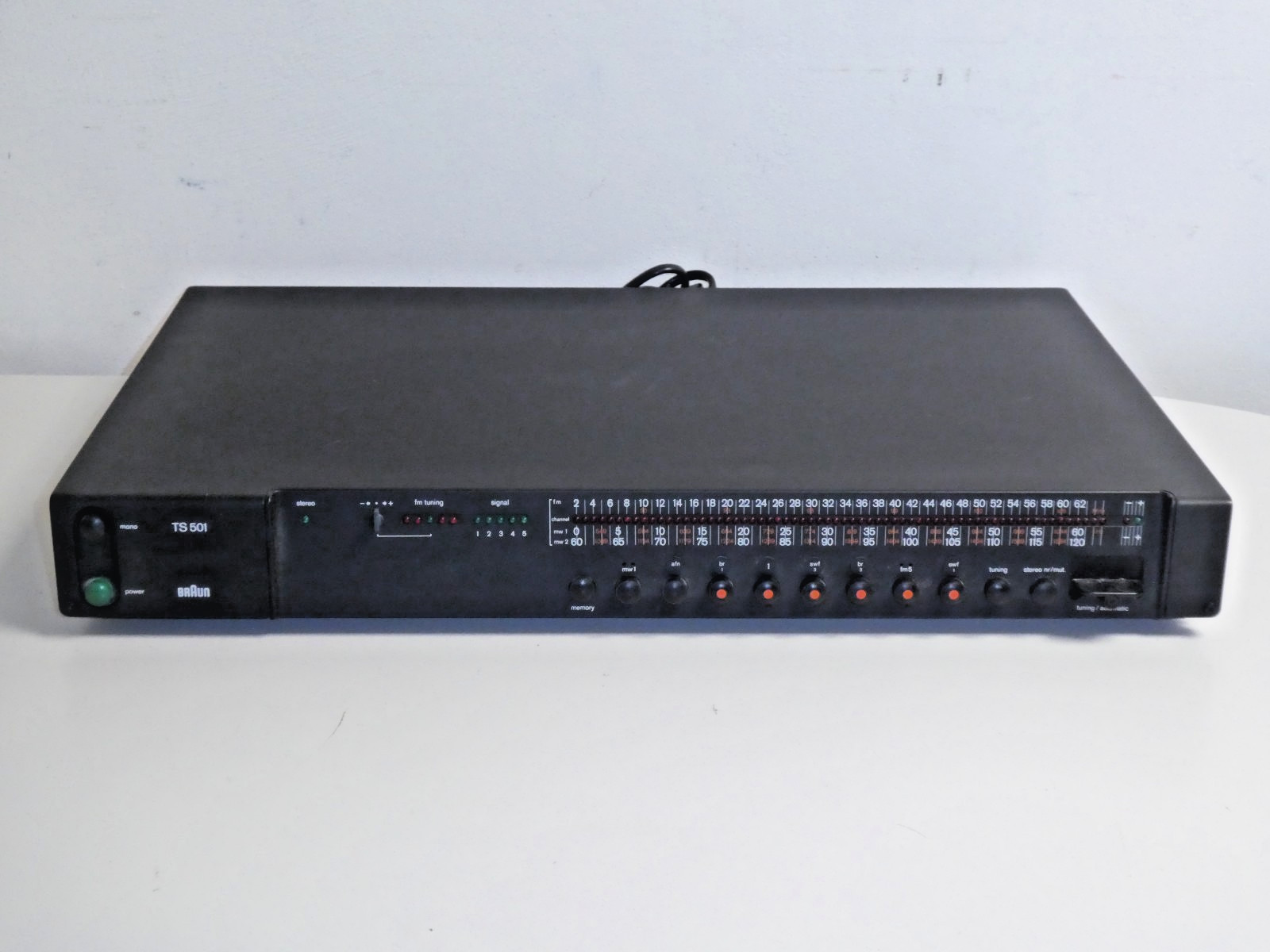
| Tuner | T 1000 R | FM/MW radio receiver | Digital tuning display (for era), high sensitivity |
| Tape Recorder | TG 60 | Open-reel tape deck | 3¾ ips, full-track mono, professional-grade transport |
| Turntable | PS 1000 | Belt-drive record player | Adjustable speed, low wow & flutter, magnetic pickup |
| Loudspeakers | L 450 | Wall-mounted speakers | 2-way design, aluminum grilles, 50Hz–18kHz response |
| Mounting System | Wandanlage | Aluminum rail and brackets | Tool-free installation, modular expansion |
All components shared a uniform design: white powder-coated steel or aluminum casings, minimalist control layouts, and precise rotary knobs with tactile feedback. The system could be expanded vertically or horizontally, adapting to the user’s needs and space.
Power was distributed through the rail system, eliminating cluttered cords. Inputs and outputs were standardized, allowing seamless integration between modules. This level of modularity was revolutionary in the 1960s and foreshadowed modern smart home systems.
Sound Characteristics and Performance
While the ATELIER-3 was celebrated for its design, it was no mere showpiece. The audio performance was remarkably advanced for its time. The T 1000 CS amplifier delivered 20 watts per channel into 8 ohms with low distortion, providing ample power for the efficient L 450 speakers. These speakers, designed specifically for the system, featured a 12cm mid-bass driver and a small dome tweeter, offering a balanced, clear sound with surprising depth given their compact size.
The PS 1000 turntable was a standout, featuring a massive plinth, precision bearing, and belt drive—elements that would later influence high-end turntable design for decades. Its low resonance and stable speed ensured excellent tracking and musicality.
The TG 60 tape recorder, though mono, captured audio with professional fidelity, making it ideal for archiving records or recording broadcasts. Combined with the T 1000 R tuner, which offered excellent FM reception, the ATELIER-3 provided a complete, high-quality listening experience across multiple formats.
Overall, the sound was clean, neutral, and uncolored—reflecting Rams’ belief that technology should serve the content, not overshadow it.
Notable Features and Innovations
The ATELIER-3 was groundbreaking in several ways:
- Modular Wall Integration: The rail-based mounting system allowed the entire audio setup to become part of the room’s architecture, a concept far ahead of its time.
- Design Consistency: Every component shared the same visual language—white, aluminum, and black—creating a unified aesthetic rarely seen in consumer electronics.
- User-Centered Controls: Knobs and switches were arranged logically, with clear labeling and tactile feedback, embodying Rams’ “good design is honest” principle.
- Hidden Engineering: Internal wiring and power distribution were concealed within the rail, reducing visual clutter and enhancing safety.
- Expandability: Users could start with a basic setup and add components over time, making it both flexible and future-proof.
These innovations influenced generations of product designers and can be seen echoed in modern systems from Apple to Bang & Olufsen.
Common Issues and Maintenance
Due to its age and rarity, surviving ATELIER-3 systems require careful maintenance:
- Capacitor Aging: Electrolytic capacitors in the amplifier and tuner may need replacement to restore performance and prevent failure.
- Tape Head Alignment: The TG 60’s tape head should be cleaned and demagnetized regularly; misalignment can degrade sound quality.
- Belt Replacement: The PS 1000 turntable uses rubber belts that degrade over time and should be replaced with period-correct materials.
- Corrosion on Rails: The aluminum mounting system can oxidize; gentle cleaning with a non-abrasive polish helps preserve its finish.
- Speaker Foam: The L 450 speakers may have deteriorated foam surrounds; reconing or foam replacement is recommended.
Because original parts are scarce, collectors often rely on specialist restorers familiar with vintage Braun equipment. Documentation is limited, but schematics for individual components (like the T 1000 series) are available through vintage audio archives.
Current Market Value and Collectibility
The Braun ATELIER-3 is one of the most sought-after vintage audio systems among design collectors. Complete, original setups in good condition can command $8,000 to $15,000 or more at auction, especially if fully functional and retaining all original components and rails.
Even individual pieces—like the PS 1000 turntable or L 450 speakers—fetch premium prices. The system’s association with Dieter Rams and its appearance in major design museums (including MoMA in New York) have cemented its status as a design icon.
Rarity is a key factor: few ATELIER-3 systems were ever produced, and fewer still survive intact. Most appear in private collections or high-end design galleries. When one surfaces on the market, it often attracts attention from both audiophiles and design historians.
Conclusion and Legacy
The Braun ATELIER-3 is more than a vintage audio system—it is a manifesto in metal and sound. It embodies Dieter Rams’ ten principles of good design: innovative, useful, aesthetic, understandable, unobtrusive, honest, long-lasting, thorough, environmentally friendly, and as little design as possible.
Though it never achieved commercial success on a large scale, its influence is immeasurable. It inspired future modular systems, shaped the aesthetics of modern electronics, and remains a touchstone for designers and audiophiles alike.
Today, the ATELIER-3 is celebrated not just for how it sounds, but for how it redefined what audio equipment could be: not a gadget, but a harmonious part of everyday life. For collectors, it represents the perfect fusion of form and function—a rare achievement in any era.
eBay Listings


As an eBay Partner, we earn from qualifying purchases. This helps support our independent vintage technology research.
Related Models
- Braun L-810 (1965)
- Braun ATELIER-1-81 (1965)
- Braun ATELIER-1 (1965)
- Braun AUDIO-1 (1965)
- Braun AUDIO-2 (1965)
- Akai AM-2850 (1975)
- Akai AP-206 (1975)
- Nakamichi BX-1 (1985)
- Acoustic Research research-ar-17 (1978)
- Acoustic Research AR-19 (1994)