Bose 601-SERIES-II: The Iconic Bipolar Speaker That Redefined Home Sound
In the early 1980s, Bose Corporation continued to push the boundaries of consumer audio with a philosophy centered on psychoacoustics and room-filling sound. Among their most recognizable and enduring designs from this era is the Bose 601-SERIES-II, a high-performance bookshelf or stand-mounted speaker introduced in 1982 as an evolution of the original 601. Designed for audiophiles and casual listeners alike, the 601-SERIES-II embodied Bose’s unique approach to speaker engineering—prioritizing spacious soundstaging, natural tonal balance, and seamless integration into living spaces over traditional audiophile metrics like flat frequency response on an anechoic plane.
Unlike conventional direct-radiating speakers of the time, the 601-SERIES-II employed a bipolar speaker array, a hallmark of Bose’s design language. This configuration used multiple drivers firing in opposing directions to create a diffuse, ambient soundfield that mimicked the natural reverberation of live music. The result was a speaker that didn’t just play music—it filled the room with it.
Technical Specifications
| Specification | Detail |
| Model | 601-SERIES-II |
| Year Introduced | 1982 |
| Type | Bipolar 3-way bookshelf speaker |
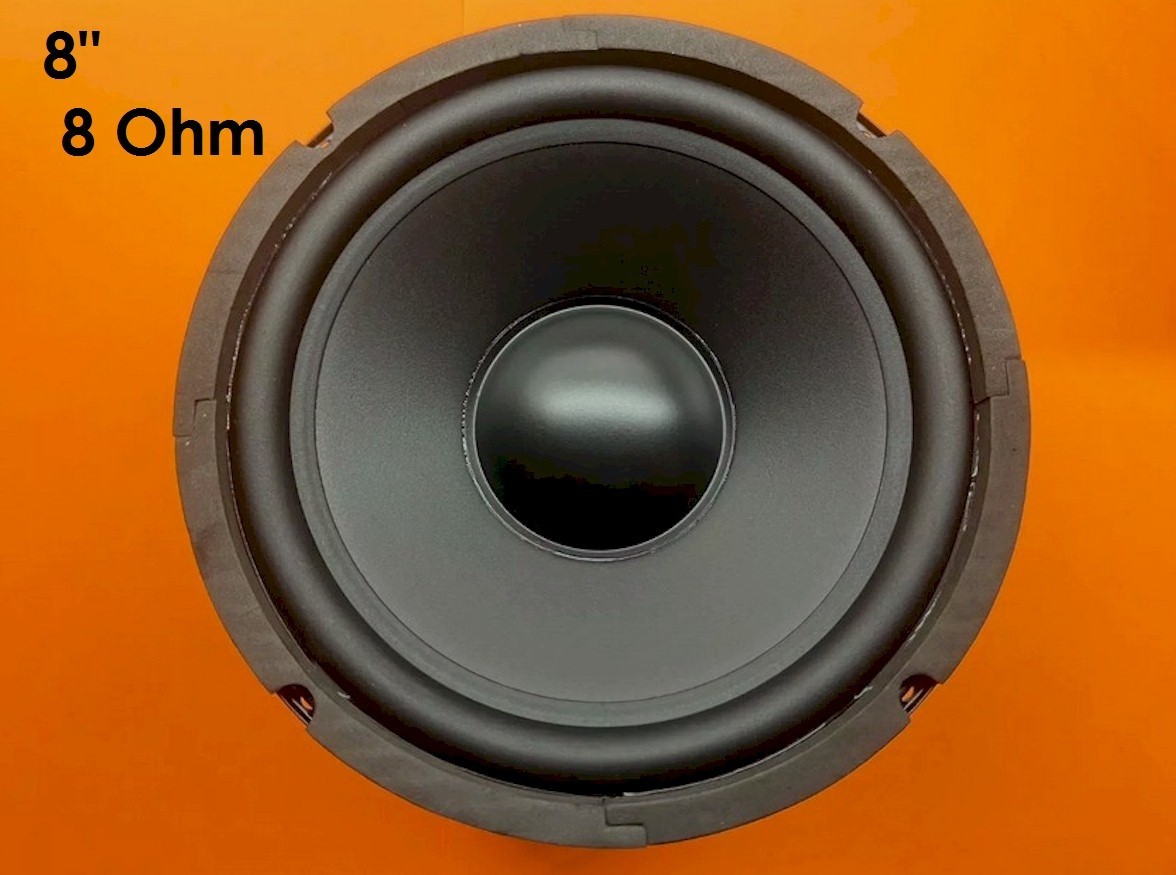
| Driver Configuration | 1 x 8" woofer, 4 x 1.5" midrange, 1 x 1" dome tweeter |
| Frequency Response | 45 Hz – 20 kHz |
| Nominal Impedance | 8 ohms |
| Sensitivity | 89 dB (2.83V/1m) |
| Crossover | 3-way passive crossover network |
| Recommended Amp Power | 10–100 watts |
| Enclosure Type | Ported, bipolar cabinet |
| Dimensions (H×W×D) | 20.5" × 8.5" × 8" (52 × 22 × 20 cm) |
| Weight | 22 lbs (10 kg) per speaker |
| Finish Options | Black ash vinyl, simulated woodgrain |
Sound Characteristics and Performance
The Bose 601-SERIES-II was engineered for a specific sonic signature: spacious, enveloping, and forgiving. Thanks to its bipolar design, sound radiates both forward and backward through a series of midrange drivers mounted on the front and rear baffles. This creates early reflections that interact with room boundaries, producing a wide, diffuse stereo image that feels larger than the physical size of the speakers.
The 8-inch woofer handled bass duties with surprising authority for a speaker of its class, extending down to 45 Hz—adequate for most music genres without requiring a subwoofer in modest-sized rooms. The four small midrange drivers (two front, two rear) were tuned to blend seamlessly, delivering clear vocals and instrumental textures with a smooth, non-fatiguing character. The 1-inch dome tweeter provided crisp but never harsh high-frequency reproduction, ideal for extended listening sessions.
One of the most praised aspects of the 601-SERIES-II was its ease of placement. Unlike many speakers that demand precise positioning and room treatment, the 601-SERIES-II thrived when placed a few feet from the front and side walls—positions that actually enhanced its diffuse soundfield. This made it a favorite among users who wanted high-quality audio without the fuss of complex setup.
Notable Features and Innovations
The 601-SERIES-II stood out in the early '80s audio landscape for several reasons:
- Bipolar Radiation Pattern: By emitting sound from both front and rear, the speaker created a more natural sense of ambience, simulating the way sound behaves in concert halls. This was particularly effective for orchestral, jazz, and vocal recordings.
- Acoustimass-Inspired Design: Though not part of the Acoustimass line, the 601-SERIES-II shared design principles with Bose’s later systems—emphasizing perceived loudness and spatial immersion over raw efficiency or bass extension.
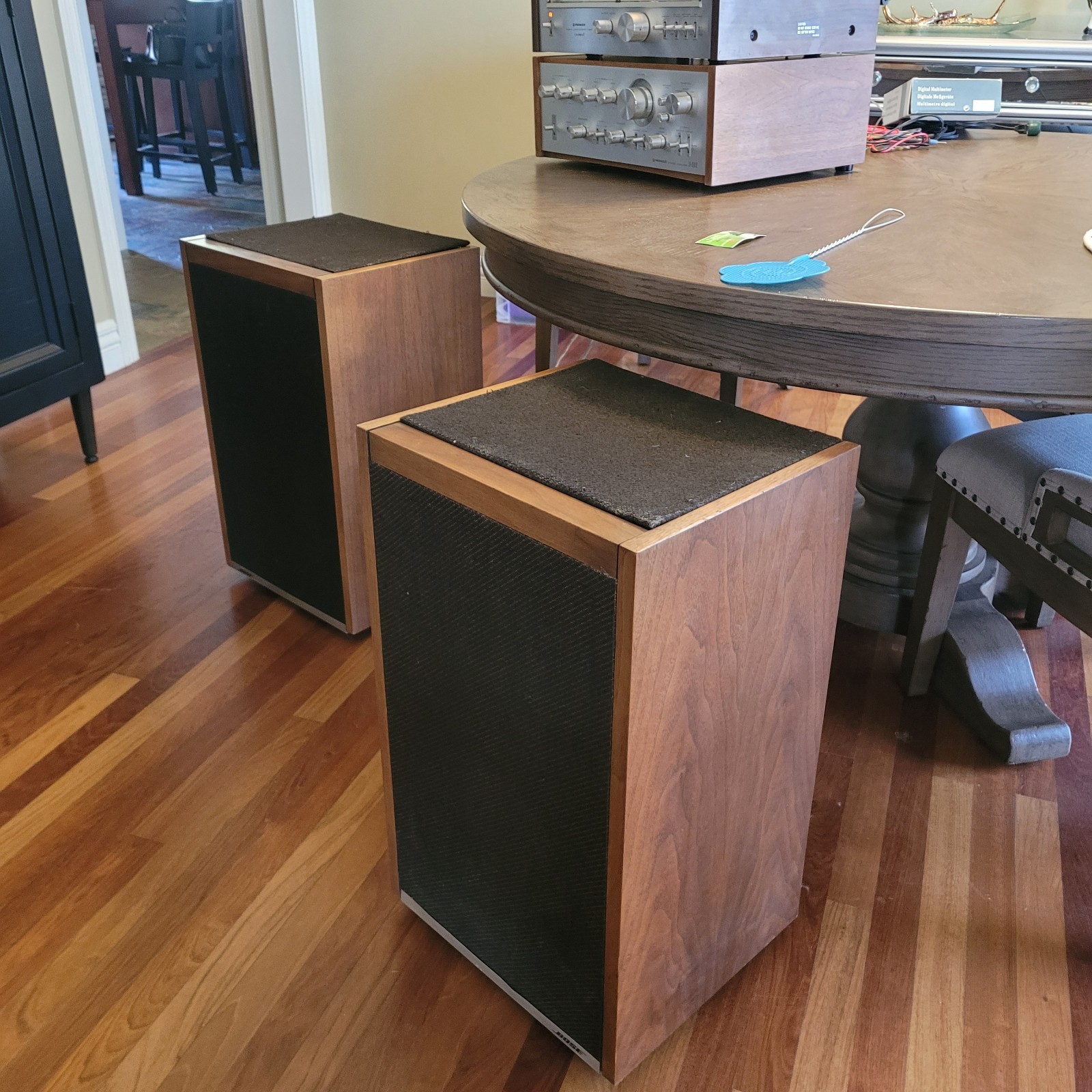
- Stylish, Compact Cabinet: For a speaker capable of such room-filling sound, the 601-SERIES-II had a relatively compact footprint. Its tall, narrow profile and woodgrain vinyl finish allowed it to blend into living rooms, dens, and bedrooms without dominating the space.
- 8-Ohm Compatibility: Designed to work well with a wide range of receivers and amplifiers of the era, the 601-SERIES-II was an accessible upgrade for consumers moving beyond basic console systems.
Common Issues and Maintenance
While generally reliable, the 601-SERIES-II is now over four decades old, and aging components can present challenges:
- Foam Surround Degradation: The most common failure point is the foam surround on the 8-inch woofer. Over time, exposure to humidity, temperature changes, and UV light causes the foam to crumble. Replacement with modern rubber or butyl surrounds is a common and effective restoration.
- Capacitor Aging in Crossover: Electrolytic capacitors in the internal crossover network may dry out or drift in value, leading to imbalanced frequency response or distortion. Replacing these with modern equivalents can restore clarity and dynamics.
- Grille Fabric Wear: The original fabric grilles may fade or tear. While cosmetic, replacement grilles or custom-fit alternatives are available from specialty audio restoration vendors.
- Binding Post Corrosion: The original spring-clip speaker terminals are prone to oxidation. Upgrading to banana plug-compatible posts improves connectivity and appearance.
Regular dusting and avoiding direct sunlight can extend the life of the cabinet and internal components. For vintage enthusiasts, full restoration kits—including drivers, foam, and crossover parts—are available from dedicated Bose restoration specialists.
Current Market Value and Collectibility
The Bose 601-SERIES-II is not typically considered a "high-end" collectible like some vintage AR, JBL, or Klipsch models, but it holds nostalgic and functional value for many audiophiles and retro audio enthusiasts. Well-maintained pairs in good cosmetic and working condition typically sell for $150–$300 on the secondary market, depending on location and restoration status.
Fully restored units with upgraded components and modernized terminals may command slightly higher prices, especially when bundled with matching Bose stands or original packaging. While not a rare item, complete and clean examples are becoming harder to find, particularly in climates with high humidity.
Its appeal lies less in technical perfection and more in its distinct sonic character and historical significance as a bold alternative to conventional speaker design. For those seeking the "Bose sound" of the 1980s—smooth, ambient, and effortlessly engaging—the 601-SERIES-II remains a compelling choice.
Conclusion and Legacy
The Bose 601-SERIES-II was never about chasing audiophile benchmarks. Instead, it offered a different philosophy: sound as experience. In an era when many speakers aimed for accuracy at the expense of ambiance, Bose delivered a system that prioritized emotional impact and room integration.
While later models like the 601-SERIES-III and 901 would refine the concept, the 601-SERIES-II holds a special place as a transitional design—bridging the gap between Bose’s early innovations and its mass-market dominance in the 1990s. It remains a testament to the idea that great sound isn’t always about specs, but about how music makes you feel.
Today, the 601-SERIES-II is a beloved piece of audio history—a speaker that brought concert-hall spaciousness into living rooms long before surround sound and immersive audio became mainstream. For vintage audio fans, it’s not just a relic, but a reminder that sometimes, the best sound is the one you don’t notice—until you can’t imagine living without it.
eBay Listings


As an eBay Partner, we earn from qualifying purchases. This helps support our independent vintage technology research.
Service Manuals & Schematics
- Service Manual — archive.org
Related Models
- Bose 4.2-SERIES-I (1984)
- Bose 101-MUSIC-MONITOR (1970)
- Bose 10.2-SERIES-I (1988)
- Bose 10.2-SERIES-II (1988)
- Bose 1800-SERIES-II (1979)
- Akai AM-2850 (1975)
- Akai AP-206 (1975)
- Nakamichi BX-1 (1985)
- Acoustic Research research-ar-17 (1978)
- Acoustic Research AR-19 (1994)