Bose 601-SERIES-I: The Speaker That Redefined Stereo Imaging
When Bose introduced the 601-SERIES-I in 1979, it wasn’t just launching another pair of bookshelf speakers—it was making a bold statement about how stereo sound should be experienced in the home. Designed by the legendary Dr. Amar G. Bose and his team, the 601-SERIES-I was engineered to break free from the limitations of traditional speaker placement and deliver a wide, enveloping soundstage even in less-than-ideal listening environments. For audiophiles and casual listeners alike in the late 1970s and early 1980s, the 601-SERIES-I became a symbol of innovation, convenience, and spatial audio long before the term became mainstream.
A Revolutionary Approach to Speaker Design
At a time when most bookshelf speakers were designed to be placed close to walls or corners—often resulting in boomy bass and narrow imaging—the Bose 601-SERIES-I flipped the script. It was one of the first commercially successful speakers built around the concept of direct/reflecting sound, a philosophy that would later define Bose’s entire Acoustimass and Lifestyle product lines.
The 601-SERIES-I featured a unique multi-driver array angled to project sound both directly toward the listener and indirectly toward walls and ceilings. This dual-path approach created a sense of spaciousness and envelopment that mimicked the natural diffusion of sound in a concert hall. The result? A stereo image that seemed much larger than the physical size of the speakers, with instruments appearing to float in space rather than being pinned to the speaker locations.
This design made the 601-SERIES-I particularly well-suited for living rooms and non-dedicated listening spaces—exactly where most consumers actually used their audio systems.
Technical Specifications
| Specification | Detail |
| Model | Bose 601-SERIES-I |
| Year Introduced | 1979 |
| Type | 2-way, direct/reflecting bookshelf speaker |
| Drivers | 1 x 5.25" woofer, 4 x 1" tweeters (angled) |
| Frequency Response | 60 Hz – 20 kHz |
| Impedance | Not applicable (designed for home receivers) |
| Sensitivity | ~89 dB |
| Crossover | Passive, 2-way |
| Recommended Amp Power | 10–100 watts per channel |
| Dimensions (each) | 13.5" H × 7.5" W × 8.5" D |
| Weight | 12 lbs per speaker |
| Enclosure Material | Medium-density fiberboard (MDF) with woodgrain vinyl |
| Finish Options | Light oak, dark walnut, black ash |
The most striking visual feature of the 601-SERIES-I is its quartet of small tweeters, arranged in a vertical line and angled at different directions. This configuration allowed high frequencies to bounce off room surfaces, creating a diffuse sound field. The single mid-bass driver handled lower frequencies with a modest but punchy presence for its size.
While not a bass powerhouse—don’t expect deep sub-40Hz response—the 601-SERIES-I delivered a surprisingly full-bodied sound for a compact speaker, especially when paired with a quality receiver of the era like those from Sony, Pioneer, or Yamaha.
Sound Characteristics and Performance
The sonic signature of the 601-SERIES-I is best described as spacious, smooth, and forgiving. It doesn’t aim for clinical accuracy or tight bass control like some contemporary audiophile speakers. Instead, it prioritizes immersive stereo imaging and a sense of acoustic realism that works beautifully with vocals, acoustic instruments, and orchestral music.
Listeners often report that the 601-SERIES-I creates a “you are there” feeling, with a wide and deep soundstage that belies its compact footprint. The reflected highs blend with the direct sound to create a seamless auditory experience, reducing the “head-in-a-vice” effect common with conventional stereo setups.
That said, the 601-SERIES-I is not without trade-offs. The bass rolls off below 60 Hz, so bass-heavy genres like rock or electronic music may feel underpowered without a subwoofer (which wasn’t commonly used in home audio at the time). Additionally, the speaker’s performance is highly dependent on room acoustics—too much absorption (e.g., heavy drapes, carpeted walls) can dampen the reflective effect, while overly reflective rooms might make the sound too bright.
Notable Features and Innovations
- Direct/Reflecting Technology: The cornerstone of the 601-SERIES-I’s design, this approach influenced Bose’s future products and helped popularize the idea of ambient sound in home audio.
- Angled Driver Array: The precisely angled tweeters were a mechanical solution to a psychoacoustic challenge—how to widen the stereo image without relying on complex electronics.
- Room-Friendly Design: Unlike many speakers of the era, the 601-SERIES-I didn’t need to be placed against walls. In fact, Bose recommended placing them away from walls and angled toward the ceiling, a radical idea at the time.
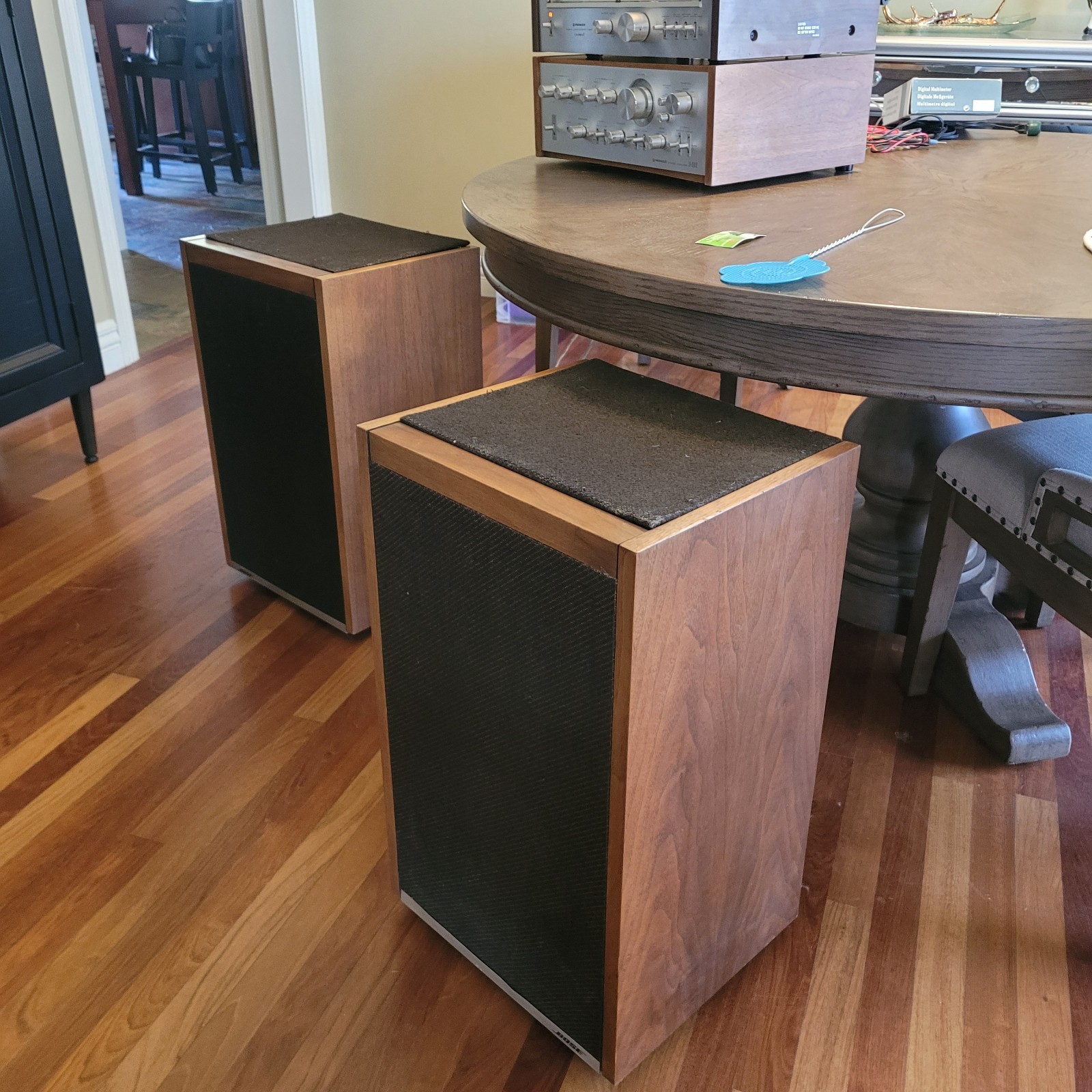
- Stylish Cabinet: With its woodgrain finish and clean lines, the 601-SERIES-I looked at home in 1970s and 1980s living rooms, blending form and function.
Common Issues and Maintenance
As with any vintage audio gear, the 601-SERIES-I requires some care to perform at its best today:
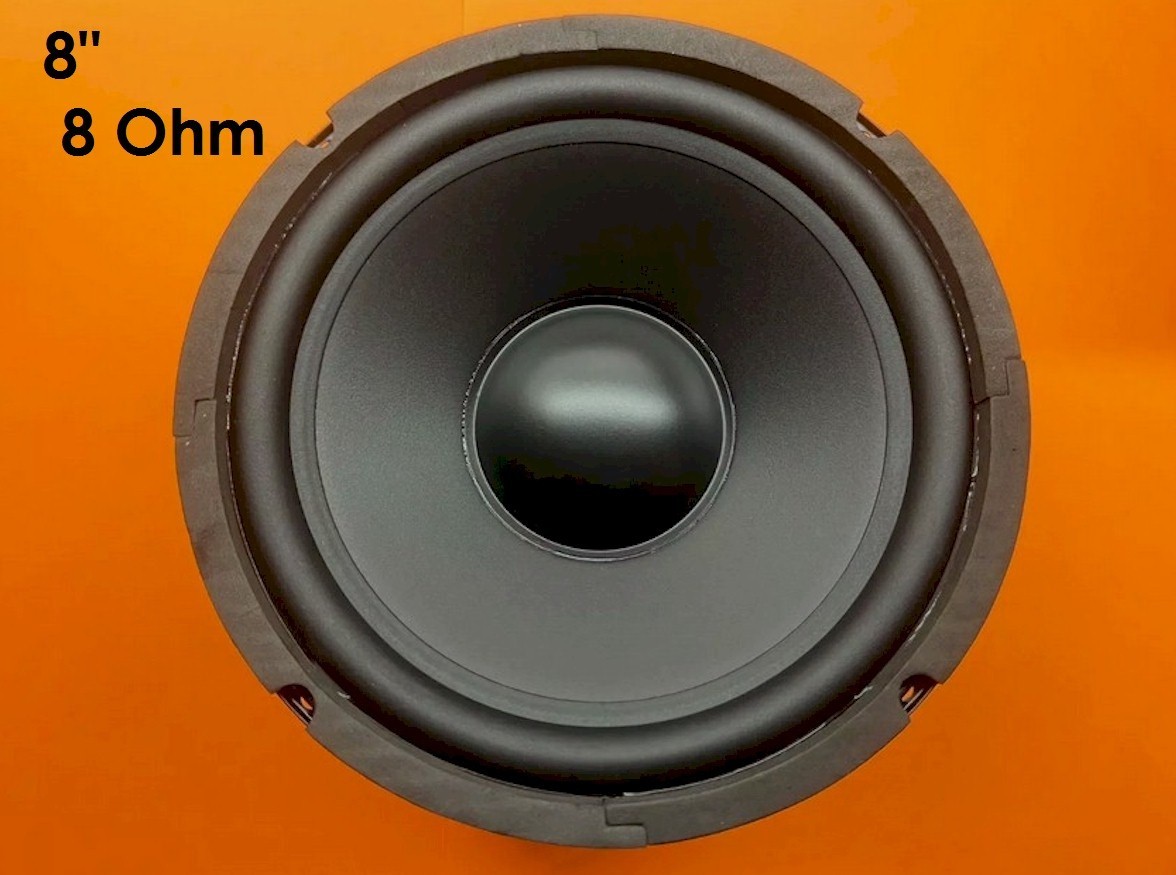
- Foam Surround Degradation: The original foam surrounds on the woofer can dry out and crumble over time, leading to distorted bass or complete failure. Replacement with modern rubber surrounds is a common and effective fix.
- Tweeter Damage: While the small tweeters are durable, they can be overdriven by modern high-powered amplifiers. If the speaker sounds harsh or lacks high-end sparkle, the tweeters may need inspection or replacement.
- Crossover Components: The internal passive crossover may suffer from aging capacitors or solder joints. A professional recapping can restore clarity and balance.
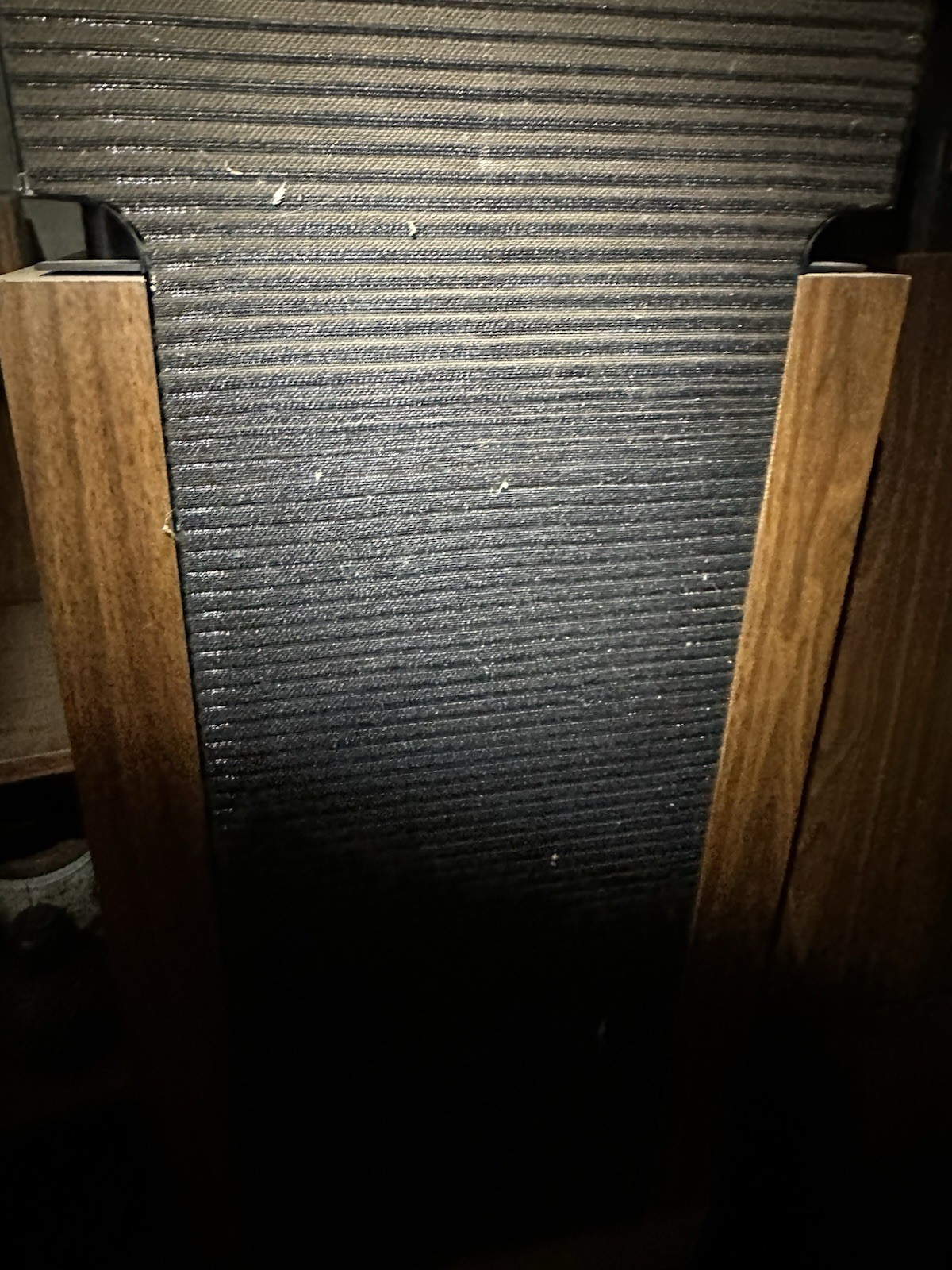
- Cosmetic Wear: The woodgrain vinyl can peel or discolor. While not affecting sound, it detracts from resale value. Careful restoration or refinishing can improve appearance.
Owners are advised to keep the speakers away from direct sunlight and humidity, and to avoid overdriving them with high volumes or distorted signals.
Current Market Value and Collectibility
The Bose 601-SERIES-I is not typically considered a “high-end” vintage collectible like some Quad or JBL speakers, but it holds a special place in audio history as a pioneer of spatial sound design. On the secondary market, working pairs in good condition typically sell for $150–$300, depending on finish, condition, and whether they’ve been refurbished.
They are especially sought after by:
- Vintage audio enthusiasts interested in 1970s speaker innovation
- Bose collectors tracing the evolution of direct/reflecting technology
- Home theater hobbyists looking for retro-futuristic decor with functional sound
While not ideal as main speakers in a modern high-fidelity system, the 601-SERIES-I can serve as excellent surround or ambient speakers in a retro-themed setup, or as charming standalone units paired with a vintage receiver.
Conclusion: A Legacy of Innovation
The Bose 601-SERIES-I may not have won awards for flat frequency response or bass extension, but it succeeded in something far more important: changing how people experienced stereo sound at home. By embracing room acoustics rather than fighting them, Bose created a speaker that felt alive, spacious, and forgiving—perfect for the way most people actually listen to music.
Today, the 601-SERIES-I stands as a testament to Dr. Bose’s vision: that technology should serve the listener, not the other way around. It paved the way for the Lifestyle systems, the Acoustimass modules, and even modern spatial audio formats like Dolby Atmos.
For vintage audio fans, the 601-SERIES-I is more than just a nostalgic relic—it’s a milestone in the democratization of immersive sound. And if you find a well-maintained pair, they’re still capable of delivering a listening experience that feels surprisingly modern, over four decades later.
eBay Listings

As an eBay Partner, we earn from qualifying purchases. This helps support our independent vintage technology research.
Related Models
- Bose 4.2-SERIES-I (1984)
- Bose 101-MUSIC-MONITOR (1970)
- Bose 10.2-SERIES-I (1988)
- Bose 10.2-SERIES-II (1988)
- Bose 1800-SERIES-II (1979)
- Akai AM-2850 (1975)
- Akai AP-206 (1975)
- Nakamichi BX-1 (1985)
- Acoustic Research research-ar-17 (1978)
- Acoustic Research AR-19 (1994)