Bose 501 Series III: The Pioneer of Spacious Sound
In the late 1970s, as high-fidelity audio was evolving beyond basic stereo setups, Bose Corporation introduced a revolutionary concept in loudspeaker design—the direct/reflecting speaker. The Bose 501 Series III, launched in 1977, was a flagship model in this innovative line, embodying Dr. Amar G. Bose’s vision of recreating the spatial qualities of live music within the home. Unlike traditional speakers that project sound forward, the 501 Series III was engineered to radiate sound both forward and backward, bouncing audio off walls to create a more immersive, concert-hall-like listening experience.
At a time when audiophiles debated the merits of flat frequency response and tight bass, Bose took a different path—focusing on perceived sound quality and room integration. The 501 Series III became one of the most recognizable and controversial speakers of its era. Loved by many for its enveloping sound and criticized by purists for its non-traditional approach, it remains a landmark in the history of consumer audio.
Technical Specifications
| Specification | Detail |
| Model | 501 Series III |
| Manufacturer | Bose Corporation |
| Year Introduced | 1977 |
| Type | 3-way, passive, direct/reflecting |
| Driver Complement | 1 x 8" woofer, 4 x midrange, 1 x tweeter |
| Frequency Response | 45 Hz – 20 kHz (±3 dB) |
| Nominal Impedance | 8 ohms |
| Sensitivity | 86 dB (2.83V @ 1m) |
| Crossover Frequencies | 500 Hz (woofer/midrange), 5 kHz (mid/tweet) |
| Enclosure Type | Bass-reflex with dual radiating ports |
| Dimensions (H×W×D) | 25" × 10" × 11" (63.5 × 25.4 × 27.9 cm) |
| Weight | 38 lbs (17.2 kg) per speaker |
| Finish Options | Black cloth grille, wood veneer cabinet |
The 501 Series III featured a distinctive dual-chamber enclosure, with the front and rear-facing drivers operating in separate acoustic chambers to minimize interference. The speaker used a combination of an 8-inch fiberglass-reinforced woofer and four 3.5-inch midrange drivers—two firing forward and two rearward—along with a single dome tweeter mounted in a waveguide for wide dispersion. This configuration was central to Bose’s philosophy of diffuse sound field reproduction, aiming to reduce the "boxy" or pinpoint imaging of conventional speakers in favor of a more natural, ambient sound.
Sound Characteristics and Performance
The sonic signature of the Bose 501 Series III is unmistakable. Rather than delivering tight, analytical imaging, these speakers produce a broad, room-filling soundstage that many listeners describe as "lush" or "ethereal." The rear-firing midrange drivers reflect sound off walls, creating early reflections that mimic those found in concert halls. This design gives the impression that music is coming from all around, rather than from two discrete points.
Bass response is extended down to 45 Hz, thanks to the bass-reflex enclosure and efficient woofer design. While not as deep or controlled as modern subwoofers or high-end floorstanders, the bass is warm and full-bodied—well-suited to the popular music of the era, from classic rock to jazz and orchestral recordings.
Midrange clarity is a highlight, with vocals and acoustic instruments rendered with a smooth, non-fatiguing character. The multiple midrange drivers help maintain even dispersion, reducing the "sweet spot" limitations of many speakers. However, this comes at the cost of precise stereo imaging—something traditional audiophiles often criticized.
The tweeter delivers crisp highs without harshness, though some listeners may find the top end slightly rolled off compared to more revealing monitors. Overall, the 501 Series III prioritizes emotional engagement over technical precision, making it ideal for casual listening and background music.
Notable Features and Innovations
The 501 Series III was more than just a speaker—it was a statement about how people experience music. Its most notable innovation was the direct/reflecting concept, patented by Bose and refined over several generations. This approach challenged the conventional wisdom that speakers should be directional and time-aligned.
Other key features include:
- Dual-chamber cabinet design to isolate front and rear drivers
- Proprietary crossover network tuned for seamless integration between drivers
- Wall-placement optimization—the speakers were designed to be placed near walls or corners to enhance reflection
- Aesthetic integration—with a sleek, minimalist cabinet and removable grille, the 501 Series III was as much a piece of furniture as it was audio equipment
Bose also marketed the 501 Series III as part of a complete system, often paired with Bose’s own preamps, amplifiers, and later, the iconic Bose 2201 subwoofer (though compatibility was limited). The system approach was central to Bose’s brand identity—delivering a curated listening experience rather than just components.
Common Issues and Maintenance
As with any vintage audio gear, the Bose 501 Series III requires attention to maintain optimal performance. Common issues include:
- Aging foam surrounds: The original foam used on the woofers and midrange drivers degrades over time, leading to buzzing or loss of bass. Replacement with modern rubber or foam kits is recommended.
- Crossover component drift: Capacitors and inductors in the passive crossover can degrade, altering frequency balance. Rebuilding the crossover with modern parts can restore clarity.
- Grille and cabinet wear: The cloth grilles are prone to discoloration, and wood veneers may show scratches or fading. Gentle cleaning and refinishing can preserve appearance.
- Driver misalignment: Due to the complex driver array, rear-firing units may become misaligned if the speaker is moved frequently.
Maintenance is relatively straightforward for experienced DIYers, though original parts are no longer available. Third-party rebuild services and crossover upgrades are widely offered in the vintage audio community.
Current Market Value and Collectibility
Today, the Bose 501 Series III occupies a niche but passionate following. While not as sought-after as vintage AR, JBL, or Klipsch speakers among hardcore audiophiles, they are prized by Bose collectors, design enthusiasts, and those nostalgic for 1970s audio culture.
In good condition, a pair typically sells for $200–$400, depending on cosmetic state and whether they’ve been restored. Fully refurbished units with new surrounds and updated crossovers may command higher prices. Original boxes, manuals, or matching stands can add value for collectors.
Their unique design and historical significance make them conversation pieces, often displayed in retro-themed listening rooms or mid-century modern interiors. Though not ideal for critical listening by today’s standards, they remain a compelling choice for those who value atmosphere over accuracy.
Conclusion and Legacy
The Bose 501 Series III was never intended to win blind listening tests or impress spec-sheet enthusiasts. Instead, it represented a bold rethinking of what speakers could do—prioritizing spatial realism and listener immersion over traditional metrics.
While later models like the 901 Series refined the direct/reflecting concept further, the 501 Series III was the model that introduced the world to Bose’s philosophy. It helped establish the brand as a major player in consumer audio and paved the way for future innovations in room-filling sound.
Today, the 501 Series III stands as a cultural artifact of 1970s audio design—a time when experimentation and bold ideas shaped the way we listen. Whether you love its diffuse sound or prefer tighter imaging, there’s no denying its influence. For vintage audio enthusiasts, owning a pair is not just about sound quality—it’s about owning a piece of audio history that dared to be different.
eBay Listings


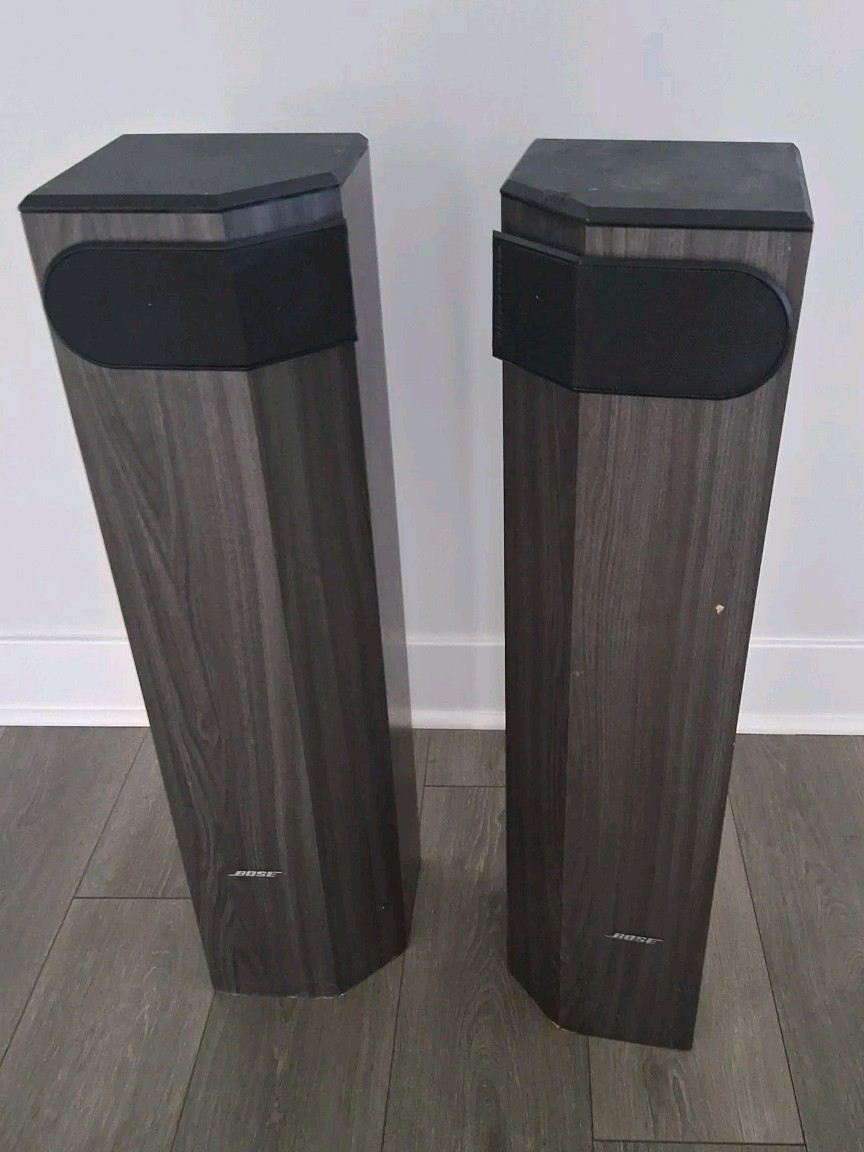
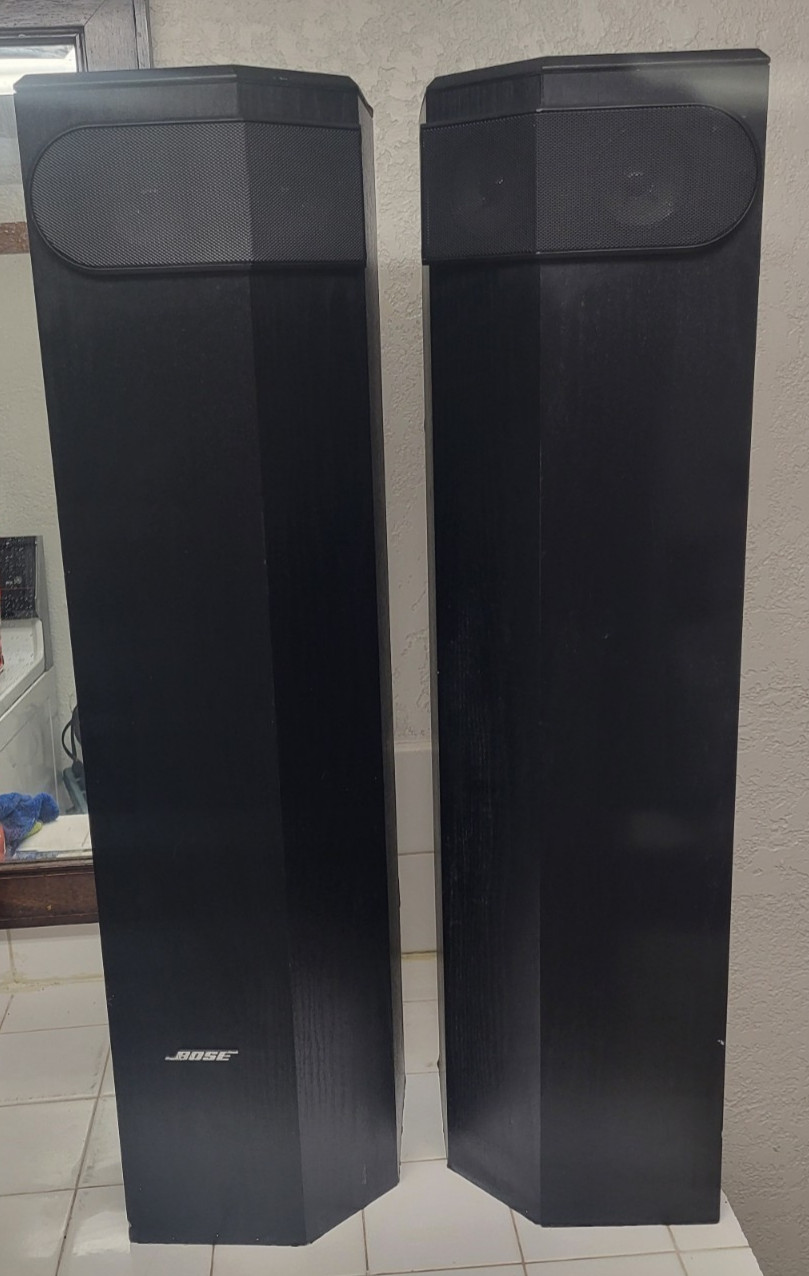
As an eBay Partner, we earn from qualifying purchases. This helps support our independent vintage technology research.
Related Models
- Bose 4.2-SERIES-I (1984)
- Bose 101-MUSIC-MONITOR (1970)
- Bose 10.2-SERIES-I (1988)
- Bose 10.2-SERIES-II (1988)
- Bose 1800-SERIES-II (1979)
- Akai AM-2850 (1975)
- Akai AP-206 (1975)
- Nakamichi BX-1 (1985)
- Acoustic Research research-ar-17 (1978)
- Acoustic Research AR-19 (1994)